




Taisho Period Oriental Antiques
Taisho period oriental antiques bring together early twentieth-century Japanese ceramics, bronzes and lacquerware that reveal a distinct shift toward expressive surface textures.
Taisho Period Oriental Antiques
When searching for taisho period oriental antiques, collectors encounter items spanning the early decades of the twentieth century, bridging the late nineteenth-century styles with subsequent modernist shifts.
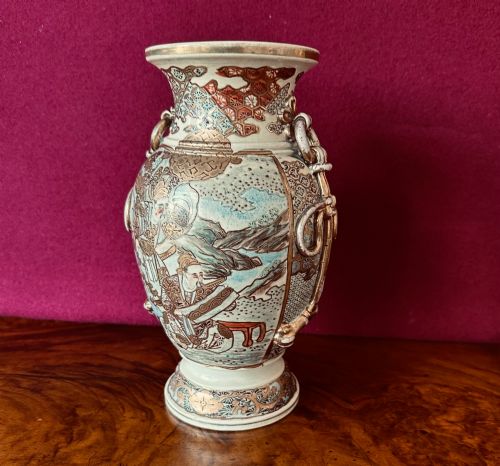
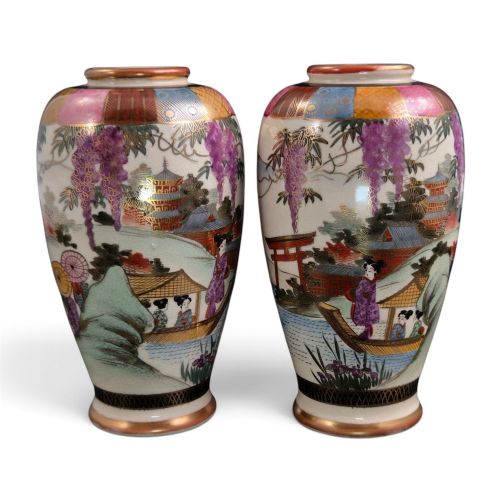
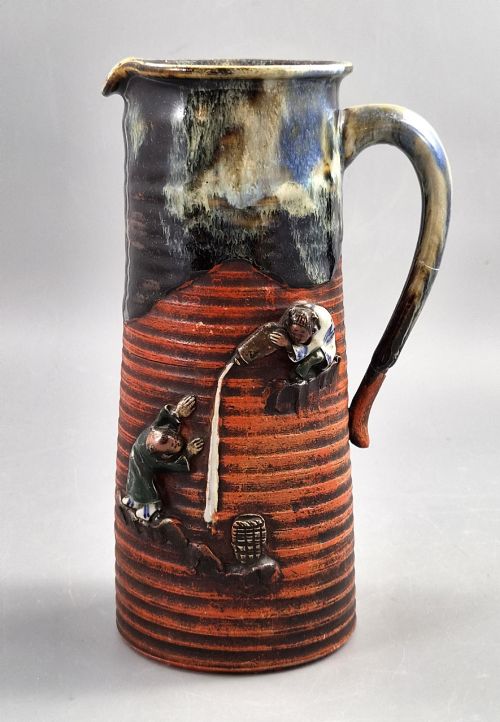
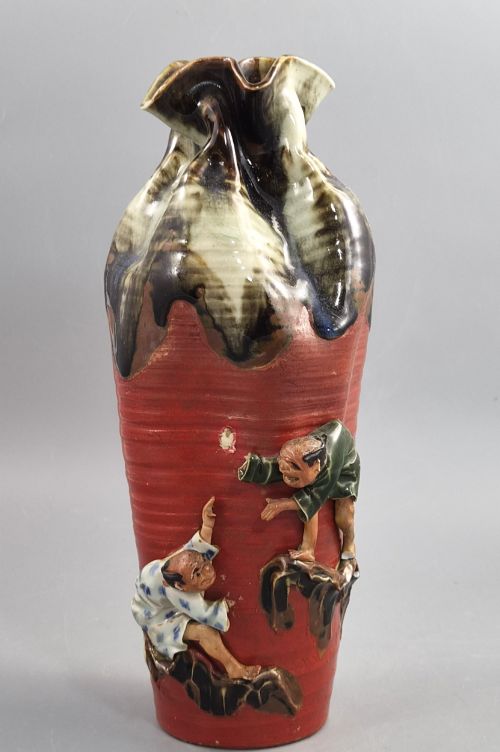
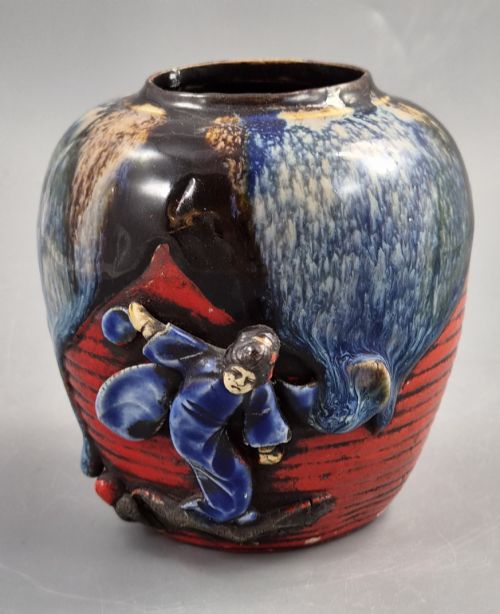
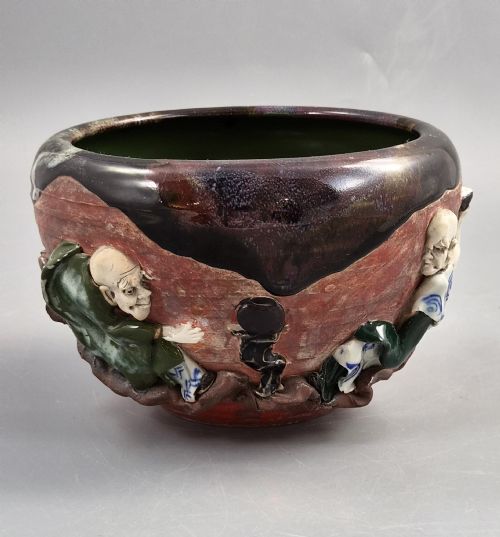
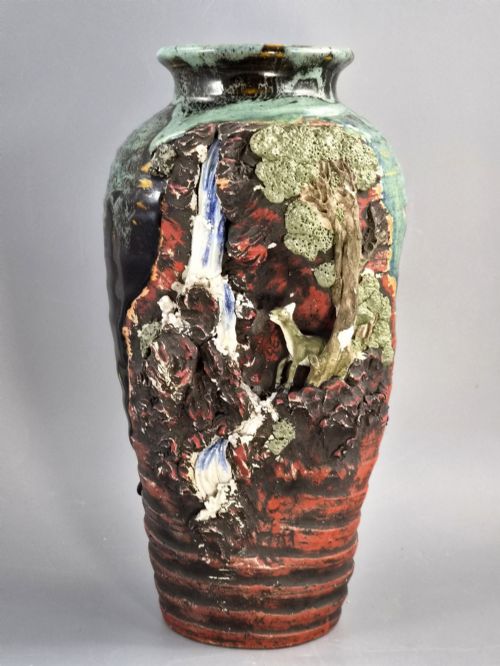
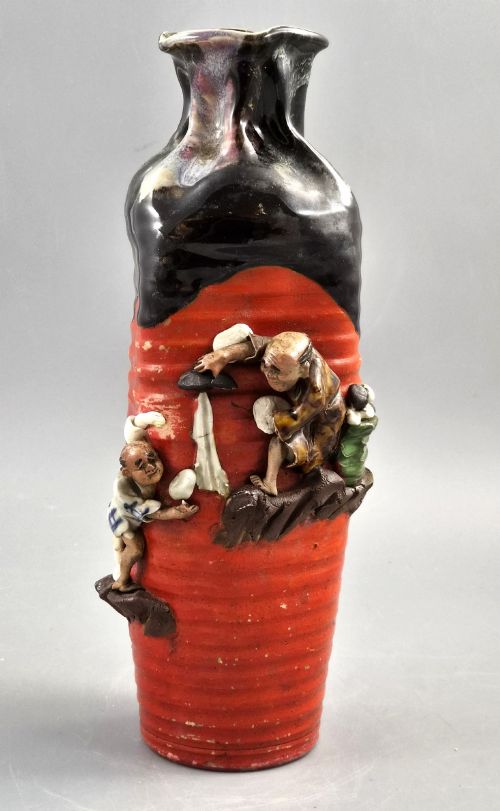
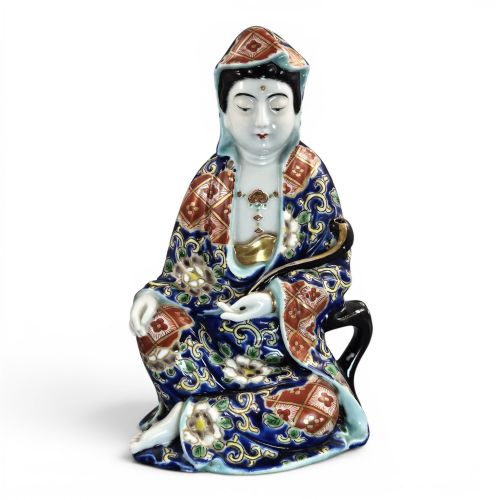
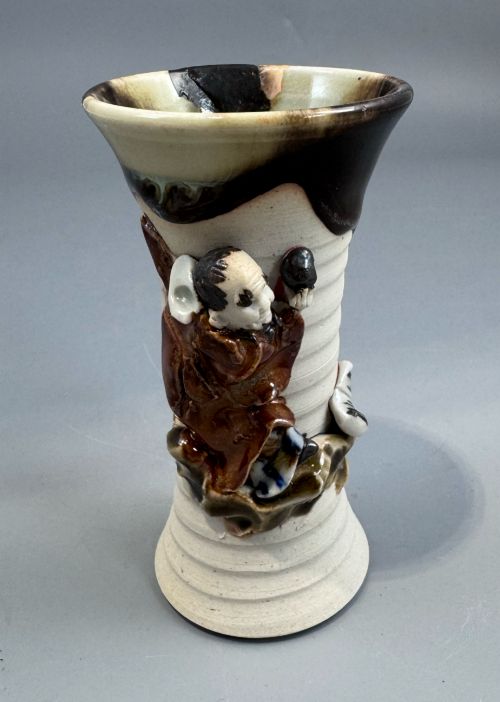
The objects on this page consist predominantly of Japanese ceramics, including Sumida Gawa art pottery with applied figures, Kutani chargers, Satsuma vases and Imari porcelain pieces.
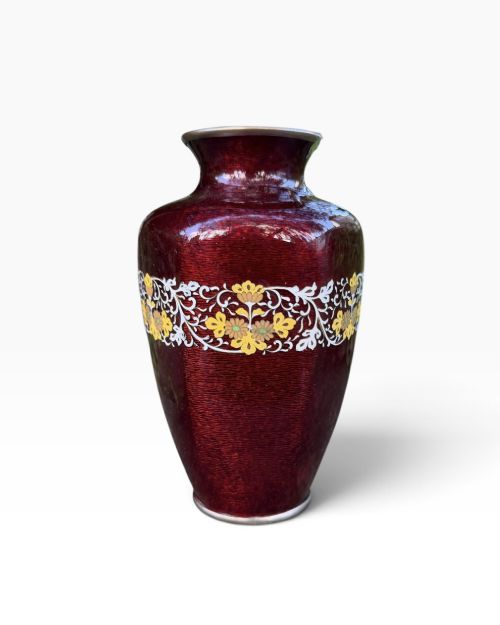
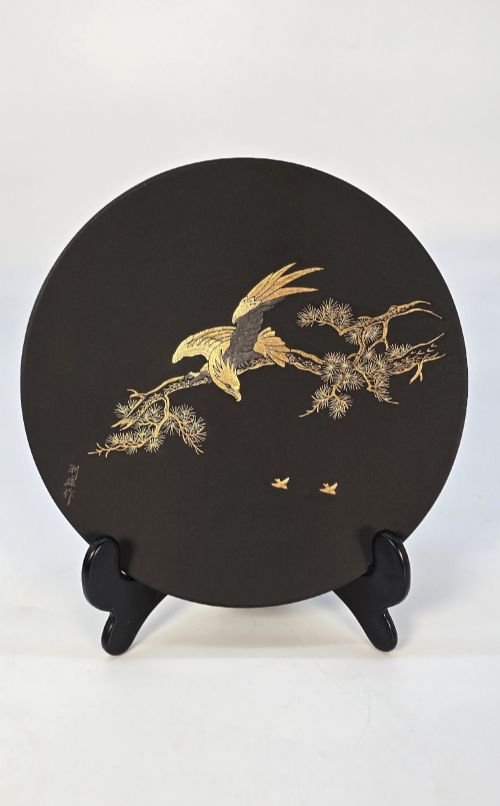
Beyond ceramics, the selection includes patinated iron plaques, bronze vases, glass paintings, lacquered table cabinets and wooden tansu furniture from the same era.
How They Were Made
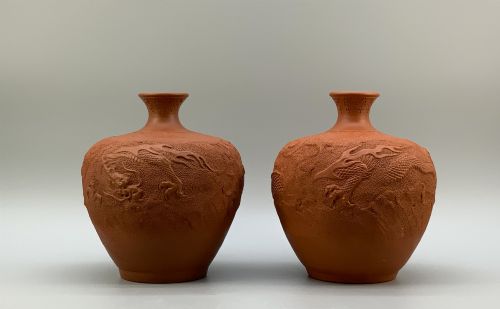
Potters utilised stoneware and earthenware bodies, often applying textured flambe glazes alongside modelled relief figures of clay.
Metalworkers employed bronze and iron, incorporating detailed gold and silver inlay techniques as well as traditional patination.
Cabinetmakers constructed storage furniture from zelkova and black lacquer, while artists worked with porcelain pigments, enamel and gold leaf.
Taisho Period Oriental Antiques Retail Price Guide 2026
Typical asking prices for taisho period oriental antiques among the pieces listed under this phrase on Sellingantiques today, from the lower quarter to the upper quarter. They describe what is for sale here now, not the wider market.
Several vases feature tiny modelled figures climbing up the rims as if trying to peer inside the vessel.
What Varies in Quality
The distinction between standard items and finer examples rests upon the precision of the hand painting, the depth of the relief modelling in pottery and the crispness of metal inlays.
Signed works by known studio potters and workshops command greater attention due to the individuality of the glaze effects and sculptural additions.
Inoue Ryosai·Makuzu Kozan
The Taisho Period Oriental Antiques Glossary
- Sumida Gawa
- Japanese pottery originating from the banks of the Sumida River, characterised by heavily textured drip glazes and applied clay figures.
- Imari
- Japanese porcelain decorated in underglaze blue, iron red, and gilt, historically produced in Arita.
- Kutani
- Japanese painted porcelain noted for vibrant polychrome enamel designs and intricate detailing.
- Satsuma
- Japanese earthenware featuring an ivory-crackled glaze decorated with intricate enamel and gold leaf motifs.
- Tansu
- Traditional Japanese mobile cabinetry and chests designed for domestic storage.
- Flambe
- A ceramic glaze fired with metallic oxides that produces streaked or mottled colour variations.
Taisho Period Oriental Antiques: Frequently Asked Questions
What defines taisho period oriental antiques?
These items encompass decorative arts produced in Japan during the reign of Emperor Taisho and the surrounding transitional decades.
They reflect a blending of traditional craftsmanship with developing modern artistic sensibilities in ceramics, bronze and lacquer.
How do I identify Sumida Gawa pottery?
Sumida Gawa pieces are distinguished by rough, dripping flambe glazes and distinct figures modelled in high relief directly onto the vessel wall.
Many bear artist signatures pressed into small clay plaques adhered to the surface.
How should I care for lacquer furniture?
Lacquer cabinets and small tables require protection from direct sunlight and extremes in humidity to prevent surface cracking.
Dusting gently with a dry, soft cloth preserves the original finish without chemical polishes.