

Tabletop Wooden Drawers
Tabletop wooden drawers bring compact storage and period character to a room, ranging from miniature chests to apothecary cabinets.
Tabletop Wooden Drawers
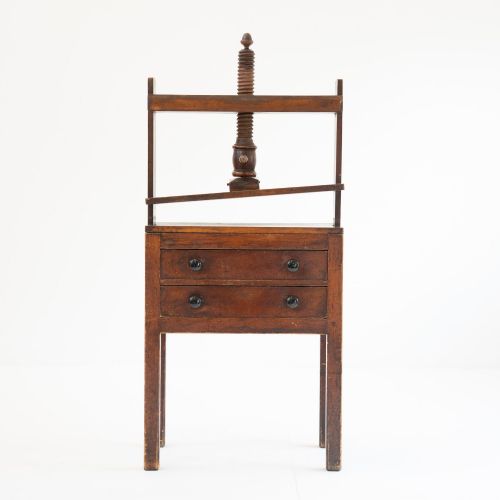
Tabletop wooden drawers encompass miniature furniture, collectors' cabinets, dressing mirrors, and small storage chests originating from the Georgian, Regency, Victorian, and Edwardian periods. These pieces served practical roles in homes, surgeries, and offices, holding items ranging from jewellery and documents to medical supplies and sewing accessories.
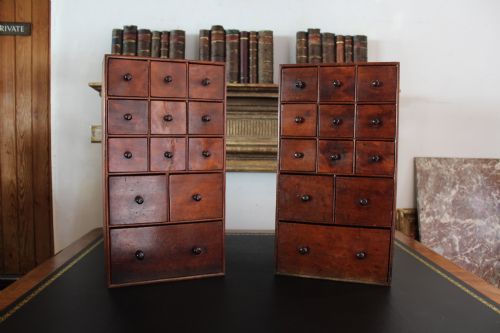
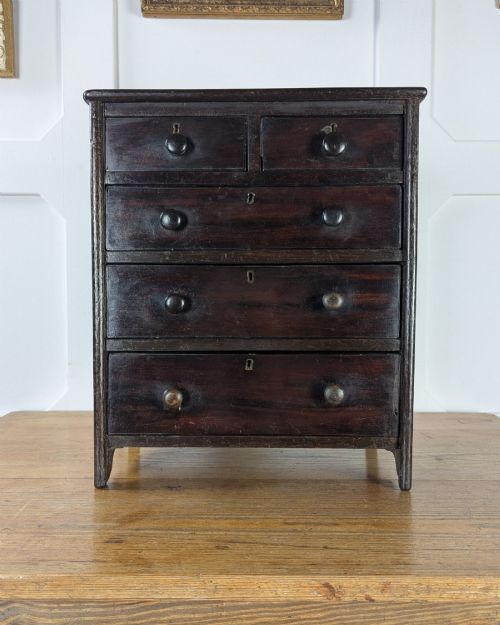
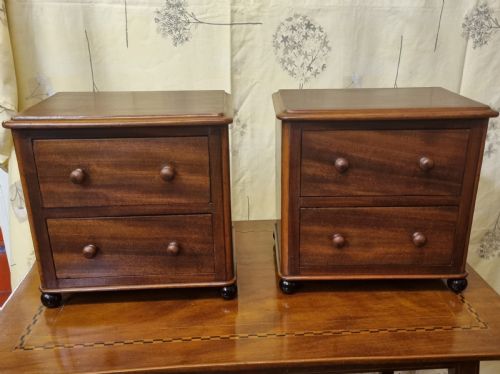
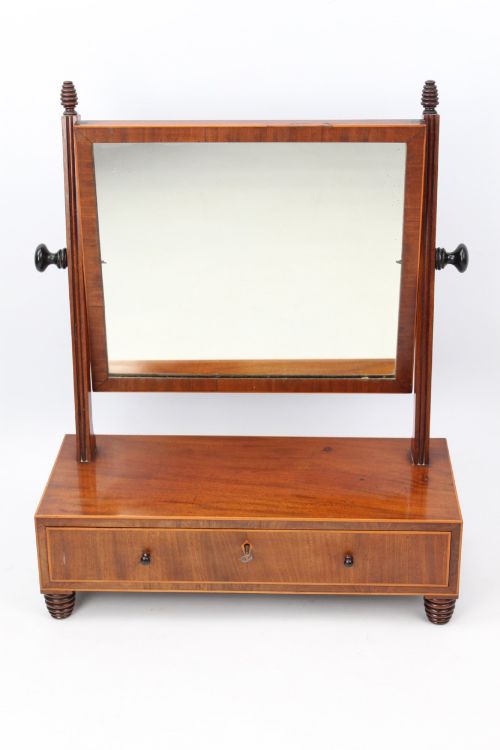
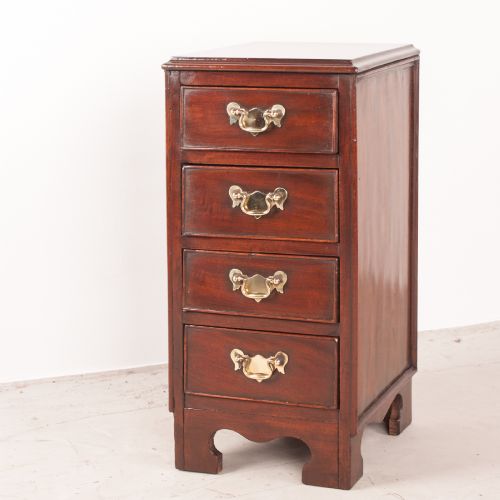
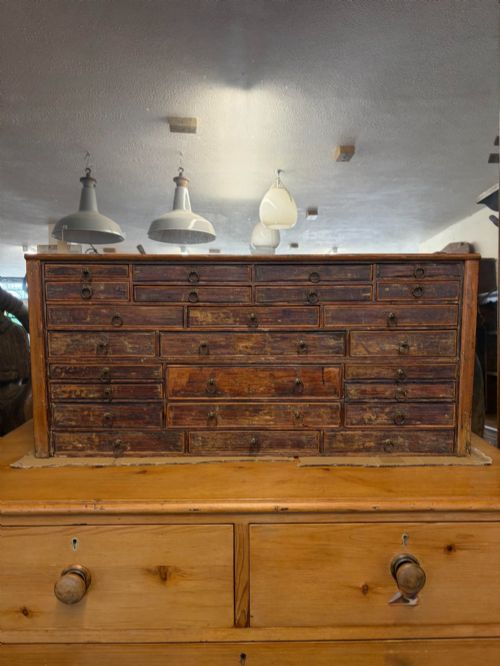
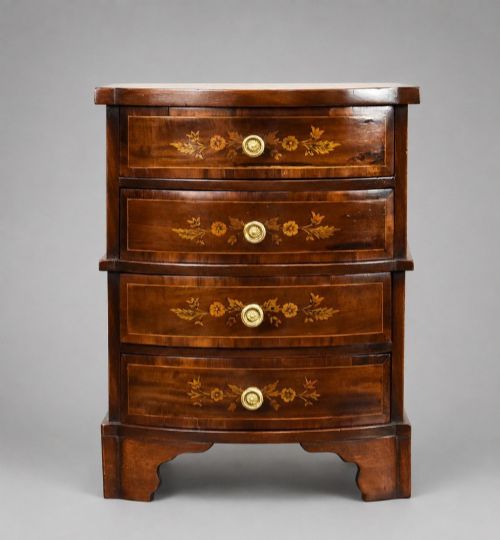
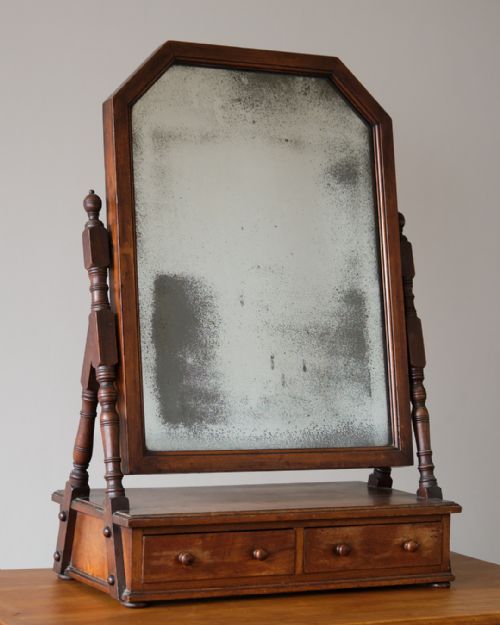
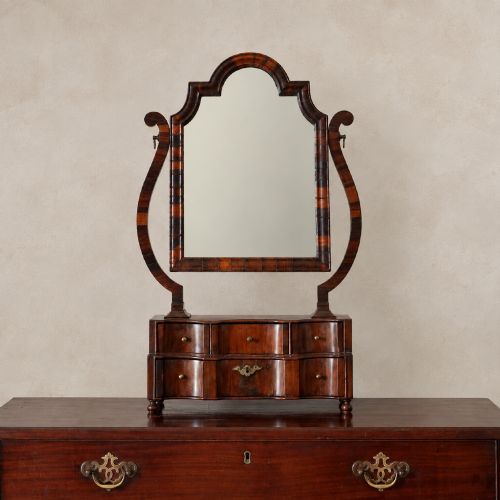
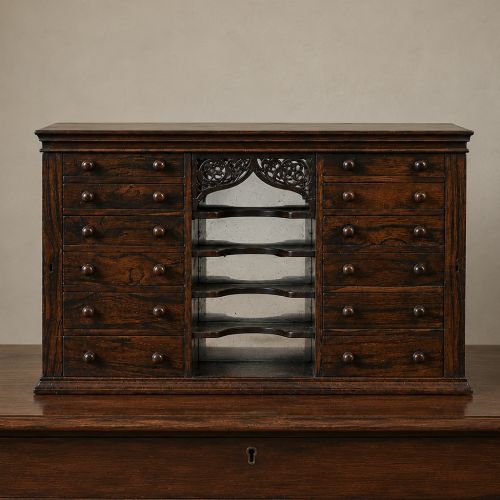
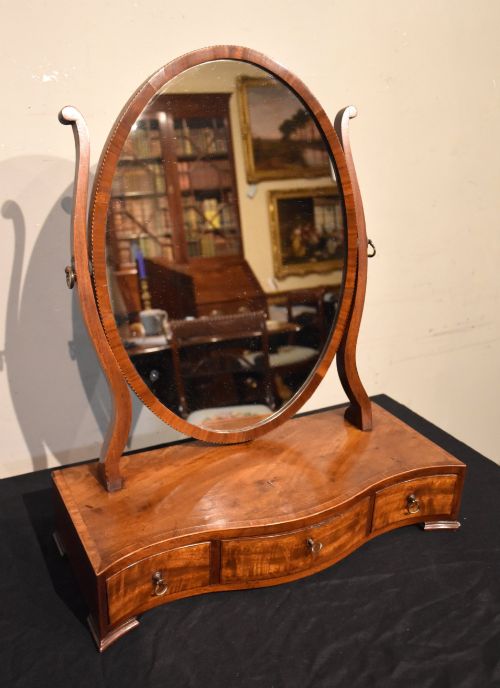
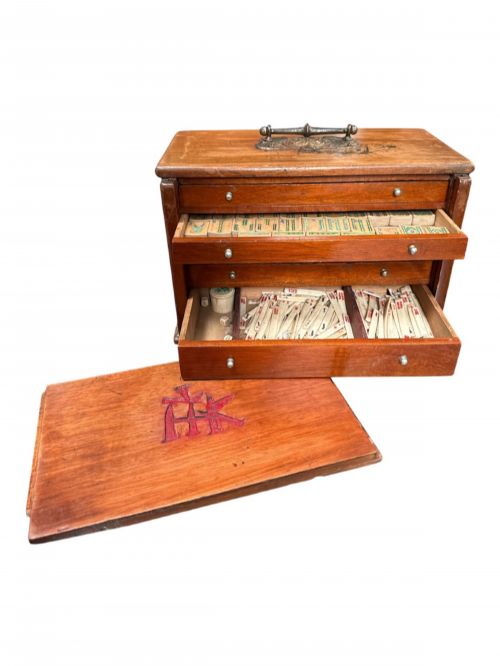
Miniature chests of drawers and apprentice pieces dominate the selection, alongside banks of drawers, apothecary cabinets, and toilet mirrors with pivoting glass. Their scale allows them to sit easily on larger furniture, bringing period timber and proportion into smaller spaces.
Materials and Construction
Cabinet makers built these pieces using dense hardwoods like mahogany, walnut, rosewood, and oak, alongside utility timbers such as pine, fruitwood, and elm. Drawer construction typically relied on hand-cut dovetail joints to withstand regular use.
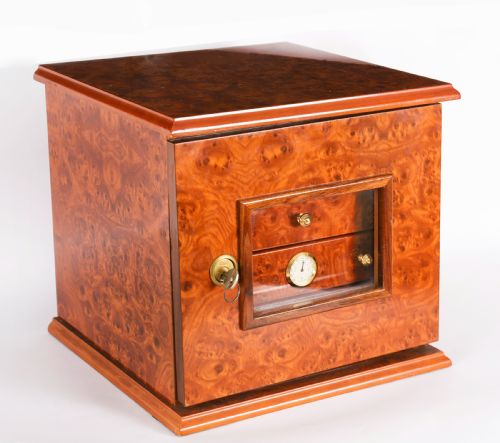
Surfaces often show decorative touches including marquetry inlay, burr veneers, and glass panels, complemented by brass handles, escutcheons, and hinges.
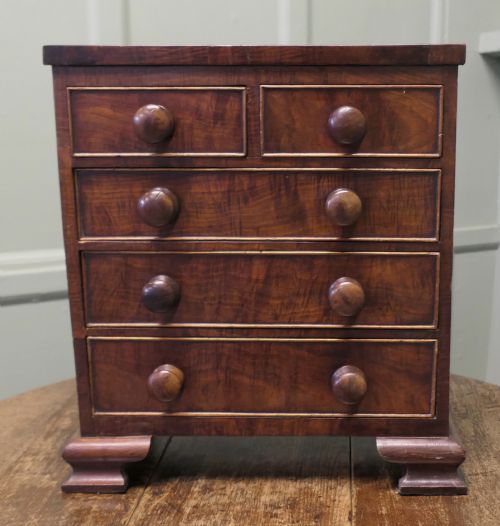
A tiny twenty-centimetre walnut chest waits quietly to hold secrets smaller than itself.
Quality and Proportion
Quality rests in the precision of the joinery, the choice of timber figure such as burr walnut or figured mahogany, and the integrity of the original hardware. Finer examples maintain crisp mouldings and well-balanced proportions that mirror full-scale furniture.
The complexity of the interior arrangement, from multi-drawer apothecary banks to fitted cabinet compartments, also distinguishes standard utility pieces from more ambitious cabinet work.
Luxmore's of Ilfracombe·Heal & Sons·Johnston’s of London
The Tabletop Wooden Drawers Glossary
- Apprentice piece
- A small-scale item demonstrating the advanced skills required for a craftsman to join a trade guild or complete training.
- Toilet mirror
- A small mirror mounted on a pivoting frame above a tabletop base containing one or more small drawers.
- Marquetry
- Decorative veneer patterns formed by fitting together contrasting pieces of wood or other materials.
- Dovetail
- A joint formed by interlocking wedge-shaped fingers, prized for its strength in drawer construction.
Tabletop Wooden Drawers: Frequently Asked Questions
What were tabletop drawers originally used for?
These small chests and cabinets served various specific purposes, from holding medicines and apothecary supplies to storing sewing items, letters, and jewellery.
Many functioned as desktop companions for professionals or as dressing table accessories for personal grooming.
How do I date a wooden tabletop chest?
Dating relies on examining the timber species, construction methods, and secondary woods used inside the drawers, such as pine versus oak.
Style indicators like brass handle design, bracket feet, and veneer choices also help place a piece within periods from the eighteenth century to the early twentieth century.
Are miniature chests actual apprentice pieces?
Some smaller chests reflect the traditional practice of a trainee demonstrating mastery to a guild, though many served simply as decorative miniature furniture for wealthy homes.
Both categories date primarily to the nineteenth century and share the same cabinet-making standards as full-sized furniture.
How should I clean antique wood drawers?
Maintenance requires gentle dusting with a dry cloth to protect the aged surface and original patina from moisture damage.
Occasional applications of appropriate wax feed the timber without dissolving historic finishes or removing accumulated character.