
Tabletop Vanity Mirror Wood
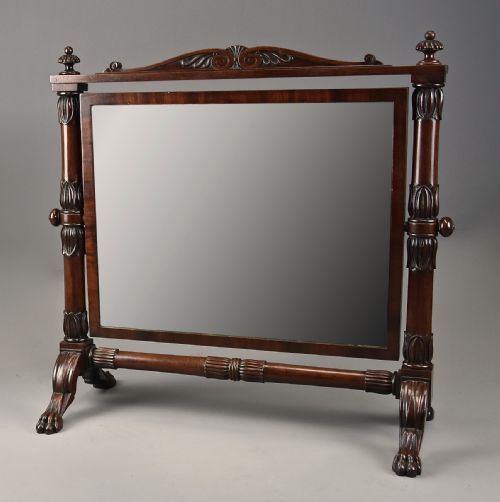
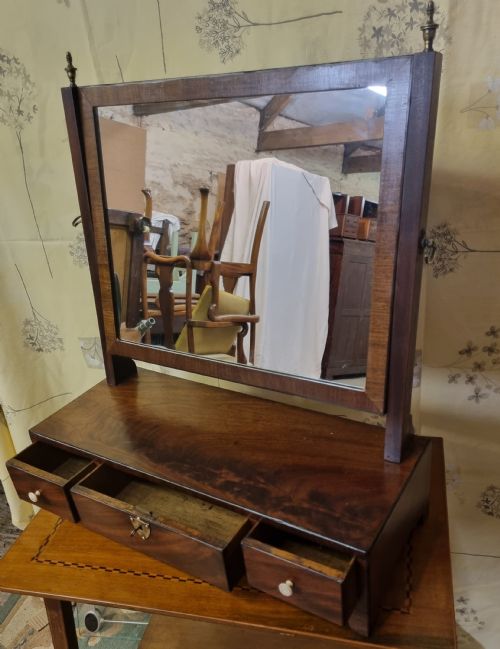
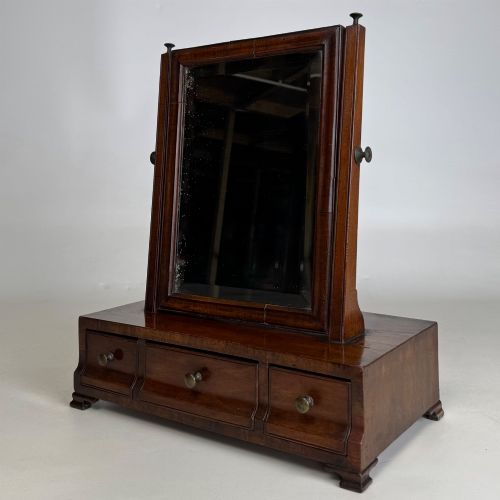
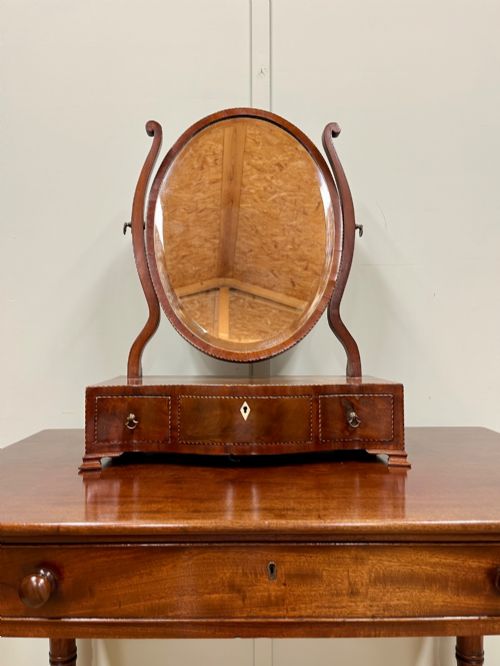
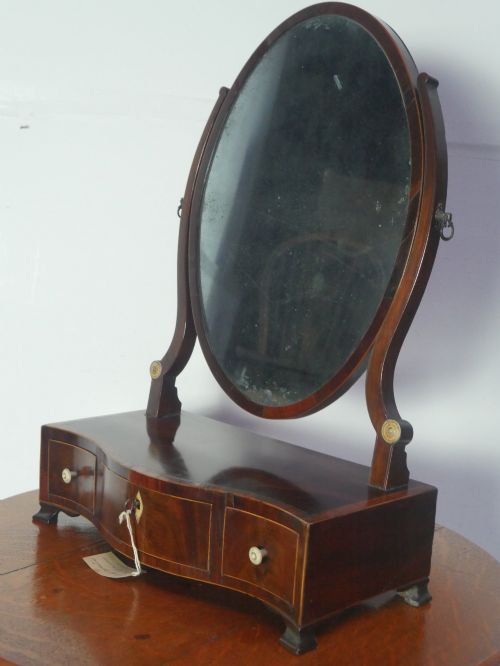
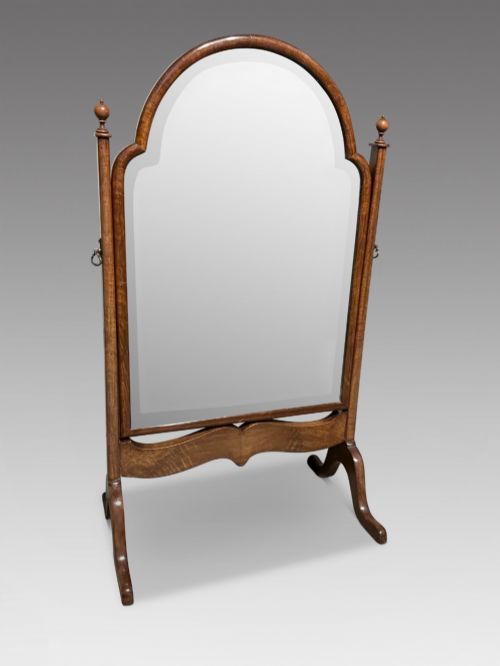
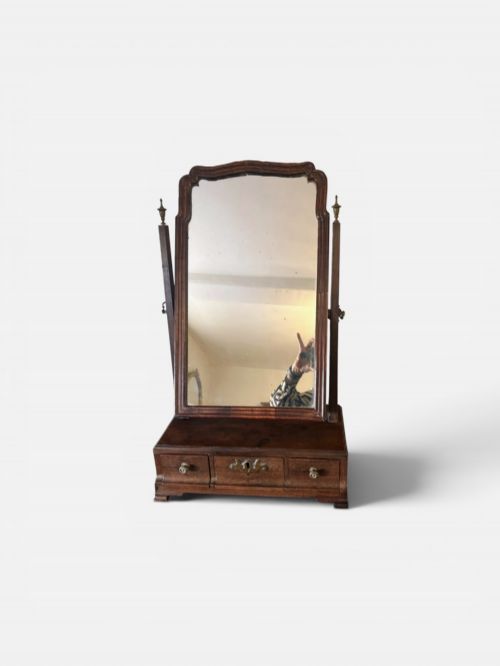
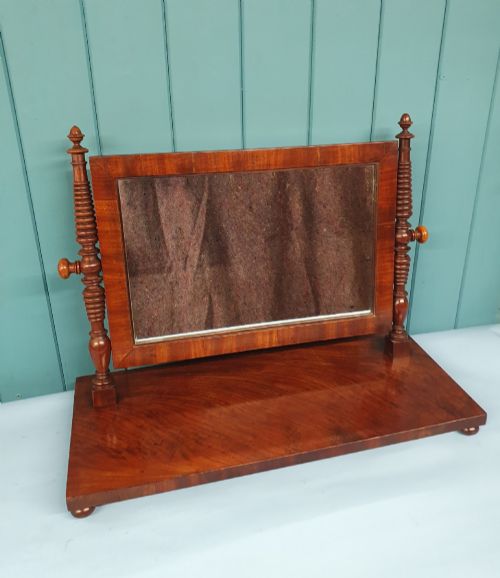
These tabletop vanity mirror wood pieces are portable looking glasses designed for daily grooming, bringing period craftsmanship and warm timber tones to a dressing surface.
Tabletop Vanity Mirror Wood
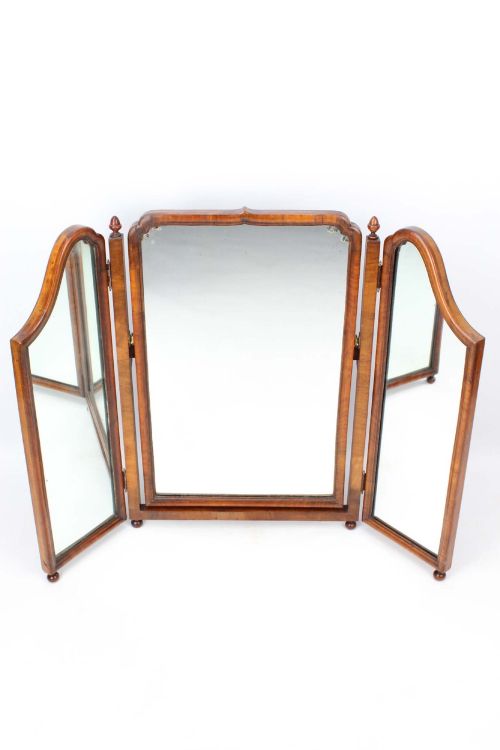
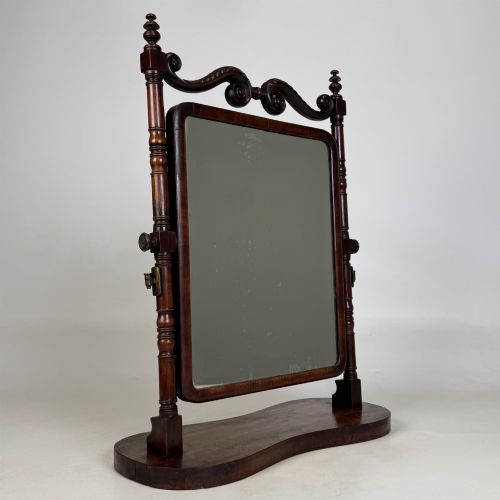
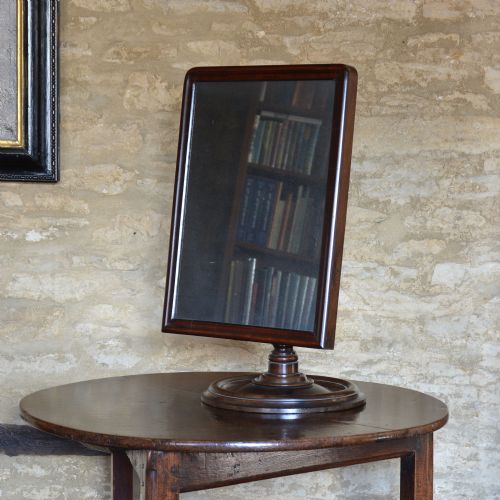
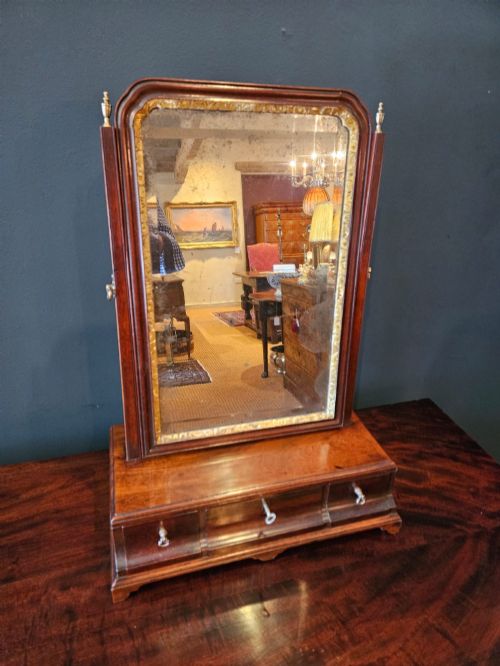
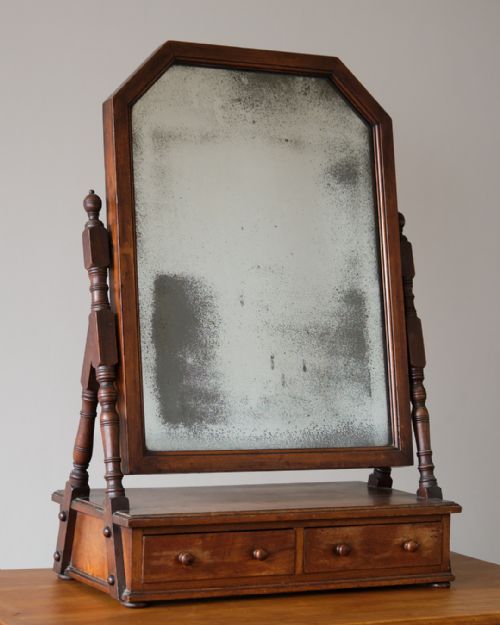
A tabletop vanity mirror wood piece sits upon a chest, table or sideboard, using an adjustable swinging frame to tilt the glass for the user. These objects date across the seventeenth, eighteenth and nineteenth centuries, spanning Georgian, Regency and Victorian periods.
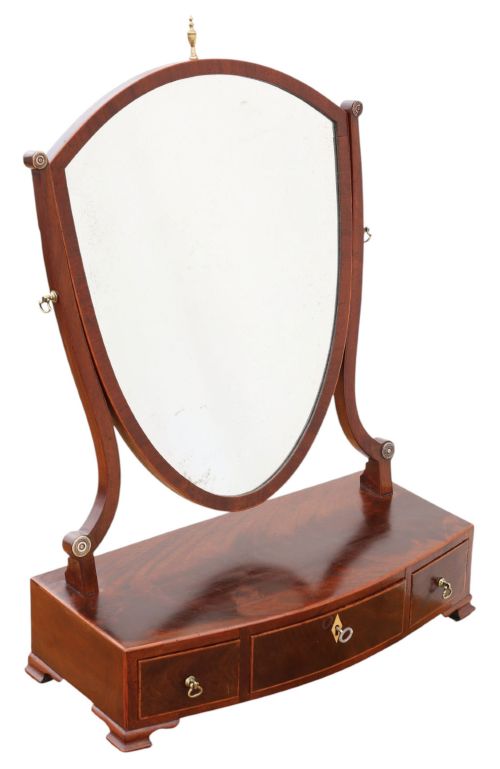
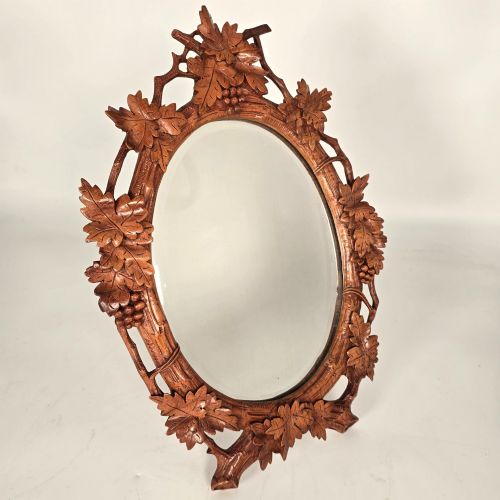
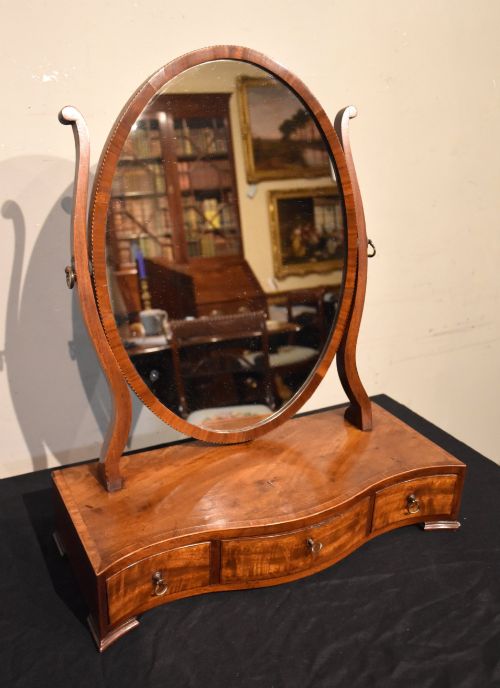
The primary forms found here are dressing table mirrors, toilet mirrors and shaving mirrors, often fitted with small box bases or serpentine drawers. Mahogany is the dominant timber, accompanied by walnut, satinwood, lime wood and giltwood examples.
Makers fashioned these mirrors in various regional British workshops as well as continental centres, producing both plain domestic utilities and decorative crossbanded or inlaid pieces.
Materials and construction
Cabinetmakers constructed the frames and stands from dense hardwoods such as mahogany and walnut, frequently employing fine veneers, boxwood stringing and Dutch marquetry inlay to enrich the exterior surfaces. Timber selection governed the weight and durability of the small box bases that support the pivoting arms.
Silvered mirror glass rests within rebated wooden frames, secured by brass pivot pins or swing screws that permit angle adjustment. Secondary elements include turned bone or ivory handles, brass bracket feet and hand-cut dovetail joints within the miniature drawer compartments.
Mahogany and walnut are the dominant timbers across these listings, accompanied by brass, bone, satinwood and giltwood.
Distinctions in grade
The hierarchy of quality rests upon the crispness of the cabinetwork, the choice of timber figurations such as flame mahogany or burr walnut, and the survival of original brass hardware. Finer examples display meticulous crossbanding, hand-carved mouldings and closely fitted drawer carcases joined with early dovetailing.
Proportion and balance dictate the aesthetic success of a piece, separating workshops that achieved harmonious symmetry from those producing heavier, utilitarian variants. The presence of original mirror glass with natural age oxidation rather than modern replacement adds significant character.
Heal & Sons·P & MA Nicholson
The Tabletop Vanity Mirror Wood Glossary
- Swing mirror
- A looking glass hung on pivots between two upright vertical arms, allowing the plate to tilt back and forth. This arrangement forms the core mechanism of the tabletop vanity mirror wood group.
- Toilet mirror
- A compact dressing glass traditionally placed upon a low table for personal grooming and shaving. These pieces often incorporate small drawers in the base for storage.
- Shield mirror
- An upright looking glass plate shaped like a heraldic shield, popular during the late eighteenth century. The contour curves inward toward a pointed or arched crest.
- Crossbanding
- A decorative border of veneer laid with the grain running perpendicular to the surrounding surface. This technique frames the primary wood panels on high-grade cabinet pieces.
- Marquetry
- The art of forming decorative patterns by fitting together thin slices of various coloured woods and other materials. Dutch makers frequently applied floral marquetry to walnut carcases.
Tabletop Vanity Mirror Wood: Frequently Asked Questions
Where were these mirrors placed?
These looking glasses stood upon dressing tables, chests of drawers or dedicated washstands within bedrooms and dressing rooms. Their compact footprints allowed them to be moved easily to catch the best morning light.
Today, they function well on top of modern sideboards, chests or desks, offering a practical reflective surface while adding period timber texture to a room.
How do I date a mirror?
Dating relies upon timber choice, hardware style, structural joinery and the contour of the frame plate. Eighteenth-century pieces often feature slender uprights and mahogany or walnut veneers with hand-cut dovetails, while Victorian examples tend to be heavier with bolder mouldings.
Examining the backboards, screw types and the bevelling or flatness of the glass plate helps narrow the period of manufacture further.
What is a shaving mirror?
A shaving mirror is a smaller variant of the tabletop dressing glass, designed specifically for facial grooming. They frequently include compact box bases with one or two small drawers to hold razors and soaps.
Some portable campaign versions were built for travel, featuring folding elements or fitted compartments suited to military officers on the move.
Are the mirror plates original?
Mirror glass is fragile and prone to foxing, silver loss or breakage over centuries of use, meaning many surviving frames have received replacement plates at some stage. Replacement glass is often clean and bright, whereas original plates display characteristic dark spots, minor distortion and wave patterns.
Collectors weigh the charm and authenticity of original glass against the clearer reflection provided by a sensitive modern replacement.