


Tabletop Glass Display Cabinet
These tabletop glass display cabinets protect small treasures while keeping them visible from every angle, bringing orderly charm to any room.
Tabletop Glass Display Cabinet
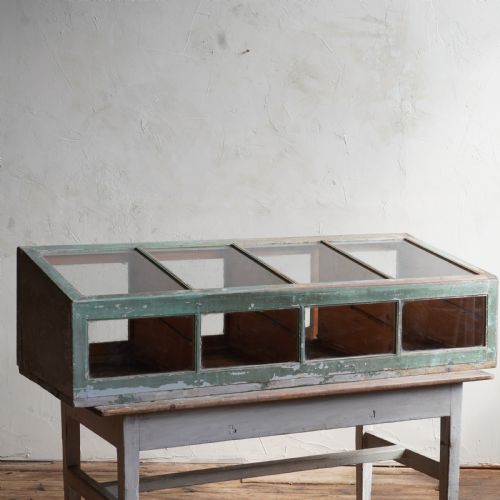
A tabletop glass display cabinet serves to exhibit small collectables, curiosities, and sweet shop goods upon a counter or table. These pieces span from the late nineteenth century through to the Art Deco period of the 1930s.
The assortment on this page includes domestic table cabinets alongside commercial shop counter display cabinets. Buyers will encounter Victorian and Edwardian iterations alongside 1920s and 1930s mercantile cases.
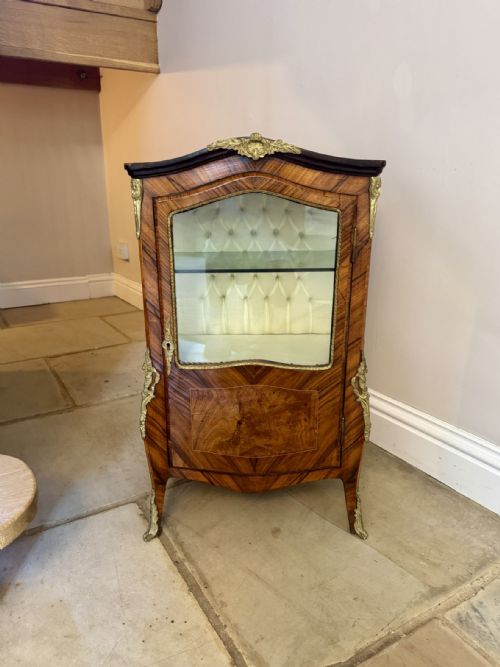
Forms range from petite French walnut boxes and brass jewellery cabinets to large oak shop display cabinets and apothecary units. Many retain direct links to confectionery retailing through period branding.
Materials and construction
Frames rely upon timbers such as mahogany, oak, walnut, kingwood, ebonised wood, and hardwood, paired with structural brass fittings. Glazing provides transparent walls, sometimes backed by internal mirrors.
Interiors frequently feature fabric linings, notably velvet or other textiles, designed to cushion displayed items. Construction methods unite traditional cabinet-making with commercial shop-fitting durability.
Materials represented across the selection include mahogany, oak, walnut, brass, glass, mirror, and velvet.
Assessing quality in display cabinets
Superior examples showcase finer timber selections, such as burr walnut or kingwood, alongside intricate brass mounts and neat joinery. Commercial utility pieces prioritise robust framing to withstand daily retail traffic.
Original elements like glass panels, fabric linings, and authentic sign-written branding elevate a piece above altered or later decorated alternatives. The harmony of proportions and finish distinguishes domestic tabletop cabinets from utilitarian shop counters.
Cadbury·Frys Chocolate
The Tabletop Glass Display Cabinet Glossary
- Countertop
- A descriptive term for a cabinet designed to sit upon a shop counter or household table. These units place merchandise or collections at eye level for standing patrons.
- Burr walnut
- A prized timber veneer exhibiting swirling, knotty grain patterns. Cabinet-makers utilised this material on high-status Victorian pieces to create striking visual depth.
- Ebonised
- Wood treated with a chemical or dye to resemble ebony. This finish gained popularity during the late nineteenth and early twentieth centuries for a sleek aesthetic.
- Kingwood
- A dense, richly coloured exotic timber favoured in fine cabinet-making. It frequently appears alongside walnut on decorative French tabletop pieces.
- Apothecary
- Pertaining to the historic profession of dispensing medicines. Cabinets from this lineage typically feature compartmentalised interiors suited for small phials and botanical specimens.
Tabletop Glass Display Cabinet: Frequently Asked Questions
What were tabletop glass display cabinets used for originally?
These cabinets served dual purposes in both domestic and commercial spheres. Merchants utilised them on shop counters to merchandise confectionery, jewellery, and small wares while protecting stock from dust and handling.
In homes, smaller cases displayed precious curiosities and personal collections. Their transparent construction ensured items remained fully visible to observers.
How do I date a glass display cabinet?
Dating relies upon examining the timber species, construction techniques, and stylistic markers such as Edwardian inlay or Art Deco geometry. Materials like brass fittings and interior velvet linings also offer chronological clues.
Commercial pieces often feature period sign-writing or manufacturer details that anchor them to specific decades like the 1920s or 1930s.
Can I use these cabinets for modern jewellery?
These historical cabinets adapt naturally to housing modern jewellery, watches, and small collectables. Brass and glass frames protect valuables while keeping them organised and visible.
Original fabric linings, such as velvet, provide a soft bed for delicate items. Ensure internal dimensions accommodate the specific pieces you wish to exhibit.
Are shop display cabinets different from domestic ones?
Shop display cabinets generally exhibit sturdier construction and larger proportions to handle commercial environments. Many bear historic brand lettering from confectioners or chemists.
Domestic versions tend to favour decorative timbers like burr walnut and delicate proportions suited to tabletops or sideboards rather than heavy retail counters.