





Table Candle Lustres
Table candle lustres are decorative light-holders designed to catch and refract flame, combining functional candle illumination with dazzling glass prisms.
Table Candle Lustres
Table candle lustres are decorative lighting pieces designed to hold candles while hanging glass prisms amplify the illumination. When you search for table candle lustres, you encounter ornamental forms spanning the Regency, Victorian, and later periods.
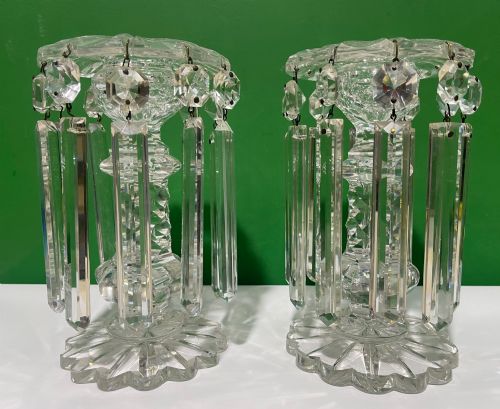
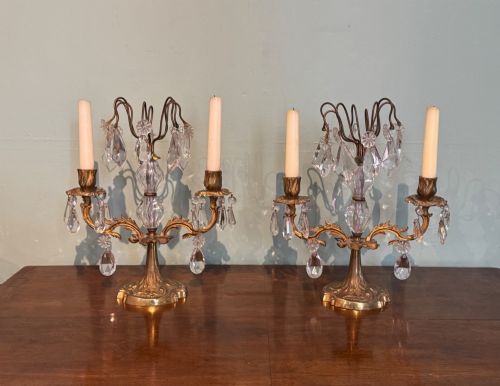
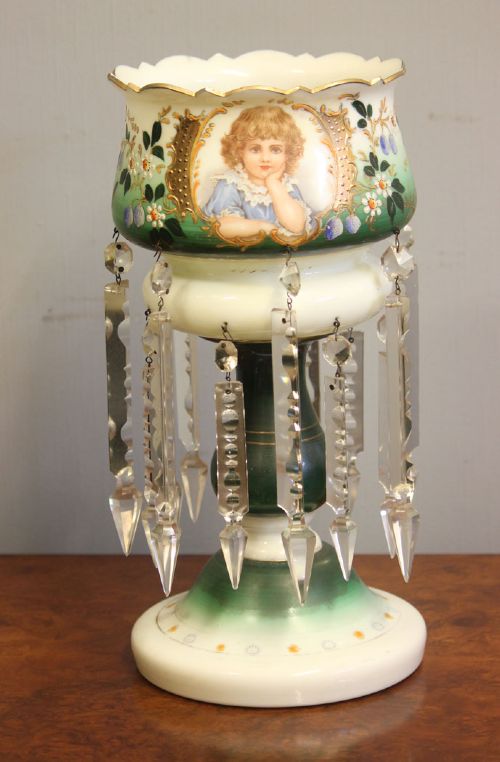
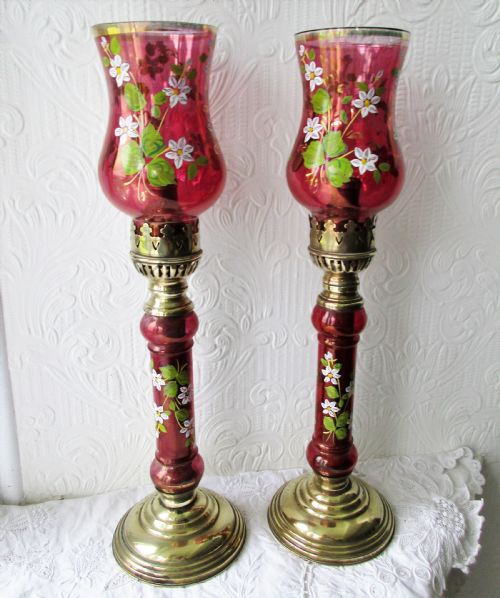
The pieces appearing here include pairs and sets rendered in coloured glass, cut crystal, and gilt metals. Forms range from classical mantle lustres to French cut glass table candelabra and brass candle-lamps.
Victorian examples frequently showcase rich glass colours like ruby and green alongside opal glass. Regency period specimens often feature clear cut glass or bronze and ormolu mounts.
How they were made
Glass is blown and wheel-cut to form the central stem and bowl, then drilled to suspend pendant crystal drops on wire. Metal components utilise cast brass, gilt bronze, and ormolu.
Coloured glass bodies receive metallic oxides during manufacture to achieve deep hues such as ruby or green. Cut glass facets are hand-polished to maximise light refraction from the candles.
Table Candle Lustres Retail Price Guide 2026
Typical asking prices for table candle lustres among the pieces listed under this phrase on Sellingantiques today, from the lower quarter to the upper quarter. They describe what is for sale here now, not the wider market.
Victorian green glass lustres were designed to make flickering candle flames look like glowing emerald fireflies.
What varies in quality
Quality rests upon the depth of the glass cutting and the clarity of the crystal drops. Hand-polished facets catch the light sharply, whereas softer moulding produces a duller reflection.
Mounts in gilt bronze or ormolu display crisper chasing and heavier metalwork on superior examples. The presence of a matching set of original prismatic drops distinguishes finer pieces from assembled replacements.
The Table Candle Lustres Glossary
- Lustre
- A decorative candlestick or candelabra fitted with glass pendants that refract candlelight. These hanging prisms are the defining feature of the form.
- Prism
- A cut glass pendant suspended from the rim of a lustre to catch and scatter light. They are often almond or spear-shaped.
- Ormolu
- Gilt bronze mounted on decorative metalwork, popular in Regency and French pieces. The technique involves applying a gold amalgam to bronze.
- Opaline
- An opaque or translucent glass developed in France during the nineteenth century. It often appears in soft pastel or white shades on table pieces.
Table Candle Lustres: Frequently Asked Questions
What is a table candle lustre?
A table candle lustre is an ornamental candle-holder hung with cut glass pendants designed to refract light. They sat on dining tables, sideboards, and mantels to enhance illumination before electric lighting.
These pieces combine a central candle socket with a ring of hanging crystal prisms. The reflected candlelight created a sparkling display in nineteenth-century interiors.
How do I date a lustre?
Dating relies on stylistic clues, glass colours, and metal types. Regency pieces often feature clear cut glass and bronze mounts, while Victorian examples lean towards vibrant ruby or green glass.
Form also provides evidence, as French Rococo Revival styles and William IV proportions follow distinct design rules. Examining the cut of the glass helps separate eighteenth-century traditions from later nineteenth-century manufacturing.
Were lustres used for dining?
Table lustres provided ambient lighting for dining rooms and drawing rooms. Placed on side tables or central surfaces, their prisms multiplied the flicker of wax candles.
They were decorative status items as much as functional light sources. The hanging glass drops caught the light of the room to brighten formal spaces.
Can I replace missing glass drops?
Replacement prisms can be sourced to match older lustres, though finding exact period cuts takes patience. Match the glass clarity and collar size of the original pendants.
Many surviving pieces have experienced losses among their hanging drops over the decades. Matching the pin style and glass weight keeps the piece visually balanced.