

Swivelling Dress Mirror
A swivelling dress mirror offers practical reflection and polished timber elegance, pivoting to suit any angle in the bedroom.
Swivelling Dress Mirror
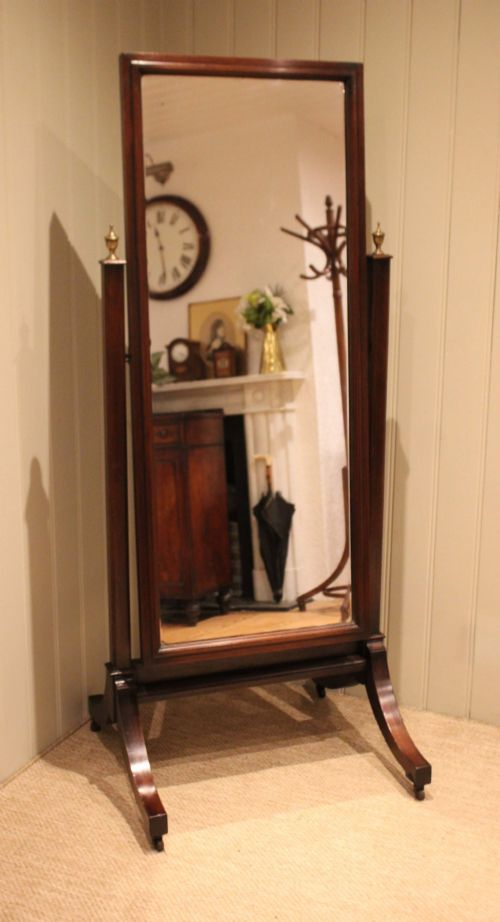
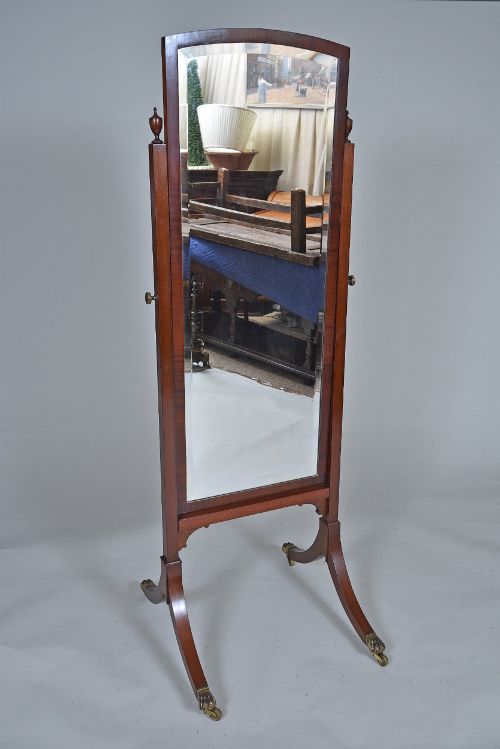
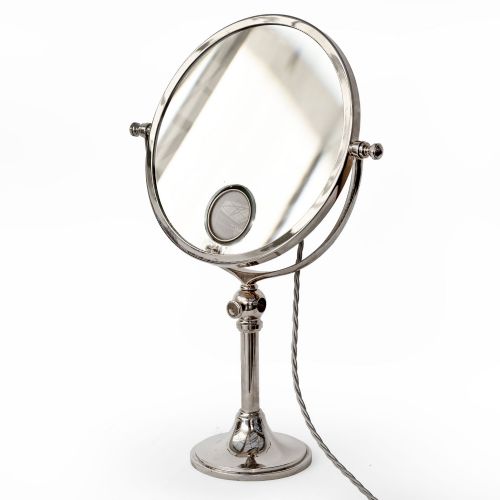
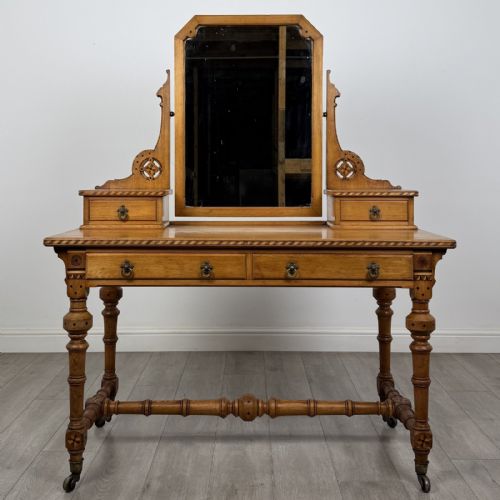
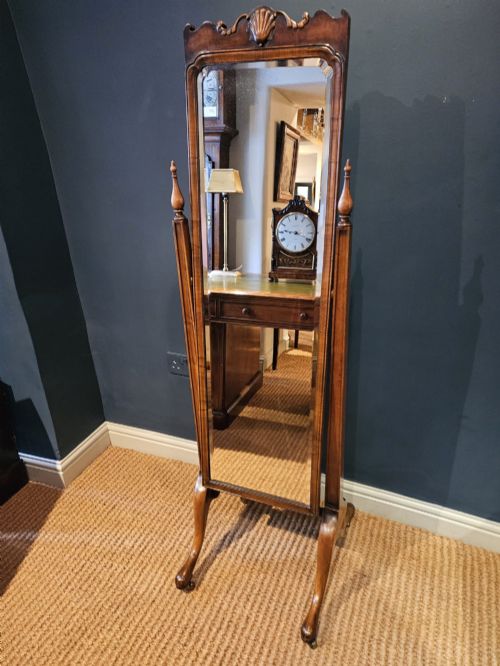
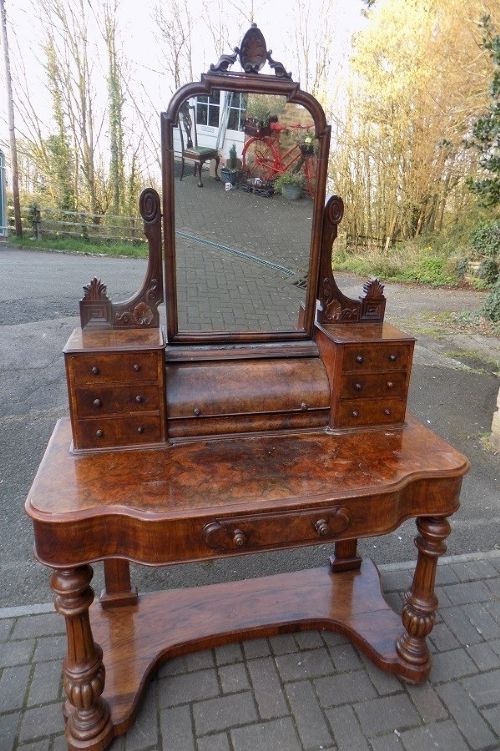
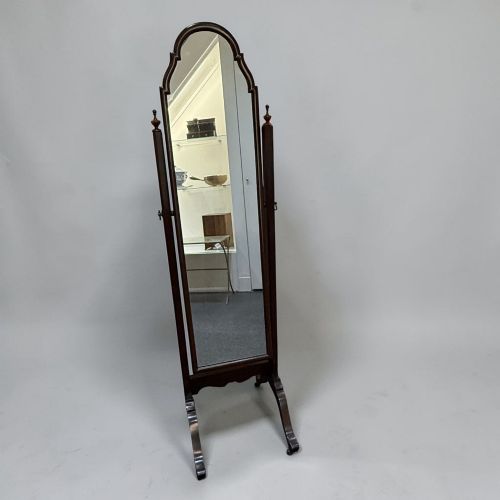
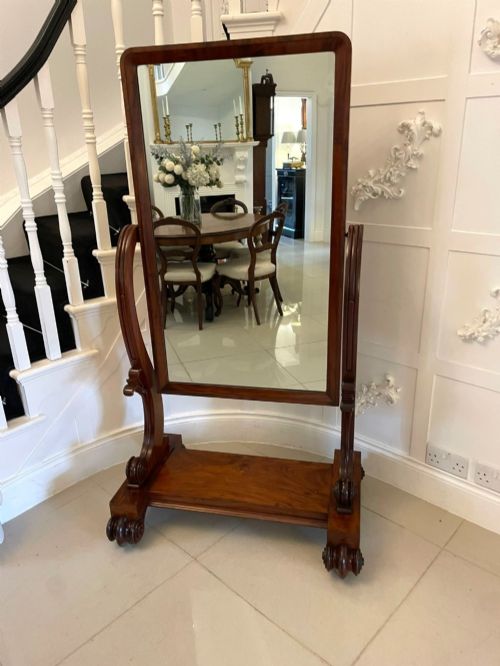
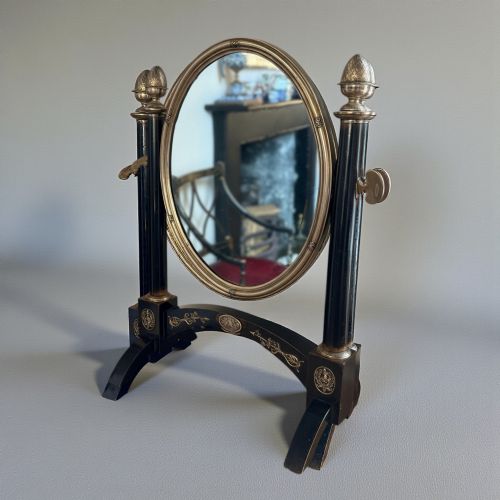
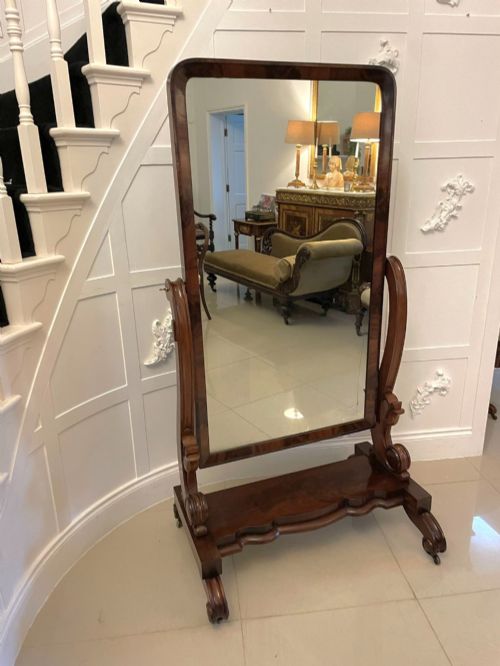
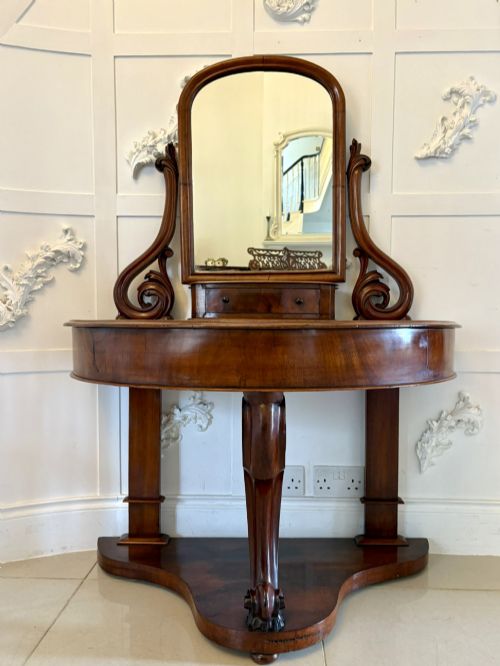
When searching for a swivelling dress mirror, buyers encounter a variety of forms designed for personal grooming, ranging from large cheval mirrors that stand on the floor to smaller table-top toilet and dressing table mirrors. These items span multiple periods including the Georgian, Victorian, Edwardian, and Art Deco eras, reflecting shifting domestic habits.
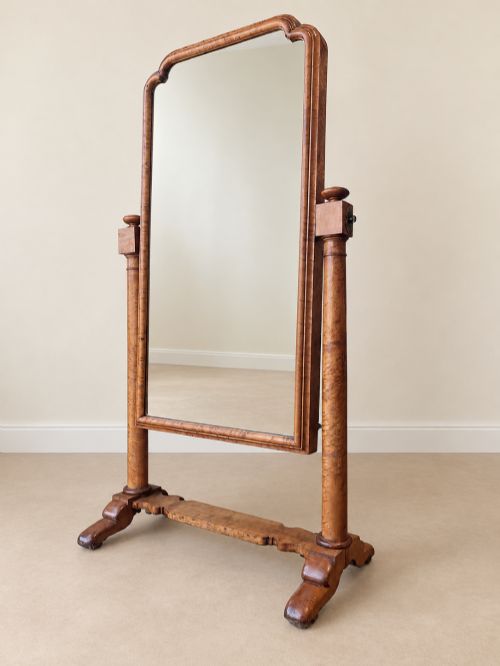
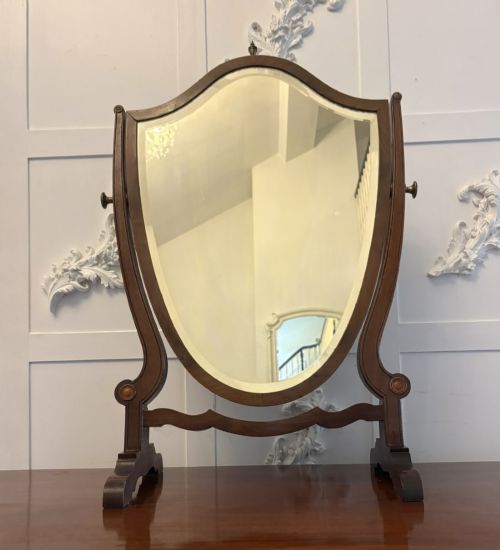
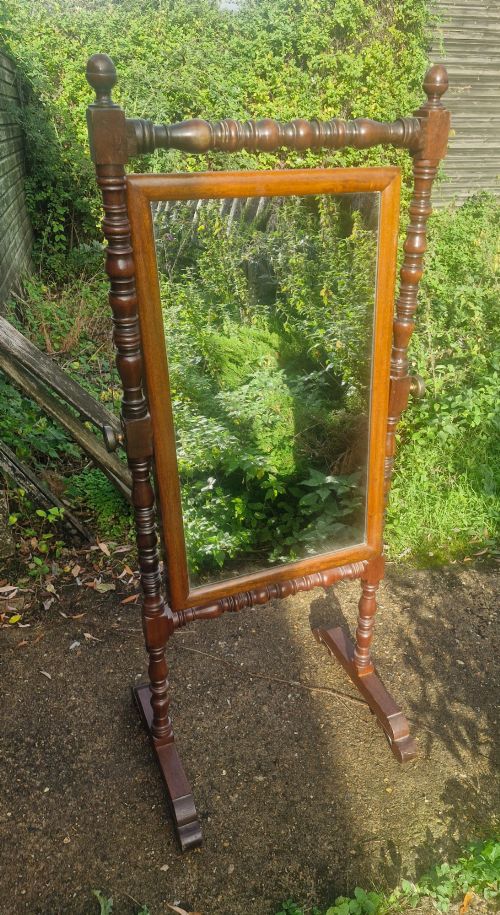
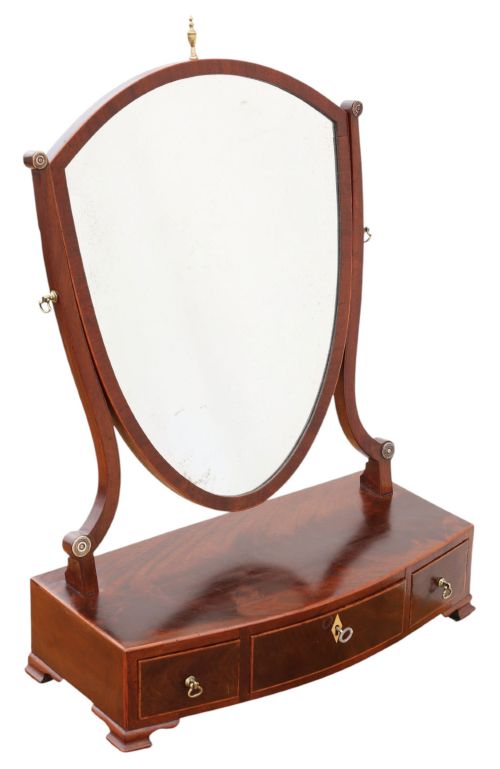
The most common formats on this page are mahogany table-top swing mirrors and full-length cheval mirrors supported on frames with pivoting mechanisms. Examples extend from compact 18th-century shield-shaped designs to substantial 19th-century specimens featuring barley twist supports or burr walnut finishes.
Materials and Construction Techniques
Cabinetmakers relied heavily on rich timbers such as mahogany, walnut, burr walnut, and oak, often shaping the glass into rectangular, oval, or shield configurations. Frames were constructed using traditional joinery and mounted on pivoting pivots or stands.
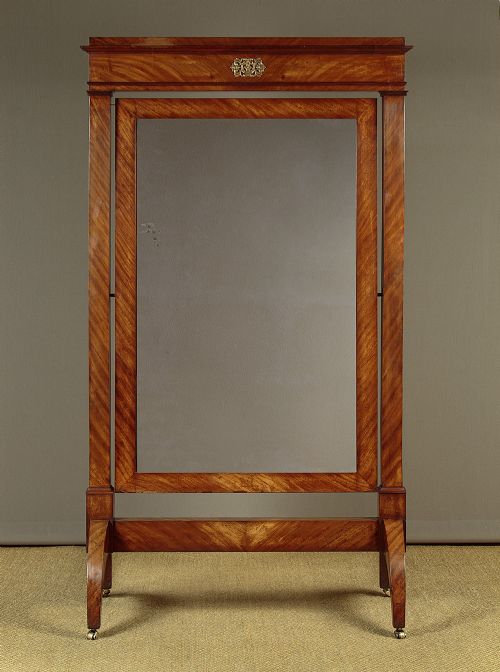
Metal components also played a structural and decorative role, with brass, nickel plating, or cast bronze utilised for hinges, brackets, and adjustable arms, alongside occasional ormolu mounts on French Empire pieces.
Swivelling Dress Mirror Retail Price Guide 2026
Typical asking prices for swivelling dress mirror among the pieces listed under this phrase on Sellingantiques today, from the lower quarter to the upper quarter. They describe what is for sale here now, not the wider market.
Listings feature woods such as mahogany, burr walnut, oak, and satin birch, alongside glass, brass, bone, and mirror glass.
Distinctions in Craftsmanship
Superior quality in a swivelling dress mirror is determined by the selection of figured timber veneers, such as burr walnut or finely grained mahogany, and the precision of the turning on supports like barley twists. Finer pieces demonstrate robust frame construction that maintains tension on the pivoting pins without sagging.
The clarity and weight of the glass plate, alongside the refinement of brass hardware and edge moulding, distinguish standard utility items from exceptional workshop productions.
Heal & Sons
The Swivelling Dress Mirror Glossary
- Cheval mirror
- A large, full-length dressing mirror suspended in a standing frame that allows the glass to pivot entirely.
- Swing mirror
- A mirror plate hung on horizontal pivots within a vertical frame or stand, enabling the angle of reflection to be adjusted.
- Shield mirror
- A dressing mirror featuring a glass plate shaped like a heraldic shield, popular during the Georgian period.
- Toilet mirror
- A smaller tabletop glass designed to sit upon a chest of drawers or dressing table for close grooming.
Swivelling Dress Mirror: Frequently Asked Questions
What is the difference between a cheval mirror and a toilet mirror?
A cheval mirror is a full-length glass mounted within a freestanding floor frame, allowing a person to view their entire outfit.
A toilet mirror is a smaller version designed to rest on top of a dressing table or chest of drawers for upper-body reflection.
How do these mirrors pivot?
The mirror plate is hung between two vertical upright posts using metal pins or screw pivots inserted into the sides of the frame.
This mechanism allows the glass to tilt smoothly back and forth to the preferred viewing angle.
Where were these placed in a room?
Smaller swing mirrors were typically positioned on dressing tables or washstands in bedrooms to assist with daily grooming and styling.
Larger cheval mirrors stood directly on the floor in dressing rooms or bedrooms to provide a complete view.
How can I identify the period of a mirror?
Dating relies on observing the timber choice, such as mahogany in Georgian and Victorian eras or satin birch and oak in later periods.
Form also guides attribution, from 18th-century shield shapes to Edwardian frames and 1930s nickel-plated adjustable designs.