
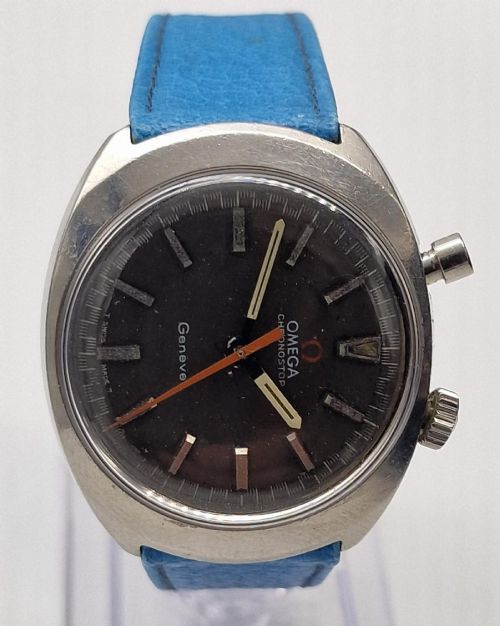
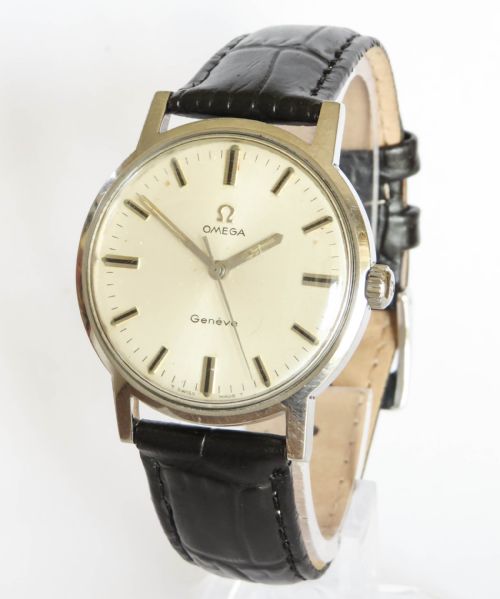
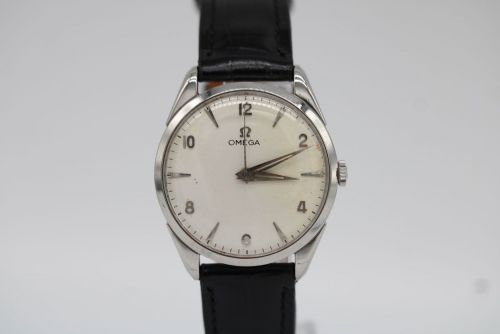
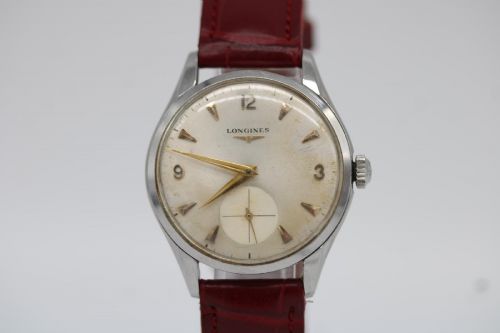
Swiss Manual Wind Watch
A swiss manual wind watch offers a direct physical connection to mechanical timekeeping through hand-wound movements housed in vintage cases.
Swiss Manual Wind Watch
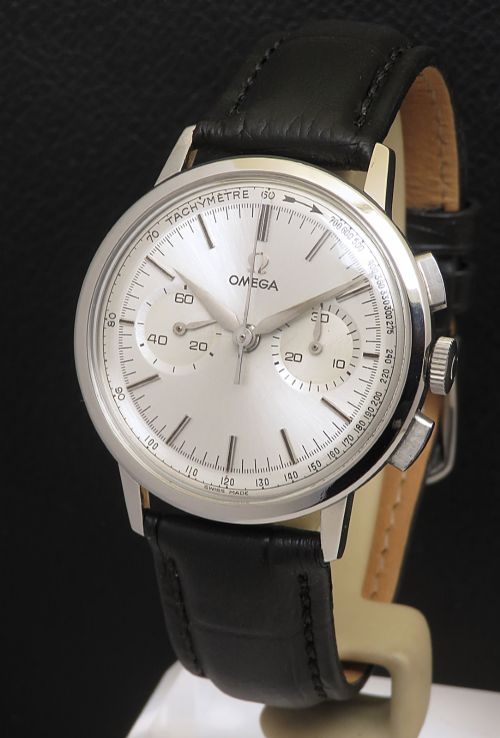
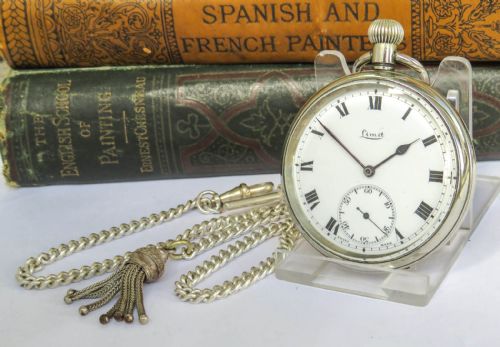
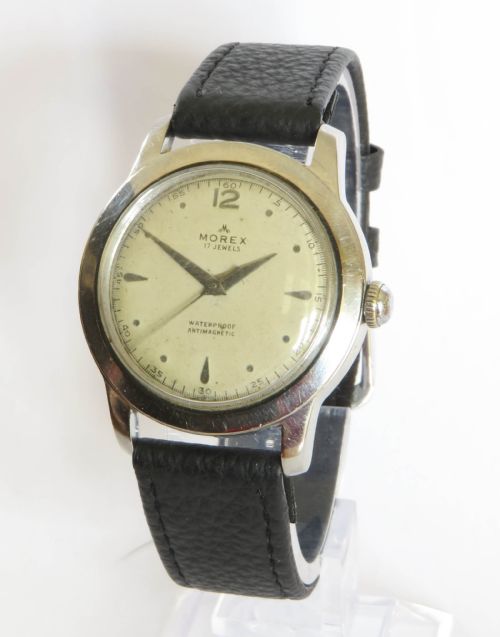
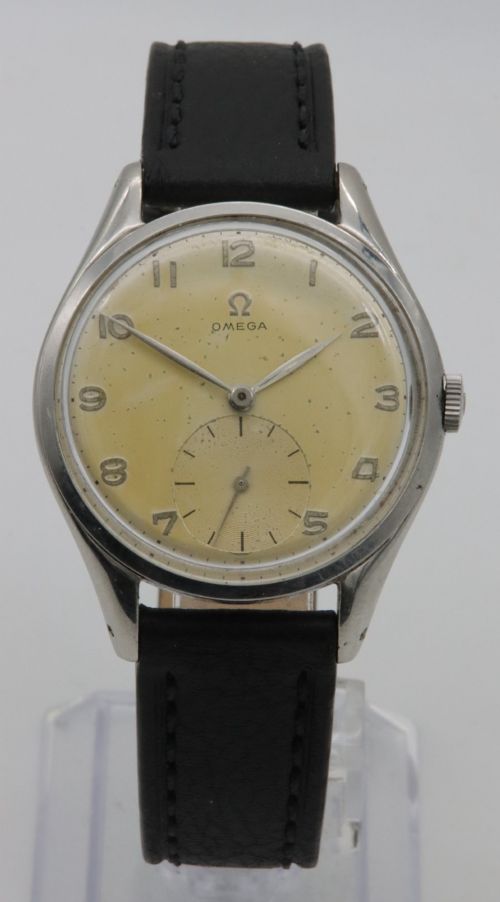
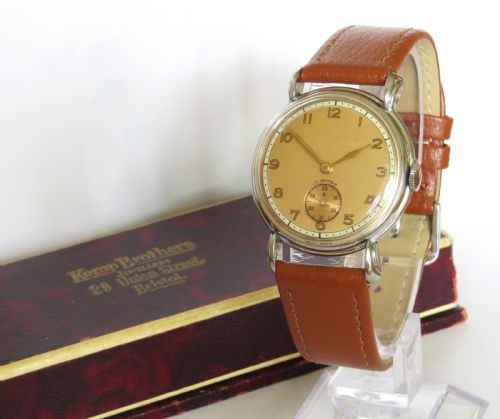
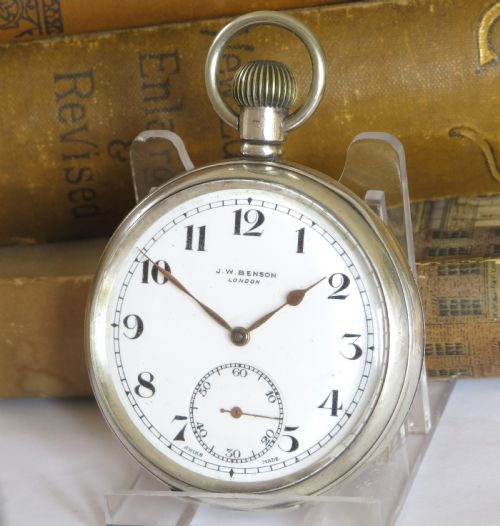
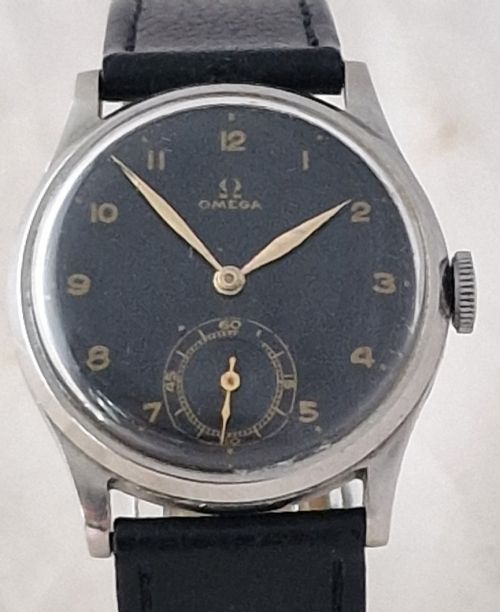
A swiss manual wind watch encompasses both wristwatches and pocket watches driven by hand-wound mechanical movements rather than automatic rotors or batteries. These pieces range from early twentieth-century pocket watches to mid-century modern wristwatches.
The selections span distinct periods including Edwardian, Art Deco, and the 1940s and 1950s, reflecting changing tastes in case design and dial layouts.
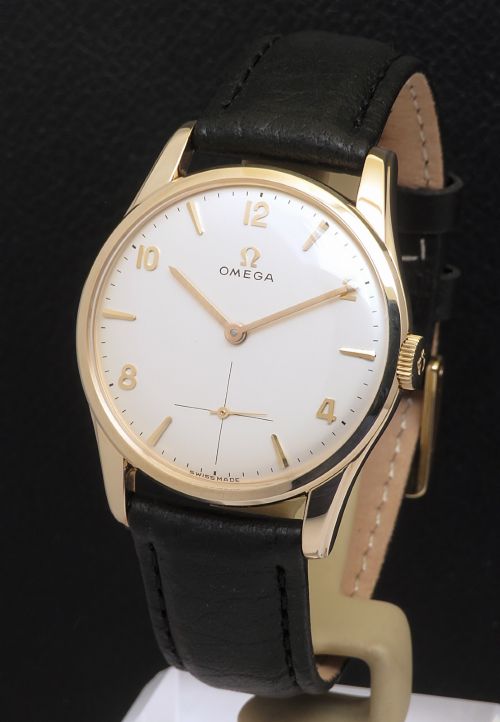
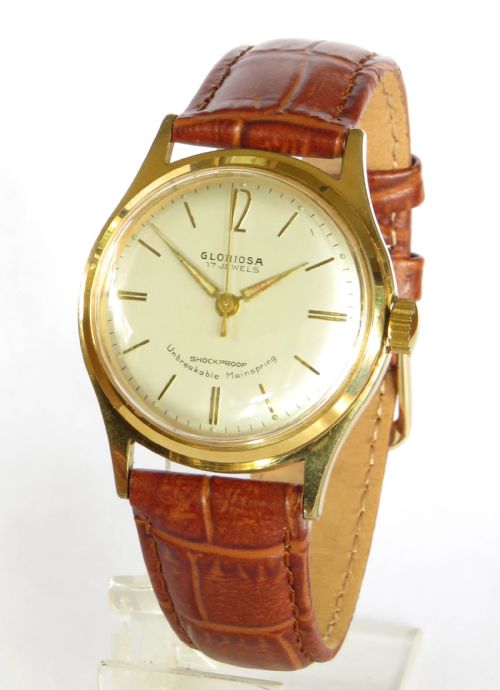
Wristwatches dominate the selection, appearing in stainless steel, solid 9ct gold, and gold plate, often paired with leather straps and glass or acrylic crystals.
Materials and Construction
Watchmakers utilised robust metals such as stainless steel and solid 9ct gold for cases, alongside gold-plated variants and silver for pocket watches.
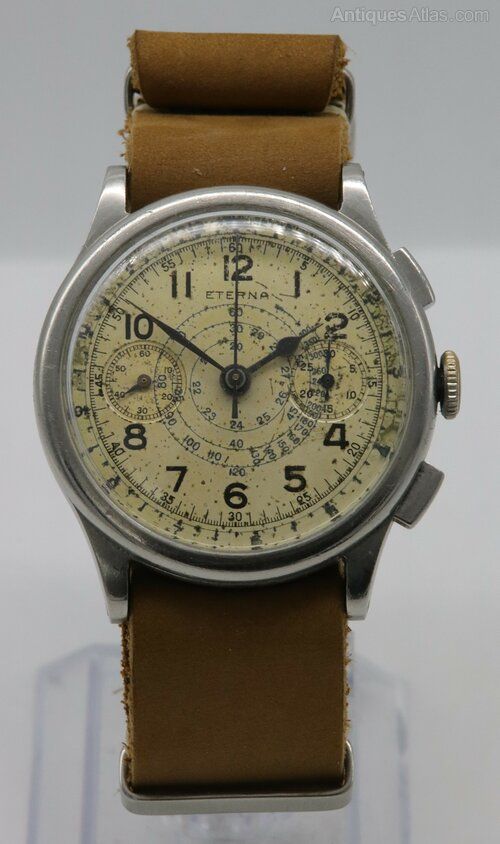
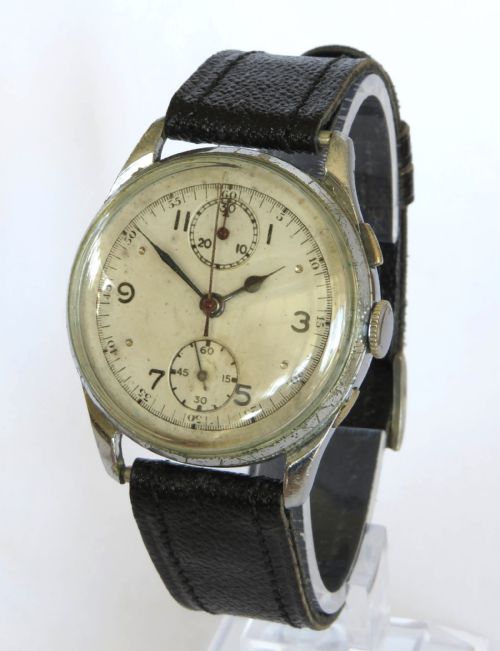
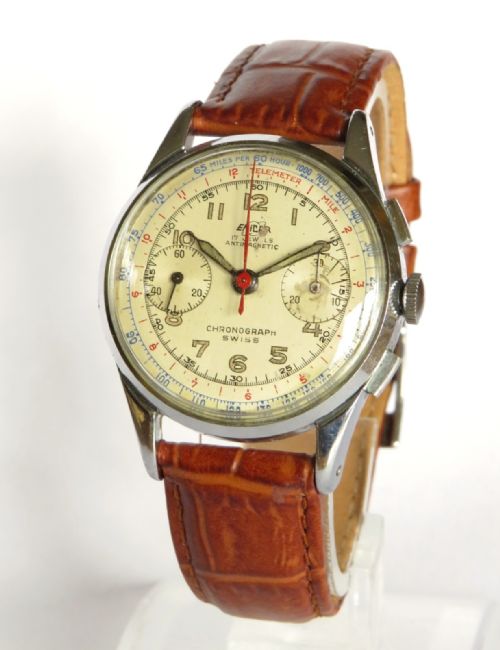
Dials frequently incorporate enamel work, distinct numerals, and specialised configurations like chronograph sub-dials or panda layouts.
Movements are protected by glass or acrylic glass crystals, while straps are commonly fashioned from leather to complete the traditional wear.
Drivers editions feature rotated dials so motorists could read the time effortlessly while keeping both hands firmly on the steering wheel.
Judging Quality and Preservation
Distinction across the range rests on the originality of components, such as factory dials and signed movements, compared to replacement parts.
The integrity of the case finishing and the precision of the hand-wound caliber dictate the mechanical standard of each timepiece.
Preservation of dial details, case hallmarks, and overall structural crispness separate standard examples from finer collector pieces.
Omega·Longines·Cyma·Eterna·Rolex·Breitling·Tudor·Zenith·Doxa·Enicar·Girard Perregaux·Certina
The Swiss Manual Wind Watch Glossary
- Manual wind
- A mechanical watch movement that requires the wearer to manually turn the crown to tension the mainspring. This eliminates the need for batteries or automatic weighting rotors.
- Calibre
- The specific manufacturer's designation for a particular watch movement design. Collectors use this number to identify the exact mechanical interior.
- Chronograph
- A watch equipped with a stopwatch function alongside the standard timekeeping display. These often feature auxiliary sub-dials on the face.
- Panda dial
- A watch dial design featuring contrasting sub-dials against a lighter main background, resembling the face of a panda. This style gained popularity during the mid-century period.
- Acrylic glass
- A lightweight, shatter-resistant plastic material utilised for watch crystals before the widespread adoption of synthetic sapphire. It can be polished to remove surface scratches.
Swiss Manual Wind Watch: Frequently Asked Questions
How do I wind a manual watch?
Gently rotate the crown clockwise between your thumb and forefinger until you feel firm resistance. Stop immediately at that point to avoid over-winding and damaging the mainspring.
Establish a consistent daily routine for winding, ideally at the same time each morning, to maintain steady tension and accurate timekeeping throughout the day.
Are these watches water resistant?
Vintage manual wind models lack modern rubber gaskets and screw-down crowns. Exposure to moisture, rain, or humidity can easily compromise the internal mechanical movement.
Keep these timepieces away from water entirely. Remove them before washing hands, swimming, or engaging in any activity involving liquids.
How often should a vintage watch be serviced?
Mechanical movements require periodic cleaning and fresh lubrication to prevent friction wear on metal gears. A professional service every three to five years ensures longevity.
During a service, a watchmaker dismantles the movement, cleans the components, replaces worn parts, and calibrates the timing for optimal accuracy.
Can I wear a vintage watch daily?
Many collectors wear these pieces regularly, provided the watch has been recently serviced and checked for basic mechanical reliability. Care must be taken around physical impacts and magnetic fields.
Treat the vintage case and acrylic crystal with gentle consideration, avoiding harsh environments, sports, or heavy manual labour while wearing the watch.