



Swiss Made Dress Watch
A swiss made dress watch represents precision timekeeping, offering reliable mechanical movement and classic styling spanning from the 1920s to the 1960s.
Swiss Made Dress Watch
A swiss made dress watch encompasses both gents wristwatches and pocket watches originating from the 1920s, 1930s, 1940s, 1950s, and 1960s. Buyers searching this phrase encounter mechanical timepieces styled in Art Deco, Mid-Century Modern, and 1940s vintage designs.
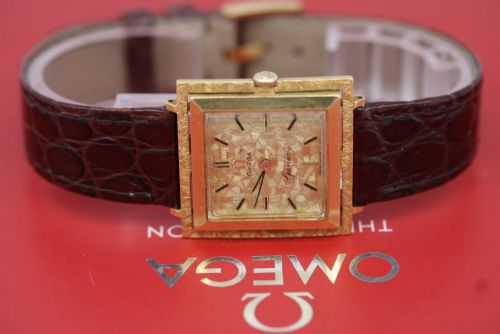
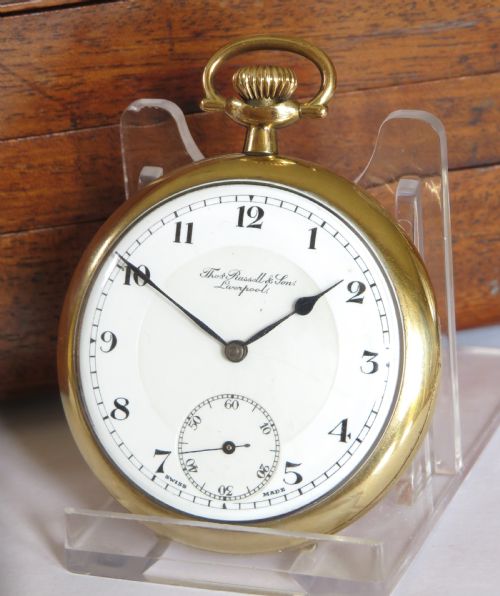
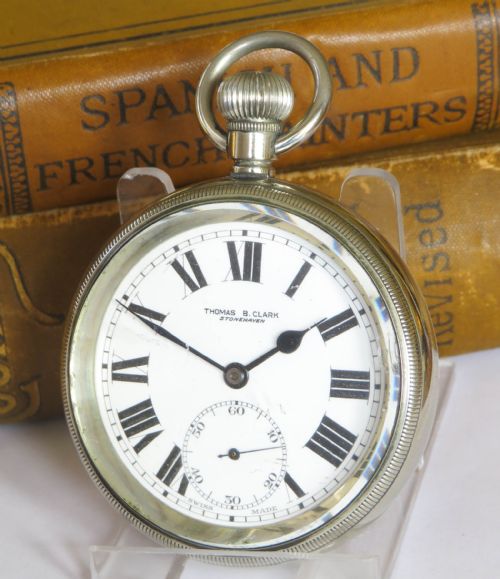
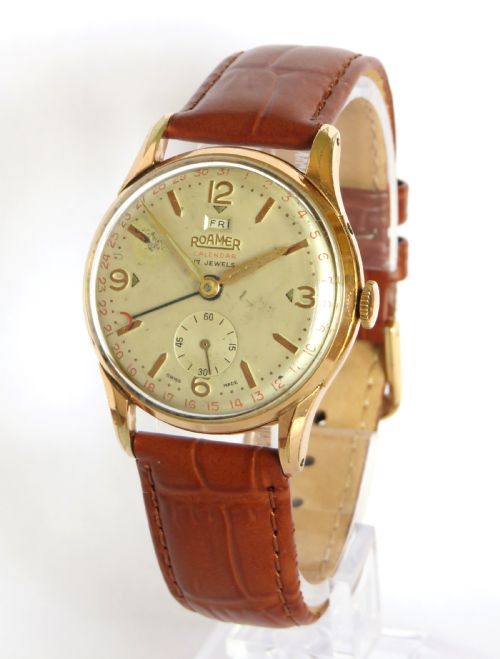
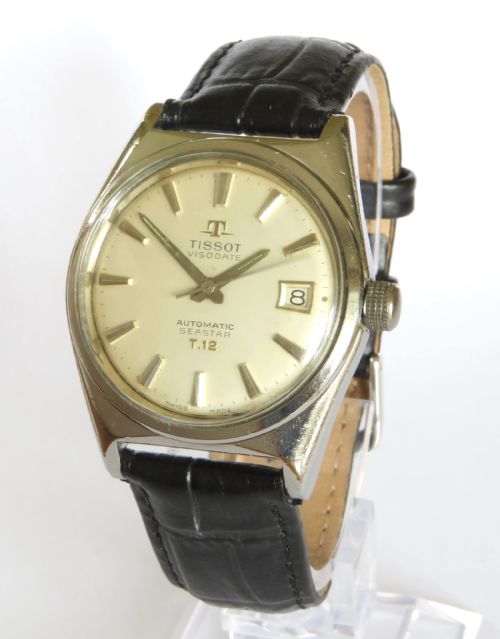
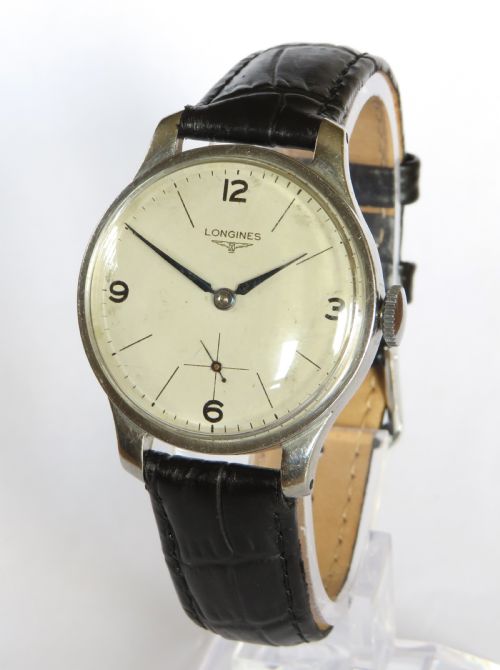
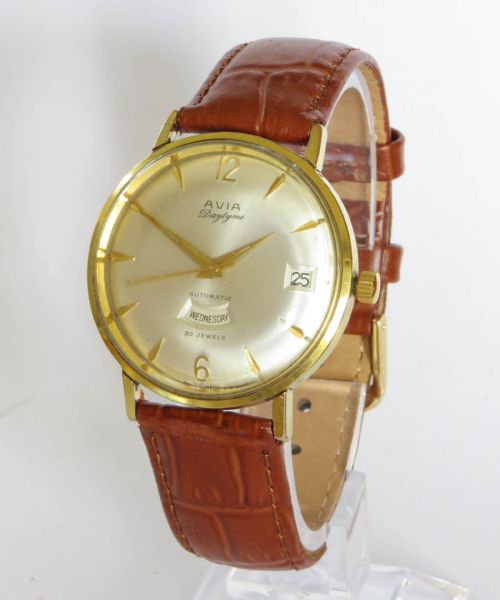
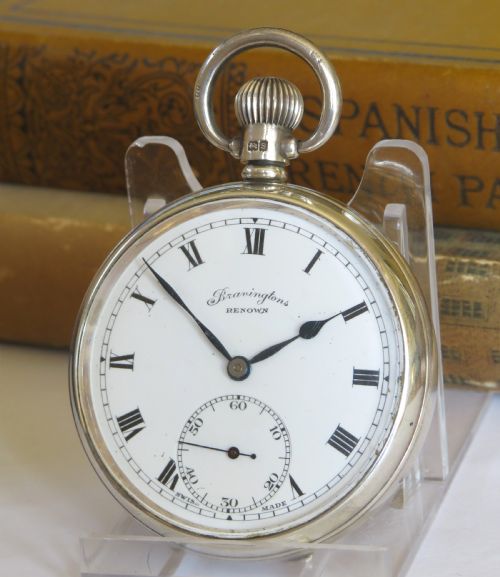
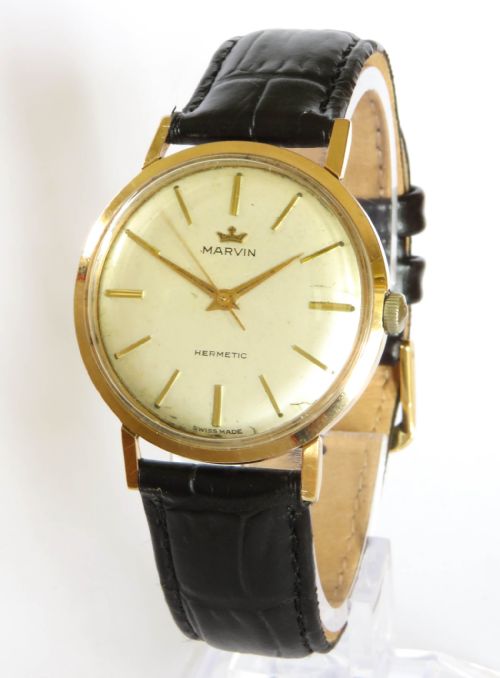
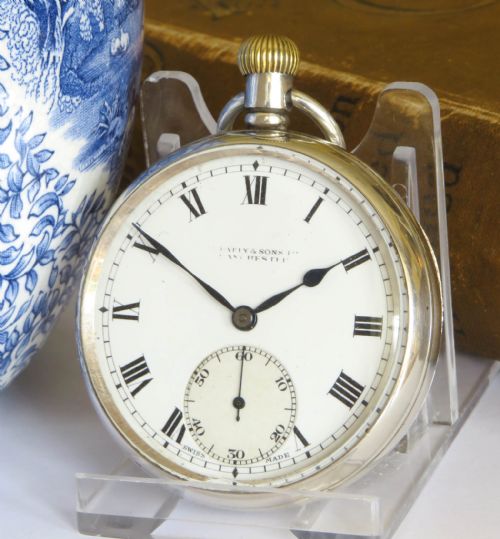
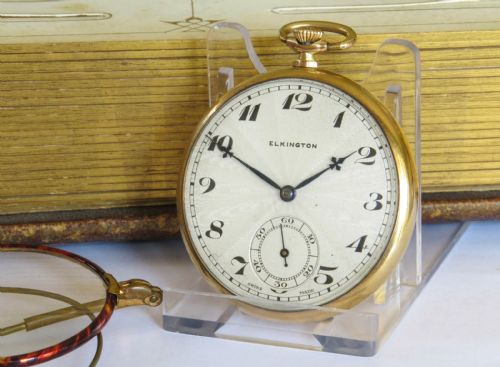
Wristwatches dominate the selection, featuring automatic movements, calendar functions, and day-date displays from makers such as Omega, Longines, Eterna, and Tissot. Pocket watches also appear frequently, including open faced designs paired with chains or alberts.
The material composition varies across the decades, utilising stainless steel, gold plate, solid gold, silver, and brass alongside leather straps and glass crystals.
Materials and Construction
Cases combine metals such as stainless steel, brass, silver, and solid gold or gold plate, paired with glass or acrylic crystals to protect the dial. Movements integrate mechanical components housed within these metallic cases, sometimes featuring enamel dial details.
Straps utilise leather for wristwatches, while pocket watches connect to metal chains or alberts. Construction methods span from 1920s pocket watch assemblies to 1950s and 1960s automatic wristwatch calibres.
Swiss Made Dress Watch Retail Price Guide 2026
Typical asking prices for swiss made dress watch among the pieces listed under this phrase on Sellingantiques today, from the lower quarter to the upper quarter. They describe what is for sale here now, not the wider market.
Some models proudly display their calendar wheels and day windows, ensuring nobody accidentally arrives on a Tuesday.
Quality and Manufacture
The standard of a swiss made dress watch depends on the sophistication of its movement, such as automatic mechanisms or jewelled configurations like 15-jewel and 17-jewel calibres. Material choice dictates the tier of the piece, with solid gold cases and signed movements by established makers sitting above gold-plated or standard brass variations.
Design execution separates standard production from elevated examples, seen in distinct styles like Mid-Century Modern or Art Deco geometry and robust complications including calendar and day-date displays.
Thomas Russell and Son·Eterna Matic·Roamer·Avia DayTyme·Elkington·Marvin Hermetic·Tissot Visodate Seastar·Vertex·Bravingtons Renown·Longines·Rotary·Consul·Lanco·Ensign·Helvetia·Enicar·Felca·Omega·Garrard·Aster·Monte Ancre
The Swiss Made Dress Watch Glossary
- Automatic
- A self-winding mechanical movement that uses the natural motion of the wearer's wrist to power the watch.
- Calibre
- The specific internal movement mechanism or model created by the watch manufacturer.
- Open faced
- A pocket watch design that lacks a metal hinged cover over the dial, allowing the time to be read instantly.
- Albert
- A short chain attached to a pocket watch, designed to secure the timepiece to a waistcoat or jacket buttonhole.
Swiss Made Dress Watch: Frequently Asked Questions
What is a swiss made dress watch?
It is a mechanical timepiece originating from Switzerland, designed primarily for formal or daily wear across the 1920s to 1960s.
These pieces include both wristwatches and pocket watches produced in styles ranging from Art Deco to Mid-Century Modern.
How do I wear a pocket watch?
Pocket watches are traditionally paired with a chain or albert and secured inside a waistcoat or jacket pocket.
The open faced designs allow the wearer to view the dial immediately without opening a protective hunter case.
What materials were used?
Cases utilise stainless steel, brass, silver, gold plate, and solid gold alongside glass or acrylic crystals.
Wristwatches typically secure to the wrist with leather straps, while pocket watches connect via metal chains.
How do I identify the period?
Periods are identified through design aesthetics such as Art Deco geometry in the 1920s and 1930s or Mid-Century Modern forms in the 1950s and 1960s.
Case materials, dial layouts, and movement types like automatic calibres also help narrow down the decade of production.