

Swing Mirror Stand
A swing mirror stand offers a practical and pivoting glass surface, spanning compact tabletop dressing mirrors to grand floor-standing cheval designs.
Swing Mirror Stand
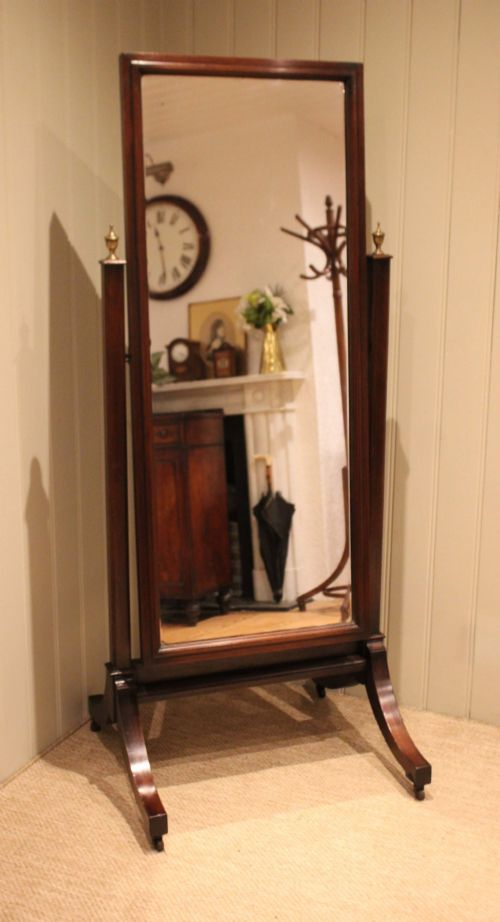
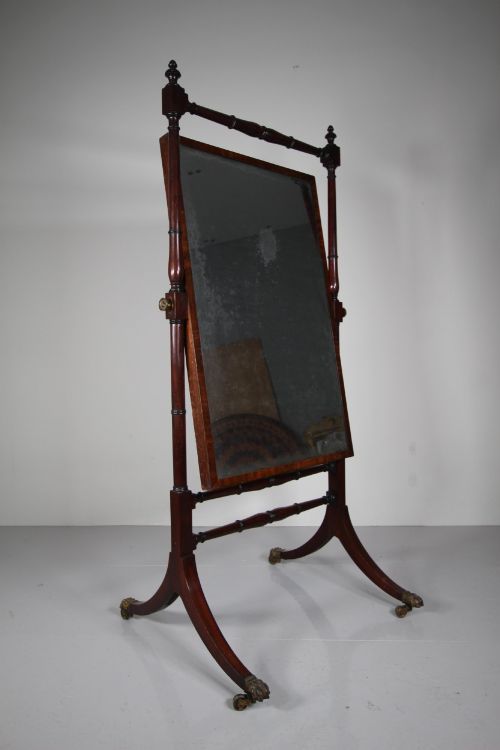
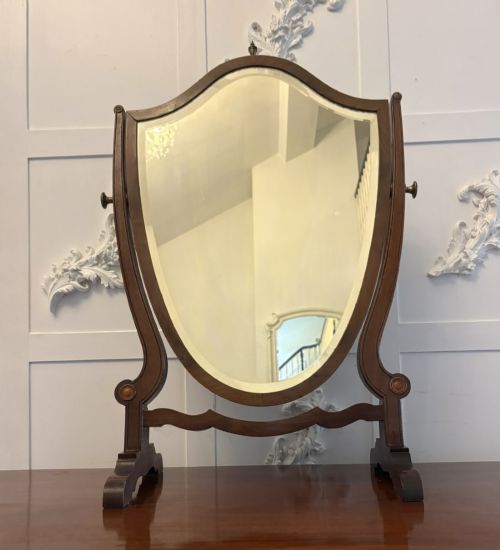
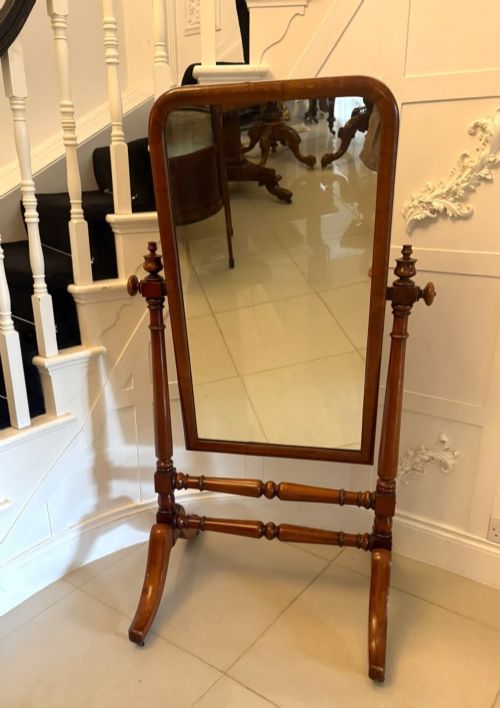
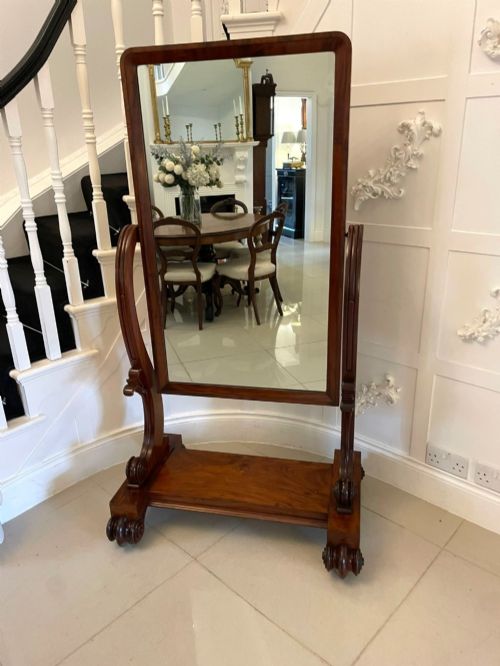
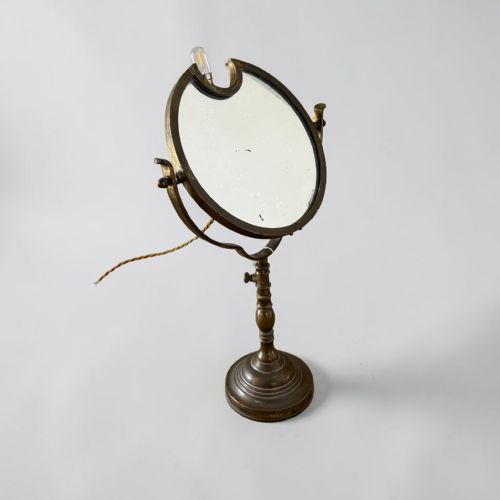
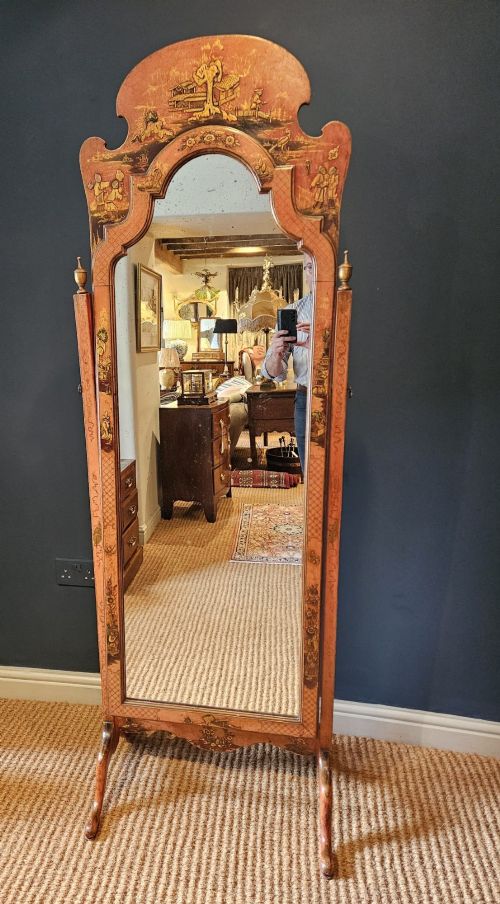
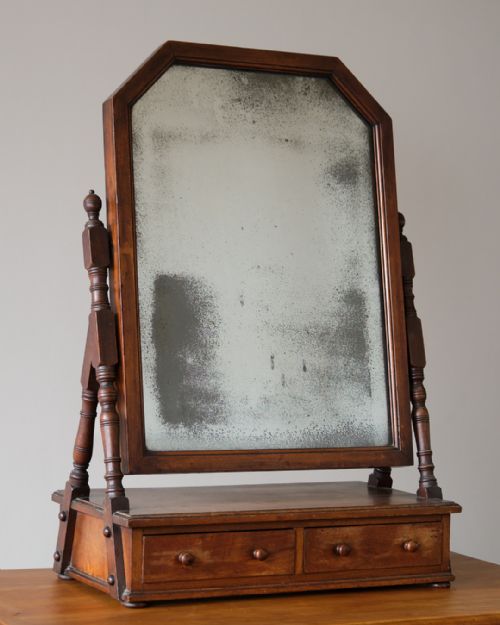
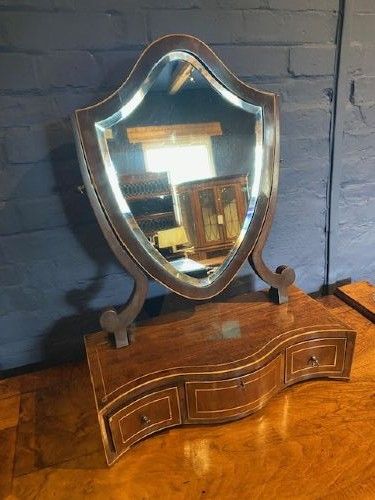
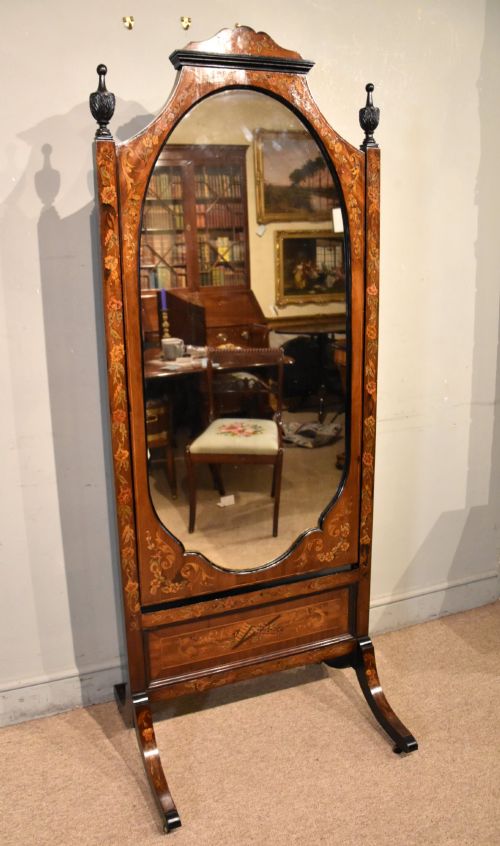
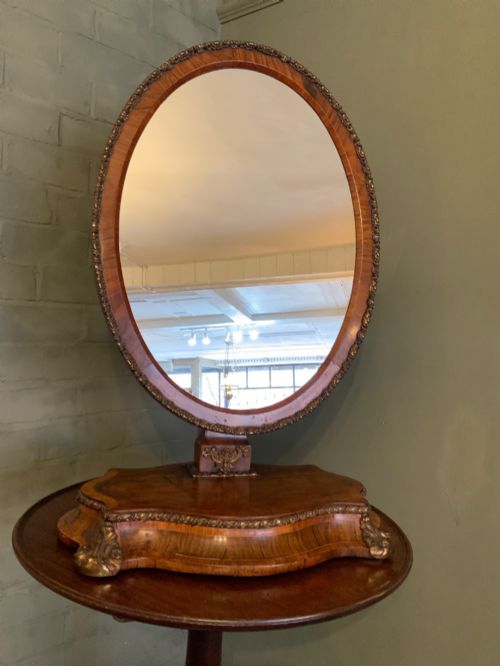
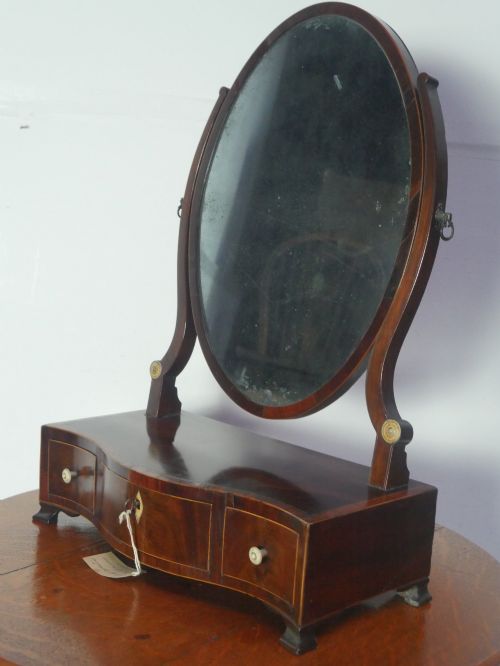
A swing mirror stand encompasses various forms intended for grooming and dressing, ranging from small toilet mirrors placed upon chests to large freestanding cheval mirrors. The selection most commonly encountered includes mahogany dressing table mirrors and larger Victorian or Regency cheval frames.
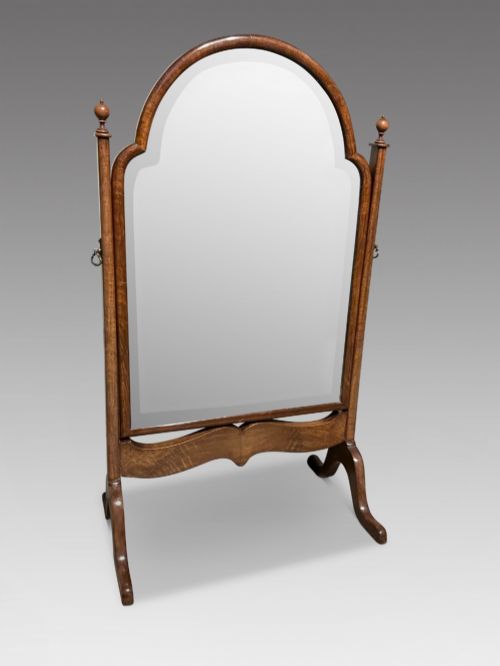
Pieces span multiple historical periods, with Georgian and Regency examples sitting alongside Victorian, Edwardian, and later 20th-century interpretations. Makers utilised regional cabinet-making traditions, producing everything from simple oak tabletop versions to elaborate satinwood or walnut cheval stands.
Assessing quality in construction and materials
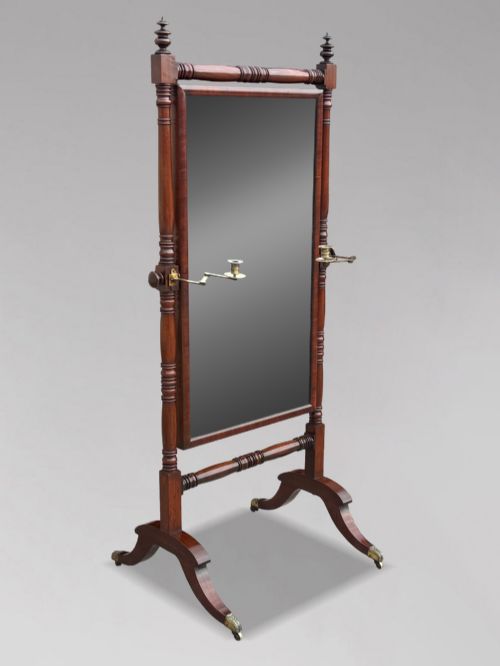
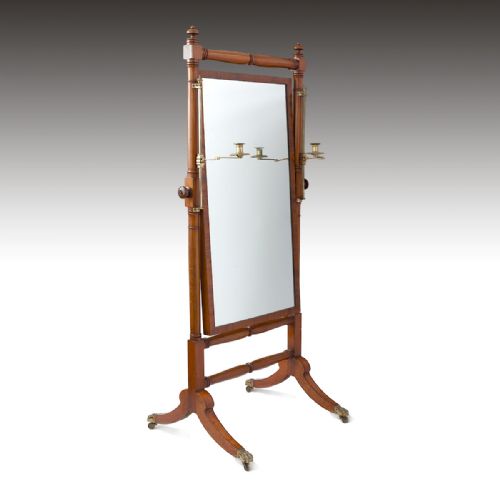
Quality rests in the selection of timber veneers and solid woods, where finely figured mahogany or walnut elevates a piece above standard utility items. The integration of solid brass fittings, articulated candle holders, and careful joinery indicates superior craftsmanship.
Proportion and stability define the better examples, ensuring that taller cheval mirrors balance their weight effectively on their rocking frames. Original mirror plates and intact mechanical pivots further distinguish finer specimens from later alterations.
Swing Mirror Stand Retail Price Guide 2026
Typical asking prices for swing mirror stand among the pieces listed under this phrase on Sellingantiques today, from the lower quarter to the upper quarter. They describe what is for sale here now, not the wider market.
Some dressing stands arrived equipped with brass articulated candle holders so users could inspect their wigs after dark.
Heal & Sons·Gillow
The Swing Mirror Stand Glossary
- Cheval mirror
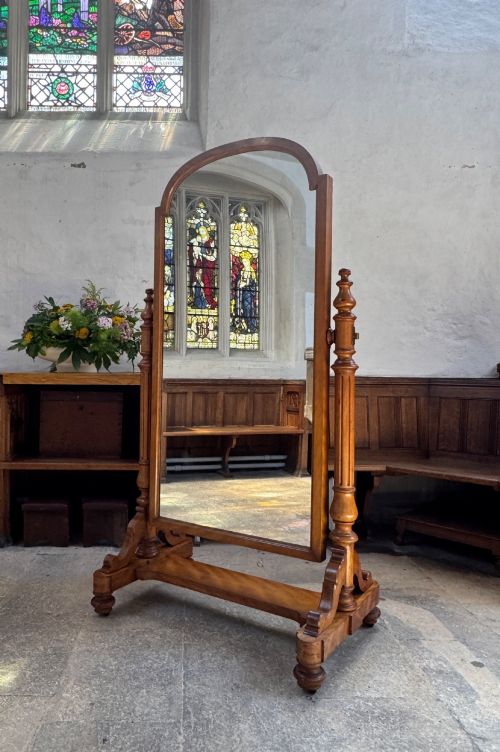
- A freestanding full-length mirror mounted on a vertical frame that swings between two upright pillars. This form allows the user to view their entire outfit.
- Toilet mirror
- A smaller dressing mirror designed to sit atop a chest of drawers or a dressing table. These typically feature small storage drawers within their base stands.
- Ormolu
- Gilded bronze or brass applied as decorative mounts on furniture frames. It adds ornamental detail to walnut and mahogany structures.
- Champleve
- An enamelling technique where troughs are dug into a metal surface and filled with vitreous enamel before firing. It appears on decorative metal frames.
- Inlay
- Pieces of contrasting timber or bone inserted into the wood surface to form patterns. This decorative technique enhances the visual depth of the frame.
Swing Mirror Stand: Frequently Asked Questions
What is a cheval mirror?
A cheval mirror is a tall floor-standing dressing mirror supported by a pivoting frame between two upright posts.
This design allows the user to adjust the angle of the glass to view their entire reflection from head to toe.
Where should a toilet mirror be placed?
Toilet mirrors are traditionally placed upon dressing tables, chests of drawers, or sturdy tabletops.
They provide a convenient surface for close-up grooming and add reflective light to bedroom spaces.
How do you adjust a swing mirror?
Swing mirrors utilise side screws, pivots, or brass trunnions mounted on the upright posts to hold the glass frame in place.
Loosening or tightening these fittings allows the mirror to tilt forward or backward to the desired angle.
Are original mirror plates common?
Many older pieces retain their original glass plates, which often display subtle ageing characteristics or slight foxing.
Replacement plates do occur when older glass has suffered damage over the centuries of use.