






Swept Picture Frame
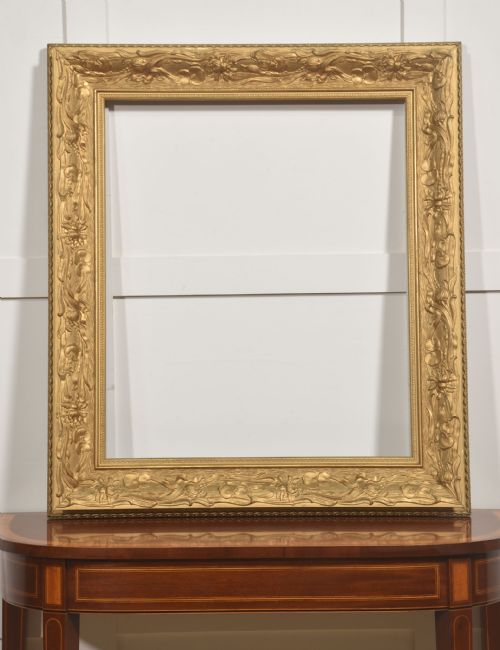
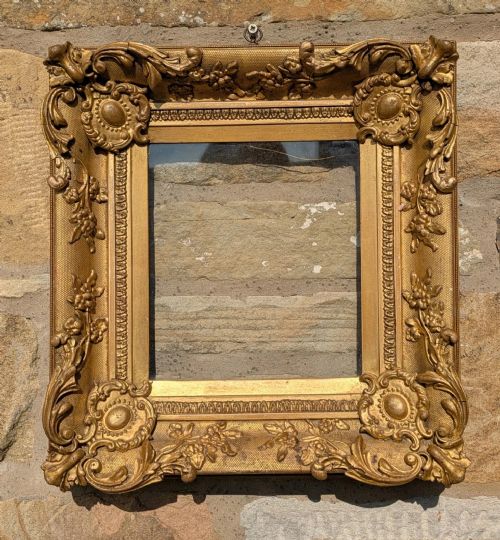
A swept picture frame brings sculptural curve and heavy gilt presence to walls, framing canvases and watercolours with deep moulded corners.
Swept Picture Frame
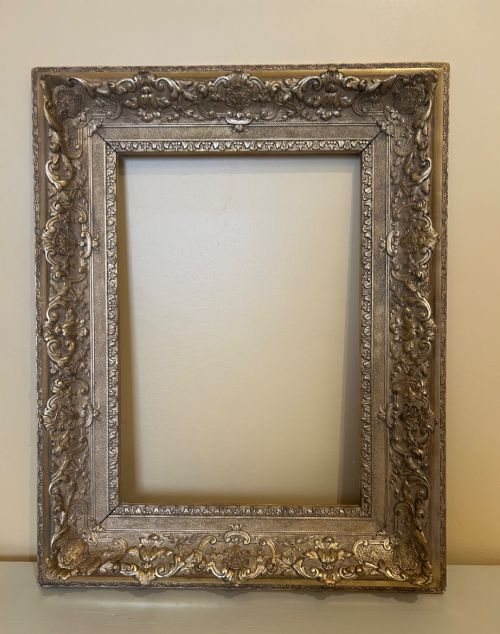
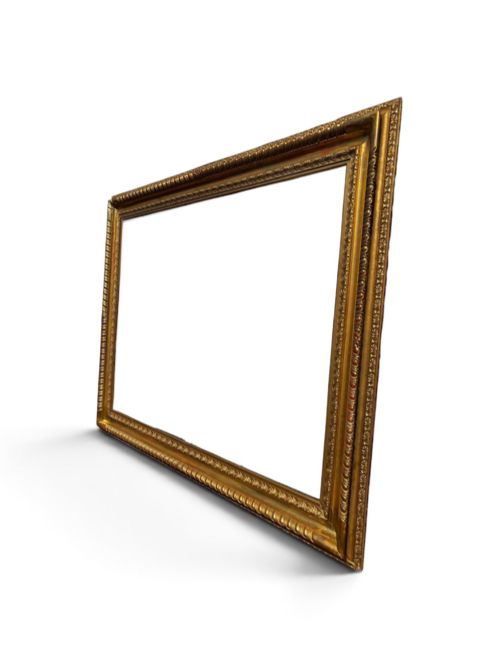
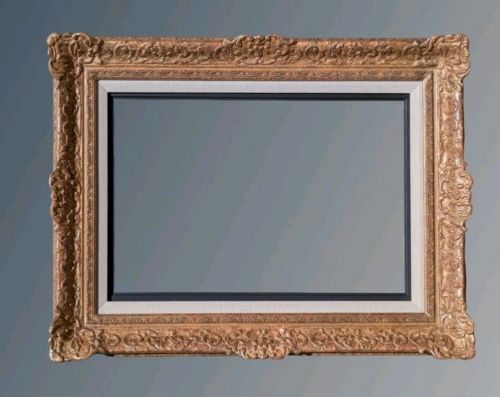
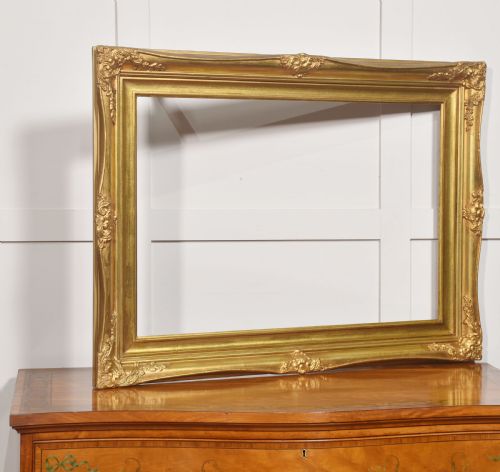
A swept picture frame is a decorative border designed to hold paintings, watercolours, or mirrors while adding architectural depth to an interior wall. These pieces appear frequently in Victorian and nineteenth-century formats, often displaying ornate scrolling corners that draw the eye inward toward the artwork.
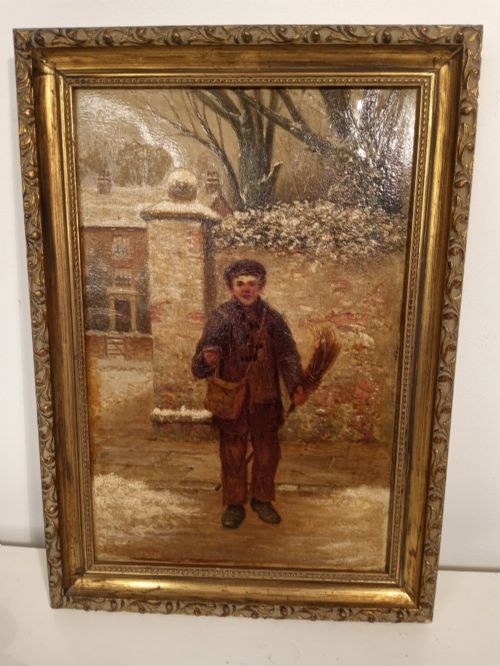
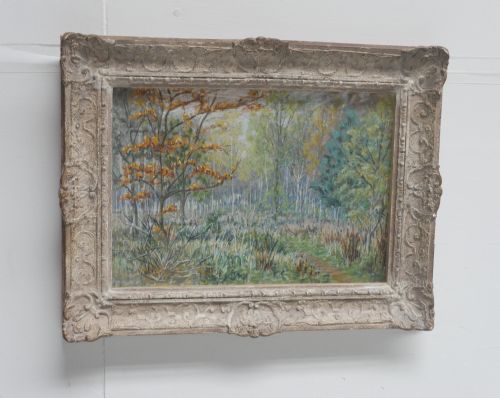
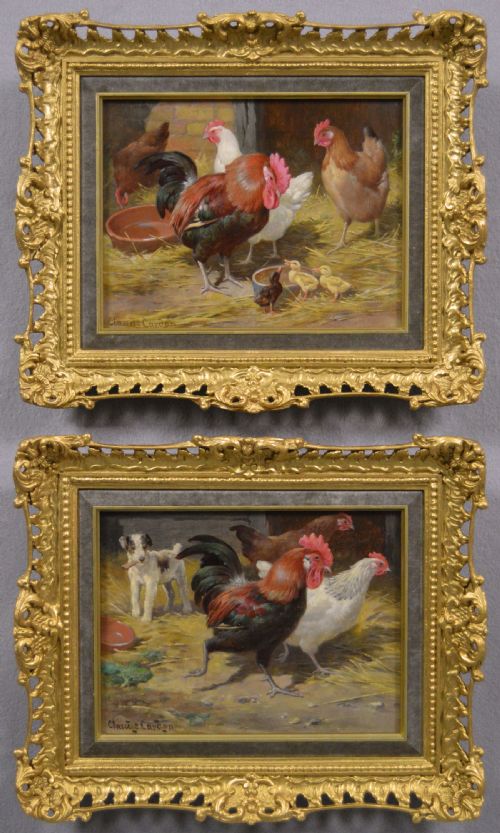
The selection ranges from substantial Victorian gesso constructions to lighter twentieth-century French Montparnasse examples and mid-century Italian pairings. Buyers encounter both empty frames intended for custom artwork and complete framed oil paintings or pastels originating from British and European hands.
Materials and Construction
Makers built these frames using a wooden carcass that provided structural rigidity for hanging large canvases. Artisans then applied layers of gesso, a plaster-like mixture, over the wood to build up the intricate undulating scrollwork and relief ornament characteristic of the style.
Surfaces received finishes of gold leaf or liquid gilt to create a luminous metallic sheen that catches ambient light. Over decades, this giltwood develops a distinct patina as the underlying gesso and wood show through areas of minor wear.
Several frames come pre-populated with stern Victorian portrait subjects staring steadfastly into the modern room.
Judging Quality and Craftsmanship
The definition and crispness of the moulded ornament separate superior examples from softer, worn castings. Deep undercutting in the gesso scrollwork demonstrates greater skill by the maker than shallow, smoothed-over decoration.
The integrity of the underlying wooden joins and the retention of original gold leaf or early gilding dictate the overall merit of the piece. Frames retaining their original depth without extensive modern repainting hold higher regard among collectors.
Claude Cardon·Arthur Herbert Rigg·Robert Eadie·Sir Herbert Hughes-Stanton·William Miller Frazer·Emily Selinger·George Parson-Norman·John Holland Snr
The Swept Picture Frame Glossary
- Gesso
- A mixture of plaster of Paris, chalk, and size used as a base for moulding ornamental details on wooden frames. This preparation allows artisans to carve intricate relief patterns before gilding.
- Giltwood
- Timber coated with gold leaf or metallic paint to simulate solid gold. It forms the primary visual surface of traditional decorative frames.
- Rococo Revival
- A nineteenth-century design style mimicking the asymmetrical curves, scrolls, and natural motifs of the eighteenth-century Rococo movement. This aesthetic heavily influences the swept profile of many Victorian frames.
- Montparnasse frame
- A style of picture frame originating from French artistic communities, characterised by simpler wooden profiles and subtle finishes. These pieces gained popularity during the early twentieth century.
- Wood
- The foundational structural material beneath the gesso and gilt layers. Pine, oak, and other timbers provide the necessary strength to support heavy oil paintings.
Swept Picture Frame: Frequently Asked Questions
How do I hang a heavy swept frame?
Substantial timber and gesso frames require robust picture hooks secured directly into wall studs or heavy-duty wall anchors. The weight distribution relies on strong brass mirror plates or thick wire attached firmly to the wooden carcass.
Ensuring the hanging hardware matches the mass of the frame prevents structural strain on the corners over time. Professional framing fixings distribute the load evenly across the top rail.
Can I use these frames for mirrors?
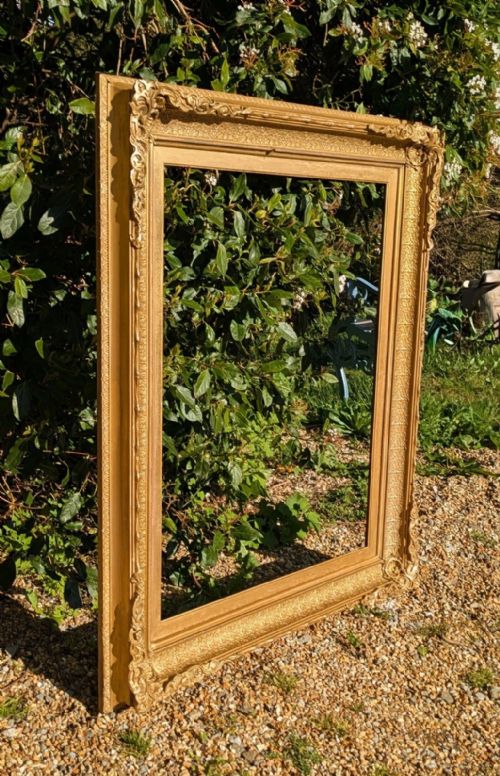
Many large nineteenth-century examples function successfully as wall mirrors when fitted with custom mirror glass by a professional glazier. The deep rebate in these profiles accommodates plate glass securely behind the decorative moulding.
Original canvas frames converted to mirrors retain their historical aesthetic while serving a practical domestic purpose in hallways or living spaces.
How do I clean a giltwood frame?
Dusting requires a very soft dry brush or feather duster to prevent abrasive particles from scratching the metallic surface. Moisture and chemical cleaning agents damage fragile gold leaf and historical gesso.
Preserving the delicate finish means avoiding all liquid cleaners and professional conservation intervention should be sought for heavy grime.
How do I date a gesso frame?
Examining the reverse reveals the construction methods, such as hand-cut nails, mitred wooden joints, and aged pine or hardwood backing. Early nineteenth-century examples often display layered gesso that has hardened and cracked naturally over time.
Stylistic cues like Rococo Revival scrolls point toward the Victorian era, whereas simpler profiles often indicate twentieth-century production.