



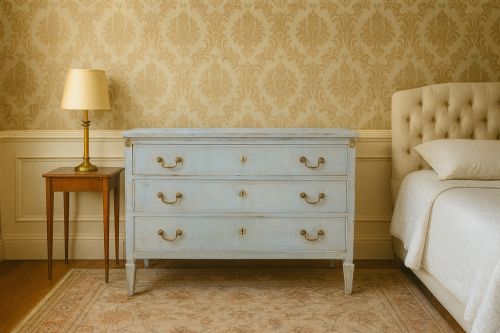


Swedish Wooden Commode
A swedish wooden commode brings restrained Nordic elegance and practical storage to a room through thoughtful craftsmanship and pale timbers.
Swedish Wooden Commode
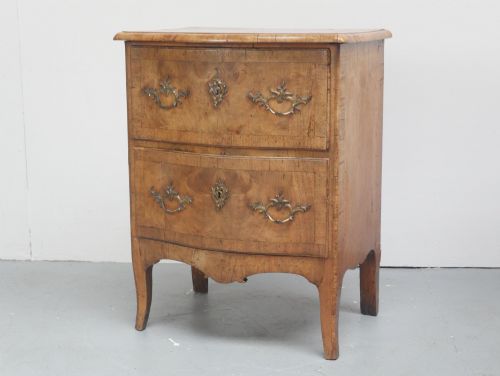
When searching for a swedish wooden commode, buyers encounter case furniture primarily spanning the eighteenth and nineteenth centuries. These pieces appear mostly as chests of drawers and cupboards, reflecting the domestic needs of Scandinavian households across periods from the Baroque revival to Victorian times.
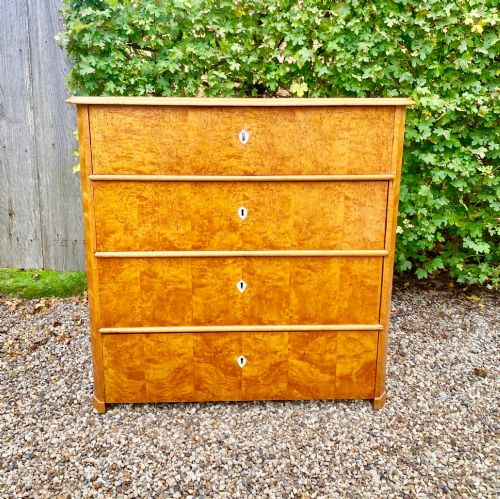
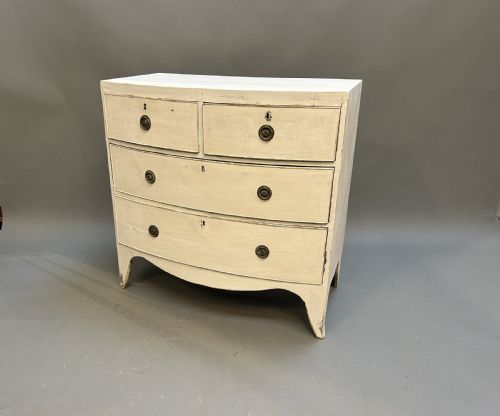
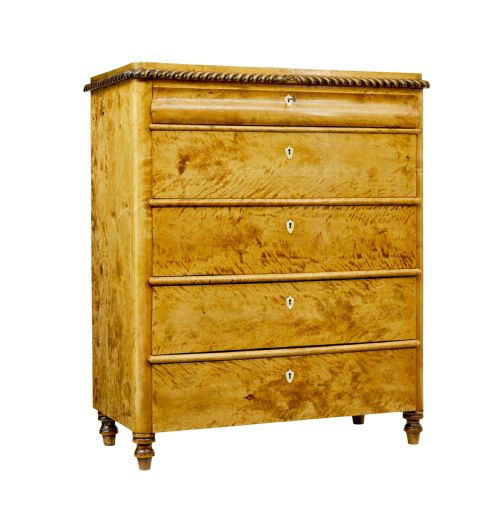
The most common examples on this page are birch and painted chests of drawers from the nineteenth century. These items range from simple country storage to sophisticated neoclassical forms.
Originating in Sweden and broader Scandinavia, the selection includes distinct regional styles such as Gustavian, Biedermeier, and Scandinavian country. Each design brings a specific proportion and silhouette to interior spaces.
How they were made
Cabinetmakers utilised native timbers such as birch, satin birch, elm, ash, and oak, alongside imported burr walnut for decorative veneer work. Carved details and turned elements showcase traditional woodworking competencies passed down through generations.
Surface finishes define many pieces, employing hand-mixed paint schemes, simulated grain effects, or polished clear coats that highlight natural wood figures. Brass hardware frequently secures drawers and doors, adding functional contrast to the timber.
Several items include secret compartments hidden behind decorative mouldings, designed for storing family valuables.
What varies in quality
The calibre of a piece rests upon the selection of timber and the precision of its construction. Timber choice ranges from utilitarian pine and applied paint to highly figured burr walnut and meticulously matched birch veneers.
Proportion and decorative restraint separate standard examples from finer workshops. The skill evident in hand-carved ornamentation, inlaid details, and the integrity of the original surface finish dictate the standing of individual pieces.
Gemla Fabrikers
The Swedish Wooden Commode Glossary
- Gustavian
- A Swedish neoclassical design movement spanning the late eighteenth century. It takes inspiration from French Louis XVI style but employs a lighter, more austere Nordic interpretation.
- Biedermeier
- A Central European and Scandinavian style popular during the nineteenth century. It prioritises clean lines, utility, and the natural beauty of wood veneers over excessive ornamentation.
- Commode
- A low chest of drawers or cabinet designed for domestic storage. The term encompasses various drawer configurations found in European case furniture.
- Burr walnut
- A wood harvested from the wart-like growths on walnut trees. It yields complex, swirling grain patterns highly valued for decorative veneer panels.
- Caddy top
- A raised, moulded tabletop profile resembling the lid of a tea caddy. This decorative edge frequently finishes the top surface of nineteenth-century case pieces.
Swedish Wooden Commode: Frequently Asked Questions
How do I date a Swedish commode?
Dating relies on observing construction methods, timber choices, and stylistic markers visible across different periods. Eighteenth-century examples often feature painted surfaces and neoclassical Gustavian lines, while nineteenth-century pieces frequently showcase polished birch or burr walnut veneers.
Hardware styles, drawer linings, and joinery details further help narrow down the decade of production. Comparing the piece against known regional design eras provides a reliable timeline for each item.
Where were these chests used?
These chests served primarily as domestic storage for clothing and linens in bedrooms and hallways. Their modest proportions allowed them to fit comfortably into various domestic settings across Scandinavian homes.
Today, they adapt easily to modern interiors as living room storage or hallway consoles. Their functional drawer layouts continue to provide practical utility alongside historical character.
Are painted finishes original?
Many pieces retain their historic painted surfaces, which range from early grey or white schemes to later hand-painted details. Over time, surfaces may show natural wear that reflects their age and history of domestic use.
Some items have undergone redecoration by hand using traditional colour palettes in later periods. Examining the paint layers and underlying wood helps determine whether a finish is period-authentic or a later application.
What is Biedermeier style?
Biedermeier design emerged in the nineteenth century, focusing on comfort, utility, and understated elegance. Furniture from this movement avoids heavy carving, letting the natural grain of birch or walnut take prominence.
Pieces from this era feature smooth surfaces, geometric forms, and warm wood tones. This restrained aesthetic integrates smoothly into contemporary interior schemes.