



Swedish Gustavian Cabinet
A Swedish Gustavian cabinet brings calm neoclassical symmetry and pale painted woodwork into a room.
Swedish Gustavian Cabinet
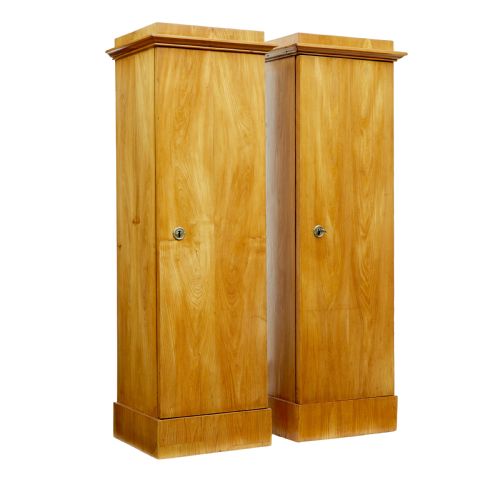
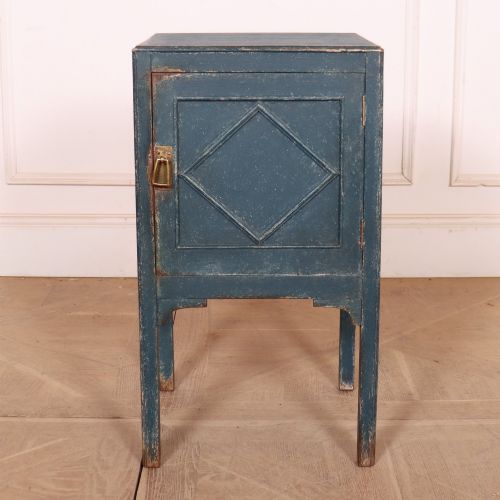
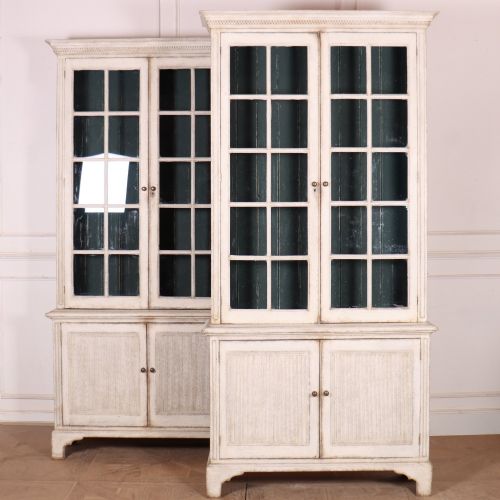
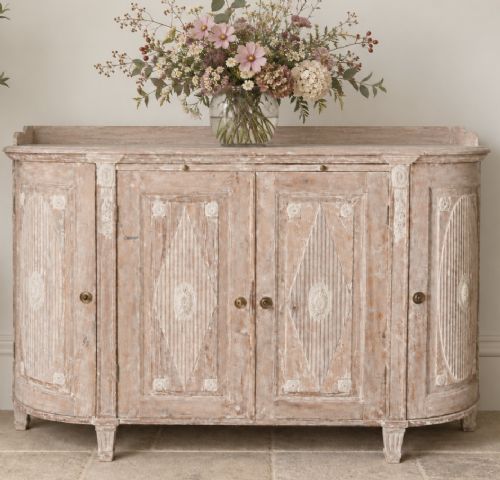
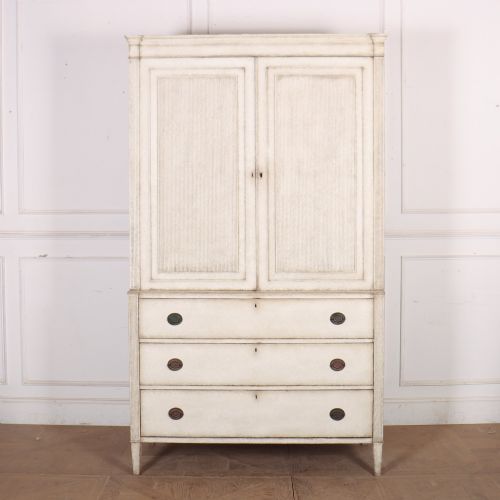
When searching for a Swedish Gustavian cabinet, buyers encounter a diverse selection of storage pieces spanning the eighteenth and nineteenth centuries. These include tall linen cupboards, bedside tables, chests of drawers, and sideboards that reflect Scandinavian interpretations of continental design.
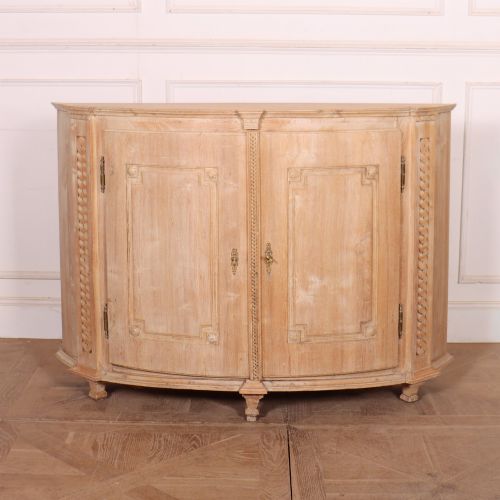
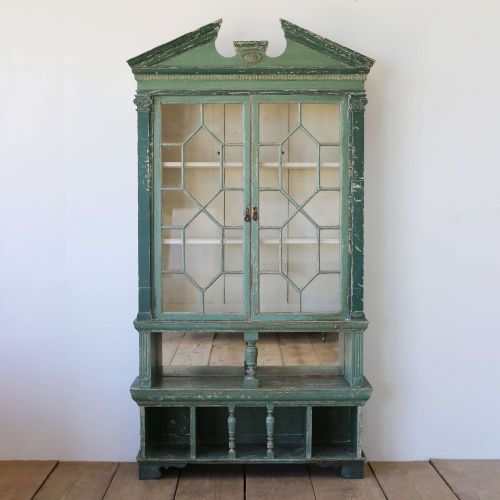
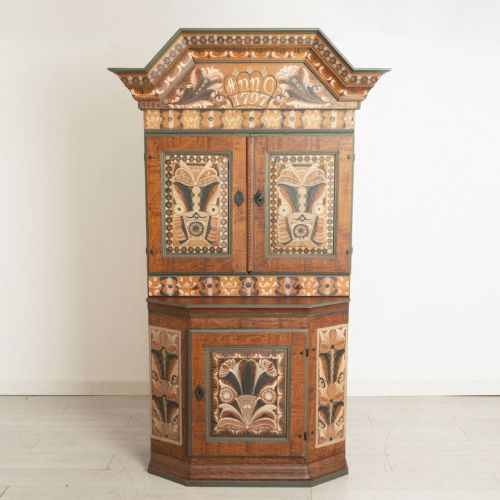
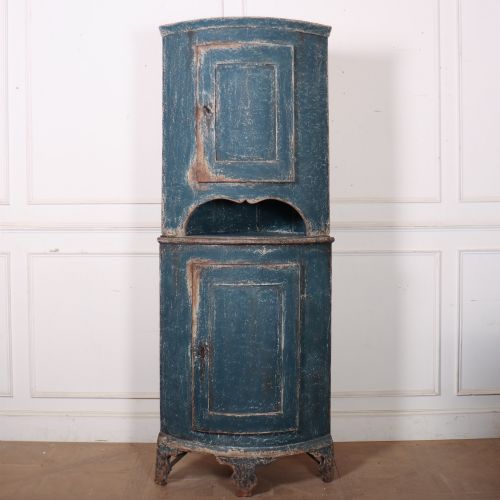
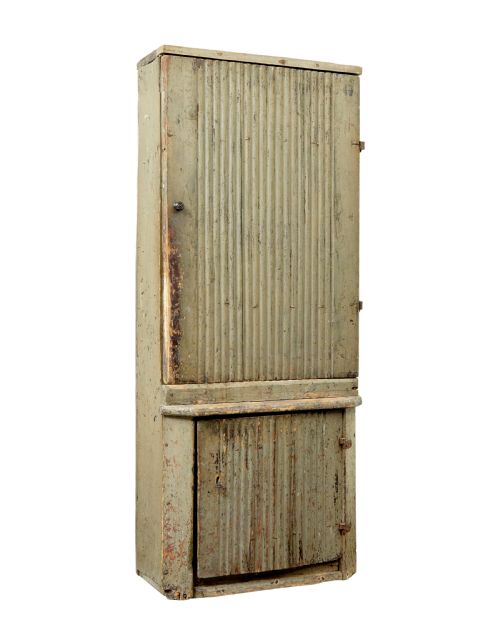
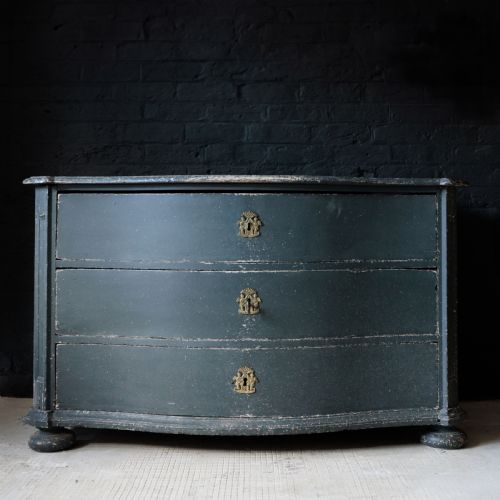
The pieces on this page range from formal eighteenth-century commodes with serpentine fronts to nineteenth-century rustic painted cupboards and later nineteenth-century birch or pine furniture. Forms vary from narrow cabinets and corner cupboards to expansive kitchen cabinets and bookcase bureaus.
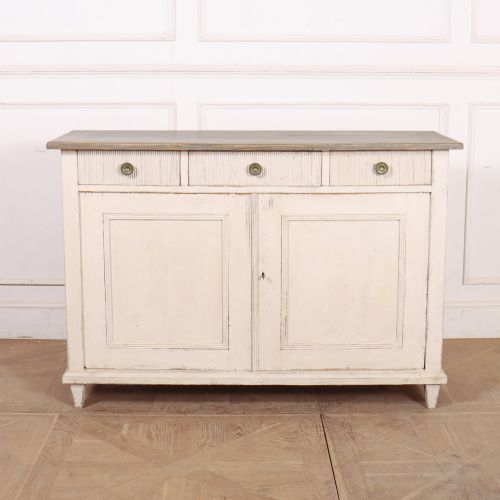
Makers and joiners across Sweden drew upon French Neoclassical motifs, translating them into simpler domestic forms through local folk art traditions and restrained classical restraint. This heritage yields functional storage with balanced proportions, often finished in muted grey, white, or scraped original paint.
Materials and Construction
Construction relies heavily on native Scandinavian softwoods, primarily pine and softwood, shaped into robust carcases and panelled doors. Cabinetmakers also utilised birch and satin birch for finer surfaces, occasionally pairing timber bodies with marble tops.
Surface treatments define much of this furniture, employing layers of paint over wood to achieve matte finishes in greys and whites. Iron and brass hardware, such as hinges and keyplates, secure doors and drawers while adding restrained metallic contrast to the painted exteriors.
Swedish Gustavian Cabinet Retail Price Guide 2026
Typical asking prices for swedish gustavian cabinet among the pieces listed under this phrase on Sellingantiques today, from the lower quarter to the upper quarter. They describe what is for sale here now, not the wider market.
Several cupboards hide generations of quiet Scandinavian winters within their original scraped paint layers.
Assessing Quality and Character
Quality rests in the integrity of the original proportions and the survival of early or untouched paint surfaces. Pieces retaining scraped or original painted finishes command attention for their authentic patination, whereas later redecoration alters the historic character.
Structural refinement also distinguishes the range, separating utilitarian rustic cupboards from finely carved neoclassical pieces with balanced pilasters, dentil mouldings, and crisp drawer dovetails.
The Swedish Gustavian Cabinet Glossary
- Gustavian
- The Swedish neoclassical style spanning the late eighteenth and early nineteenth centuries, characterised by restrained symmetry and light-coloured painted finishes. It draws inspiration from French Louis XVI design adapted to Scandinavian tastes.
- Commode
- A low chest of drawers or cabinet designed for domestic storage. These pieces frequently feature serpentine fronts or multiple drawers.
- Serpentine
- A furniture front shape curving outward in the centre and inward at the sides. This contour requires skilled carpentry to execute correctly on drawer fronts and commodes.
- Scraped paint
- A conservation term for paintwork that has been carefully revealed by removing later overcoats to expose the original historic colour. This technique preserves early decorative layers.
- Pine
- A common softwood utilised for the carcases and interiors of Scandinavian case furniture. It provides a stable, workable base for painted finishes.
Swedish Gustavian Cabinet: Frequently Asked Questions
What is a Gustavian cabinet?
A Gustavian cabinet is a piece of Swedish storage furniture reflecting the neoclassical aesthetic of the late eighteenth and nineteenth centuries. These pieces typically feature clean lines, pale painted surfaces, and subtle classical carvings.
They offer practical storage while introducing bright, balanced proportions to contemporary and traditional interiors alike.
How do I distinguish eighteenth-century pieces?
Eighteenth-century examples often display hand-painted folk art details, deeper patination, and traditional joinery methods distinct from later production. They may also incorporate serpentine fronts and heavier iron hardware.
Examining the interior timber and the composition of the paint layers helps confirm the age of the piece.
Where were these cabinets used?
These cabinets served practical storage needs across Swedish homes, from country farmhouses to urban residences. Linen cupboards stored textiles, while smaller commodes and bedside tables functioned in bedrooms.
Kitchen cupboards and sideboards kept dining provisions organised in daily domestic life.
How do I care for painted wood?
Painted antique furniture requires a stable environment away from direct sunlight and excessive humidity to protect the historic finish. Dusting with a soft, dry cloth is sufficient for routine maintenance.
Avoid chemical cleaning products that can strip or soften aged paint layers.