





Swedish End Table
A Swedish end table brings clean Northern light and quiet utility to a room, offering compact surfaces rooted in centuries of Scandinavian design.
Swedish End Table
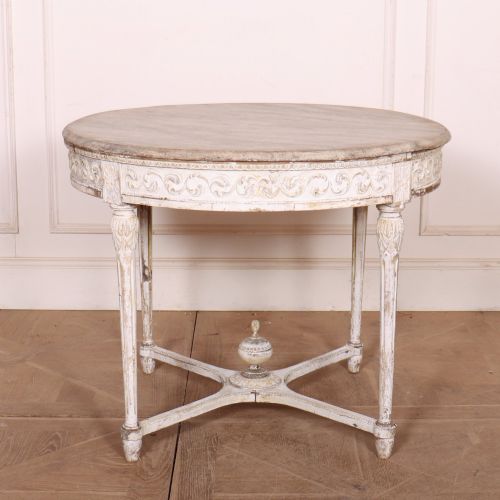
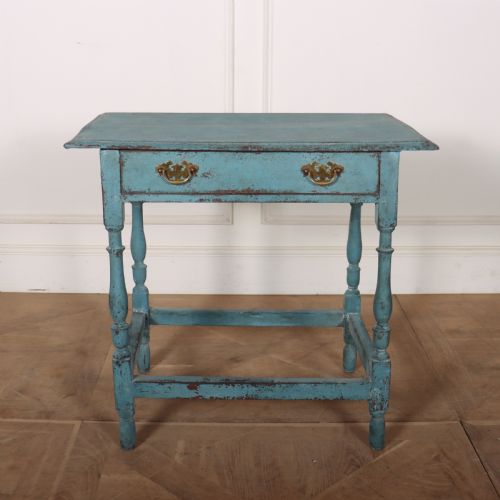
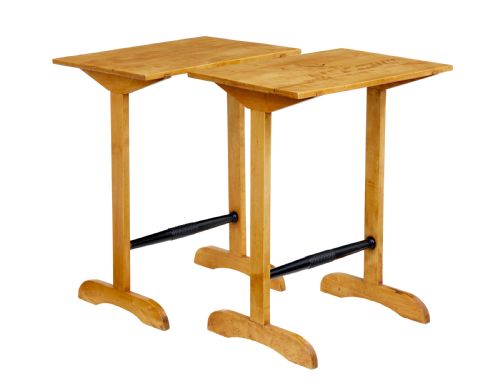
When you search for a Swedish end table, you are looking at small occasional surfaces that span from the eighteenth century into the twentieth. These pieces function as lamp tables, side tables, and occasional tables, designed to fit beside seating or in corners without dominating a floor plan.
The versions you are most likely to meet on this page lean heavily toward nineteenth-century painted pine and birch, alongside earlier eighteenth-century examples and twentieth-century Art Deco and modernist forms. Gustavian, Rococo revival, and Scandinavian country styles appear frequently, showing the range of domestic furniture exported from Sweden.
How they were made
Makers relied on native timbers such as pine, birch, and karelian birch, occasionally turning to alder root for distinctive grain patterns. Surfaces were frequently painted in muted tones or left to highlight the natural figure of the wood.
Construction details include hand-carved elements on revival pieces and simple joinery on country tables. Brass hardware occasionally provides functional accents, while selected tops incorporate marble for durability and contrast.
Listings feature pieces spanning the 18th century through the 1920s, employing pine, birch, marble, and brass.
What varies in quality
The distinction between standard domestic pieces and finer examples rests on the crispness of carved detail and the integrity of the original painted surface. Untouched or historically layered paint finishes hold greater interest than modern repainting.
Timber selection also dictates value, with highly figured karelian birch or alder root marking a more ambitious commission than plain pine. Proportion and the subtlety of regional styles separate simple vernacular work from sophisticated cabinetmaking.
The Swedish End Table Glossary
- Gustavian
- The Swedish interpretation of neoclassical taste, characterised by restrained carving, fluted legs, and pale finishes. It dominated Swedish design during the late eighteenth century.
- Karelian Birch
- A distinctive timber native to the northern birch forests, prized for its swirling, highly figured grain. It appears often in twentieth-century modernist and Art Deco pieces.
- Occasional Table
- A general term for a small, movable table designed for a specific, infrequent use rather than primary dining or writing. These include lamp tables and side tables.
- Biedermeier
- A central European and Scandinavian style spanning the nineteenth century that prioritised clean lines and utilitarian comfort over excessive ornamentation. Mahogany and birch veneers were common.
Swedish End Table: Frequently Asked Questions
What is a Swedish end table?
A Swedish end table is a small surface used beside seating, functioning as a lamp or side table.
These pieces reflect Scandinavian design traditions across various historical periods and regional styles.
How do I date a painted table?
Dating a painted table involves looking at the underlying construction, timber preparation, and the layering of the paint itself.
Earlier eighteenth and nineteenth-century pieces often show hand-planed boards and historical pigment mixes beneath later decorative schemes.
Where should I place an occasional table?
An occasional table suits small corners, beside armchairs, or serving as a compact bedside surface.
Its modest proportions allow it to anchor a room without cluttering the circulation space.
What woods were used?
Pine and birch are the most common timbers found in these Swedish tables, often finished with paint.
Finer examples utilise karelian birch or alder root to showcase decorative natural grain patterns.