



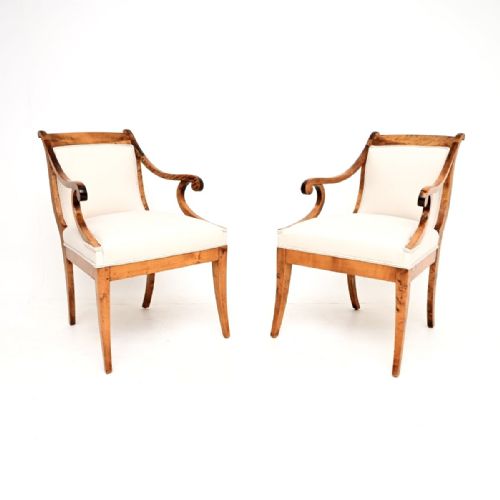
Swedish Birch Furniture
Swedish birch furniture brings pale, glowing wood and clean proportion to a room, ranging from Biedermeier chests to Art Deco cabinets.
Swedish Birch Furniture
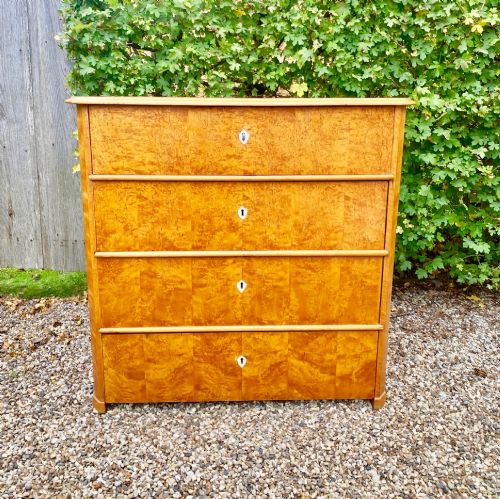
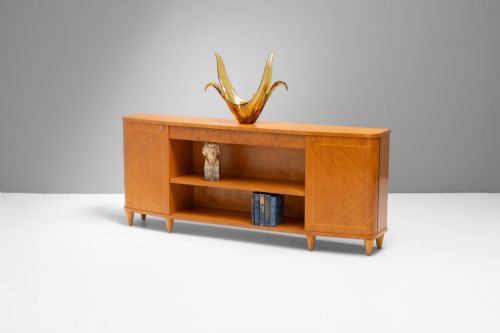
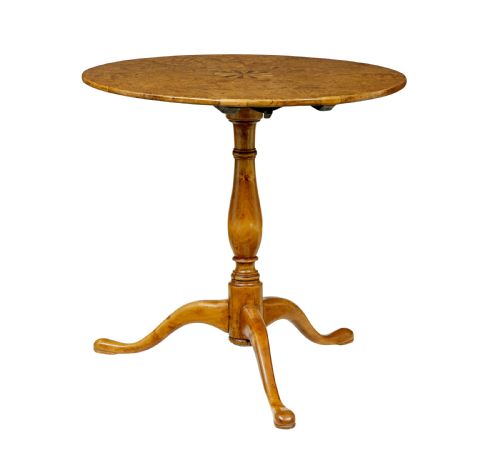
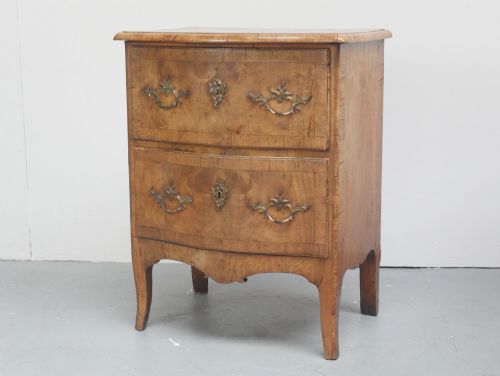
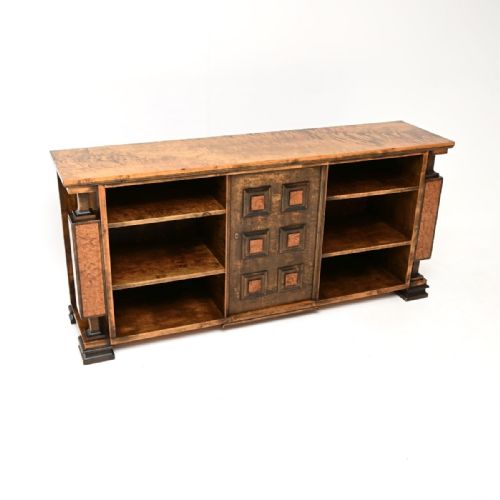
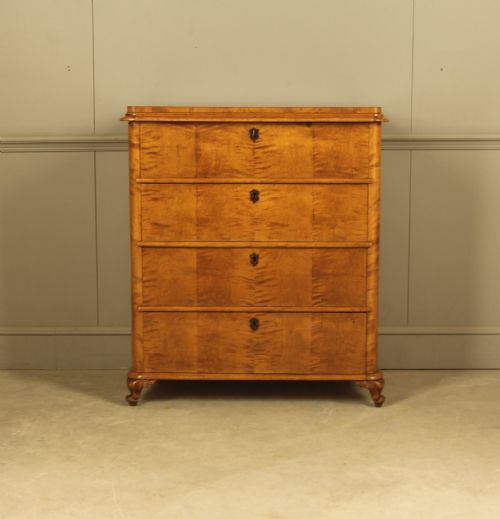
Swedish birch furniture spans several distinct periods, most commonly appearing as nineteenth-century chests of drawers and occasional tables alongside twentieth-century Art Deco and Swedish Grace pieces.
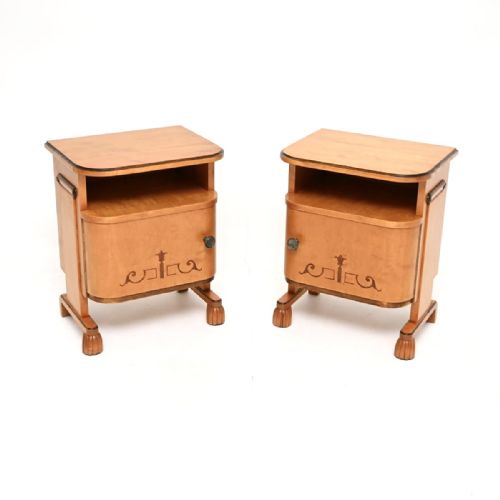
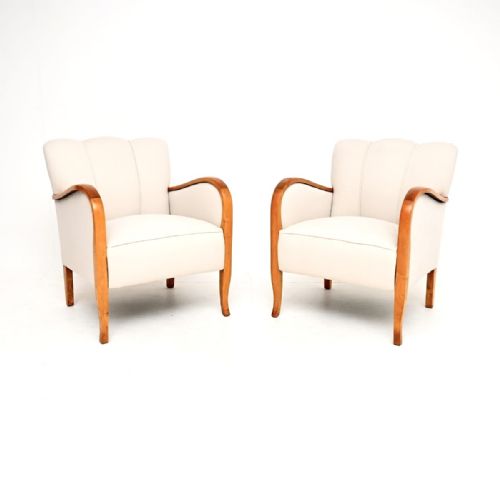
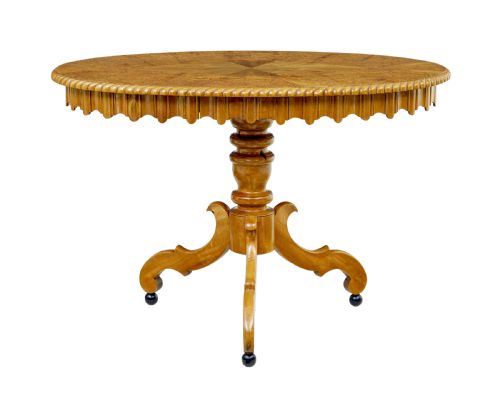
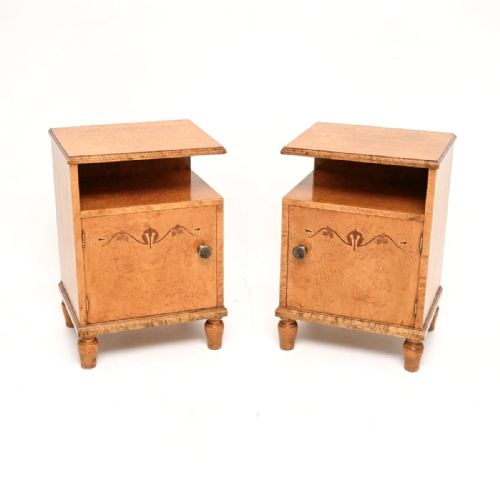
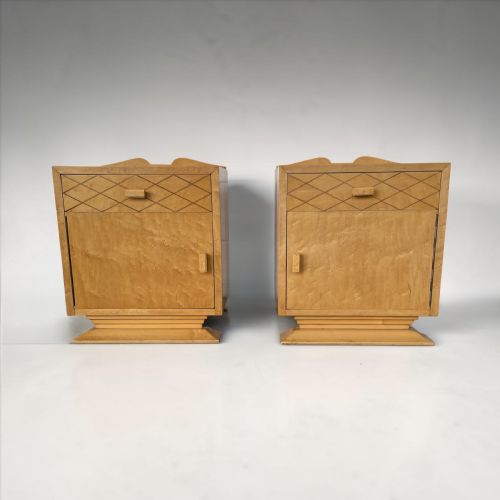
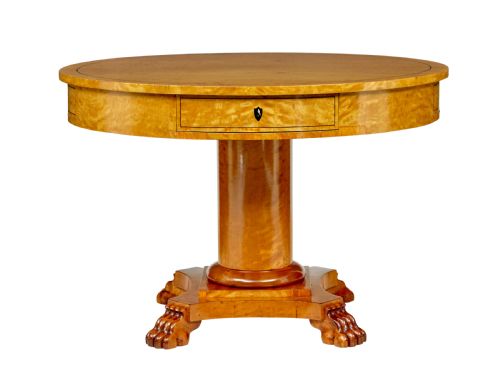
The selection includes practical storage forms such as secretaires and bedside cabinets, as well as centre tables and armchairs shaped by Biedermeier and Empire Revival traditions.
Buyers seeking swedish birch furniture find items built from local timbers, featuring pale figured surfaces that bring light into domestic interiors.
How they were made
Cabinet makers utilised solid pine or birch as structural carcasses, applying finely figured veneers such as satin birch, burr birch, flame birch, tiger birch, and masur birch to primary visible surfaces.
Detailing relied on contrasting materials, incorporating ebonised wood elements, brass fittings, and occasional marble tops on tables and cabinets.
Selected pieces display inlaid decoration or hand-painted simulated finishes applied over the wooden framework.
Swedish Birch Furniture Retail Price Guide 2026
Typical asking prices for swedish birch furniture among the pieces listed under this phrase on Sellingantiques today, from the lower quarter to the upper quarter. They describe what is for sale here now, not the wider market.
One clever maker achieved a birch aesthetic using a hand-painted simulated finish.
What varies in quality
Quality rests principally in the selection and matching of the birch veneer, where striking flame, burr, or tiger patterns determine the visual impact of a chest of drawers or table.
Construction methods and the crispness of carving or inlay define the distinction between standard utilitarian items and finer workshop productions from periods like Swedish Biedermeier or Art Deco.
Gemla Fabrikers
The Swedish Birch Furniture Glossary
- Masur birch
- A natural mutation of the silver birch yielding a dense, swirling grain pattern filled with dark flecks and rich figuring. It appears frequently on nineteenth-century Scandinavian case pieces.
- Biedermeier
- A Central European style spanning the mid-nineteenth century that prioritised clean architectural lines and unadorned wood grains. Swedish interpretations often favoured pale birch.
- Secretaire
- A cabinet incorporating a fitted writing drawer with a drop-front desk surface concealing small compartments and pigeonholes. These items combine storage with a compact writing space.
- Swedish Grace
- An architectural and design movement from the nineteen-twenties blending classicism with simplified modern forms. It precedes the geometric severity of Art Deco.
Swedish Birch Furniture: Frequently Asked Questions
How do I clean Swedish birch furniture?
Dust surfaces regularly with a soft, dry cloth to prevent grit accumulation on the polished veneer. Avoid liquid polishes and silicone sprays, which can penetrate aged finishes and attract dust.
Apply a quality natural beeswax sparingly when the wood appears dry, buffing gently with a clean cloth to maintain the soft lustre characteristic of these timbers.
Are these pieces suitable for modern homes?
The pale tones and restrained proportions of nineteenth-century and Art Deco pieces blend easily into contemporary minimalist or traditional interiors. Their light colour prevents rooms from feeling heavy.
Chests of drawers and bedside cabinets offer practical daily storage while serving as striking focal points in hallways, bedrooms, or living spaces.
How do I identify Biedermeier pieces?
Biedermeier items rely on smooth, sweeping curves and minimal surface ornamentation, letting the natural grain of the birch provide the visual decoration. They date primarily from the mid-nineteenth century.
Look for architectural clarity, simple column details, and warm honey-toned veneers without heavy carving or fussy mouldings.