

Swan Painting
These swan painting pieces bring feathered grace into a room through delicate gouache, ceramics, and glazed decorative work.
Swan Painting
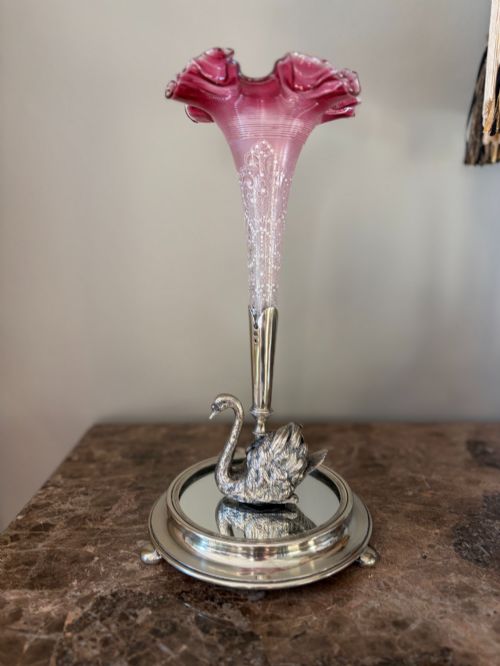
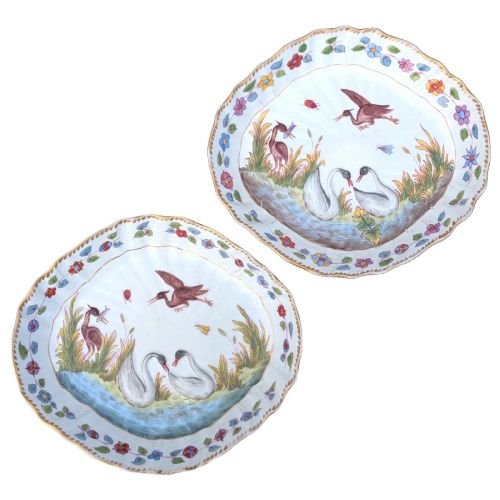
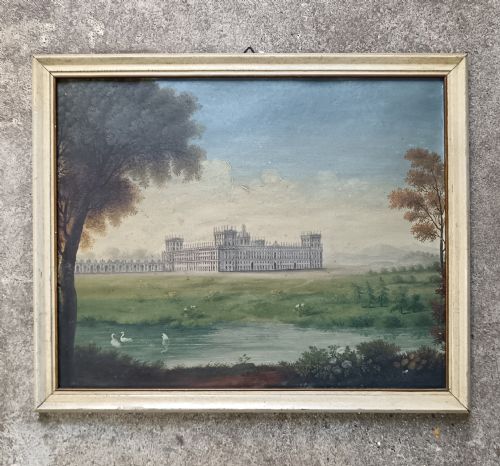
A swan painting search gathers delicate works on paper like the early nineteenth century Italian school gouache depicting a grand palace with birds on a lake. Alongside these flat works, the search encompasses porcelain vases bearing hand painted avian motifs by artists such as C. Baldwyn.
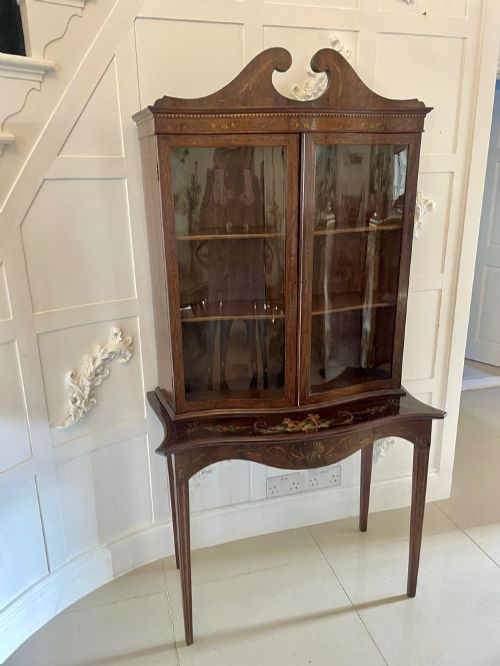
The objects span periods from the eighteenth century through the Edwardian era, linking paper, glass, and ceramic mediums through a shared aquatic subject. Buyers find these decorative items set within domestic interiors alongside period furniture.
Materials and technique
Makers utilised paint upon delicate paper and porcelain surfaces to capture the white plumage and water reflections of the birds. Glass and glazed panels frequently protect or frame these depictions.
Ceramic pieces show fine brushwork executed directly onto the body before glazing and firing, preserving the pigment over generations.
Swan Painting Retail Price Guide 2026
Typical asking prices for swan painting among the pieces listed under this phrase on Sellingantiques today, from the lower quarter to the upper quarter. They describe what is for sale here now, not the wider market.
Swans glide across Italian lakes and porcelain curves alike, proving that these waterbirds have long commanded the best seats in the house.
Judgments of quality
Quality rests upon the delicacy of the brushwork and the precision with which the bird's form and posture are rendered on the surface. Finer examples display superior tonal variation in the plumage and naturalism in the surrounding water.
The integrity of the original medium, whether paper, glass, or porcelain, determines the visual impact and preservation of the work.
The Swan Painting Glossary
- Gouache
- An opaque water-based paint that dries to a matte finish, allowing for rich colour and fine detail on paper.
- Hand Painted
- Decoration applied directly by an artist using a brush rather than transferred by mechanical printing.
- Porcelain
- A fine ceramic material fired at high temperatures, providing a smooth white ground for detailed artistic scenes.
- Neoclassical
- A style drawing inspiration from classical antiquity, often influencing the formal composition of nineteenth-century decorative arts.
Swan Painting: Frequently Asked Questions
How do I display a swan painting?
Framed works on paper require hanging away from direct sunlight to protect the pigments from fading over time.
Ceramic and glass pieces benefit from placement within secure display cabinets or on stable surfaces where light enhances the painted details.
What periods do these pieces date from?
The selection spans the eighteenth century, the Victorian era, and the Edwardian period, reflecting diverse manufacturing dates.
Each era brings distinct artistic conventions to the depiction of the birds, ranging from Italian school gouache to porcelain studio work.
Are these works signed by artists?
Certain porcelain pieces bear the signatures of notable painters like C. Baldwyn, while others remain attributed to broader regional schools.
Documentation varies depending on whether the object originated from an individual studio or a larger ceramic manufactory.
What materials support these paintings?
Artworks appear primarily on paper using gouache, while decorative scenes also decorate French and English porcelain vases.
Glass and glazed elements frequently accompany or enclose these delicate pictorial surfaces to protect the artistry.