


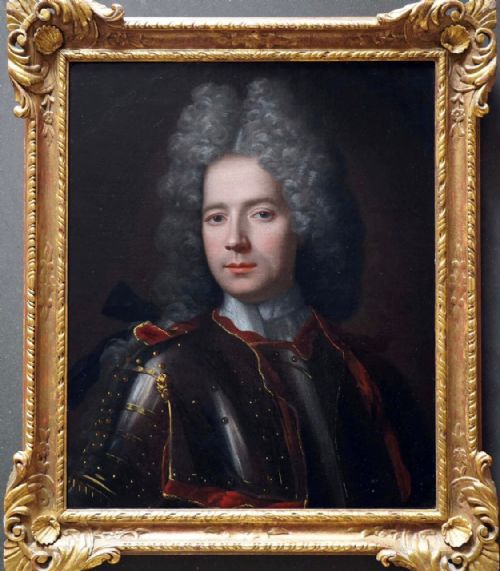


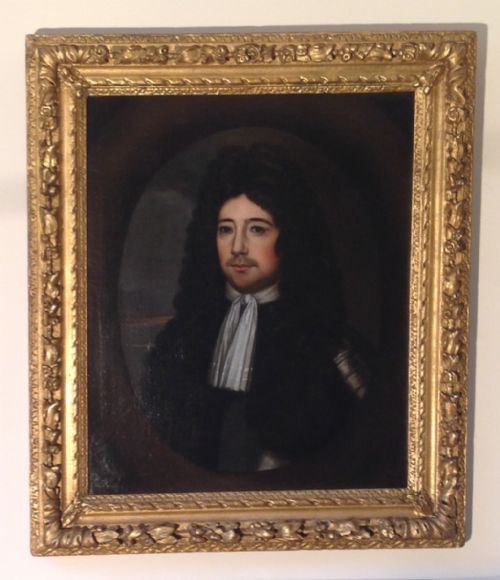


Stuart Era Male Portrait
These stuart era male portrait examples bring seventeenth-century dignity to a room, showing gentlemen, noblemen and clergymen in oils.
Stuart Era Male Portrait
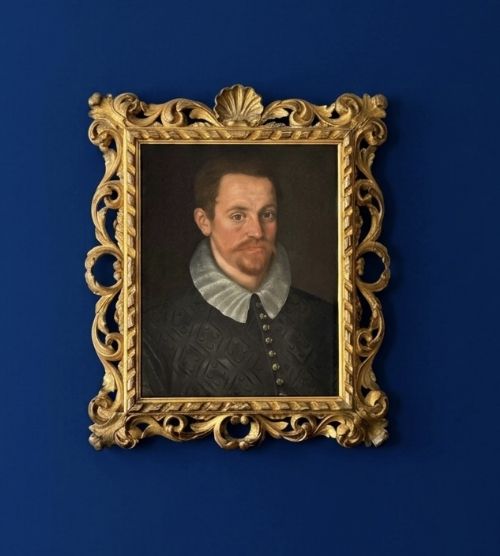
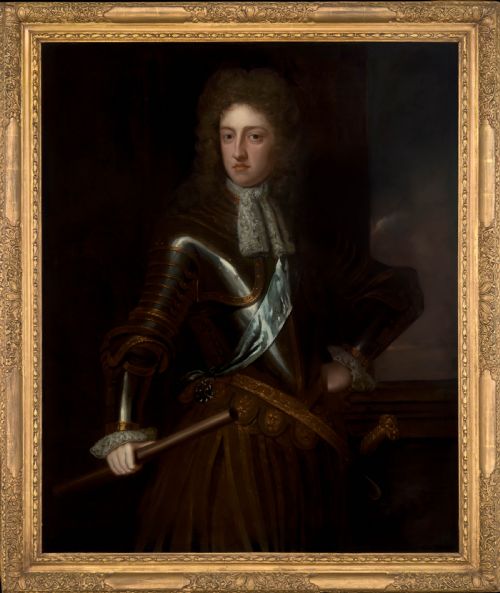
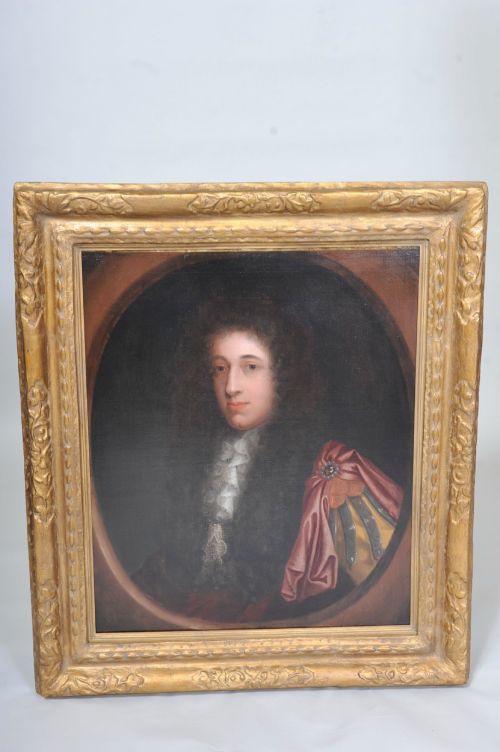
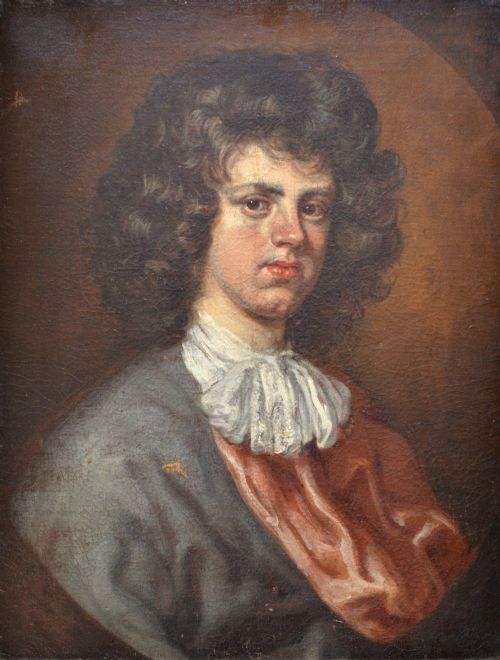
A stuart era male portrait captures gentlemen, noblemen, barristers and clergymen from the seventeenth century and the turn of the eighteenth century. These oil paintings depict subjects in attire ranging from dark embroidered doublets and white ruffs to garter robes and formal wear.
The works originate from British and Scottish schools, including pieces associated with circles of notable painters like Mary Beale and Sir Godfrey Kneller. Subjects include identifiable figures such as Prince George of Denmark and the Duke of Somerset alongside anonymous gentlemen.
What varies in quality
The strength of draftsmanship and the psychological depth in the sitter's face set exceptional works apart from standard studio output. Master hands capture the play of light on lace collars and velvet drapery with greater conviction and anatomical precision.
The survival of the original canvas and the preservation of the oil paint layer influence the character of each piece. Purity in the giltwood frame and minimal retouching across the canvas surface maintain the integrity of these seventeenth-century works.
Listings feature seventeenth-century and eighteenth-century periods with oil on canvas materials, framed in giltwood and wood.
Sir Godfrey Kneller·Mary Beale·Michael Dahl·John Michael Wright·Johann Kerseboom
The Stuart Era Male Portrait Glossary
- Oil on Canvas
- A painting medium where pigments suspended in oil are applied to a woven canvas support. This technique allowed seventeenth-century artists to achieve rich colour blending and deep shadows.
- Baroque
- An artistic style prevalent in the seventeenth century characterised by drama, movement and grandeur. Portraits in this manner often feature dynamic lighting and rich fabrics.
- Jacobean
- The period of the reign of James I, spanning the early seventeenth century. Art from this time frequently displays formal poses and detailed rendering of costume.
- Giltwood
- Wood carved and covered with a thin layer of gold leaf or gold paint. Frames utilising this finish were standard for important seventeenth-century portraits.
- Circle of
- A term used when a painting originates from an unknown artist working closely under the influence of a known master. These works share stylistic traits with the named painter.
Stuart Era Male Portrait: Frequently Asked Questions
How do I identify a Stuart portrait?
Look at the sitter's costume, such as embroidered doublets, lace ruffs, or flowing wigs, which reflect seventeenth-century fashion. Period canvas textures and seventeenth-century painting techniques also help confirm the era.
Attributions to known painters or schools recorded in the titles provide further context regarding the date and origin of the artwork.
Who are the typical sitters?
Sitters include noblemen, dukes, viscounts, barristers, clergymen, and unnamed gentlemen of the seventeenth century. Many portraits record prominent historical figures and members of the British aristocracy.
Other works depict unidentified young gentlemen and private citizens painted by regional British and Scottish schools.
How should I hang these paintings?
Display oil paintings away from direct sunlight and fluctuating heat sources to protect the canvas and oil paint layers. Traditional giltwood frames pair well with period interiors and dark wall colours.
Ensure wall fixings can support the weight of the canvas and heavy wooden frame securely.
What does circle of mean?
This attribution indicates the painting was produced by an anonymous artist working within the workshop or under the direct influence of a master painter. These artists adopted the techniques and style of the primary master.
Such works date from the same period and reflect the aesthetic standards of the named painter's studio.