


Restoration Period Oil Artwork
Restoration period oil artwork brings seventeenth-century portraiture into the room, offering direct visual contact with figures from the Stuart era.
Restoration Period Oil Artwork
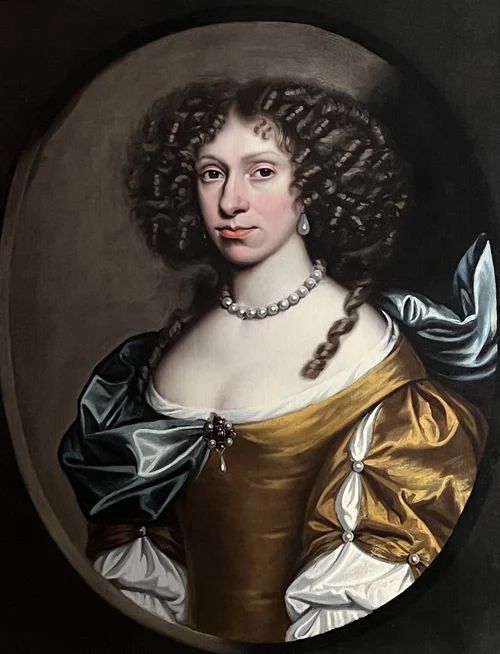
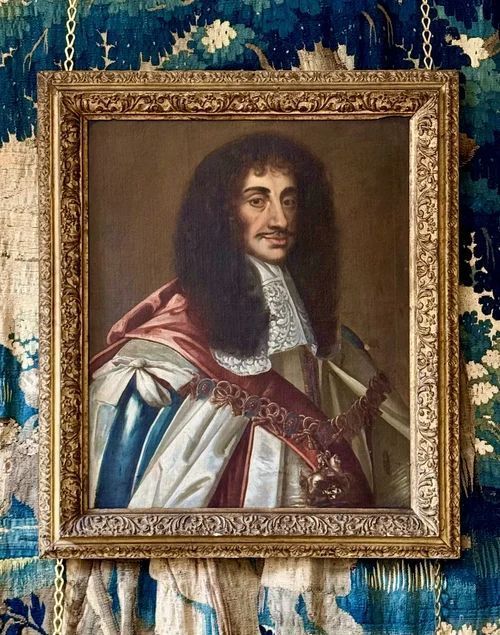
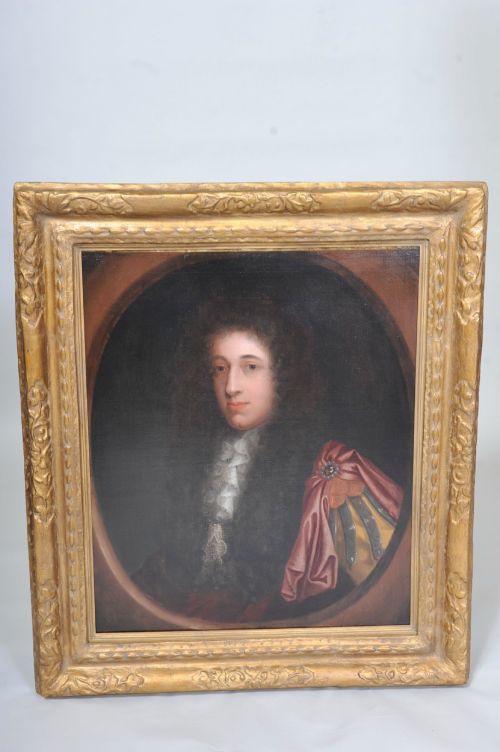
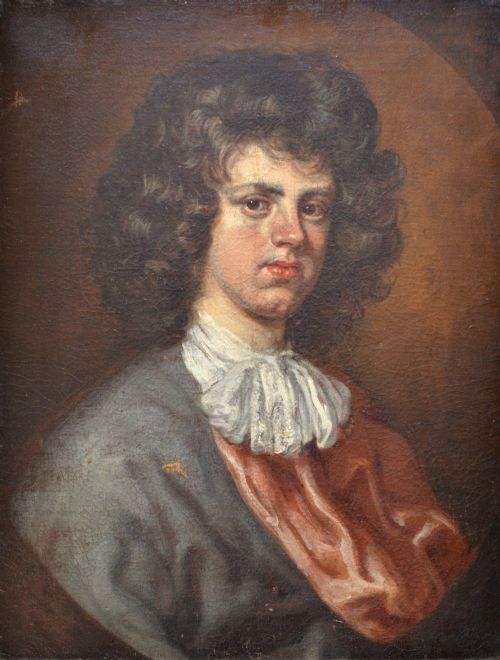
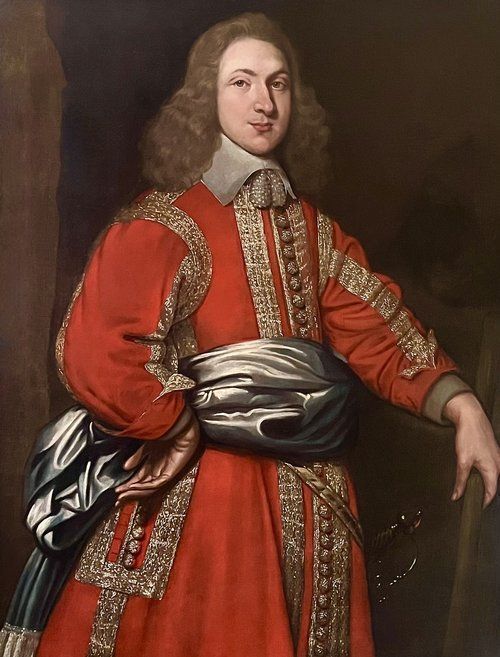
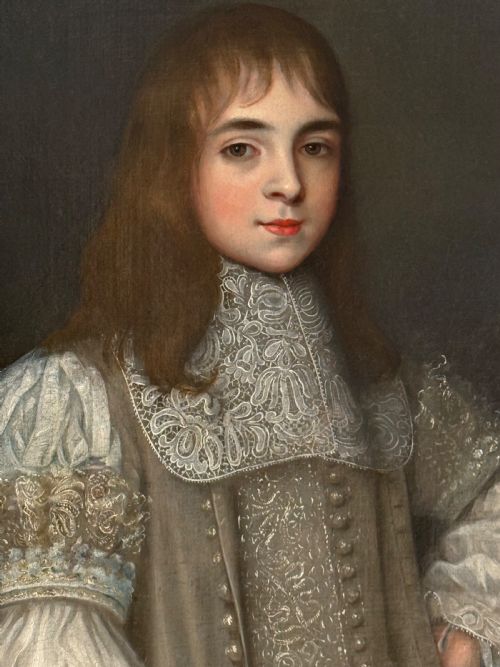
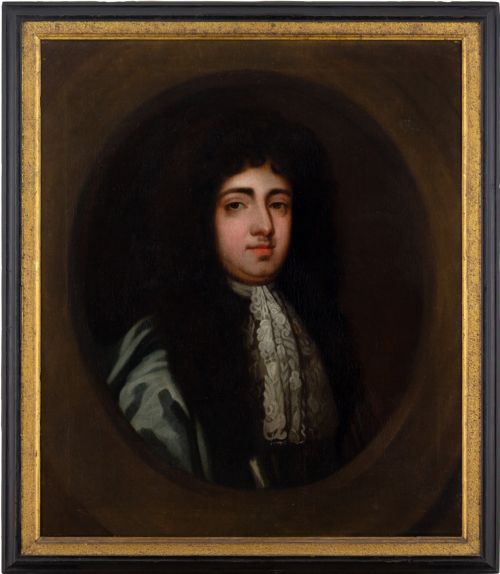
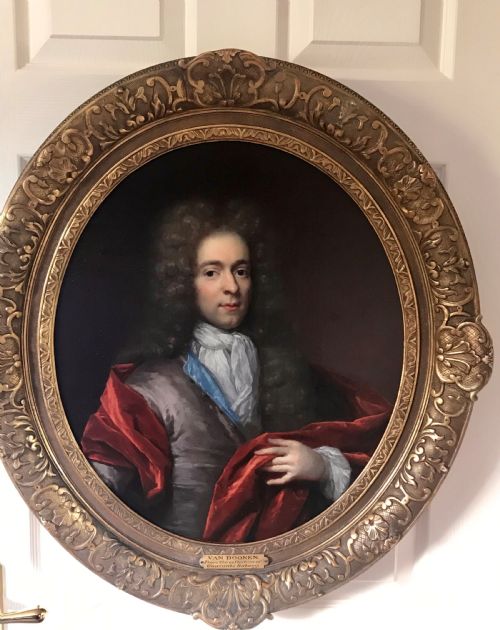
When you examine restoration period oil artwork, you are looking at oil paintings on canvas executed during the seventeenth century, frequently associated with the Baroque style, Stuart reign, and English Baroque traditions. These pieces predominantly take the form of portrait paintings depicting named sitters, gentlemen, ladies, and military officers.
The version you are most likely to meet on this page is a seventeenth-century portrait painting housed in a wood or giltwood frame. These works record the likenesses of historical figures, sometimes set within specific gardens or rendered by notable circles and schools of the period.
How they were made
These works are executed using oil paint on canvas, a medium that allowed artists of the seventeenth century to build rich layers of pigment and depth. Canvases are stretched over wood supports and housed within wood frames, often enhanced with gold leaf and giltwood detailing.
The technique relies upon the handling of oil and canvas typical of the Anglo-Dutch school, British Baroque, and seventeenth-century English studios. Painters applied pigments to capture elaborate costume, red coats, and facial expressions with sustained attention to texture and light.
What varies in quality
The distinction between works rests upon the hand of the artist, separating pieces produced by master portraitists and their immediate circles from workshop output and regional school productions. Mastery shows in the psychological depth of the sitter's expression and the confident rendering of elaborate costume.
Quality also resides in the preservation of the canvas and the original relationship between the oil painting and its frame. Works retaining their period wood frames or giltwood surrounds carry greater historical integrity than those altered over subsequent centuries.
David Scougall·Sir Peter Lely·Mary Beale·John Michael Wright·John Greenhill·Johann Kerseboom·John Riley·Arnold van Boonen
The Restoration Period Oil Artwork Glossary
- Baroque
- A style of European architecture, music, and art of the seventeenth and eighteenth centuries characterised by ornate detail and dramatic expression. In these paintings, it manifests in rich drapery and dynamic lighting.
- Giltwood
- Wood that has been covered with gold leaf or gold paint. Frames of this material are frequently paired with seventeenth-century canvases.
- Anglo Dutch School
- A grouping describing artists working between England and the Netherlands during the seventeenth century. Their portraiture reflects shared stylistic exchanges across the North Sea.
- Stuart
- Pertaining to the royal house that ruled England and Scotland through much of the seventeenth century. Portraits from this period often reflect the political and social shifts of the era.
Restoration Period Oil Artwork: Frequently Asked Questions
What is restoration period oil artwork?
These pieces are seventeenth-century oil paintings on canvas, predominantly portraits created during the Stuart and English Baroque eras. They depict named historical figures, nobility, and military officers.
The works reflect the painting techniques and aesthetic values of seventeenth-century Britain and Europe, capturing sitters in elaborate costume and formal garden settings.
How should I care for an oil painting on canvas?
Keep the canvas away from direct sunlight, extreme temperature fluctuations, and high humidity to prevent the paint and wood from warping or cracking. Dust the surface and frame gently with a dry, soft brush.
Avoid using water, chemical cleaners, or cloths on the painted surface. Professional conservation is recommended for any structural repairs to the canvas or giltwood frame.
How can I tell a seventeenth century portrait from later work?
Examine the materials, preparation of the canvas, and the style of the dress and hair depicted in the portrait. Seventeenth-century works utilise specific pigments and canvas weaves typical of the period.
The handling of oil paint by contemporary masters and schools provides structural clues that distinguish authentic Stuart period painting from later copies or revivals.
Were these portraits always framed in giltwood?
Many seventeenth-century portraits were housed in wood or giltwood frames designed to complement the status of the sitter and the interior architecture of the period. Frames often underwent updates or replacements in subsequent centuries.
Finding a painting paired with a period-appropriate frame enhances its historical context, though many canvases have been reframed over their long existence.