
Framed Oil Portrait Gentleman
When choosing a framed oil portrait gentleman, you examine centuries of sitters preserved in oil paint and housed in period frames.
Framed Oil Portrait Gentleman
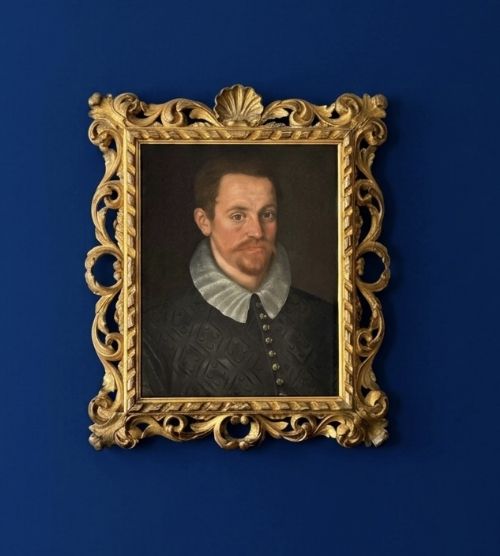
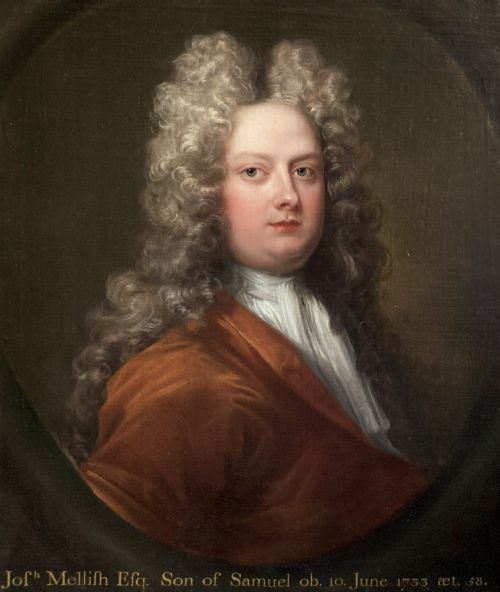
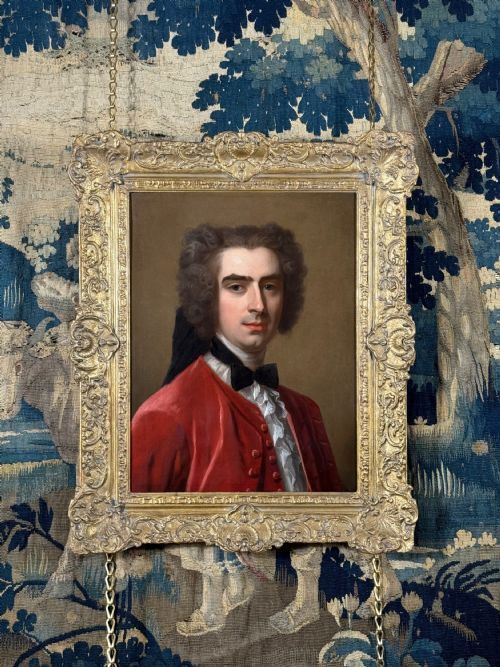
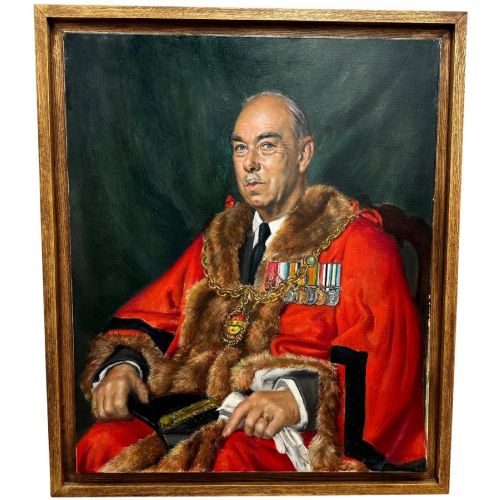
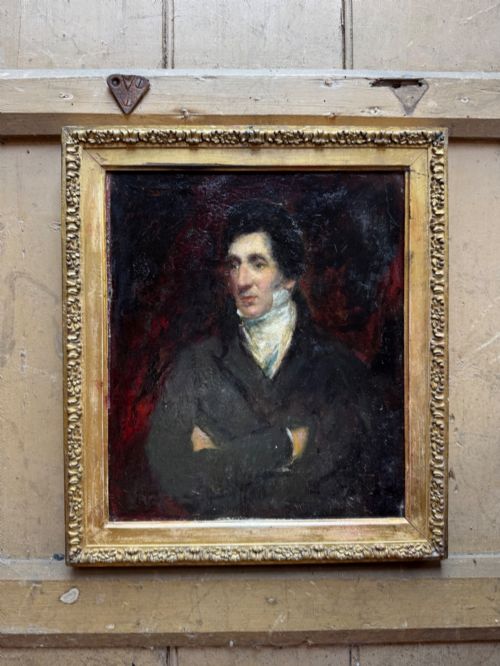
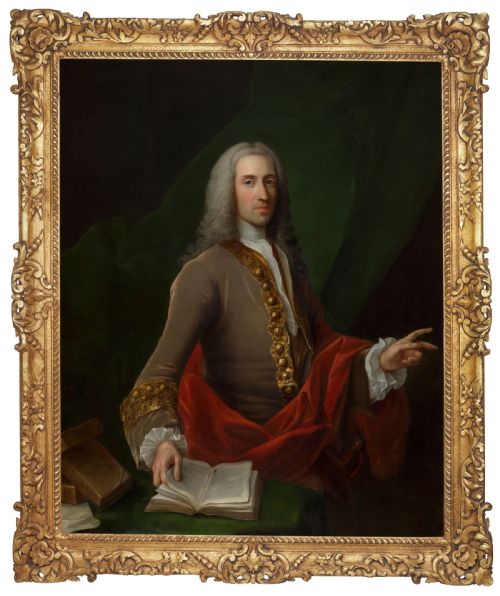
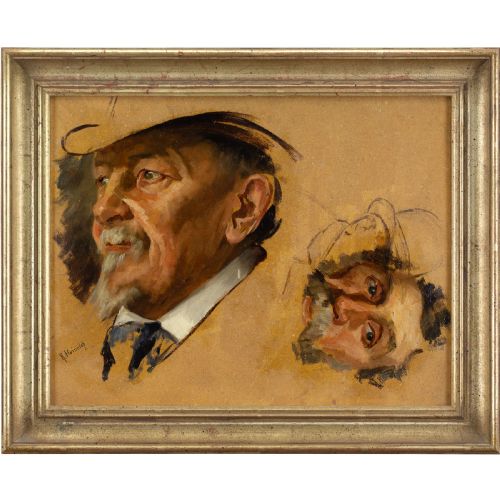
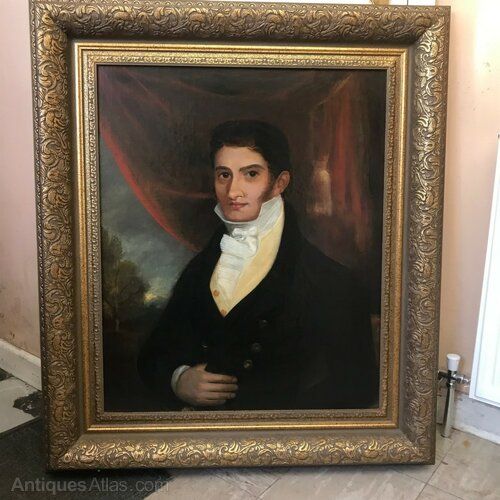
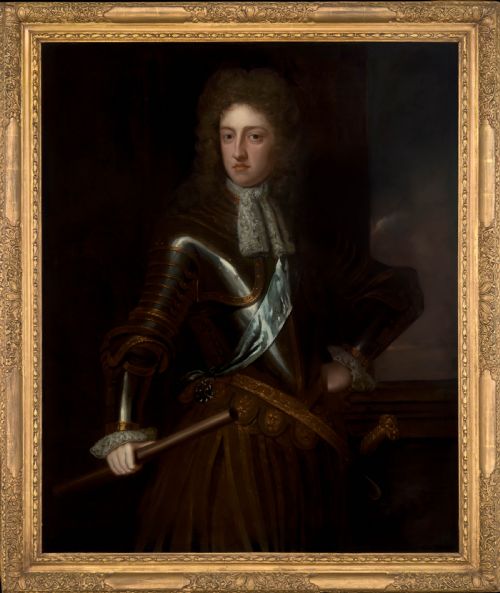
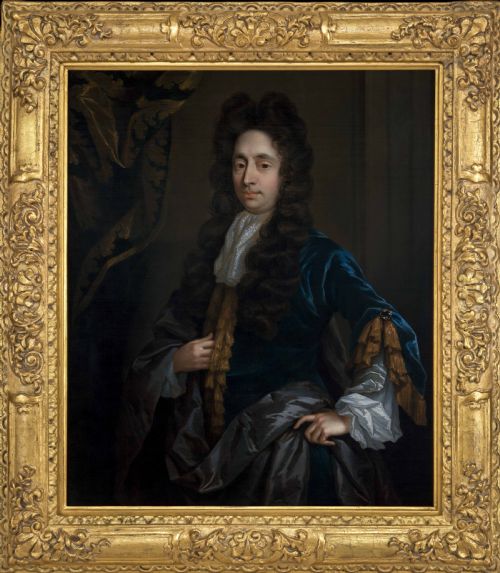
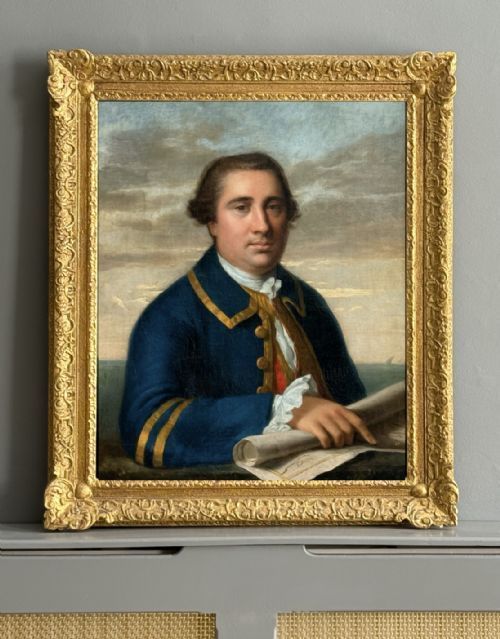
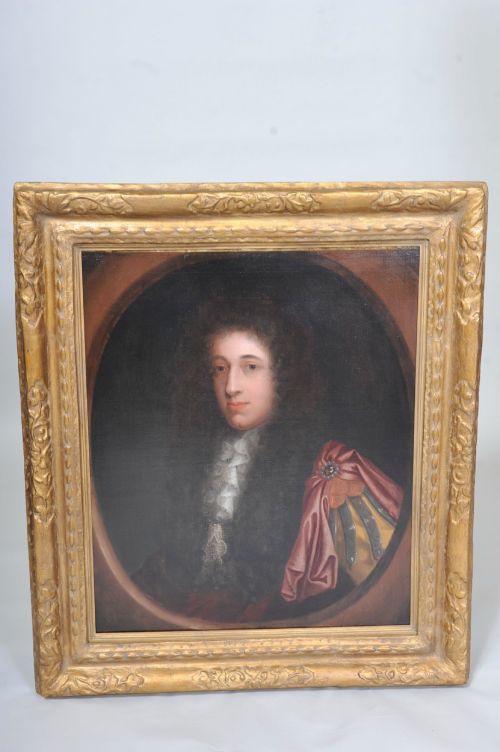
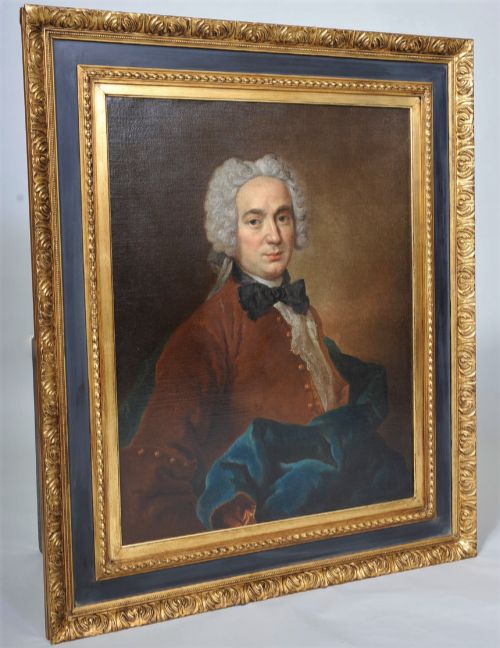
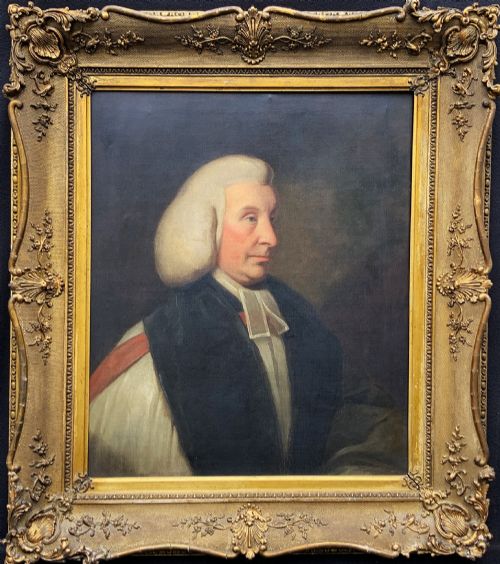
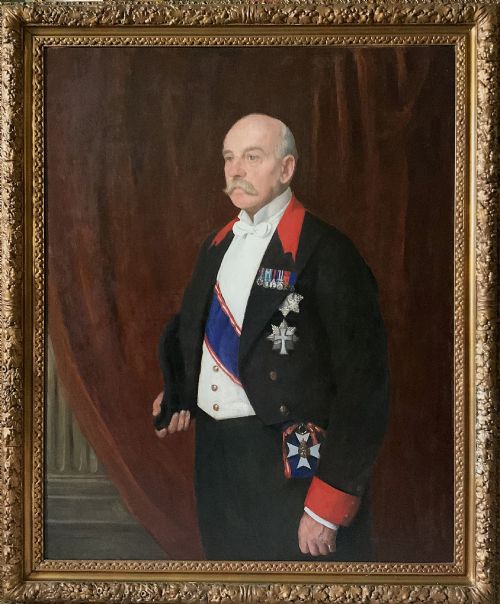
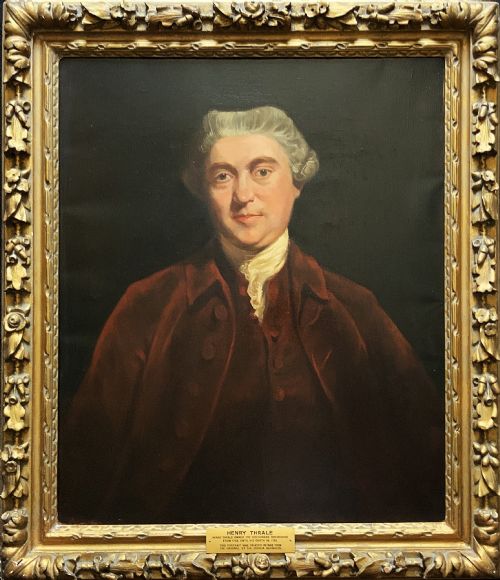
A framed oil portrait gentleman depicts male subjects ranging from 17th-century military officers and judges to 19th-century merchants and dignitaries. These works span the 17th, 18th, and 19th centuries, capturing changing fashions in coats, periwigs, and cravats.
The most common examples on this page are 18th-century and 19th-century oil on canvas paintings, often set within original giltwood or wood frames. Sitters include named historical figures alongside anonymous gentlemen recorded by regional British and continental schools.
How They Were Made
Artists applied oil paint to stretched canvas, wood panels, or wooden boards, utilising natural pigments to build up rich coats, drapery, and facial tones. Many canvases are accompanied by carved and gilded wooden frames finished with gold leaf.
Techniques range from the detailed realism of 17th-century studio practices to the broader brushwork found in later provincial and continental school paintings.
Listings feature oil on canvas and wood panel paintings spanning the 17th, 18th, and 19th centuries.
What Varies in Quality
Quality rests in the anatomical precision of the hands and face, the depth of character captured by the brush, and the harmony between the canvas and its period frame. Finer works display confident handling of textiles like velvet and lace, whereas simpler pieces rely on standard formulas.
The preservation of the original oil surface and the integrity of the wooden support also separate standard works from museum-grade examples.
Charles Jervas·Jean Baptiste Van Loo·Sir Godfrey Kneller·Constantyn Netscher·Lemuel Francis Abbott·Thomas Murray·John Scougall·John Michael Wright·Sir Joshua Reynolds·Edouard Pingret·Sir William Beechey·James Howe
The Framed Oil Portrait Gentleman Glossary
- Giltwood
- Wood carved and coated with gold leaf or metallic paint. This material forms the ornate frames frequently paired with formal oil paintings.
- Periwig
- A long, elaborate artificial hair wig worn by men of high status during the late 17th and early 18th centuries.
- Canvas
- Heavy woven fabric stretched across a wooden frame to serve as a stable foundation for oil paint.
- School
- A group of artists working in a particular region, period, or under the direct influence of a master.
- Realism
- An artistic style focused on portraying subjects accurately without theatrical idealisation.
Framed Oil Portrait Gentleman: Frequently Asked Questions
How do I identify the period of a portrait?
Study the clothing, hairstyles, and framing materials visible in the work. Specific items like periwigs, neck-cloths, and military uniforms offer clear chronological markers.
Compare the canvas preparation and stretcher construction with known examples from the same century to confirm the age.
Are these portraits always painted from life?
Many formal works were painted from direct sittings, particularly those by named portraitists. Other pieces originated from busy studios where assistants replicated successful compositions.
Posthumous portraits and copies after earlier masters also exist within this tradition.
How should I hang and light an oil portrait?
Position the painting away from direct sunlight and steady heat sources to protect the canvas and oil paint from cracking or fading. Use stable interior walls that experience minimal humidity shifts.
Lighting should be indirect or provided by low-heat picture lamps to preserve the pigment stability.
What do the clues in the background signify?
Background elements such as books, curtains, or distant landscapes indicate the profession, status, or interests of the sitter. A military officer might stand near a battlefield or wear a distinct red coat.
Judges, merchants, and landowners often included symbols of their office or estate to record their achievements.