





Stone Garden Pot
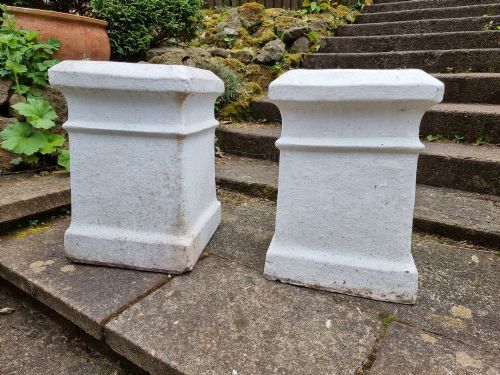
These stone garden pot selections bring enduring form to outdoor spaces, offering heavy planting vessels shaped by centuries of weathering and design.
Stone Garden Pot
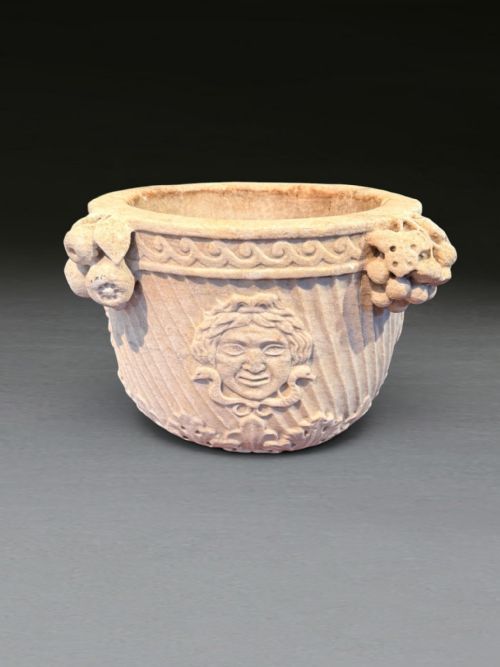
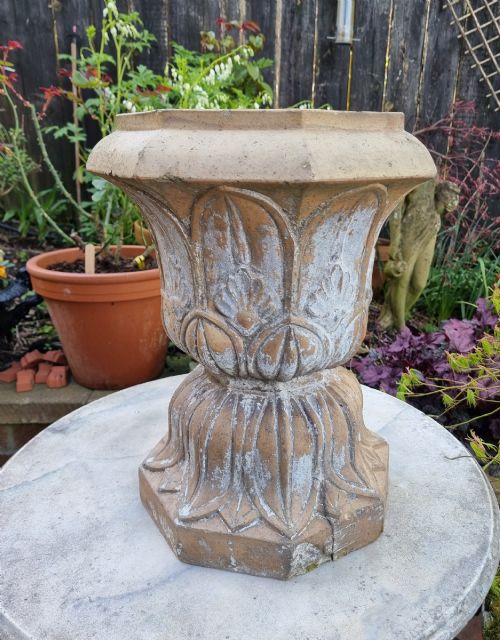
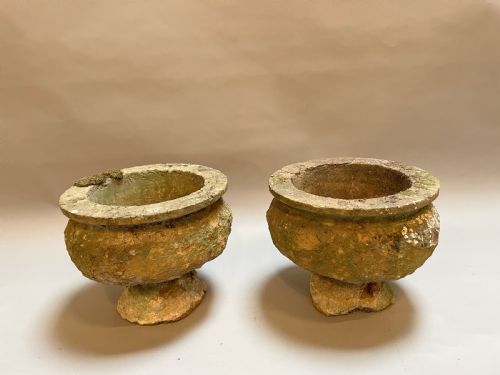
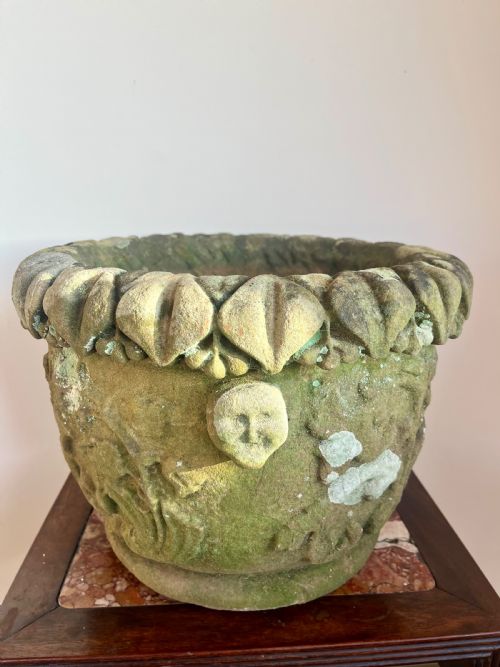
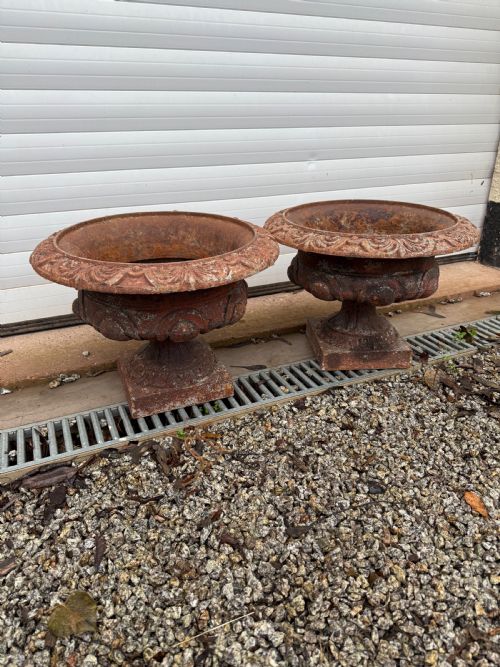
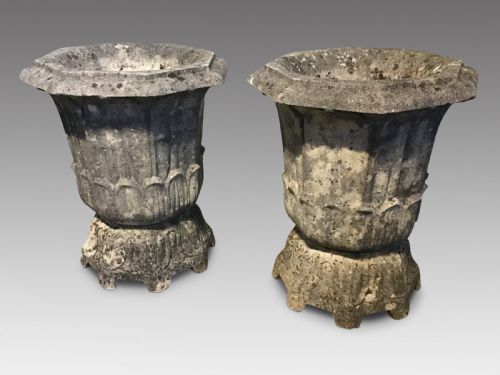
A stone garden pot encompasses a variety of heavy vessels designed for outdoor planting, ranging from classic campana urns to rustic troughs and pedestals. When searching for a stone garden pot, buyers encounter diverse forms shaped across distinct eras, from nineteenth-century terracotta and cast iron to sixteenth-century Italian Renaissance marble.
The pieces appearing on this page span several centuries, including Victorian examples alongside earlier seventeenth and eighteenth-century creations. Forms vary from simple round planters and mortars to elaborate neoclassical and Gothic revival urns.
Origins stretch across British, European, and colonial traditions, showing how different cultures adapted stone, terracotta, and cast metal for garden display. Most examples found here lean toward robust nineteenth-century production, though earlier carved stone and marble pieces appear.
Materials and construction methods
Construction relies heavily on traditional casting, carving, and moulding techniques applied to durable outdoor materials. Natural stone and marble are hand-carved, whilst terracotta and cast iron undergo specialised firing and foundry casting processes.
Reconstituted stone and cast stone utilise crushed aggregates bound together to replicate the weight and texture of quarried rock. Salt glazing and paint finishes occasionally appear on terracotta and iron surfaces to provide additional protection against the elements.
Listings feature materials including terracotta, reconstituted stone, cast iron, marble, and natural stone across styles from the sixteenth to the twentieth century.
Assessing quality and character
Quality rests in the crispness of the original modelling, the depth of hand-carving, and the integrity of the material used. Fine marble and early carved stone display precise architectural detail, whereas lesser pieces show softer, simpler casting lines.
Surface weathering and natural patination significantly influence the appeal of each vessel, reflecting decades or centuries of exposure. The thickness of the walls and the balance of proportions between the bowl and pedestal also distinguish superior examples.
Andrew Handyside
The Stone Garden Pot Glossary
- Campana urn
- A bell-shaped garden vessel with an everted rim and a pedestal foot. This classical form originates from antiquity and remains popular in nineteenth-century garden design.
- Terracotta
- Fired clay used extensively for garden pots and urns. It develops a characteristic warm earthy hue and porous quality that absorbs moisture over time.
- Reconstituted stone
- A composite material made from crushed stone and cement binder, moulded into decorative garden forms. It provides a heavy, durable alternative to natural quarried rock.
- Salt glaze
- A glassy, slightly textured coating formed by throwing salt into the kiln during high-temperature firing. This finish appears on certain nineteenth-century stoneware pieces.
- Mortar
- A heavy stone vessel traditionally used for grinding materials, repurposed in gardens as a robust planter. These items typically feature thick walls and simple, utilitarian profiles.
Stone Garden Pot: Frequently Asked Questions
How do I date a stone garden pot?
Dating relies on examining the material composition, tool marks left during manufacture, and the specific stylistic revival of the period. Nineteenth-century pieces often display machine-moulded consistency or typical Victorian casting seams.
Earlier examples from the sixteenth or seventeenth centuries generally show hand-carved tool signatures and heavier natural weathering patterns. Comparing the form against established neoclassical or Gothic revival styles helps narrow the timeframe.
Can these pots stay outside in winter?
Most stone, cast iron, and reconstituted stone vessels withstand cold winter temperatures without issue. However, traditional terracotta and porous natural stone can crack if water freezes inside saturated walls.
Elevating pots on small feet prevents them from sitting directly in freezing puddles. Placing insulating material inside or moving delicate marble pieces under cover during severe frosts offers extra protection.
What is the difference between cast stone and natural stone?
Natural stone is quarried directly from the earth and hand-carved into shape, resulting in unique geological variations and tool marks. Cast stone is a manufactured composite made from crushed stone aggregate mixed with a binder.
Natural stone usually commands higher interest due to its individual craftsmanship and age. Cast stone replicates the appearance and weight of quarried rock but is produced using moulds.
How heavy are these garden pots?
These vessels are exceptionally heavy, often requiring mechanical lifting equipment or multiple people to position safely. Materials like cast iron, marble, and solid stone possess substantial mass that keeps them stable in high winds.
Terracotta and smaller reconstituted stone pots are slightly lighter but still demand careful handling. Assessing the weight before purchase ensures proper placement on terraces or lawns.