



Stone Animal Ornament
These stone animal ornament pieces bring carved marble, jade, hardstone, and serpentine figures into the home from the nineteenth and twentieth centuries.
Stone Animal Ornament
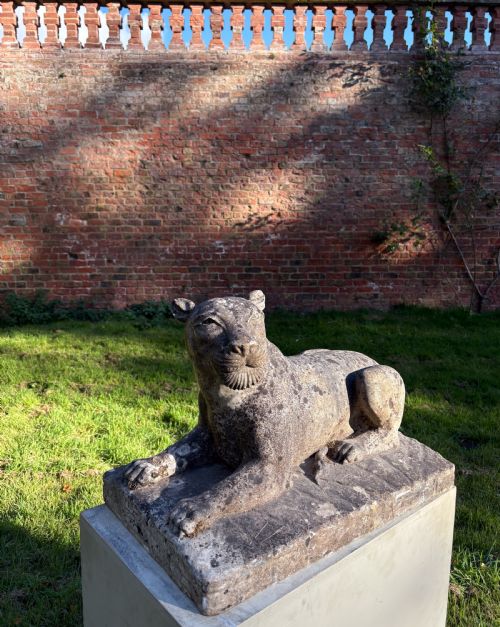
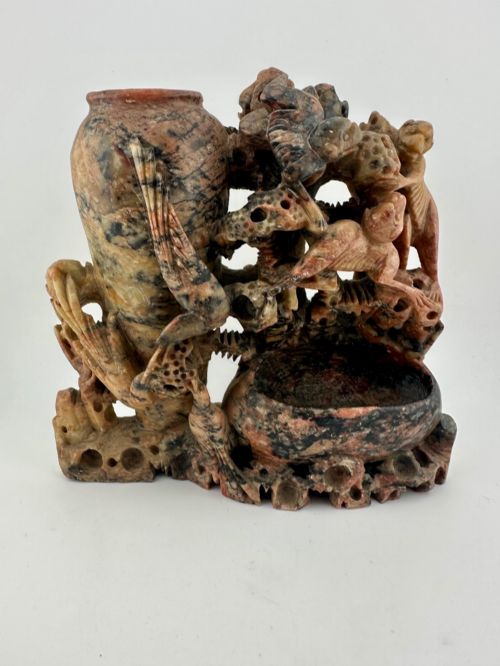
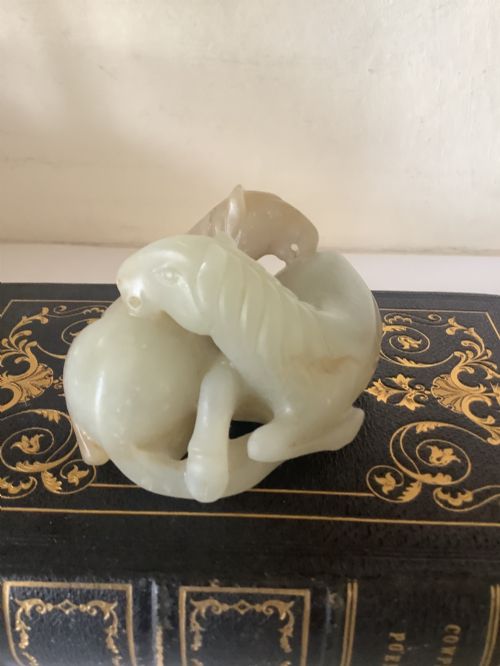
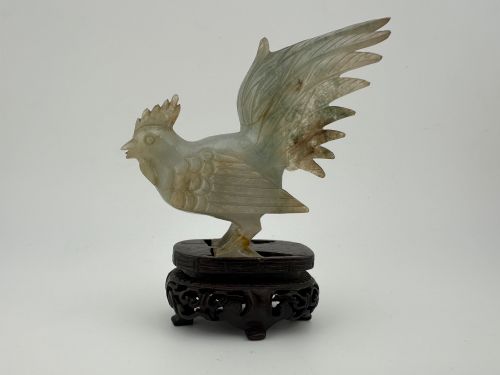
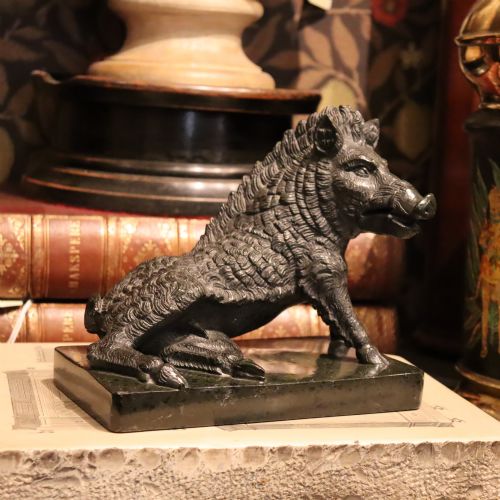
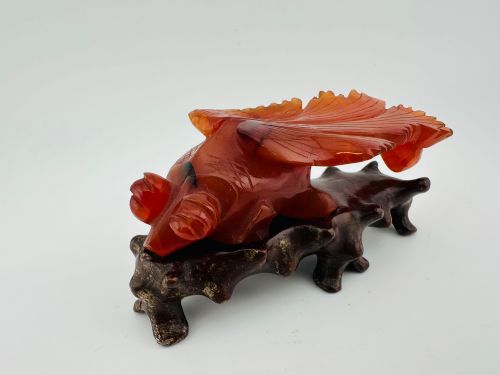
A stone animal ornament encompasses carved sculptures, garden statues, and decorative figures shaped from various minerals across multiple periods. The selection frequently includes Chinese carvings of horses, roosters, goldfish, and pigs alongside Italian Grand Tour models of boars, hounds, and stallions. Buyers will encounter both indoor cabinet miniatures and large outdoor garden pieces in stone.
The aesthetic traditions span Traditional Chinese workshops, the Qing Dynasty, the Chinese Republic Period, European Grand Tour interpretations, and Art Deco design. Materials range from pale green jade, lapis lazuli, carnelian agate, and soapstone to serpentine marble, veined Carrara marble, and cast stone. These items function as decorative sculptures, garden statues, and desktop studies.
Pieces from the nineteenth century often lean toward classical Italian specimen marble or detailed Asian hardstone studies on fitted wooden stands. Twentieth-century examples shift towards Art Deco alabaster depictions of big cats and English cast stone garden groups. Each piece reflects the sculptural conventions and decorative tastes of its specific period of origin.
Materials and methods
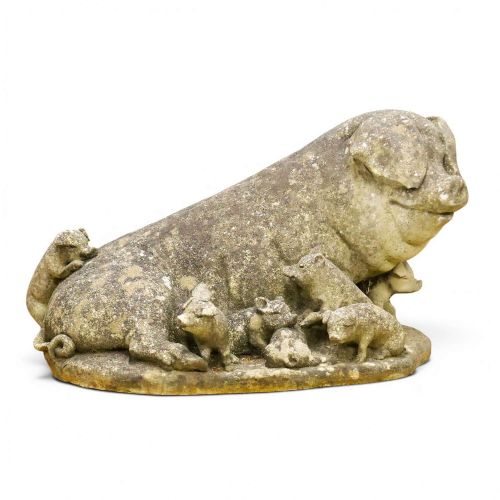
European workshops utilised traditional masonry tools to shape Carrara and green marble into classical animalier subjects such as the Florentine boar and the Dogs of Alcibiades. Garden statues relied on cast stone techniques, pressing aggregate mixtures into moulds to create durable outdoor animal groups like sows and piglets. Artisans finished these surfaces by hand, leaving tool marks or high polishes depending on the desired visual effect.
Stone Animal Ornament Retail Price Guide 2026
Typical asking prices for stone animal ornament among the pieces listed under this phrase on Sellingantiques today, from the lower quarter to the upper quarter. They describe what is for sale here now, not the wider market.
Listings feature hardstone, jade, soapstone, and various marbles across nineteenth and twentieth-century periods.
Assessing quality
Quality rests upon the natural figuring of the stone, the anatomical accuracy of the animal, and the crispness of the carving. Superior items display harmonious integration of natural mineral veins within the animal's form, avoiding unsightly flaws that disrupt the sculpture. Finer examples capture realistic musculature, posture, and facial expression rather than adopting generic or stiff outlines.
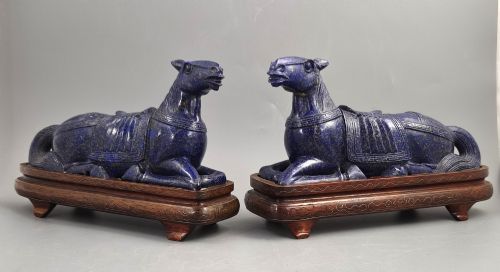
The refinement of ancillary elements, such as the precision of fitted hardwood stands or silver inlay work, distinguishes higher-grade Asian cabinet pieces. In larger marble and cast stone works, depth of relief and clean edge definition separate standard production from master craftsmanship. The treatment of the surface polish also dictates the visual impact, revealing the stone's inner depth without obscuring carved details.
The Stone Animal Ornament Glossary
- Hardstone
- A semi-precious mineral such as jade, agate, lapis lazuli, or serpentine carved into decorative objects. These materials demand considerable skill to work due to their natural toughness.
- Serpentine Marble
- A dark green metamorphic rock resembling jade with cloudy or mottled markings. Italian carvers frequently utilised this stone for classical animal models.
- Grand Tour
- A nineteenth-century tradition where travellers collected souvenirs of classical art and architecture abroad. This style often produced miniature marble copies of famous antique sculptures.
- Animalier
- A nineteenth-century artistic focus on the realistic depiction of animals in sculpture. Artists captured beasts in natural poses with close attention to anatomy.
- Recumbent
- An artistic term describing an animal lying down in a restful posture. This position is common in carved jade and lapis lazuli figures mounted on stands.
Stone Animal Ornament: Frequently Asked Questions
Can these garden statues stay outside all winter?
Cast stone garden statues generally withstand outdoor placement, but severe frost can damage porous materials if moisture penetrates the structure. Moving larger pieces into a sheltered porch or covering them during freezing weather prolongs their condition.
Indoor cabinet sculptures in jade, soapstone, or alabaster must remain inside, as domestic minerals are unsuited to moisture and extreme temperature fluctuations.
What is the purpose of fitted hardwood stands?
Hardwood stands provide a stable, protective base for delicate Asian hardstone and jade carvings. They are traditionally carved to match the precise contours of the animal's underside, securing the sculpture without adhesives.
These stands enhance the display height and aesthetic balance of cabinet miniatures while protecting polished stone surfaces from scratching on tabletops.
How can I tell nineteenth-century marble from later pieces?
Nineteenth-century Italian marble studies often exhibit hand-finished tooling marks, natural weathering patinas, and specific classical motifs associated with the Grand Tour. The mineral composition and weight reflect traditional quarrying and hand-carving methods of the period.
Twentieth-century pieces, by contrast, frequently adopt streamlined Art Deco styling or utilise modern casting compounds for garden statuary. Examining the base and surface wear helps indicate the manufacturing era.