







Stipple Engraving Art
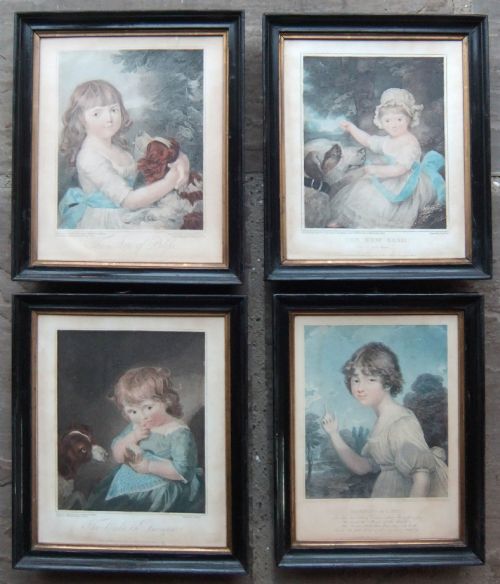
These stipple engraving art pieces offer delicate tonal gradation and refined neoclassical lines, collected for their intimate scale and skilled dot-work technique.
Stipple Engraving Art
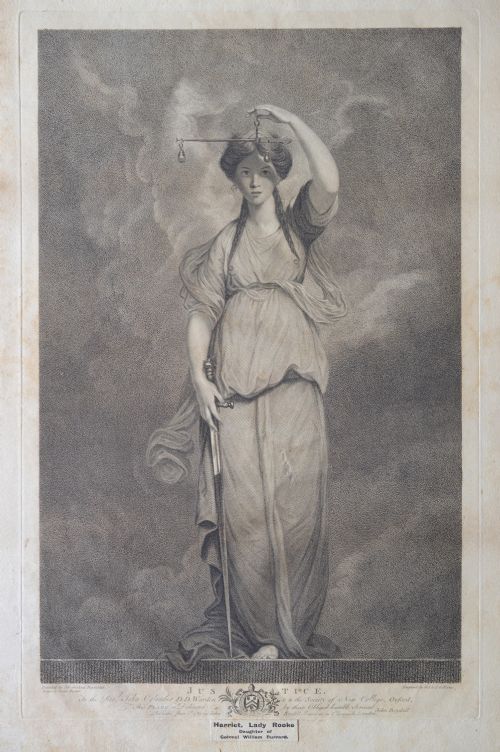
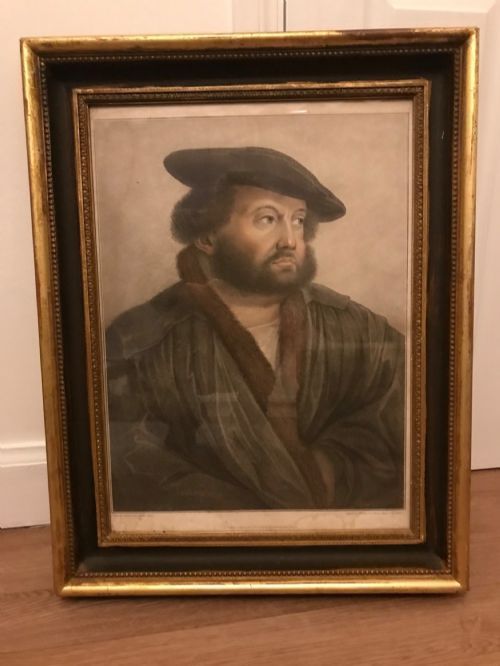
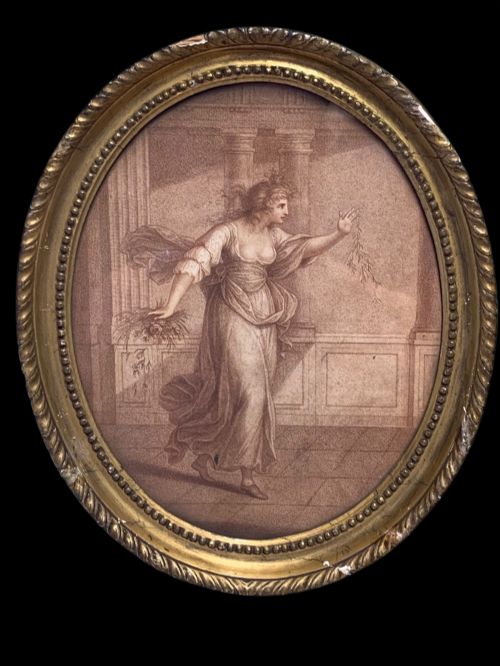
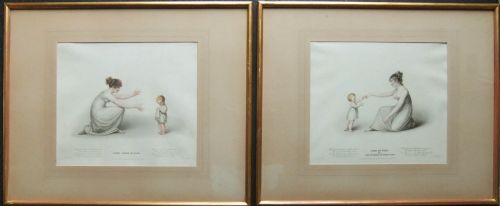
Stipple engraving art encompasses printed works created by building up images through dots and small dashes rather than continuous lines. When you search for stipple engraving art, you encounter portrait prints, allegorical scenes, and narrative pairs produced during the eighteenth and nineteenth centuries.
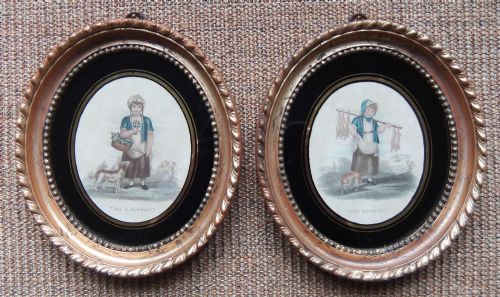
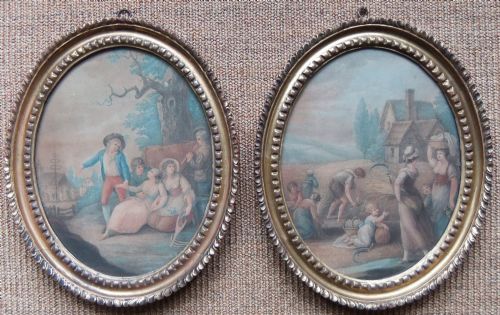
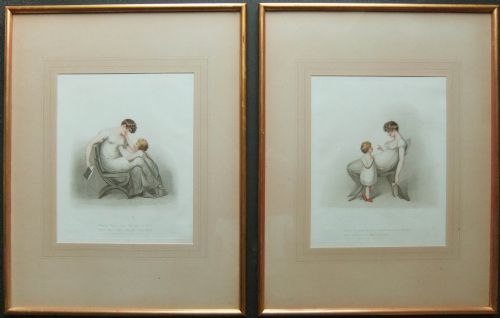
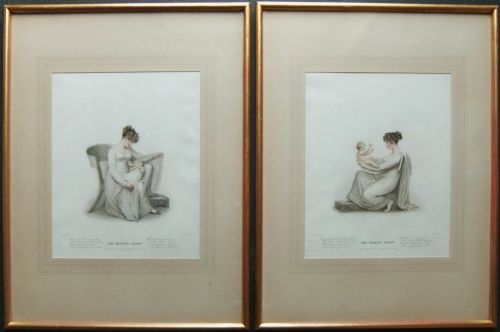
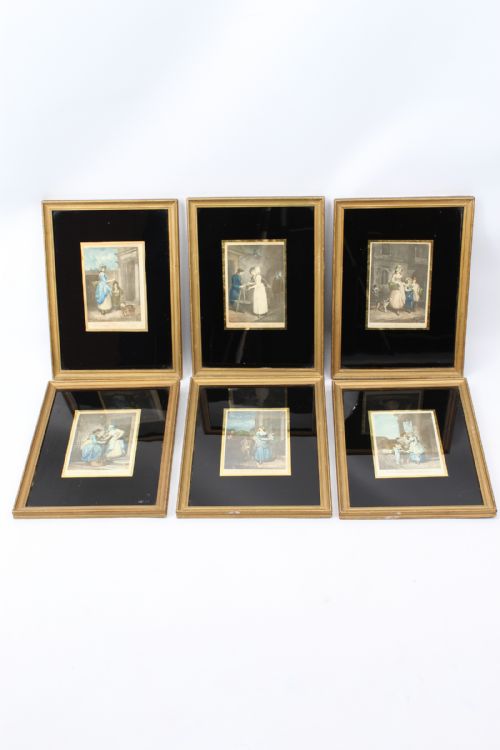
The versions most common on this page date from the Georgian and Regency periods, often presented in period frames of wood or giltwood. They frequently depict classical figures, military subjects, or domestic sentimental scenes.
Makers and artists represented include Francesco Bartolozzi, Adam Buck, and E. Jackson Stodart. The objects range from single sheet prints on paper to delicate examples worked on silk.
How they were made
The technique relies on puncturing a copper printing plate with a stipple graver or etching needle through a ground, creating varied clusters of dots that hold ink. Printers then transferred these inked impressions onto paper or silk, sometimes applying watercolour highlights by hand.
Framing materials reflect the period of production, incorporating glass, ink, gold leaf, and gilt wood. Mounts and frames are frequently contemporary to the print, utilising Hogarth styles or traditional joinery.
Stipple Engraving Art Retail Price Guide 2026
Typical asking prices for stipple engraving art among the pieces listed under this phrase on Sellingantiques today, from the lower quarter to the upper quarter. They describe what is for sale here now, not the wider market.
Current listings span the eighteenth century to the twentieth century, utilising paper, silk, brass, and giltwood.
What varies in quality
Quality in these prints depends on the crispness of the dot formation and the subtlety of the tonal transition across the plate. Finer impressions retain minute gradations of shadow and light that lesser strikes lose.
The preservation of the original paper or silk surface alongside contemporary framing significantly influences the standing of a piece. Hand colouring, where present, should complement the underlying stipple work without obscuring the engraved dots.
Francesco Bartolozzi·Adam Buck·E. Jackson Stodart
The Stipple Engraving Art Glossary
- Stipple engraving
- A printmaking technique where tonal values are rendered through patterns of dots rather than continuous lines. This method allows for soft flesh tones and subtle shadows.
- Hand-coloured
- A print finished with watercolour or washes applied by hand after the initial impression is pulled. This adds specific hues to garments or backgrounds.
- Giltwood
- Wood that has been coated with gold leaf or a gold-coloured metallic finish. It is commonly found on frames from the Georgian and Regency eras.
- Etching
- A process where acid bites lines into a metal plate to hold ink. It frequently appears combined with stipple work on eighteenth-century plates.
Stipple Engraving Art: Frequently Asked Questions
What is stipple engraving art?
Stipple engraving art consists of printed images formed by tiny dots punched into a copper plate. These works are known for their gentle shading and detailed portraits.
Most examples date from the eighteenth and nineteenth centuries, often depicting classical or domestic subjects.
How should I frame these prints?
These works look best in period frames such as simple wood mouldings or giltwood designs. Matching the frame to the era of the print maintains historical harmony.
Ensure conservation glass is used to protect paper and silk surfaces from ultraviolet light damage.
Are these prints hand coloured?
Many examples feature delicate watercolour washes applied by hand over the printed ink lines. This practice was common in the Georgian and Regency periods to enhance visual appeal.
Close inspection reveals brushwork distinct from the printed dot matrix beneath.
How do I identify a period frame?
Period frames often display traditional corner construction, old gilding techniques, and hand-pulled glass with minor imperfections. They show age-appropriate wear to the wood or gilt surface.
Examining the backboards and fixings often provides further clues to the age of the framing.