


Stick and Umbrella Stand
When you search for a stick and umbrella stand, you enter a utilitarian world of heavy cast iron and hearty oak designed to keep wet weather off the hallway floor.
Stick and Umbrella Stand
A stick and umbrella stand is primarily a piece of hallway furniture designed to corral walking sticks, umbrellas, and parasols in domestic interiors. The most common versions encountered here date from the Victorian and Edwardian eras, reflecting the high traffic of period entrance halls.
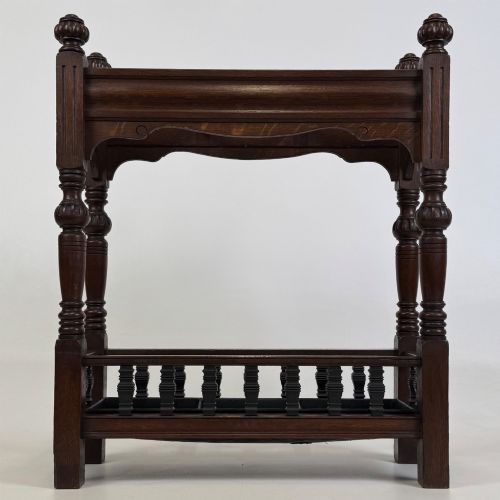
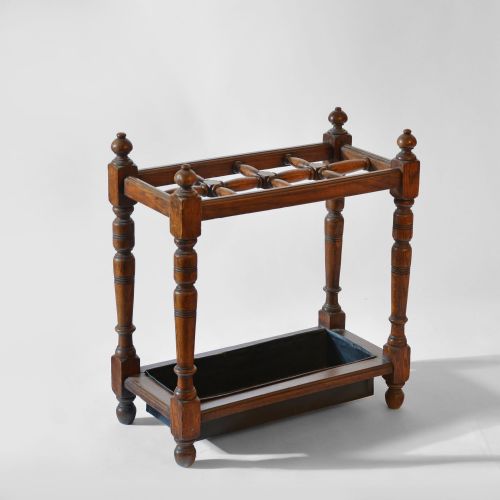
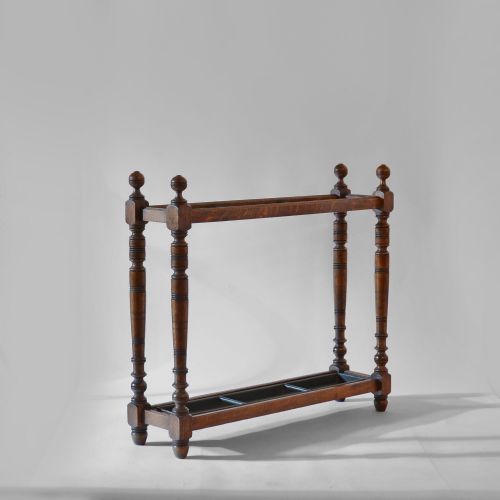
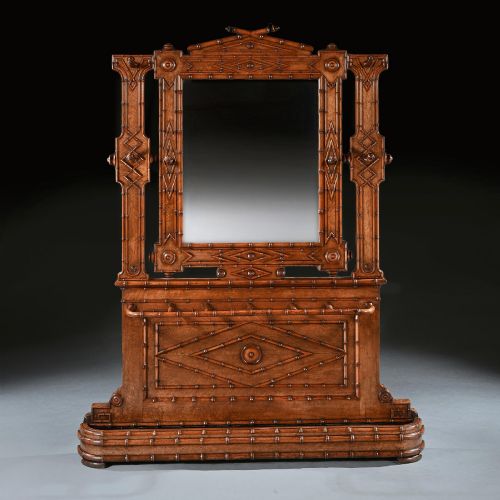
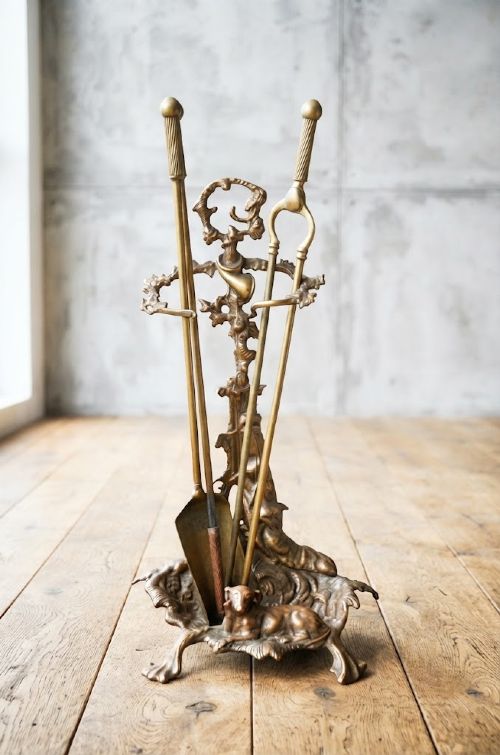
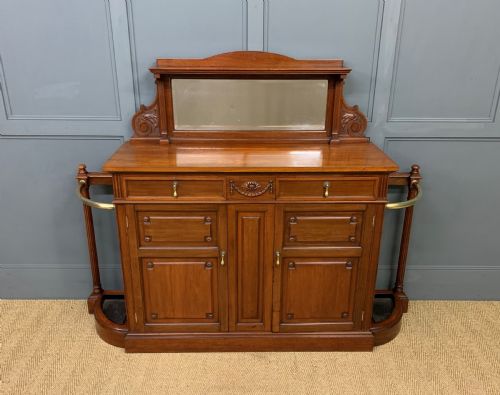
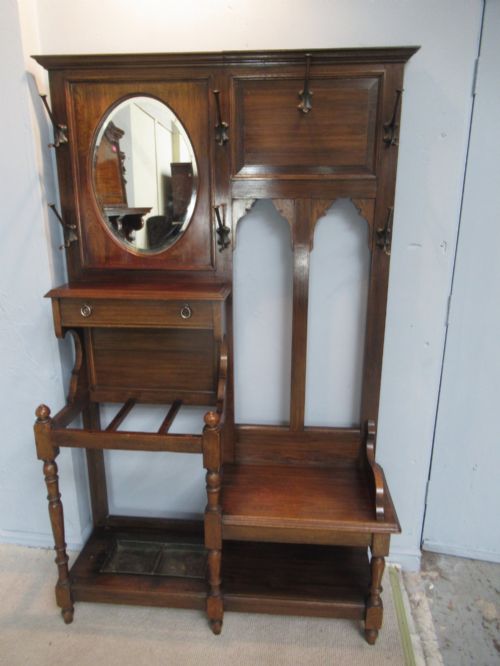
Forms range from compact corner frames and demi-lune metal racks to substantial hall stands integrating umbrella wells alongside coat hooks and mirrors. Materials span heavy structural timber like oak and mahogany, industrial cast iron, and bright brass.
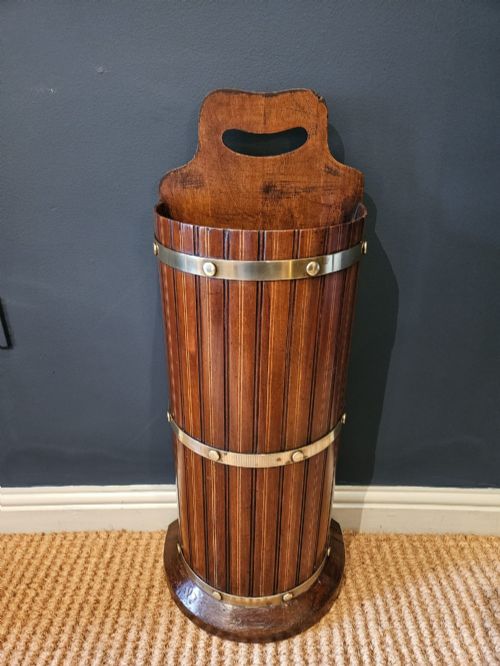
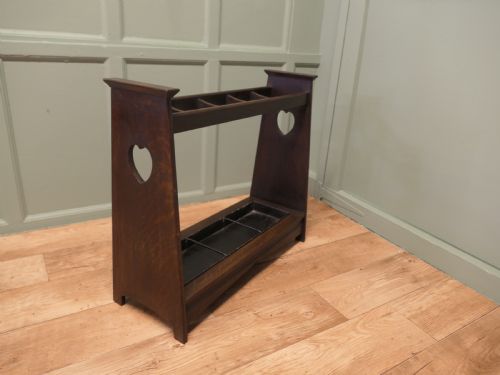
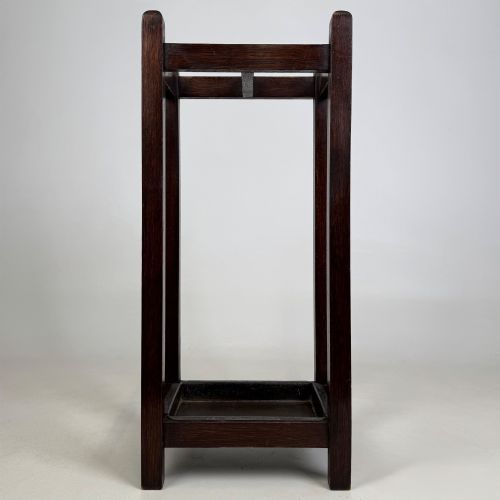
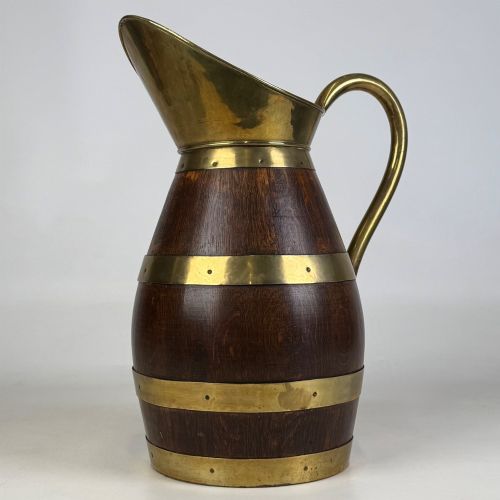
Makers often utilised coopered construction for wooden barrel forms, creating cylindrical vessels bound with brass hoops. These hall accessories also appear in Arts and Crafts, Art Nouveau, and Aesthetic Movement designs.
Materials and construction
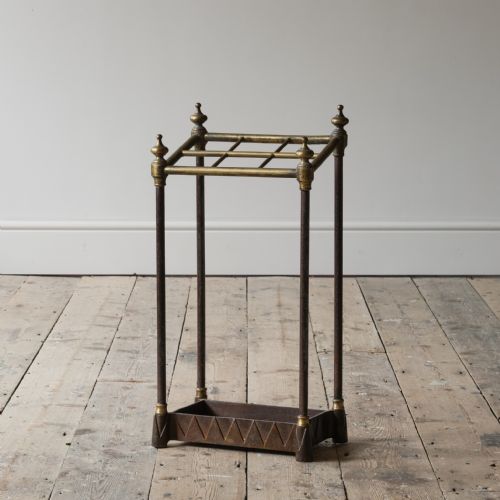
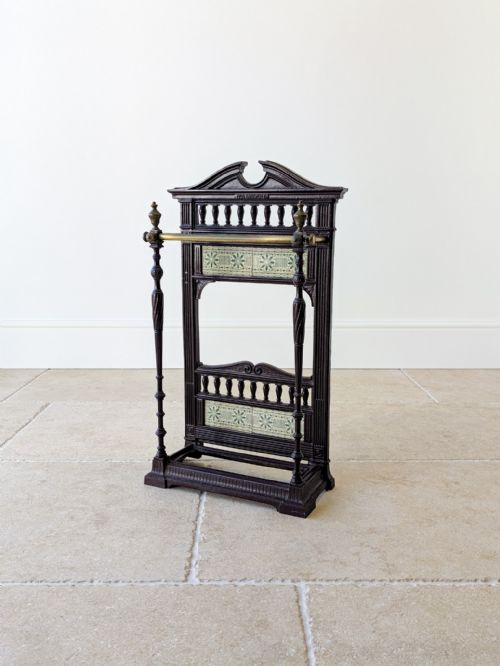
Cast iron examples rely on intricate foundry work, utilising openwork patterns or solid frames often paired with removable zinc or metal drip trays below. Coopered models use narrow staves of oak bound securely with brass or iron bands.
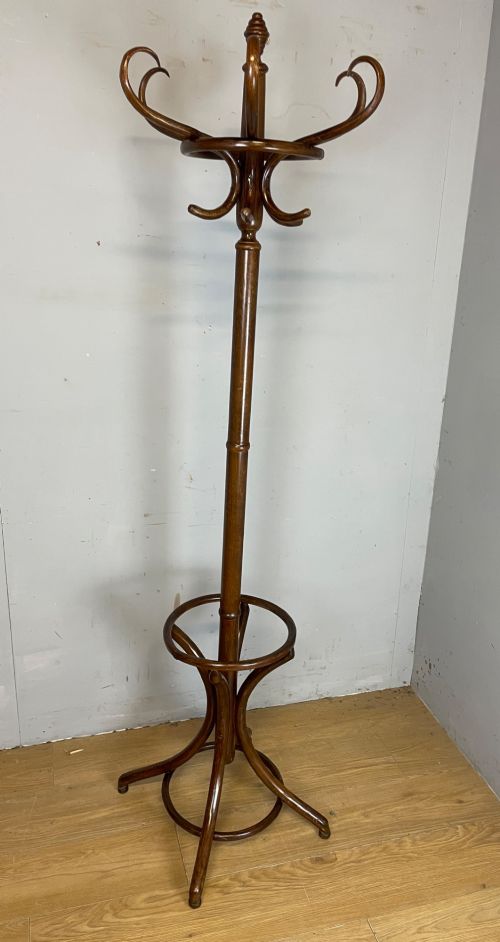
Bentwood versions employ steamed beech softened to create curved, lightweight frameworks suited to early twentieth-century interiors. Brass and copper variants incorporate beaten sheet metal, tubular rails, and ball finials joined to cast bases.
Ceramic models introduce glazed earthenware or porcelain bodies, sometimes featuring blue and white decoration or Iznik-revival motifs, supported within metal rings or freestanding cylindrical shapes.
Listings feature oak, brass, and cast iron as the dominant materials across Victorian and Edwardian periods.
Distinctions in quality
Quality rests on the integrity of the materials and the weight of the casting or timber used in construction. Heavy gauge brass and thick, dense oak demonstrate superior durability compared to lighter stamped metals and thin veneers.
The presence of original, intact metal drip trays adds significantly to the completeness of a piece, as these components frequently suffered from rust and subsequent loss. Finely chased metalwork, registered foundry marks, and thoughtful joinery distinguish standard utilitarian items from works of higher design ambition.
Coalbrookdale·Shoolbred & Co.·Théodore Deck·Thonet·Heals Of London
The Stick and Umbrella Stand Glossary
- Coopered
- Made by assembling curved wooden staves joined edge-to-edge and secured with metal hoops, much like a traditional barrel. This technique ensures stability in damp environments.
- Demi-lune
- A half-moon shape used for wall-mounted or space-saving stands that sit flat against a hallway surface. This form minimises the footprint in narrow corridors.
- Drip tray
- A shallow metal pan placed at the base of a stand to catch water running off wet umbrellas. These are essential for protecting both the stand and the floor beneath.
- Japonisme
- A nineteenth-century artistic style reflecting the influence of Japanese art on European design. It appears in the linear motifs and botanical subjects of certain hall furniture.
- Bentwood
- Wood that has been rendered pliable via steaming and then bent into curved shapes. It produces lightweight yet resilient furniture frames.
Stick and Umbrella Stand: Frequently Asked Questions
What is a stick and umbrella stand?
A stick and umbrella stand is a piece of furniture built to hold wet umbrellas and walking sticks upright in an entrance hall.
Most examples feature divided top rings to separate individual items and a base tray to catch dripping rainwater.
How were these stands used historically?
These stands occupied the entrance halls of country houses, townhouses, and hotels where guests deposited wet outerwear upon arrival.
They kept slippery umbrellas organised and prevented water from damaging timber or stone flooring.
How do I maintain an antique metal and wood stand?
Regular dusting and occasional treatment of wooden surfaces with suitable wax help preserve the finish of oak and mahogany.
Metal components benefit from keeping drip trays dry to prevent rust formation and corrosion over time.
How can I tell Victorian stands from Edwardian ones?
Victorian stands tend to feature heavier, more ornate cast iron work, darker dense timbers, and robust Gothic or classical motifs.
Edwardian pieces often display lighter oak construction, simpler lines, and influences from the Arts and Crafts or Art Nouveau movements.