

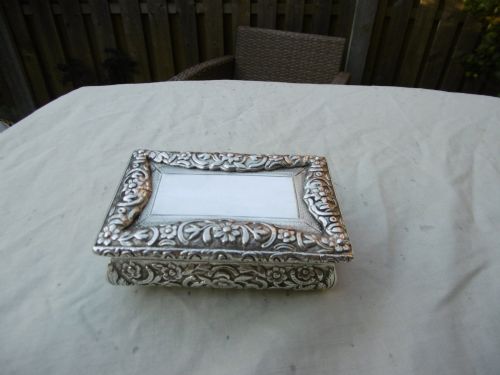
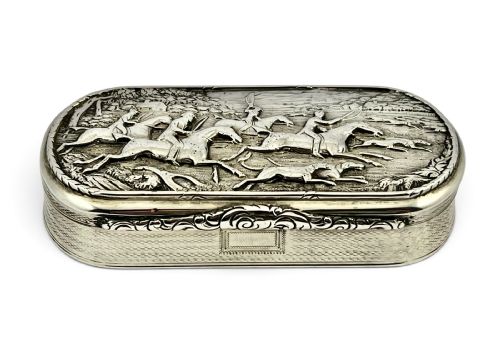
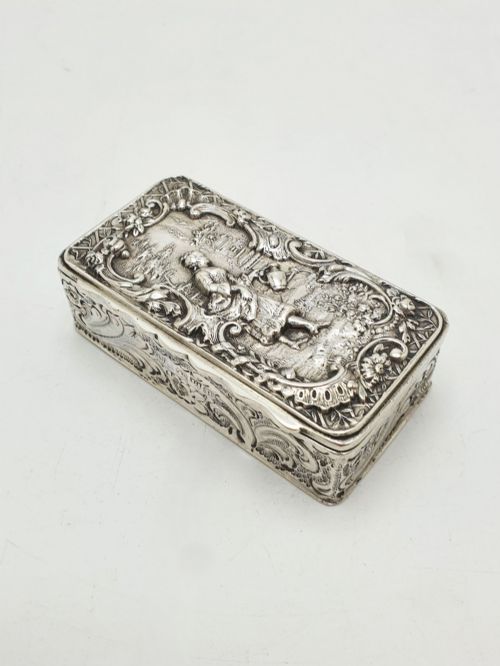
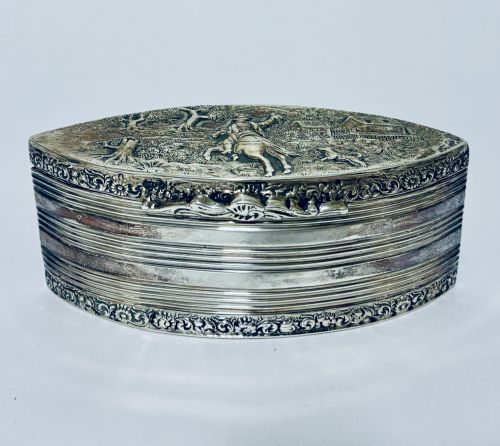

Sterling Tobacco Box
A sterling tobacco box brings together period craftsmanship and functional design, offering a portable or tabletop receptacle suited for snuff, cigars, and cigarettes.
Sterling Tobacco Box
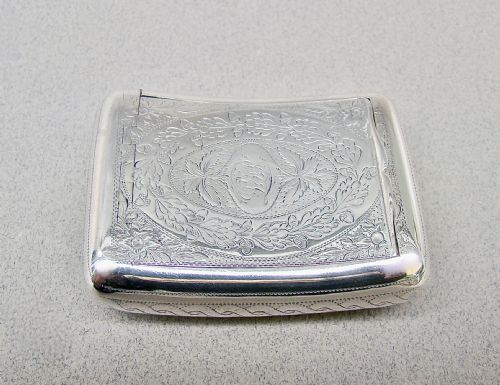
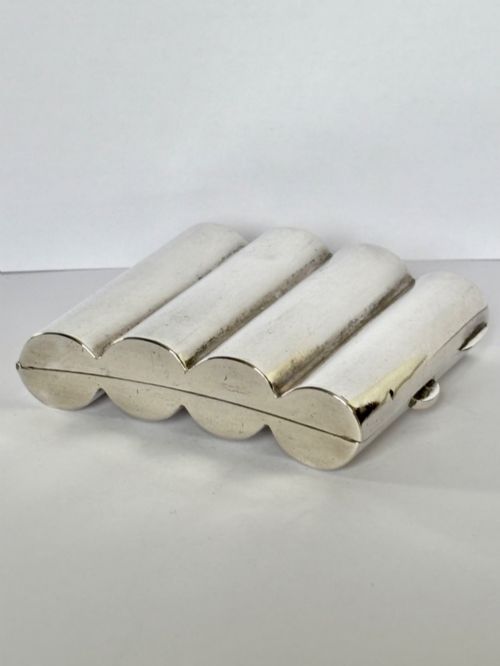
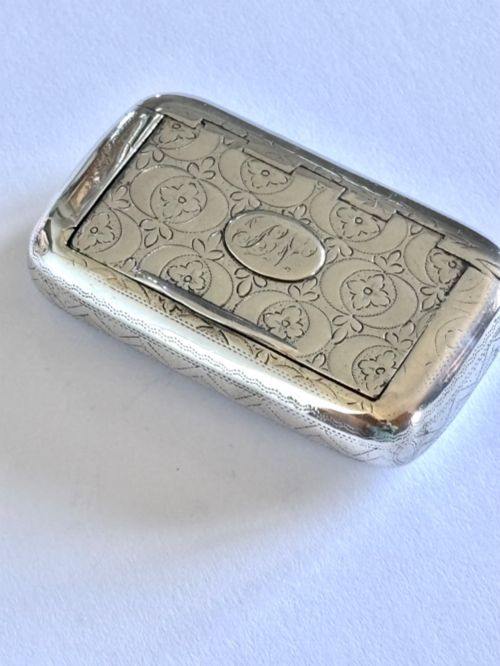
A sterling tobacco box encompasses a variety of receptacles designed for smoking materials, predominantly appearing as snuff boxes, cigar cases, and cigarette cases from the Georgian, Victorian, and Edwardian periods.
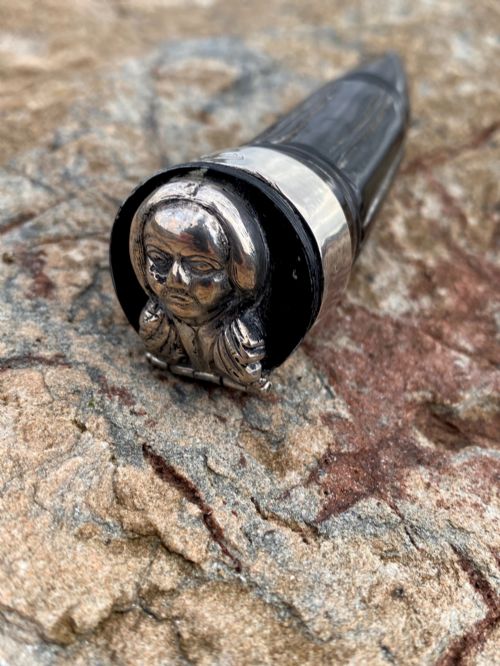
The objects on this page range from small pocket snuff boxes to substantial table boxes and combination pieces, incorporating materials such as sterling silver, silver gilt, oak, and crocodile leather.
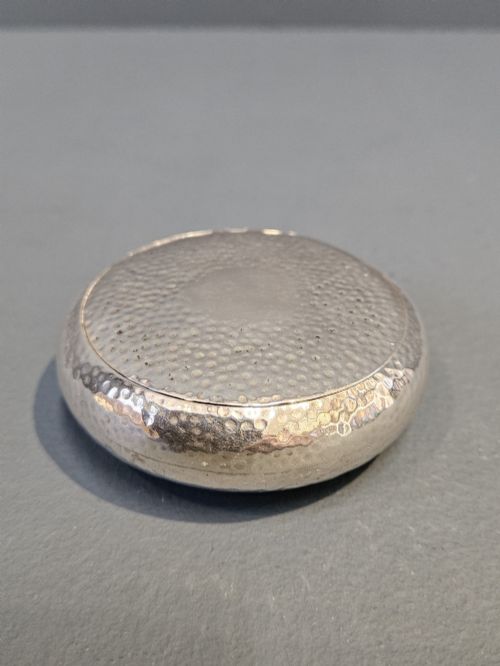
Origins span English, Scottish, and Irish workshops, reflecting stylistic shifts from bright-cut Georgian engraving through heavy Victorian repoussé work to Edwardian planished surfaces.
Materials and Techniques
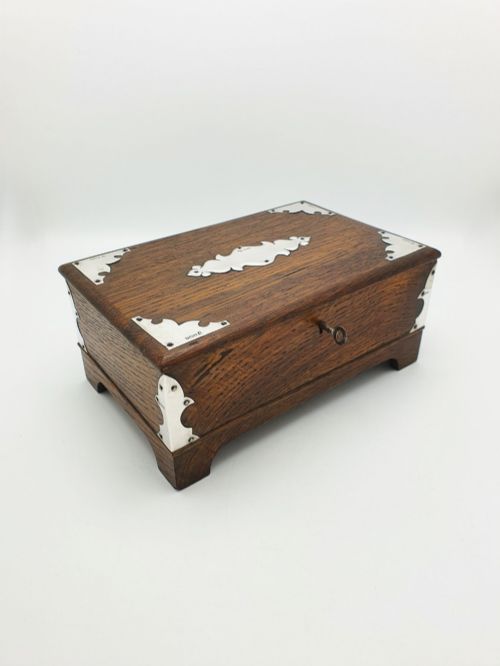
The construction relies primarily on sterling silver and silver gilt, often combined with wooden carcases like oak or organic outer layers such as crocodile skin leather.
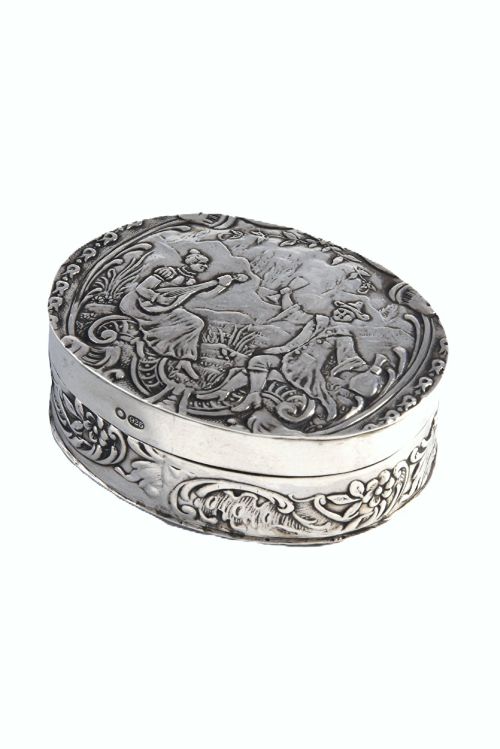
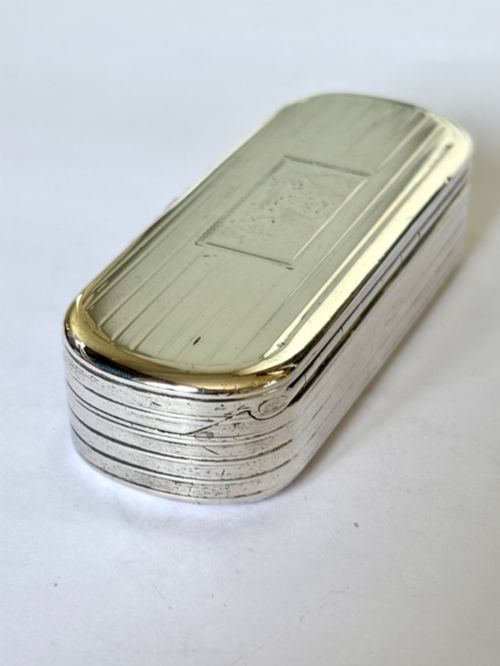
Silversmiths utilised techniques including chasing, repoussé embossing, bright-cut engraving, and engine turning to decorate the metal surfaces.
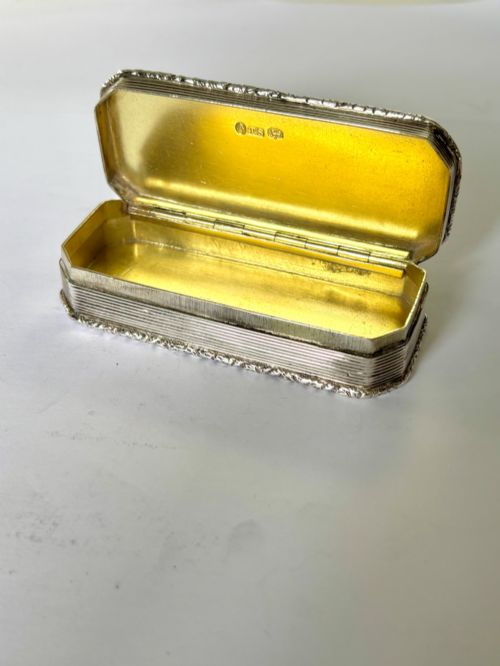
Interiors frequently received a gold wash, known as silver gilt, to protect the silver from the corrosive properties of tobacco.
Sterling Tobacco Box Retail Price Guide 2026
Typical asking prices for sterling tobacco box among the pieces listed under this phrase on Sellingantiques today, from the lower quarter to the upper quarter. They describe what is for sale here now, not the wider market.
Listings include combinations of silver with oak and crocodile leather.
Assessing Quality
Quality rests on the crispness of the chasing or engraving and the structural integrity of the hinges and lids, which should close securely.
The weight of the metal and the presence of a well-executed silver gilt interior distinguish substantial table pieces from lighter pocket containers.
Maker marks and clear hallmarks provide evidence of origin and standard, adding weight to the pedigree of the piece.
John Shaw·Joseph Wilmore·Henry Matthews·Robert Thornton·Thomas Shaw·Edward Smith·Cornelius Bland·William Eaton·Edward Edwards·Sampson Mordan
The Sterling Tobacco Box Glossary
- Sterling silver
- A silver alloy containing 92.5 percent silver by mass, forming the primary metal standard for these boxes.
- Silver gilt
- Sterling silver that has been coated with a thin layer of gold on the interior or exterior.
- Repoussé
- A metalworking technique where the smith pushes the metal out from the reverse side to form a raised design.
- Bright-cut engraving
- A surface decoration technique using faceted cuts to reflect light from the metal.
- Engine turning
- A mechanical engraving method producing intricate geometric patterns across the metal surface.
Sterling Tobacco Box: Frequently Asked Questions
What is a sterling tobacco box used for?
These boxes served to store and transport smoking materials or snuff safely in a pocket or on a table. They kept the contents dry and contained loose leaf or prepared portions.
Over time, different forms evolved to suit snuff, cigars, or cigarettes as social habits changed across the Georgian and Victorian eras.
How do I tell Georgian from Victorian pieces?
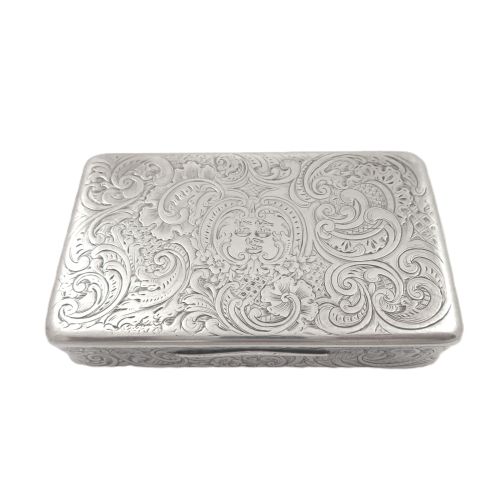
Georgian pieces often display bright-cut engraving, flush hinges, and lighter neoclassical or floral motifs. They date from the late eighteenth century up to the eighteen-thirties.
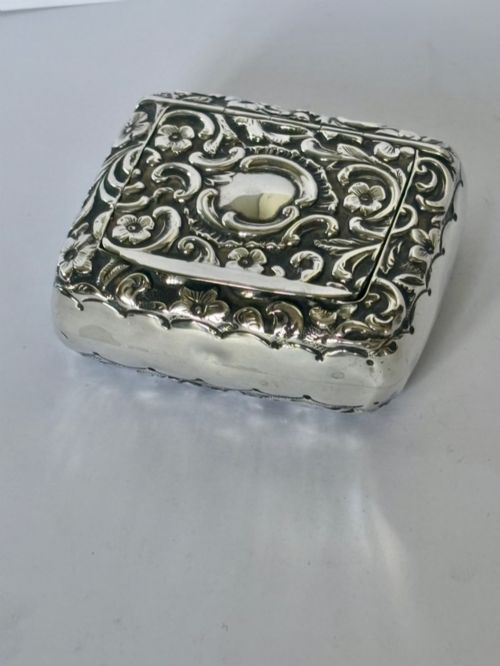
Victorian examples tend to be heavier, featuring bold repoussé work, embossed scrollwork, and gilt interiors reflecting industrial manufacturing advances.
What is a silver gilt interior?
A silver gilt interior is a thin layer of gold applied over the sterling silver inside the box. This layer protected the silver metal from tarnishing when exposed to acidic tobacco.
Many snuff and cigarette cases retain this golden finish inside while showing plain silver on the exterior.
How should I clean a silver tobacco box?
Silver boxes require gentle cleaning with a soft microfibre cloth to remove dust and light tarnish without harming engraved details. Avoid aggressive chemical dips that strip the antique patina or damage gilt surfaces.
Store the box in a dry environment away from direct sunlight to preserve any organic elements like leather or wood.