




Sterling Sugar Tongs
These sterling sugar tongs span the Georgian to Art Deco periods, bringing refined silver craftsmanship and tactile everyday utility to the modern tea table.
Sterling Sugar Tongs
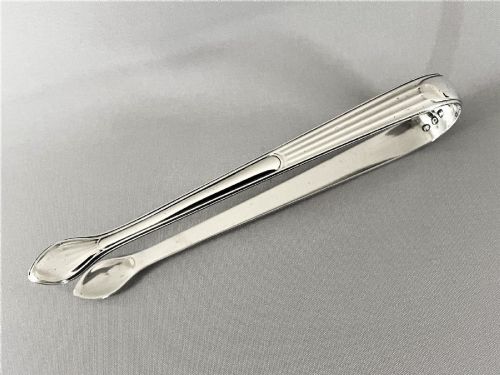
When searching for sterling sugar tongs, a buyer encounters a diverse range of implements designed to lift sugar lumps or loose grains into porcelain cups. The selection runs from delicate 18th-century cast silver and bright-cut Georgian designs to heavier Victorian iterations and sleek mid-century Scandinavian forms.
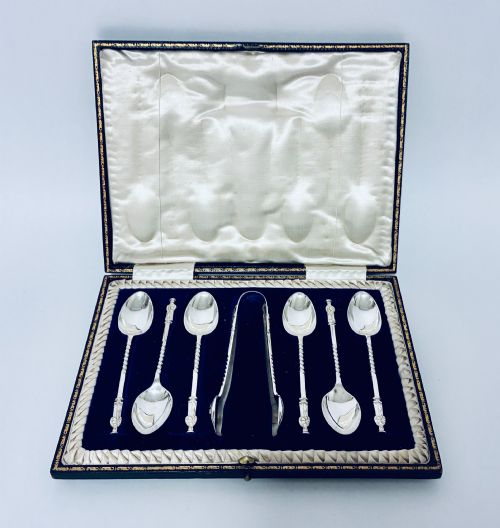
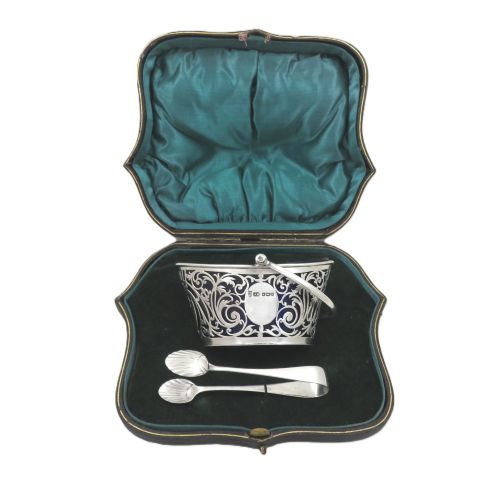
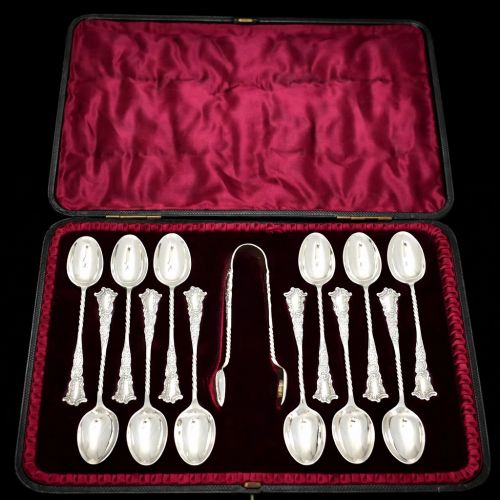
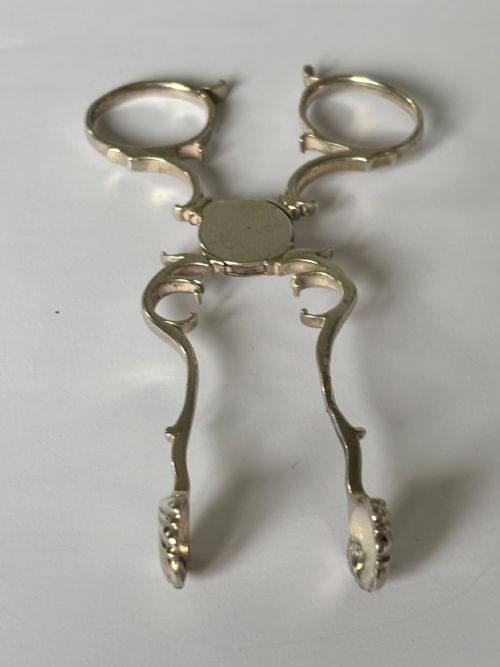
Most examples found in these listings take the form of springing bow arms or articulated scissor nips. Collectors frequently meet provincial Georgian pairs, novelty wishbone designs, and cased sets accompanied by matching teaspoons or sugar baskets.
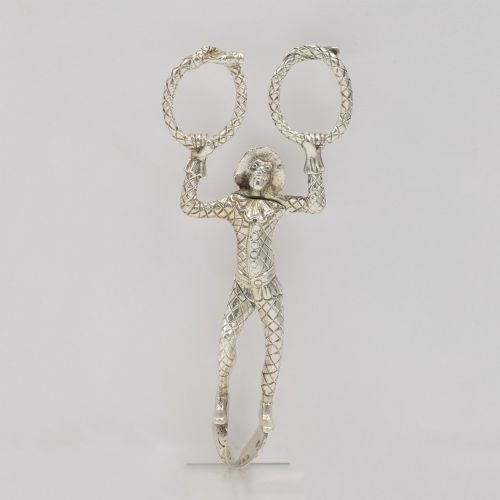
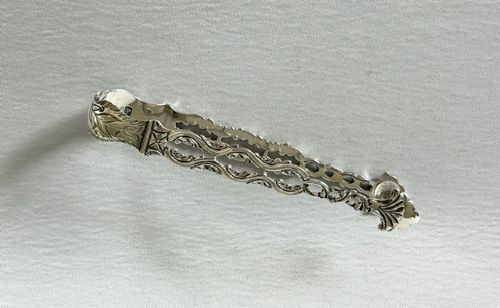
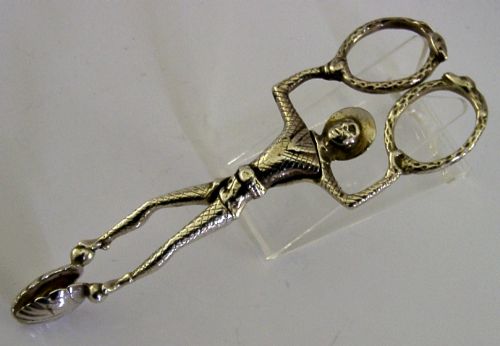
Makers utilised various regional assay offices across England, Scotland, and Ireland to mark their sterling silver wares. Alongside traditional bright-cut engraving and pierced bowls, certain pieces feature sculptural novelties such as harlequin jesters, monkey motifs, and eagle claws.
Materials and Construction
The primary material across all listed examples is solid sterling silver, occasionally paired with silver-gilt finishes or housed within fitted presentation cases lined with velvet, silk, and leatherette. Workshops relied on casting, piercing, and hand-engraving techniques to shape the thin silver bars into functional spring arms.
Early Georgian and Victorian makers utilised specialised dies and punches to strike family crests and maker marks directly into the metal surface. Articulated novelty pairs required precise mechanical joints and pins to allow components like eagle claws and wishbones to grip securely.
Listings feature sterling silver sugar tongs spanning the 18th Century through the Art Deco era, alongside cased sets with velvet linings.
Evaluating Craftsmanship and Design
Quality in sterling sugar tongs rests upon the crispness of the casting and the spring tension of the arms. Superior examples exhibit deep, clear hallmarks and intricate hand-piercing rather than pressed or stamped repetition.
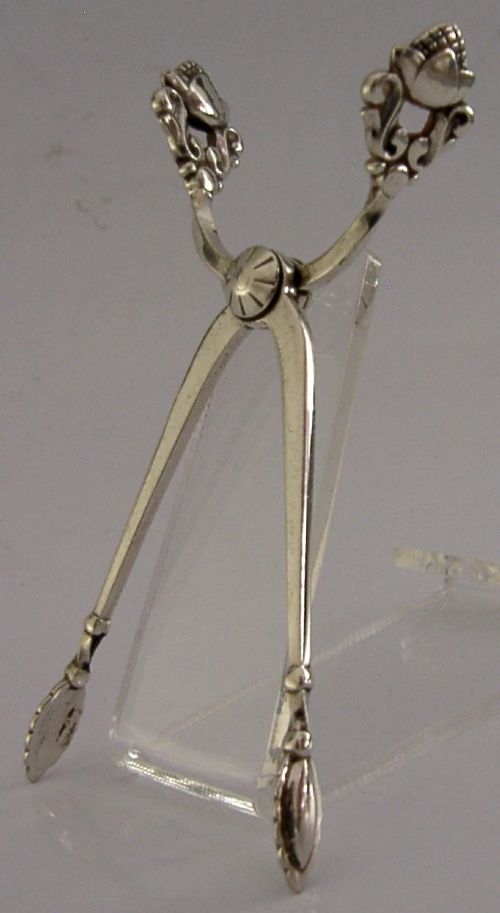
Makers with established reputations, such as Hester Bateman or Georg Jensen, demonstrate finer attention to proportion and decorative balance. The inclusion of original fitted cases or uncommon novelty mechanisms elevates the piece beyond standard utilitarian silver.
Bateman Family·Georg Jensen·Thomas Tookey·Francis Higgins·Hester Bateman
The Sterling Sugar Tongs Glossary
- Sterling Silver
- A standard alloy consisting of 92.5 percent silver and 7.5 percent other metals, usually copper, chosen for durability.
- Sugar Nips
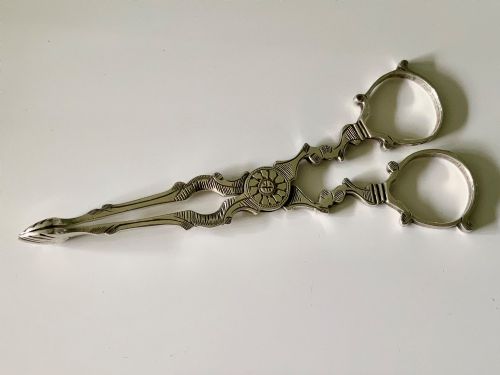
- An early form of sugar tongs operating on a scissor action with pivoted handles and small bowls.
- Bright-Cut
- An engraving technique utilising faceted V-cuts to create reflective, geometric patterns across the silver surface.
- Silver-Gilt
- Sterling silver that has been coated with a thin layer of gold on its exterior or interior surfaces.
- Assay Office
- An official body responsible for testing the purity of precious metals and stamping items with appropriate hallmarks.
Sterling Sugar Tongs: Frequently Asked Questions
What is the difference between sugar tongs and sugar nips?
Sugar tongs typically consist of a single piece of metal bent into a spring bow with small gripping ends at the terminal points. Sugar nips operate on a scissor pivot similar to small shears, offering a different mechanical leverage for breaking and lifting lump sugar.
Both forms served the same primary function during tea service, though nips are more commonly associated with the 18th century and earlier Georgian periods.
How do I date antique silver tongs?
Dating relies heavily upon the stamped hallmarks found on the inner bow or exterior surface of the silver. These marks usually include a maker's mark, a standard purity mark such as the lion passant, and a date letter corresponding to the specific assay office and year of testing.
Stylistic indicators like bright-cut engraving or cast pierced decoration also provide reliable chronological clues when hallmarks are rubbed or illegible.
Were these tongs used exclusively for sugar?
While primarily designed for handling sugar lumps during tea service, certain variations served alternative domestic purposes. Heavier or more specialised forms appear in collections as barware or pastry servers.
Many examples were also produced as part of larger cased sets containing matching teaspoons, sugar bowls, and cream jugs for formal dining.
What are novelty sterling sugar tongs?
Novelty tongs feature playful, sculptural designs that depart from standard geometric bow shapes. Common motifs include wishbones, bird claws, articulated animal limbs, and theatrical figures like harlequins.
Silversmiths produced these imaginative pieces to appeal to Victorian and Edwardian collectors who favored whimsical conversation items for the home.