




Sterling Silver Vanity Compact
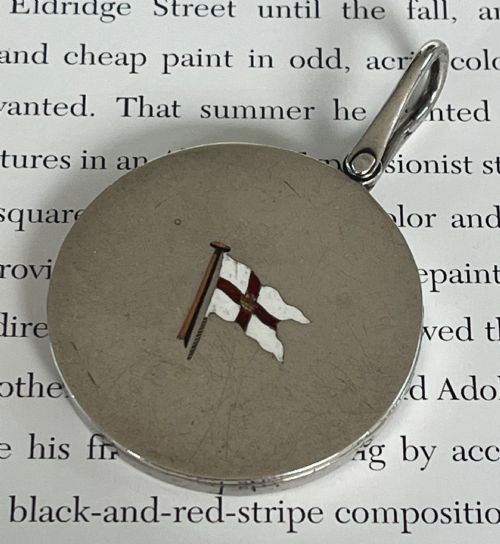
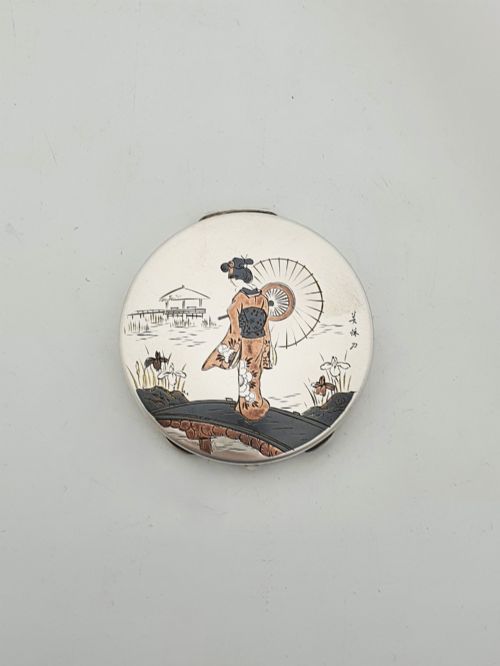
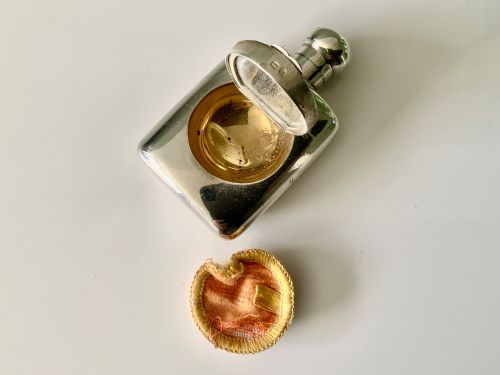
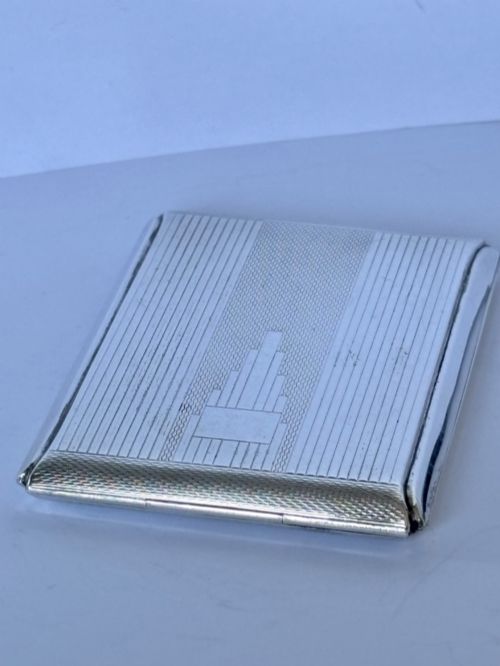
These sterling silver vanity compact pieces are small pocket cases crafted for grooming, offering enduring appeal for daily use or display.
Sterling Silver Vanity Compact
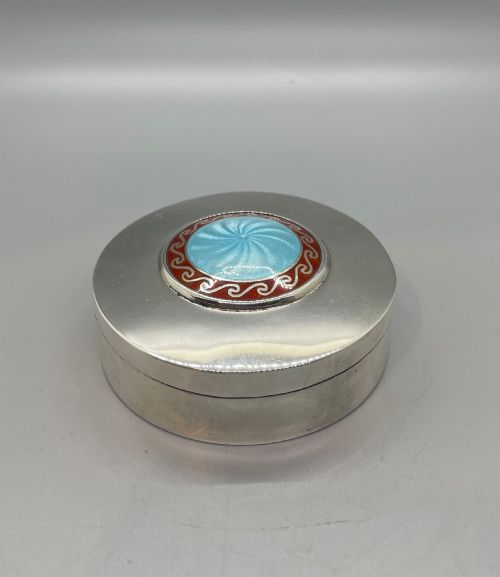
When you search for a sterling silver vanity compact, you encounter pocket accessories designed for cosmetics, mirrors, and small personal items. The selection spans powder compacts, trinket boxes, cigarette cases, hand mirrors, watch cases, vanity compacts, pill boxes, and patch boxes.
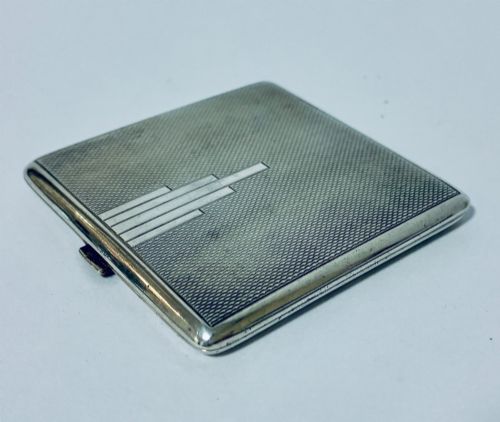
The pieces on this page originate from distinct eras, ranging from seventeenth-century Georgian items through Edwardian examples and George V designs up to Art Deco pieces of the nineteen twenties and thirties. Most items you meet here display the geometric lines and enamel work typical of the Art Deco period.
Makers and assay offices from Birmingham and London dominate the origins of these items, alongside continental pieces such as French boxes. Function varies from rouge pots and mirror purses to cigarette cases and cigarette holders combined with compacts.
How they were made
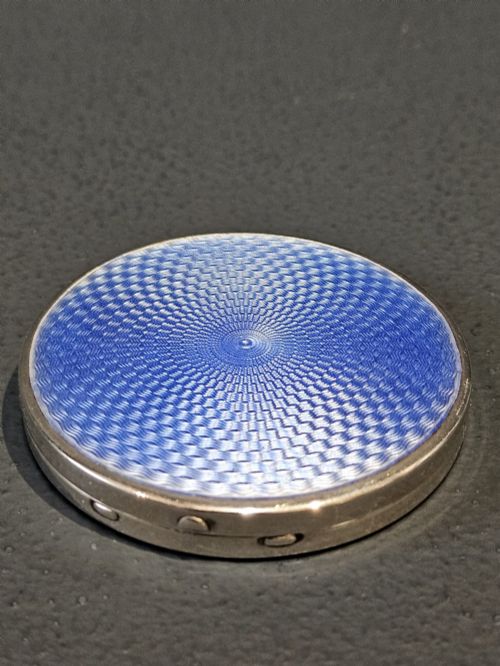
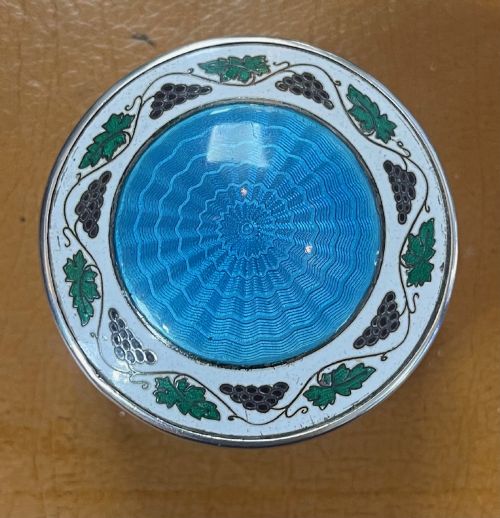
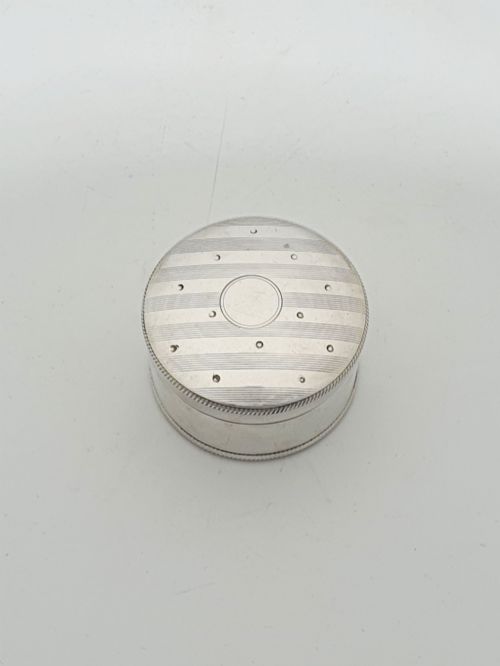
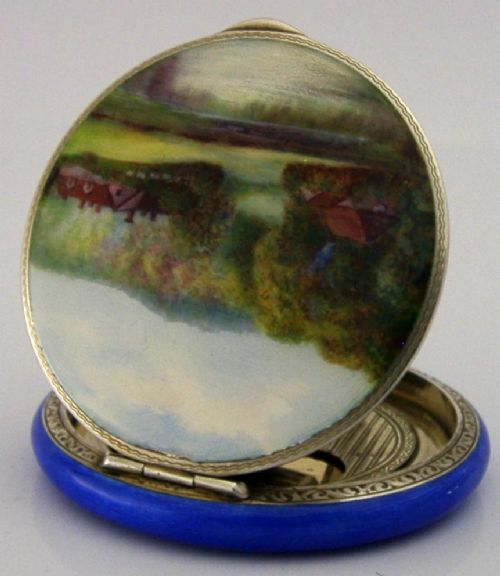
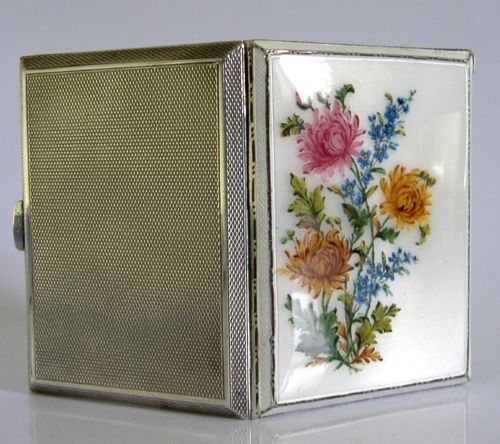
Silversmiths constructed these bodies primarily from sterling silver, utilising sheet silver formed into boxes, cases, and mirrors. Many surfaces incorporate engine turned decoration, cast detailing, or hand-painted motifs.
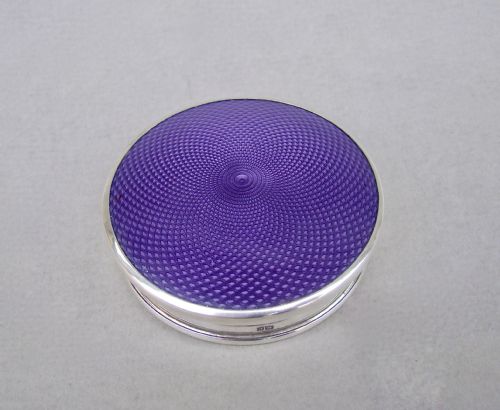
Vitreous enamel and guilloche enamel frequently overlay the silver base, providing coloured backgrounds beneath translucent patterns. Internal components sometimes integrate glass mirrors, celluloid elements, or fabric linings.
Sterling Silver Vanity Compact Retail Price Guide 2026
Typical asking prices for sterling silver vanity compact among the pieces listed under this phrase on Sellingantiques today, from the lower quarter to the upper quarter. They describe what is for sale here now, not the wider market.
Listings feature items spanning from the seventeenth-century Georgian era through Edwardian designs to Art Deco pieces of the nineteen twenties and thirties.
What varies in quality
The distinction between standard items and superior examples lies in the complexity of the enamel work and the crispness of the engine turning. Intricate hand-painted flowers or detailed guilloche patterns elevate the craftsmanship.
Maker attribution also influences character, with marked pieces from known silversmiths demonstrating finer finishing on hinges, clasps, and bezels compared to unmarked equivalents.
Henry Williamson·Henry Matthews·The Daniel Manufacturing Co·Henry Perkins And Sons
The Sterling Silver Vanity Compact Glossary
- Guilloche enamel
- A decorative technique where an underlying metal surface is mechanically engraved with repetitive patterns beneath translucent enamel. This method creates shimmering geometric effects across the compact lid.
- Sterling silver
- An alloy consisting of ninety-two point five percent silver and seven point five percent other metals, typically copper. This standard composition provides the durability required for pocket accessories.
- Engine turned
- A method of mechanical engraving that cuts precise geometric patterns into metal surfaces using a lathe. It produces symmetrical textures on silver compacts.
- Cartouche
- An ornamental frame or panel, often shield-shaped, reserved for initials or heraldry. Georgian patch boxes frequently feature this design element.
- Celluloid
- An early thermoplastic material utilised for internal fittings or backing on vanity items. It mimics natural materials like tortoiseshell or ivory.
- Patch box
- A small container originally used for storing cosmetic beauty patches during the Georgian era. These evolved into general pill boxes and trinket receptacles.
Sterling Silver Vanity Compact: Frequently Asked Questions
How do I date a silver compact?
Dating relies on hallmark stamps, style characteristics, and materials such as celluloid or vitreous enamel. Art Deco and Edwardian pieces show distinct manufacturing traits.
Assay office marks and maker signatures provide specific chronological reference points.
What were vanity compacts used for?
Vanity compacts served as portable containers for loose powder, rouge, and small mirrors used during grooming. Some variants doubled as pill boxes or cigarette cases.
They were essential pocket accessories for personal upkeep throughout the twentieth century.
Are these compacts made of solid silver?
Most items are constructed from sterling silver, often combined with enamel, glass mirrors, and fabric interiors. Hallmarks on the metal confirm the silver standard.
Internal mechanisms may incorporate other materials for structural support.