


Sterling Silver Tools
These sterling silver tools unite practical function with miniature sculptural wit, spanning sewing gear, barware and desk accessories from Georgian to mid-century periods.
Sterling Silver Tools
When you search for sterling silver tools, you encounter an eclectic gathering of implements designed for domestic labour, personal adornment, and social rituals. The selection ranges from sewing accessories and needlework implements to barware, desk items, and smoker requisites.
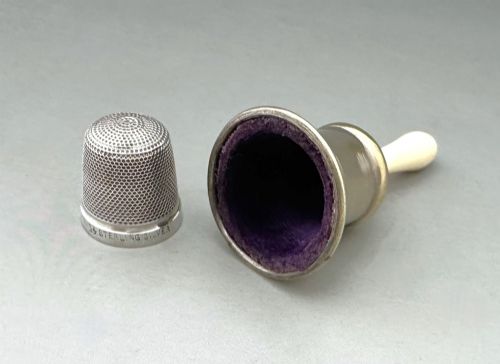
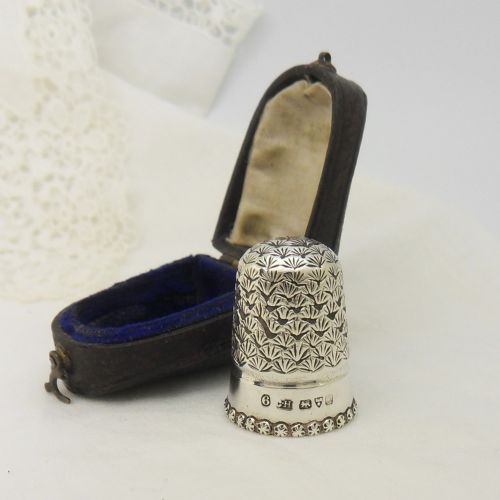
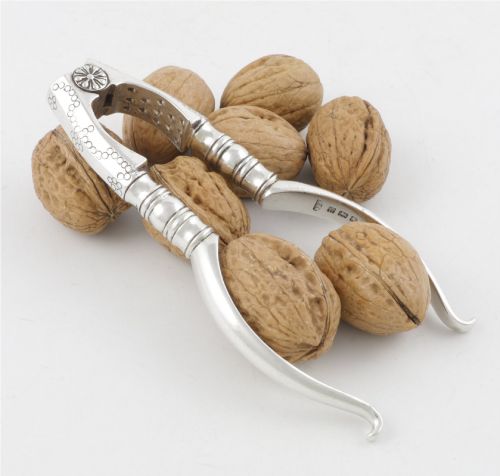
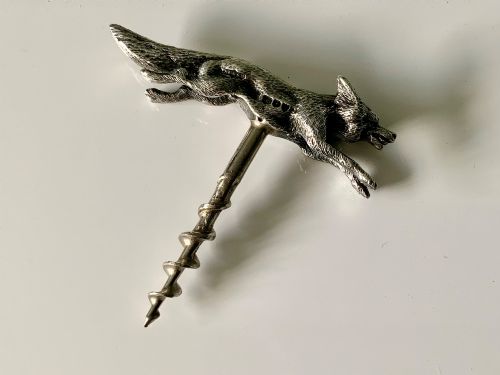
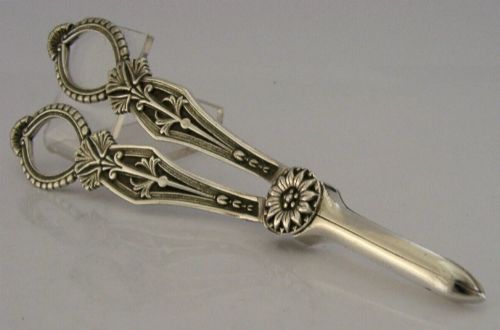
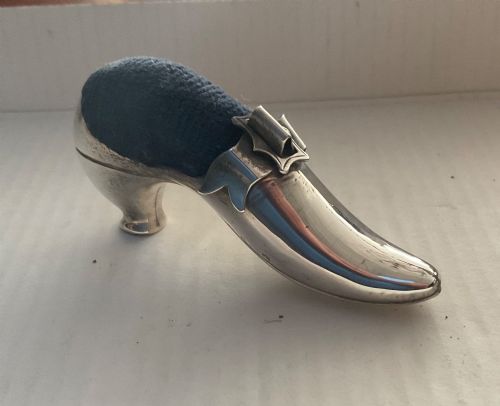
Figural pin cushions shaped as animals, furniture, and household objects dominate the smaller items, alongside utilitarian pieces such as nutcrackers, grape shears, and corkscrews. These objects bridge the gap between heavy table silver and pocket-sized personal effects.
Most examples hail from the Victorian, Edwardian, and Georgian eras, reflecting the high value placed on ornate craftsmanship during those periods. Every piece serves a distinct domestic purpose, whether extracting shellfish, measuring length, or opening correspondence.
Materials and technique
Silversmiths combined sterling silver with functional elements of steel, horn, and bone, mounting delicate items on structural foundations of wood or metal. Linings of velvet, silk, leather, and cotton provided padded interiors for cased sets and fitted pin cushions.
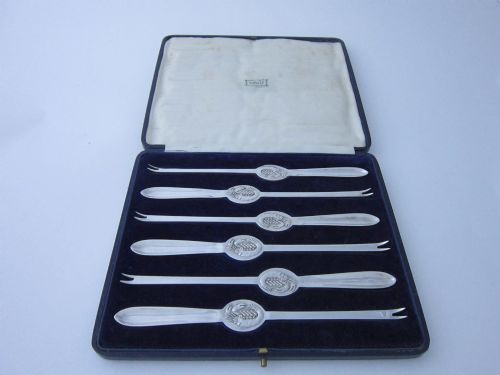
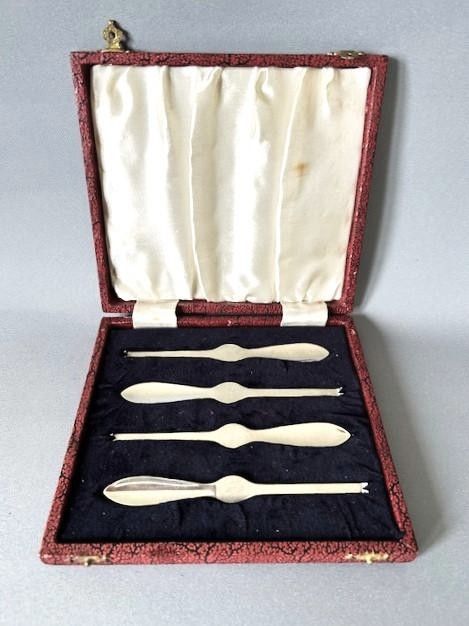
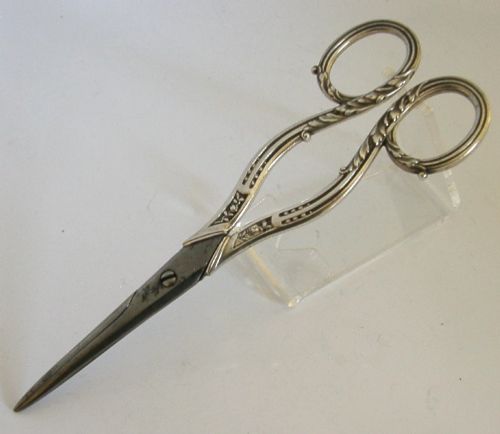
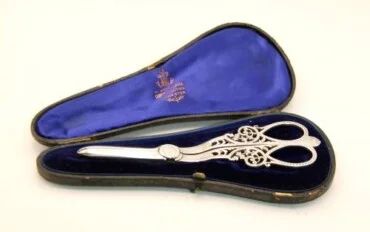
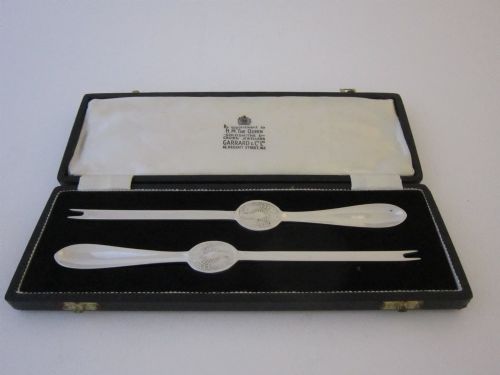
Manufacturing methods relied heavily on casting for figural forms, hand-piercing for delicate scrollwork, and chasing to define fine surface details. Steel cutting edges were integrated into silver handles for scissors, grape shears, and lobster picks.
Enamel work occasionally added vibrant colour to thimbles and small vessels, while turned bone or wood reinforced components that required rigidity under pressure.
Sterling Silver Tools Retail Price Guide 2026
Typical asking prices for sterling silver tools among the pieces listed under this phrase on Sellingantiques today, from the lower quarter to the upper quarter. They describe what is for sale here now, not the wider market.
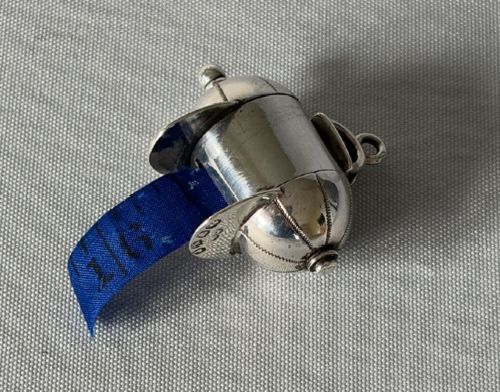
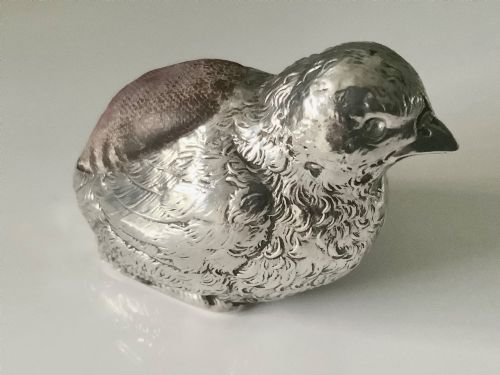
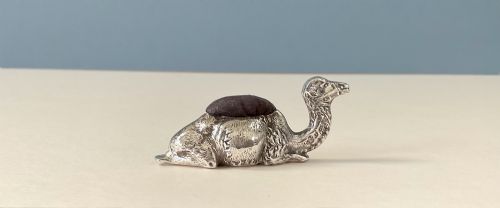
A metal pig, a tiny wheelbarrow, and a silver jockey cap stand ready to hold your stray pins with stubborn, silent loyalty.
Standard and execution
Quality rests in the crispness of the casting and the precision of the chasing, particularly on figural pin cushions and novelty items where animal pelts or furniture upholstery must look convincing. A superior piece displays sharp relief work rather than softened, worn contours from excessive polishing.
The integrity of the working parts dictates the level of craftsmanship, from the smooth action of a folding corkscrew mechanism to the balanced weight of a page turner or letter opener. Integrated textiles, such as the original velvet or cotton stuffing within cushions, retain their density and structure in finer examples.
Maker marks and clear assay stamps provide definitive evidence of origin, separating workshop output of distinction from unmarked generic production.
Charles Horner·Adie & Lovekin·David Andersen·Garrard
The Sterling Silver Tools Glossary
- Sterling silver
- An alloy containing ninety-two point five percent silver by mass, with the remainder composed of copper or other metals to increase durability. This standard metal forms the primary body of all pieces on this page.
- Chatelaine
- A decorative belt hook or clasp worn from the waist from which depended various small functional domestic tools. These fixtures held items like scissors, thimbles, and sewing gear.
- Bodkin
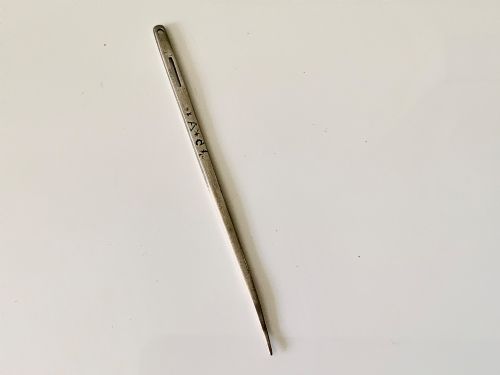
- A thick, blunt needle with a large eye used for pulling ribbon or cord through a hem. Early examples represent some of the oldest sewing tools found in silver.
- Vesta
- A small pocket case designed to hold matches, often combined with compartments for sealing wax or stamps. Edwardian iterations frequently integrated multiple functions into a single compact housing.
Sterling Silver Tools: Frequently Asked Questions
What are sterling silver tools?
These objects are small, highly detailed implements fashioned from sterling silver for specific household, desk, or sewing tasks. They include items such as grape shears, letter openers, corkscrews, and novelty pin cushions.
Craftsmen produced them in diverse shapes to serve practical functions while displaying decorative refinement suitable for display in the home.
How were novelty pin cushions used?
Novelty pin cushions sat on dressing tables, sewing desks, or parlor surfaces to hold pins and needles close at hand during tailoring or needlework. Their humorous or charming animal shapes made them popular conversation pieces in polite society.
Owners often collected multiple figural designs representing birds, mammals, and miniature furniture.
How do I care for silver tools?
Maintenance requires gentle cleaning with a soft microfiber cloth and specialised silver polish to remove tarnish without wearing down fine chasing or hallmarks. Avoid harsh chemical dips, which strip the natural oxidation from recessed decorative details.
Store items away from humid environments, and keep fabric-lined pieces like cased sets or pin cushions dry to protect internal textiles.
How can I tell the period?
Dating relies heavily on hallmark stamps, which indicate the assay office, the specific year letter code, and the maker's mark. Stylistic indicators, such as the heavy ornamentation of Victorian pieces or the clean lines of Art Deco barware, also signal the era of manufacture.
Comparing construction techniques and the presence of original fitted cases further narrows the historical window.