
Sterling Silver Silverware
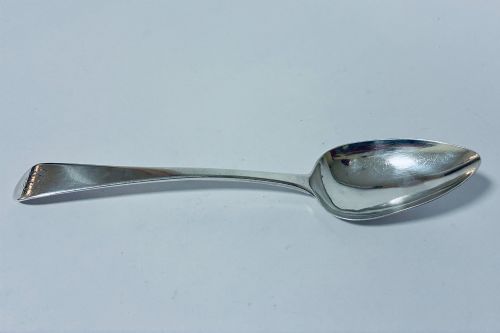
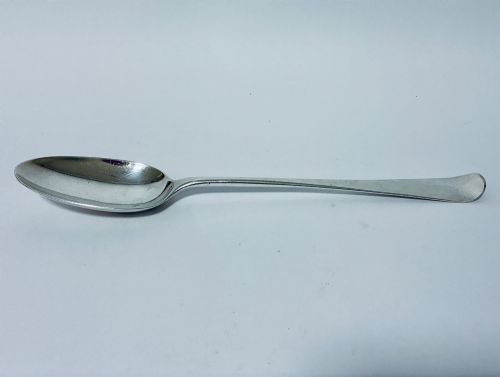
These sterling silver silverware pieces span Georgian, Victorian, and Edwardian periods, bringing solid metal forms and practical table service to daily use.
Sterling Silver Silverware
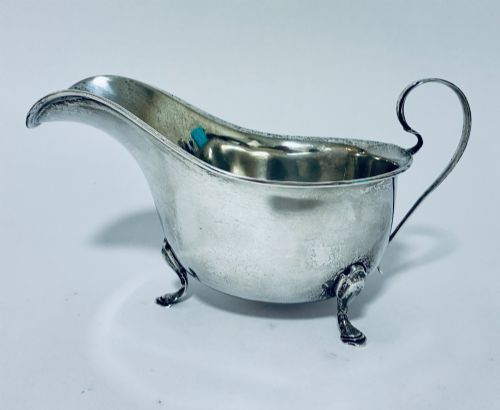
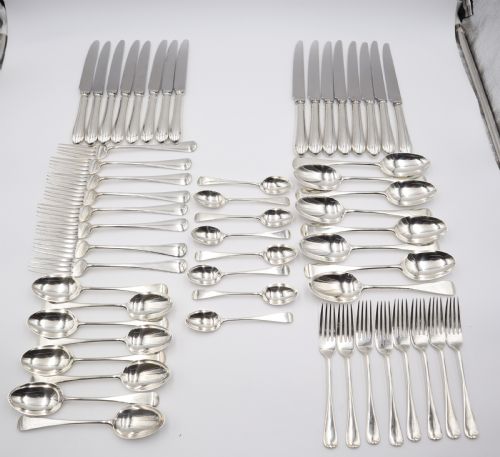
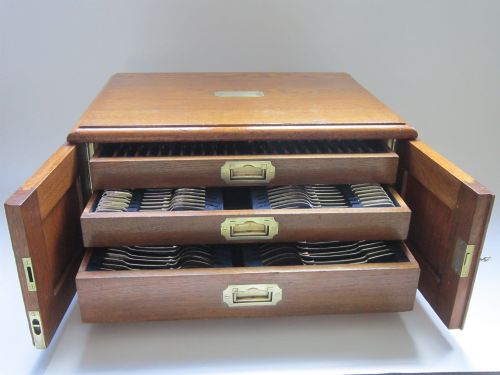
When buyers search for sterling silver silverware, they encounter a diverse array of items designed for dining and display, ranging from individual caddy spoons to full canteens of cutlery. The pieces meeting this description encompass functional vessels and utensils such as teapots, coffee pots, sauce boats, mustard pots, and toast racks.
Tableware from the Victorian and Georgian eras dominates the selection, accompanied by Edwardian and later twentieth-century examples. Forms vary from simple napkin rings and christening mugs to elaborate decorative bowls and serving spoons.
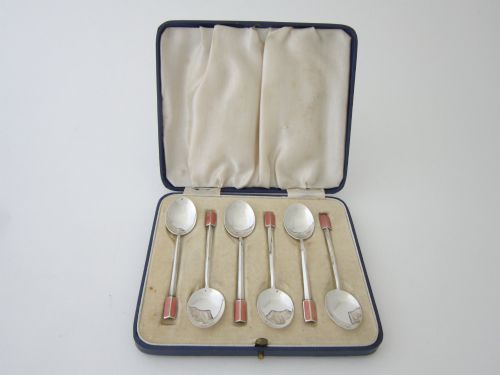
Regional origins stretch across English workshops, Scottish provincial towns, Irish makers, and international centres including Anglo-Indian and French output. Buyers find both fitted cased sets and single statement items suitable for practical dining or collection.
Materials and construction
Makers utilised sterling silver and solid silver as the primary medium, frequently combining the metal with glass inserts, wooden elements, and leather, silk, or velvet linings in fitted cases. Steel appears in specific cutting implements like cutlery blades, whilst semi-precious stone such as agate forms handles on specialised spoons.
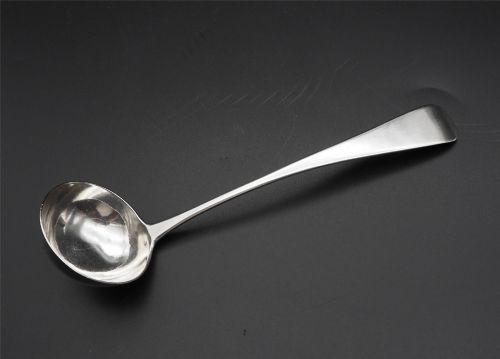
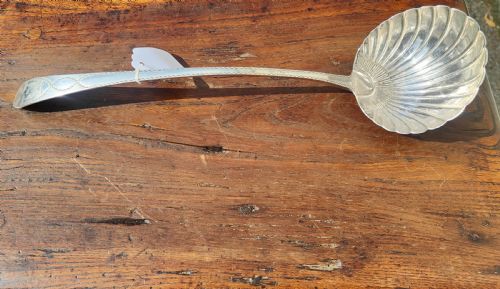
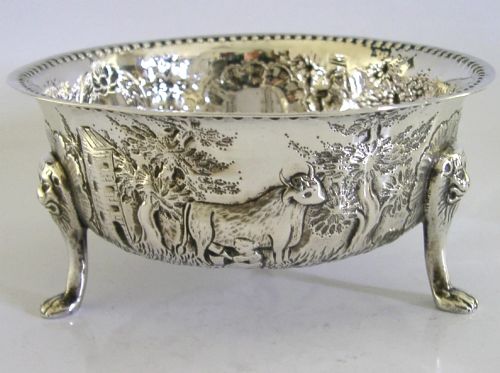
Techniques combined traditional casting, hammering, and hand-raising for hollowware vessels such as teapots, sugar urns, and casters. Detailed engraving, piercing, and applied crests finish many bowls, ladles, and fish servers produced by silversmiths.
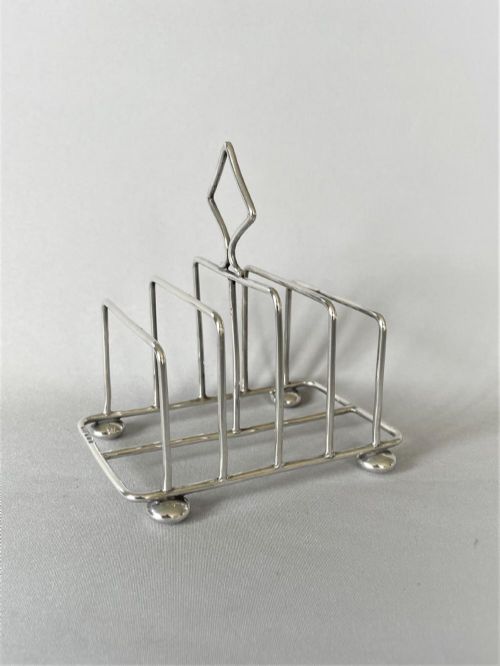
Early toast racks kept breakfast crisp, proving that Victorians took their morning toast as seriously as their silverware.
Assessing quality and craftsmanship
The standard of execution in sterling silver silverware rests upon the weight of the metal, the crispness of hallmarks, and the balance of the form. Heavier gauges of silver provide structural integrity to bowls, toast racks, and large serving trays without compromising the elegance of the profile.
Artisanal skill shows in the precision of pierced decoration, the smooth articulation of hinges on mustard pots, and the clarity of engraved family crests or decorative patterns. Maker marks from prominent workshops or provincial centres add an extra dimension of historical interest to individual pieces.
Bateman Family·Paul Storr·Richard Gurney·William Comyns
The Sterling Silver Silverware Glossary
- Sterling silver
- An alloy comprising ninety-two point five percent silver and seven point five percent other metals, usually copper, chosen for durability in tableware. This standard has governed British silver production for centuries.
- Hallmark
- A set of official stamps applied to silver items indicating the maker, the assay office, the purity standard, and the year of production. These marks allow collectors to date pieces accurately.
- Caddy spoon
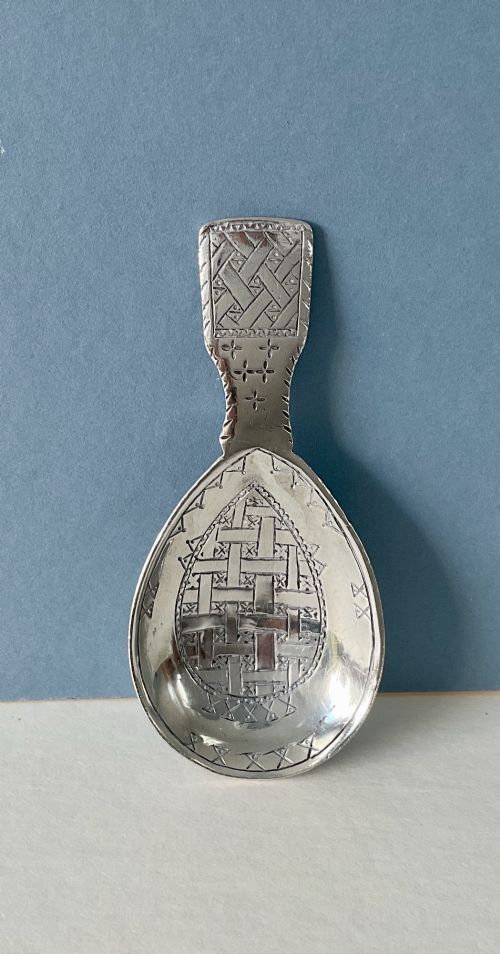
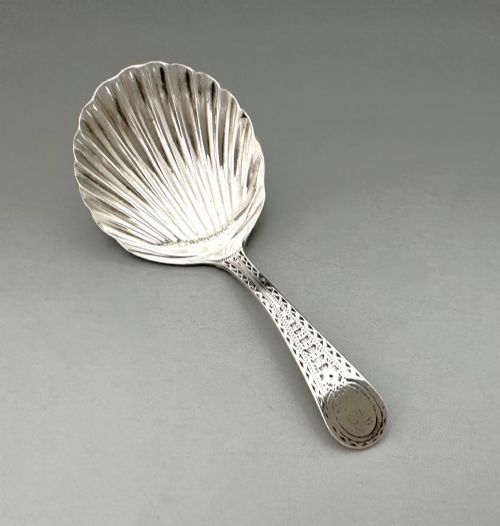
- A short-handled spoon specifically designed for measuring loose tea leaves from a caddy into a teapot. They often feature decorative bowls shaped like shells or leaves.
- Toast rack
- A small tabletop framework with upright dividers designed to hold slices of toast upright to prevent them from becoming soggy. They emerged as a breakfast table standard in the Georgian period.
- Hollowware
- A category of silver objects that are hollow in construction, such as teapots, sugar baskets, jugs, and bowls. Silversmiths traditionally raised these pieces from flat sheets of silver using hammers.
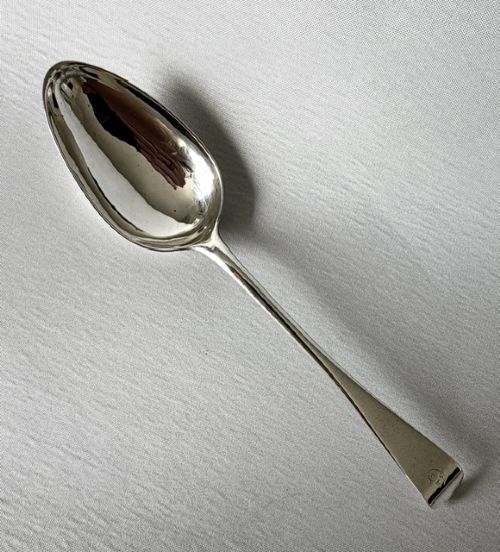
- Fiddle pattern
- A traditional cutlery handle design featuring a narrow stem that broadens near the end into a shape resembling a violin. It became particularly popular during the Georgian and Victorian eras.
Sterling Silver Silverware: Frequently Asked Questions
How do I clean antique silver?
Wash silver pieces gently in warm soapy water using a soft cloth, avoiding harsh abrasive dips that can strip away original patination and fine details. Dry thoroughly with a lint-free cloth to maintain the natural lustre of the metal.
Store items in tarnish-resistant cloths or dry environments if not in daily use. Regular gentle handling prevents the accumulation of heavy tarnish and preserves engraved crests.
Can I use antique cutlery daily?
Many people enjoy using antique sterling silver cutlery for everyday meals, provided the items are washed by hand rather than placed in modern dishwashers. Strong detergents and high dishwasher temperatures damage vintage handles and weaken soldered joints.
Silver is a relatively soft metal, so regular use develops a soft surface scratch pattern known as a patina. This gentle wear records the history of the object rather than detracting from its structural integrity.
What is a silver caster?
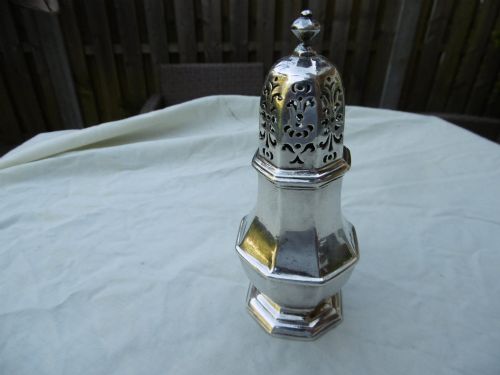
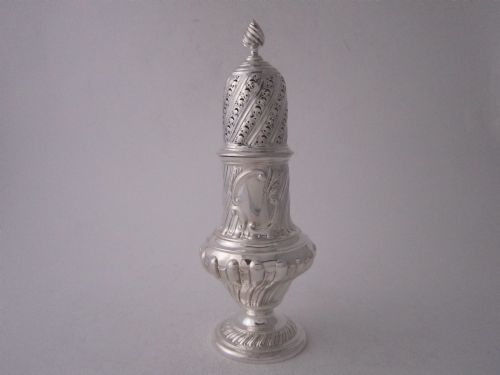
A silver caster is a perforated shaker vessel historically used for sprinkling sugar, spices, or condiments over food and beverages. Early examples often feature octagonal bodies and pierced slip-on lids secured by a pin or threaded collar.
They sat upon dining tables alongside cruet sets during the Georgian and Victorian periods. Their presence reflects formal dining customs of the era.
How do I identify the date of a piece?
Look for the series of small stamped hallmarks usually located on the base, rim, or reverse of the object. These marks typically include a date letter corresponding to the assay office records of cities such as London, Chester, or Newcastle.
Additional marks indicate the reigning monarch or standard purity. Reference books match the date letter shape and font to specific years of manufacture.