

Sterling Silver Scent
Sterling silver scent items encompass personal fragrance containers and vinaigrettes shaped by Victorian, Edwardian, and Georgian makers for daily pocket or dressing table use.
Sterling Silver Scent
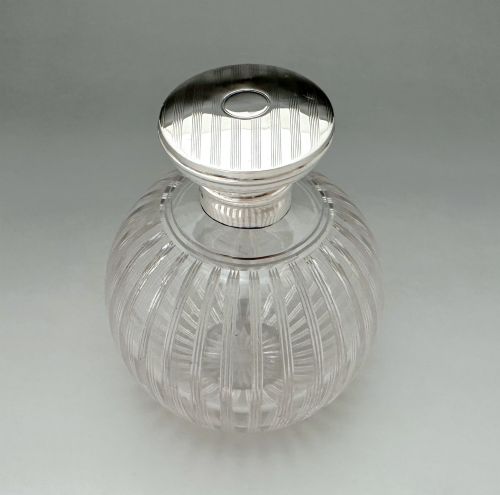
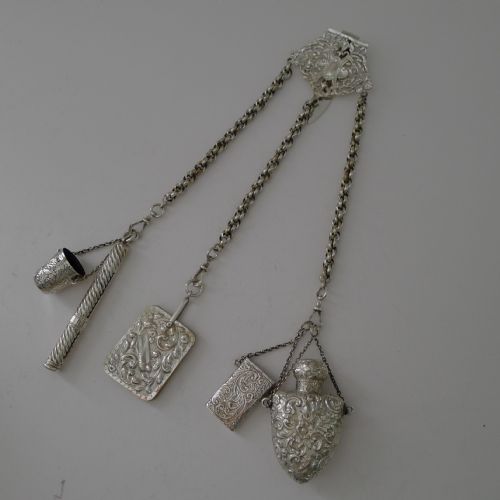
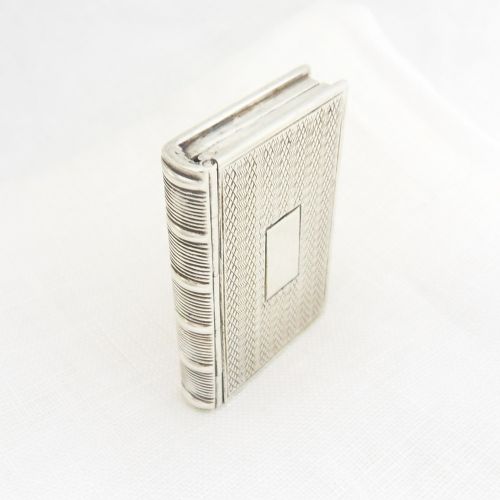
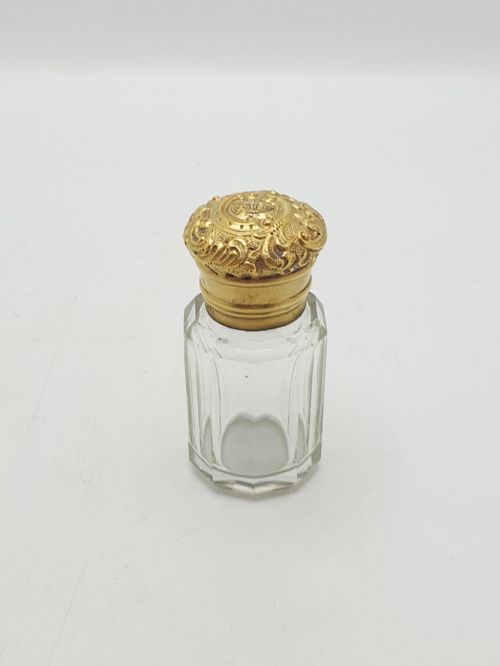
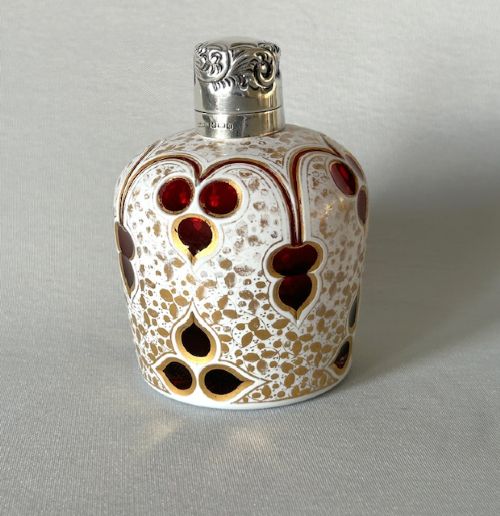
When searching for sterling silver scent pieces, a buyer encounters a diverse range of objects designed to hold perfumes, colognes, or aromatic vinegars. The selection spans distinct forms including scent bottles, vinaigrettes, chatelaines, perfume bottles, and vanity sets.
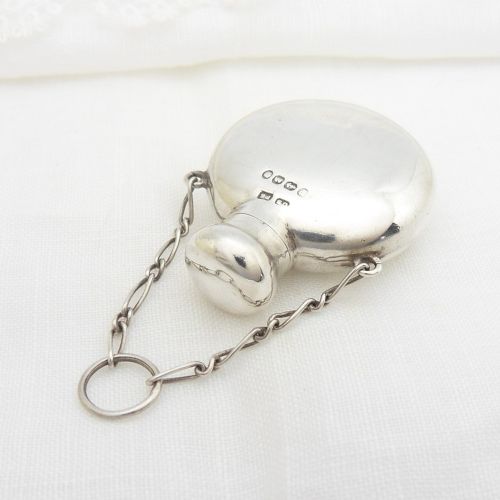
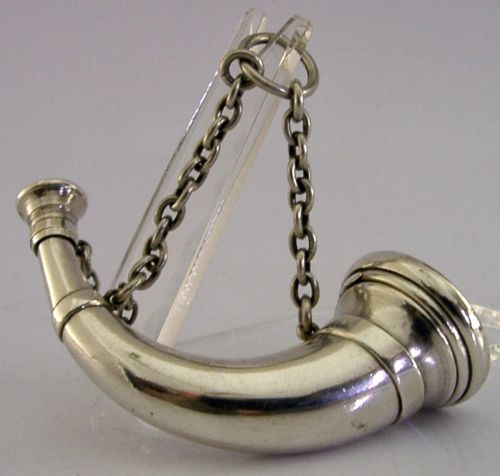
The objects reflect the shifting domestic habits and personal accessories of the nineteenth and early twentieth centuries. Miniature flasks and chatelaine-hung bottles were carried in pockets or suspended from waist attachments, while larger mounted vessels rested upon dressing tables.
Materials and Technique
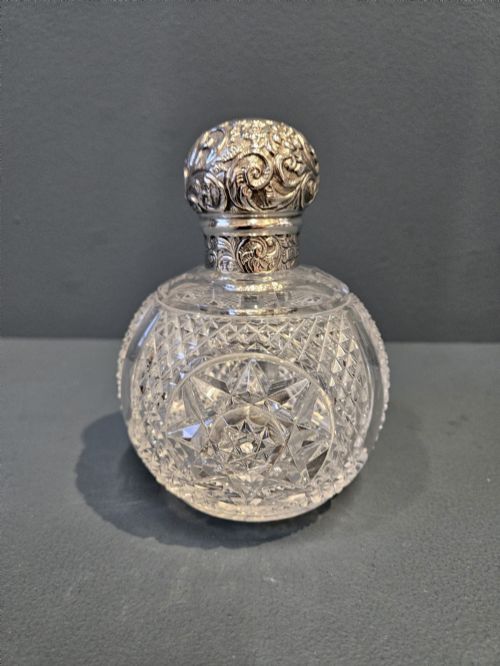
The creation of these pieces relies on the combination of sterling silver with blown, moulded, or cut glass bodies. Silversmiths formed mounts, lids, collars, and delicate silver overlays utilising techniques such as piercing, embossing, casting, and guilloche enamelling.
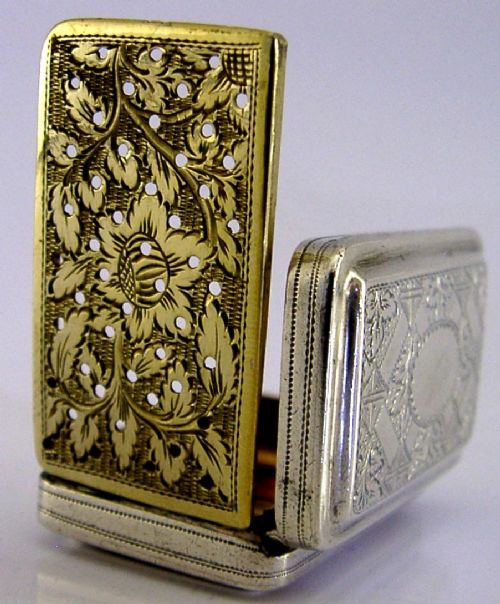
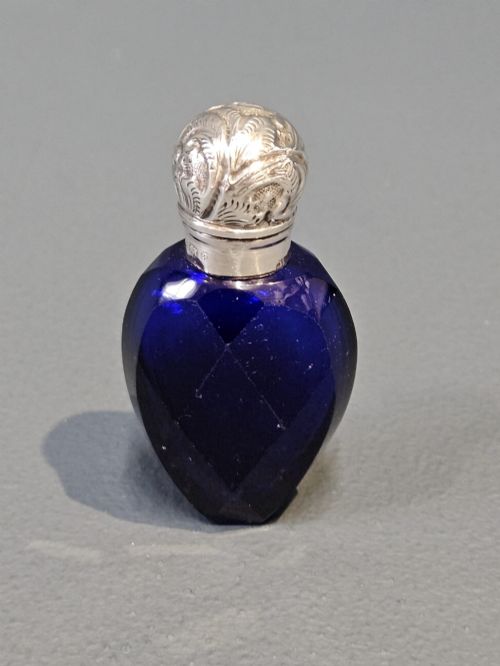
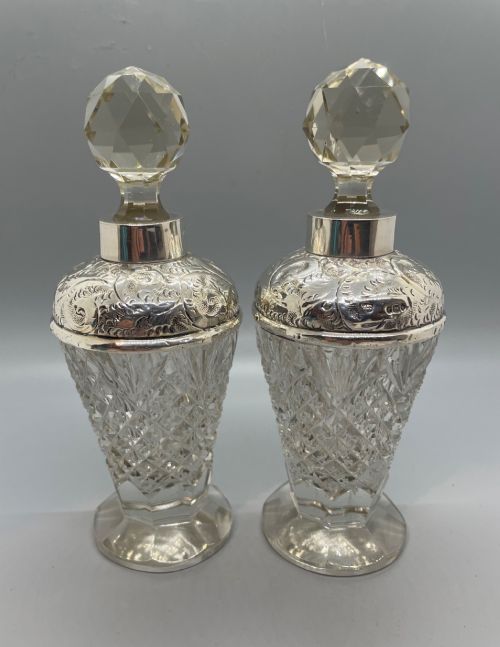
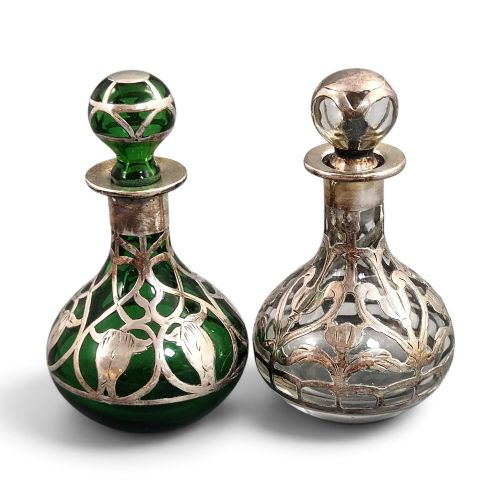
Glass bodies were frequently heavy-cut, coloured in shades of green, amber, blue, or cranberry, or encased in intricate silver floral and Art Nouveau scrollwork. Vinaigrettes required specialised interior work to fabricate small, hinged, and pierced internal grilles designed to diffuse scent from a sponge.
Sterling Silver Scent Retail Price Guide 2026
Typical asking prices for sterling silver scent among the pieces listed under this phrase on Sellingantiques today, from the lower quarter to the upper quarter. They describe what is for sale here now, not the wider market.
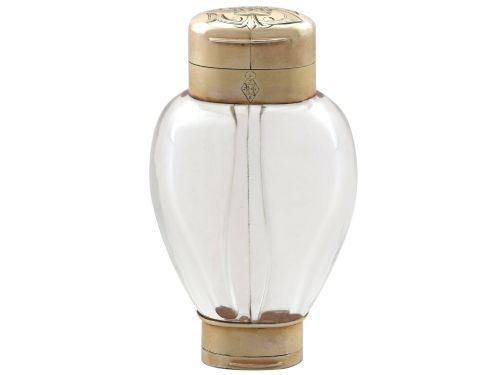
Some Victorian bottles were built double-ended so you could carry perfume on one side and smelling salts on the other for sudden swooning.
Judging Quality
Quality in these items rests upon the crispness of the silversmith's chasing, the weight and clarity of the glass, and the integrity of the hinges and closures. Superior examples display clear hallmarks, tight lid seals, and finely pierced interior grille work in vinaigrettes.
The artistic merit of the silver overlay or enamel work heavily influences the distinction between standard production items and exceptional pieces. Maker attribution to known workshops adds a further dimension of craftsmanship and historical interest.
William Comyns And Sons·Saunders And Shepherd·Taylor And Perry·Edward Smith·John Bettridge·Hasset And Harper·Henry Perkins·Gorham
The Sterling Silver Scent Glossary
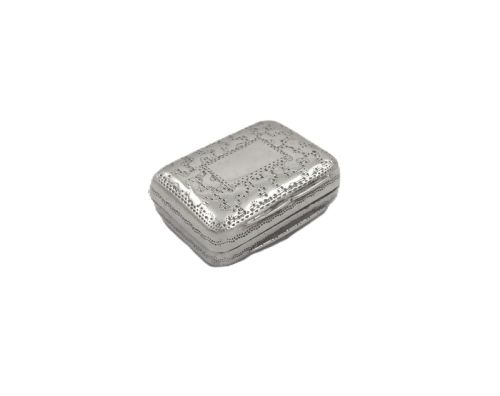
- Vinaigrette
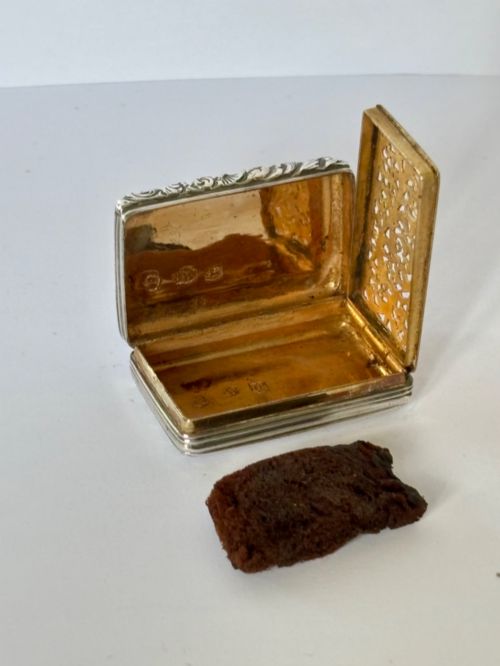
- A small ornamental box featuring a hinged lid and an internal pierced grille. This grille covered a sponge soaked in aromatic vinegar used to ward off unpleasant odours.
- Chatelaine
- A decorative belt hook or clasp from which suspended chains held utility items such as scent bottles, keys, and scissors. It served as both a practical accessory and a status symbol in the Victorian period.
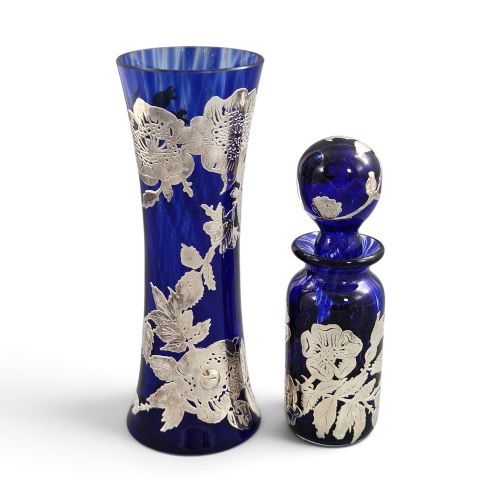
- Sterling Silver Overlay
- A technique where thin sheets of silver are bonded or applied directly onto a glass or ceramic body in decorative patterns. Art Nouveau and floral motifs frequently utilised this method.
- Guilloche Enamel
- A decorative technique where a geometric pattern is mechanically engraved into the silver beneath a translucent layer of enamel. This creates a lustrous, repeating visual texture.
- Silver Gilt
- Sterling silver that has been coated with a thin layer of gold on its surface. This treatment provided a rich golden finish and helped protect the interior of vinaigrettes from corrosive vinegars.
Sterling Silver Scent: Frequently Asked Questions
What is a vinaigrette?
A vinaigrette is a small container designed to hold a sponge soaked in aromatic vinegar. These pocket-sized boxes feature a decorative exterior and a hinged internal grille.
The pierced grille allowed the wearer to inhale the refreshing scent while navigating crowded or unsanitary urban environments of the Georgian and Victorian eras.
How do I identify a Victorian scent bottle?
Victorian scent bottles are identified through characteristic styling, specific glass colours like cranberry or green, and official silver hallmarks. These marks often include date letters and duty marks specific to the nineteenth century.
Many examples feature elaborate floral repousse work, cut glass bodies, or specialised double-ended designs for salts and perfume.
How were scent bottles used?
Scent bottles were carried in pockets, handbags, or suspended from chatelaines for personal refreshment. Ladies applied small amounts of perfume or cologne to pulse points during social outings.
Larger versions remained stationary on dressing tables as part of matching vanity sets, serving daily grooming routines.
What is silver overlay?
Silver overlay is a decorative technique where sheet silver is permanently applied to a glass or ceramic core. Artisans cut intricate botanical or abstract designs into the silver before fusing it to the vessel.
This method gained immense popularity during the Art Nouveau period, combining the sparkle of coloured glass with detailed metallic ornamentation.