

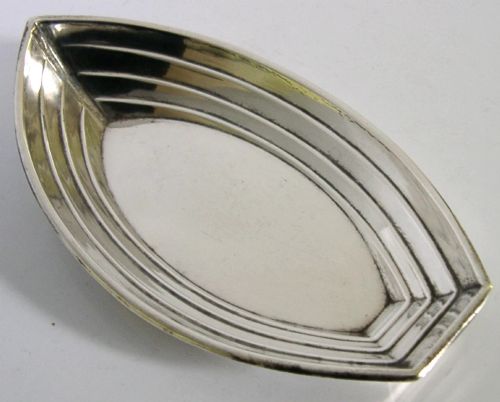


Sterling Silver Nut Dish
A sterling silver nut dish brings small elegance to a table, combining solid metal and careful craftsmanship from eras past.
Sterling Silver Nut Dish
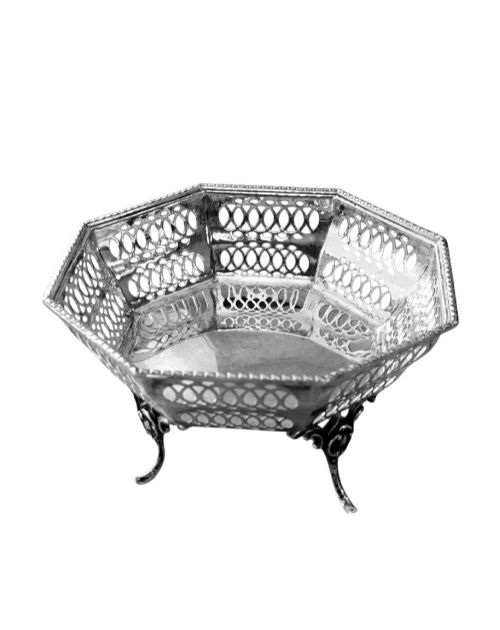
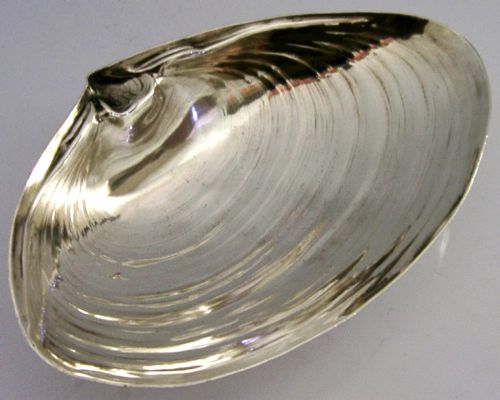
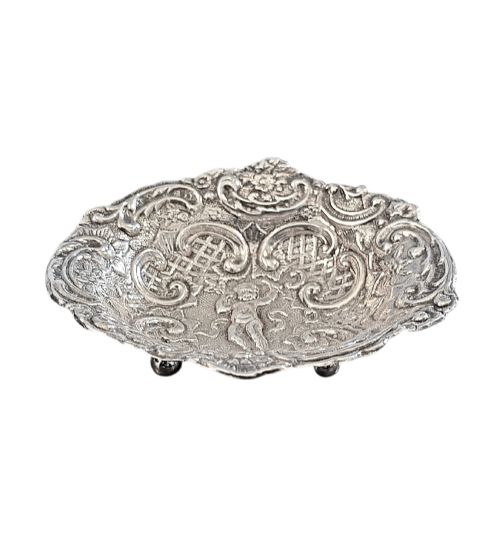
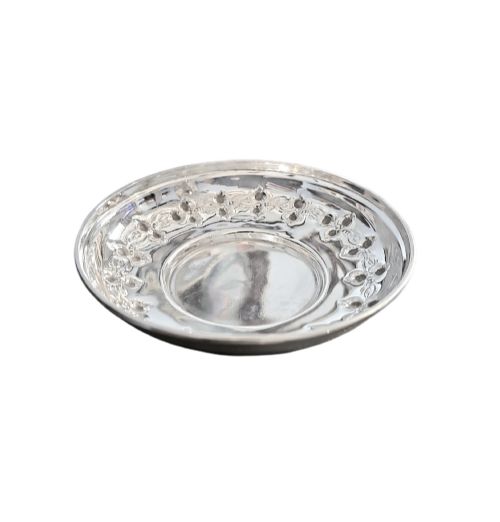
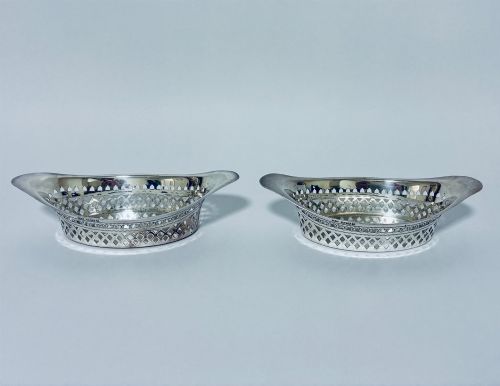
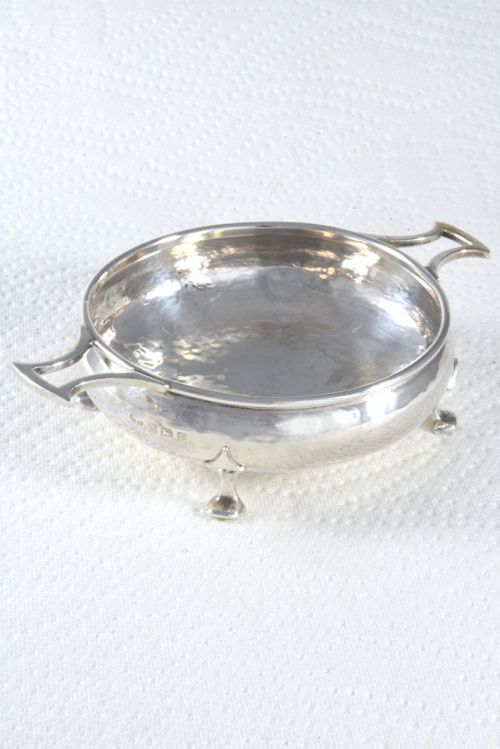
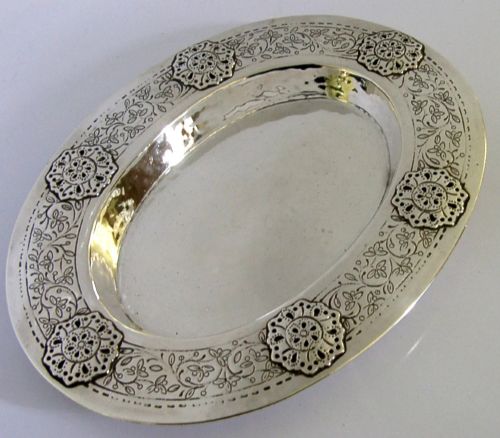
A sterling silver nut dish is a small vessel designed for serving confectionery or nuts, appearing across Victorian, Edwardian, and Art Deco periods. You are most likely to encounter bonbon dishes, pedestal bowls, and small trinket dishes fashioned in solid silver.
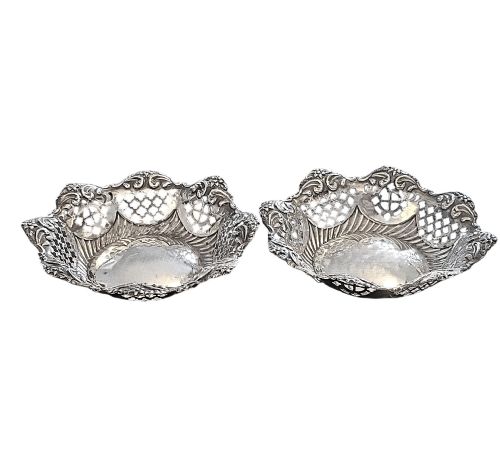
The form stretches from simple circular bowls to novelty rowing boat designs and handled baskets. Pieces often arrive singly or in pairs, sometimes lined with vermeil or paired with tortoiseshell.
How they were made
Silversmiths utilised sterling silver and silver plate, shaping metal through traditional hammering, casting, and piercing techniques. Workshops applied vermeil for a gilt interior finish to protect the silver from acidic contents.
Certain examples integrate organic materials such as tortoiseshell, velvet, or satin within the structural silver framework, requiring specialised joinery.
Sterling Silver Nut Dish Retail Price Guide 2026
Typical asking prices for sterling silver nut dish among the pieces listed under this phrase on Sellingantiques today, from the lower quarter to the upper quarter. They describe what is for sale here now, not the wider market.
What varies in quality
Quality rests upon the crispness of chased or pierced ornamentation and the weight of the silver relative to the dish's size. Pieces bearing distinct hallmarks from known assay offices show superior provenance.
The integrity of secondary materials like tortoiseshell or internal gilding distinguishes standard production from finer output.
Liberty & Co·Wallace
The Sterling Silver Nut Dish Glossary
- Sterling silver
- A silver alloy containing 92.5 percent pure silver and 7.5 percent other metals, usually copper. This standard ensures durability while maintaining the lustre required for tableware.
- Vermeil
- Sterling silver plated with a thin layer of gold. This treatment provides a rich interior colour contrast and prevents tarnishing from food acids.
- Bonbon dish
- A small open vessel specifically intended for holding sweets or nuts. These items often feature pierced rims or decorative pedestal bases.
- Hallmark
- A series of official marks stamped on items to show the metal purity, the maker, and the year of assay. These stamps verify the origins of British and international silver.
- Pedestal dish
- A small bowl raised on a distinct foot or base. This elevation adds formal presence to a table setting.
Sterling Silver Nut Dish: Frequently Asked Questions
What were sterling silver nut dishes used for?
These small vessels served sweetmeats, nuts, and small confections during formal dining and drawing-room gatherings. Hosts placed them within easy reach of guests along the dining table or sideboard.
Over time, many of these dishes transitioned into general decorative bowls or trinket trays for dressing tables. Their modest dimensions make them suitable for holding small personal items today.
How do I identify the date of a silver dish?
Makers stamped official hallmarks directly onto the metal surface, including a date letter that corresponds to the specific year of assay. Comparing these punch marks against standard reference tables reveals the exact year of production.
Stylistic markers also help determine the period, such as the geometric lines of Art Deco pieces or the heavy ornamentation typical of Victorian design.
Can I use antique silver nut dishes daily?
Solid silver withstands regular handling, provided you clean it with appropriate silver polish and soft cloths. Avoid harsh abrasive cleaners that wear down chased patterns and delicate pierced work over time.
For pieces lined with tortoiseshell or fabric inserts, gentle hand care prevents damage to the organic elements. Storing them carefully keeps the metal bright and free from scratches.
Are these dishes usually found as pairs?
While many pieces survive as single items, silversmiths frequently produced them in matching pairs for balanced table presentation. Matched sets often appear together in fitted presentation cases.
Individual dishes surface just as often, reflecting the dispersed nature of surviving antique silverware.