

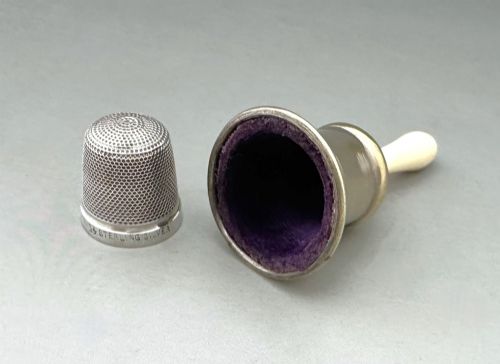
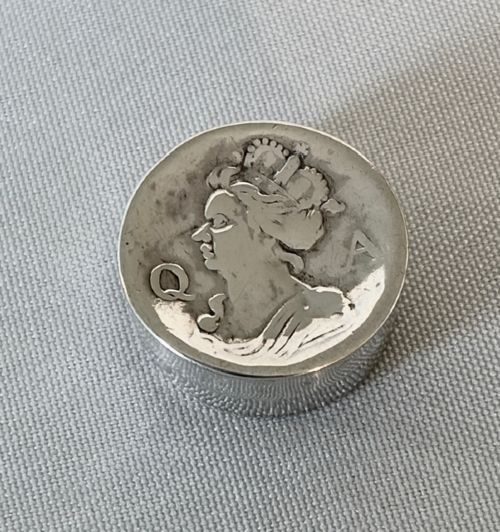
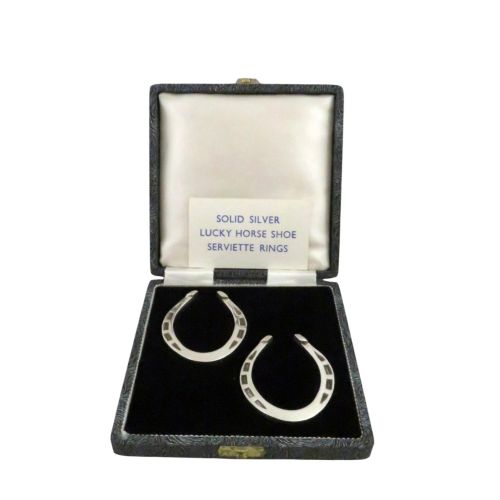
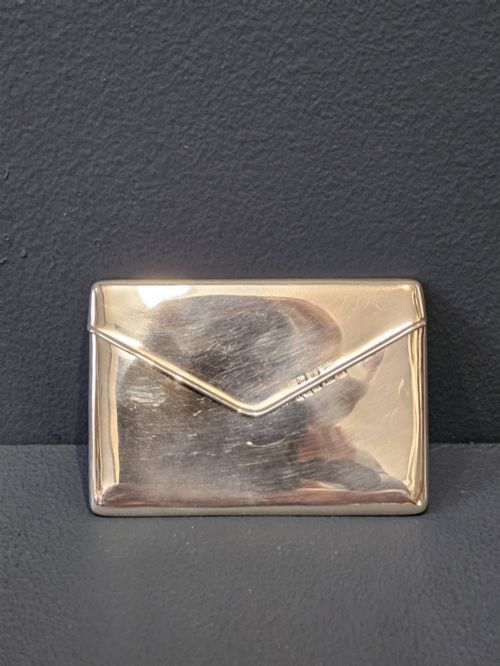

Sterling Silver Novelty Box
A sterling silver novelty box transforms everyday items like animals, books, and household objects into miniature functional containers.
Sterling Silver Novelty Box
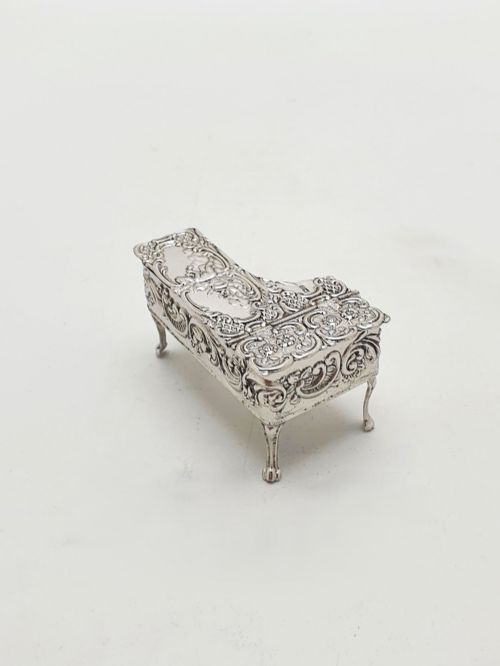
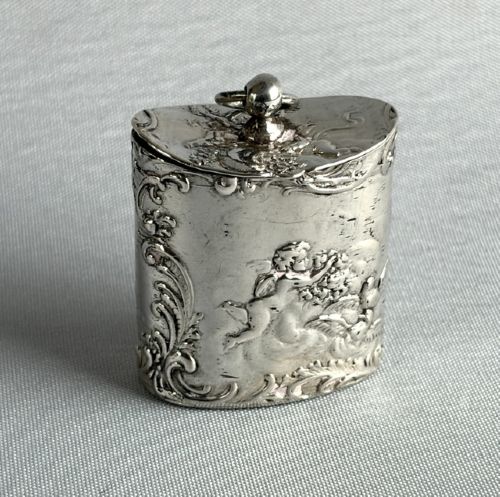
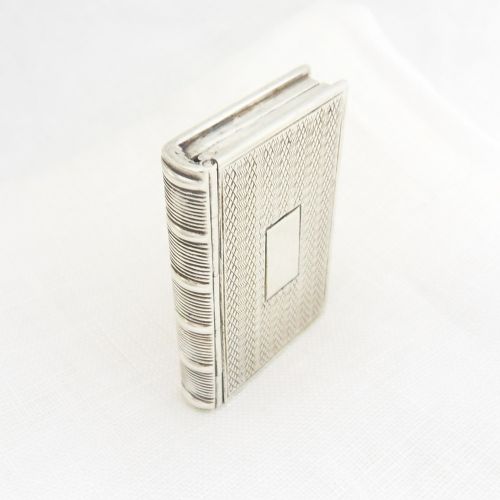
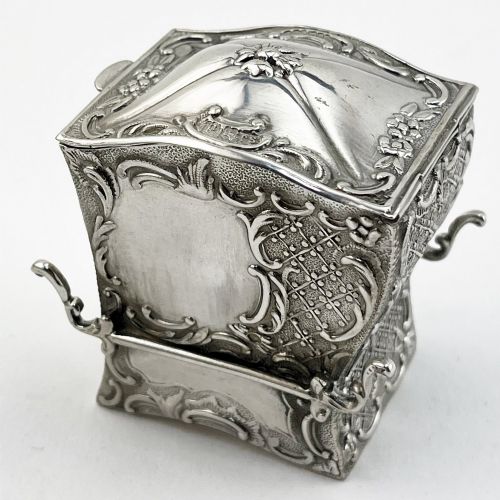
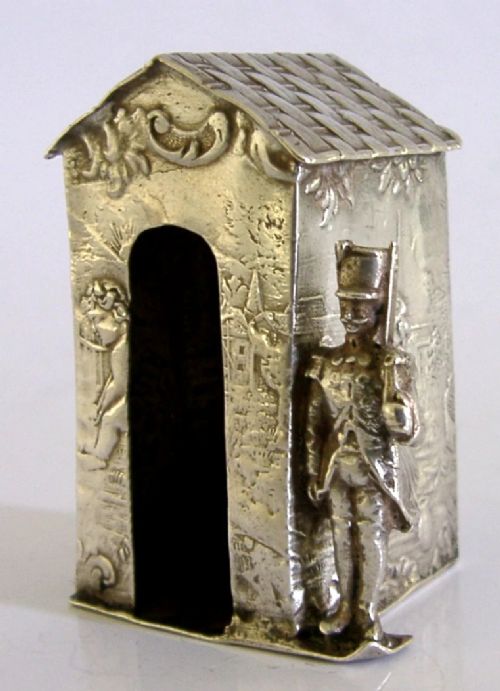
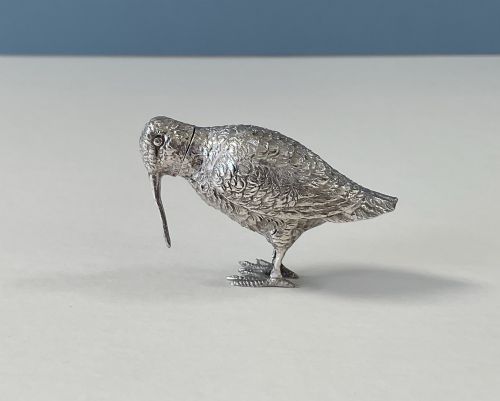
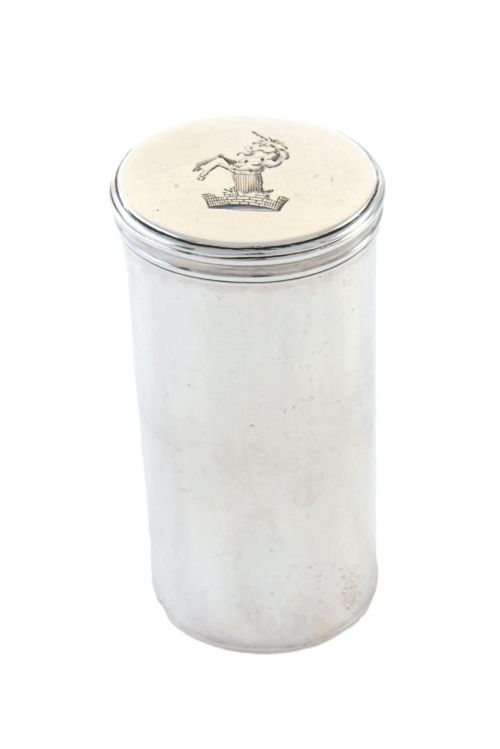
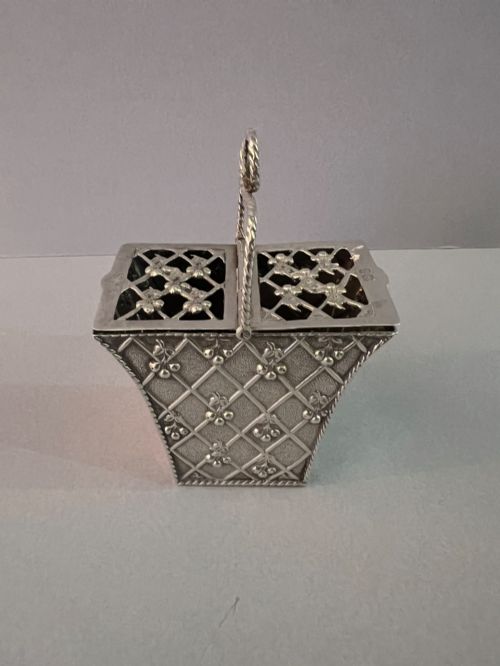
A sterling silver novelty box represents small, imaginative containers fashioned into recognisable shapes ranging from animals and birds to furniture and musical instruments.
The selection on this page spans the Victorian and Edwardian eras alongside later twentieth-century examples, capturing the Victorian appetite for witty desk and dressing table accessories.
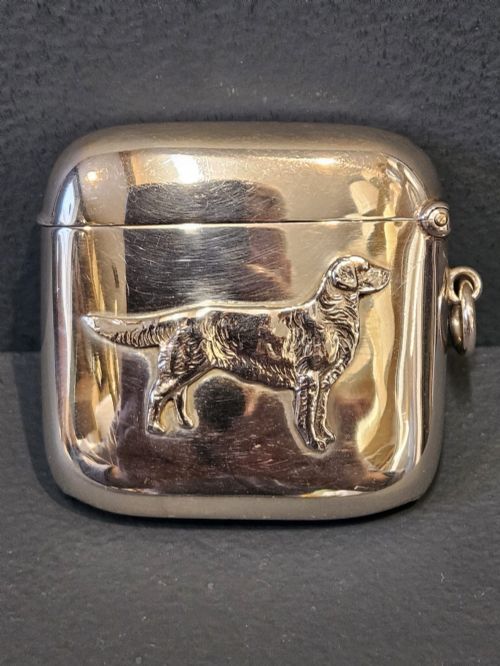
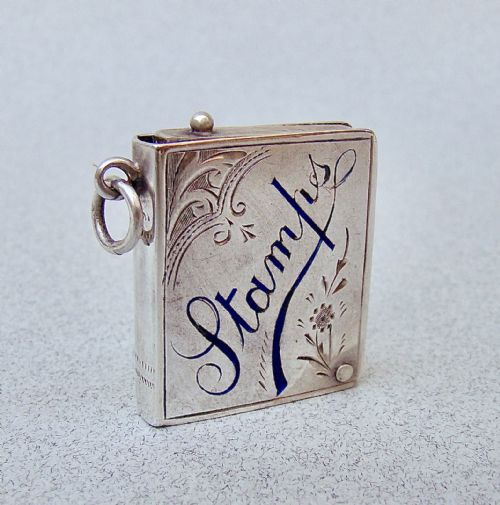
Collectors encounter diverse functional forms here, including vesta cases shaped like animals, stamp boxes modelled on post boxes, and sugar boxes styled as creatures.
How they were made
Silversmiths constructed these pieces primarily from sterling silver, frequently incorporating glass, enamel, velvet, and silk linings to enhance their interior spaces.
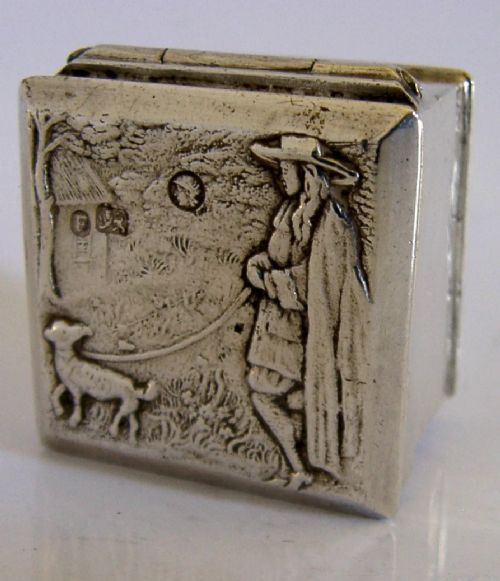
Techniques involved detailed casting, repoussé work, and hand engraving to render convincing textures like feathers, fur, and woven wicker on diminutive surfaces.
Continental workshops, particularly in Hanau and Germany, produced heavy silver boxes with historicist styling, while British makers utilised Birmingham and London assay offices.
Sterling Silver Novelty Box Retail Price Guide 2026
Typical asking prices for sterling silver novelty box among the pieces listed under this phrase on Sellingantiques today, from the lower quarter to the upper quarter. They describe what is for sale here now, not the wider market.
A metal smith once hammered a flat sheet of silver into a remarkably grumpy-looking bulldog.
What varies in quality
Quality depends upon the crispness of the chasing and the anatomical accuracy of figural forms such as birds, dogs, and farm animals.
Superior examples retain working hinges that align precisely, crisp hallmarks stamped clearly on the metal, and intact interior elements like gilding or velvet.
Makers known for exceptional production standards, including Sampson Mordan and Crisford and Norris, distinguish finer pieces through superior engineering and weight.
Sampson Mordan and Co·Crisford and Norris·John Bettridge·W Comyns·Boaz Moses·William Hornby·Reid and Summers·Gucci·Cartier
The Sterling Silver Novelty Box Glossary
- Vesta case
- A small pocket container designed originally to hold wax matches, often shaped into animals or objects in novelty pieces.
- Vinaigrette
- A small ornamental box containing a perforated grille over a sponge soaked in aromatic vinegar.
- Repoussé
- A metalworking technique where the silversmith hammers the design from the reverse side to form a raised relief.
- Hanau silver
- Continental silver produced in German workshops, frequently imitating earlier historical styles and export-marked for British buyers.
- Hallmark
- An official stamp indicating the metal standard, assay office, and year of manufacture.
Sterling Silver Novelty Box: Frequently Asked Questions
What were sterling silver novelty boxes used for?
These miniature containers served specific domestic and personal functions on Victorian and Edwardian desks and dressing tables. Owners kept stamps, matches, pills, trinkets, and nutmeg securely inside them.
The amusing shapes provided a playful talking point for guests while fulfilling practical daily needs in middle and upper-class households.
How do I identify the date of a novelty box?
Assay office hallmarks stamped directly onto the silver provide the most reliable guide to a piece's age and origin. Birmingham and London stamps often include specific date letters indicating the exact year of production.
Stylistic cues, such as the heavy ornamentation typical of Victorian Gothic or Edwardian novelty items, offer further chronological context.
Are these boxes made entirely of silver?
Most examples utilise solid sterling silver for their primary structure, body, and lid components. Some specific forms incorporate contrasting materials like glass inserts, enamel panels, or silk and velvet interior linings.
Continental pieces from Hanau and German workshops also adhere to sterling or high-grade silver standards, alongside occasional gilt washes applied to the interior.
How should I care for silver novelty boxes?
Regular, gentle dusting with a soft microfibre cloth prevents the accumulation of dirt in the intricate crevices of figural and repoussé designs. Avoid aggressive chemical dips, particularly on pieces featuring delicate enamel work, glass panels, or fabric linings.
Store them in stable environmental conditions away from direct sunlight to preserve the patination and protect fragile hinges.