
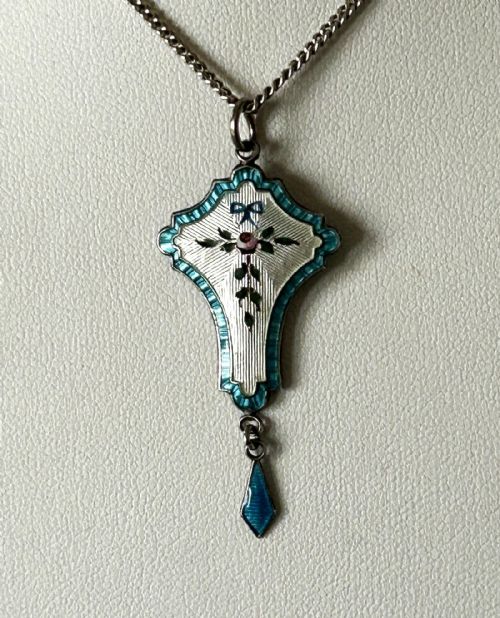


Sterling Silver Locket
These sterling silver locket pieces are small personal containers and pendants holding memories, most frequently found in Victorian and Edwardian examples on this page.
Sterling Silver Locket
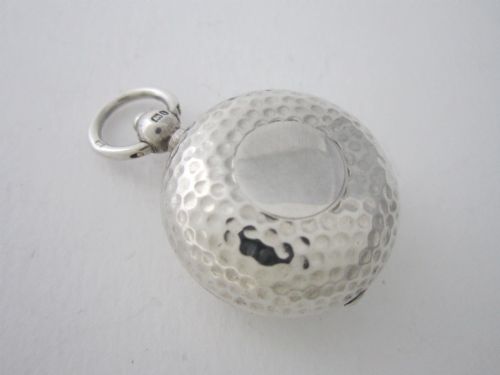
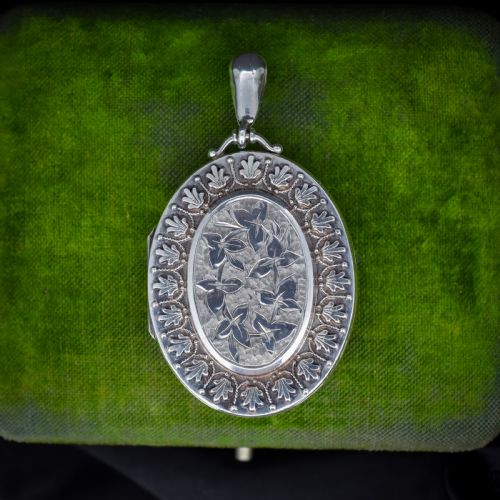
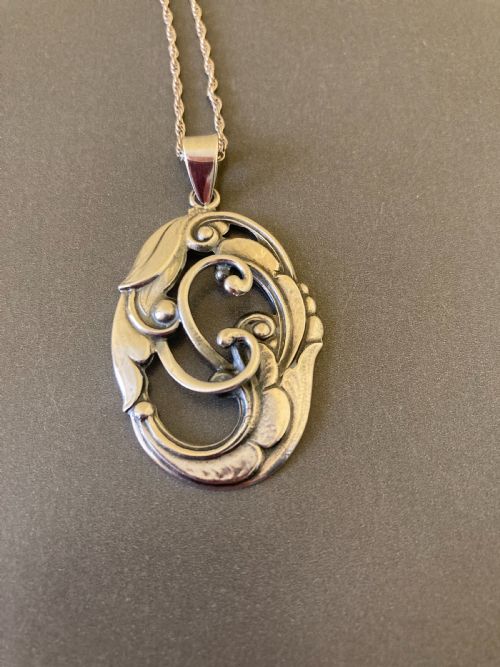
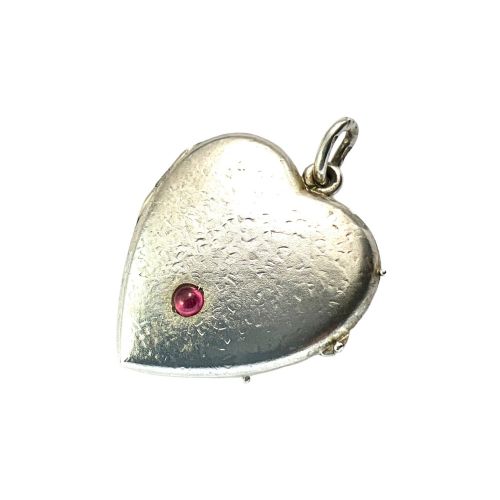
A sterling silver locket is a hinged pendant designed to hold photographs, hair, or small mementos close to the wearer. Buyers seeking a sterling silver locket encounter diverse forms spanning the Victorian, Edwardian, and Art Deco periods.
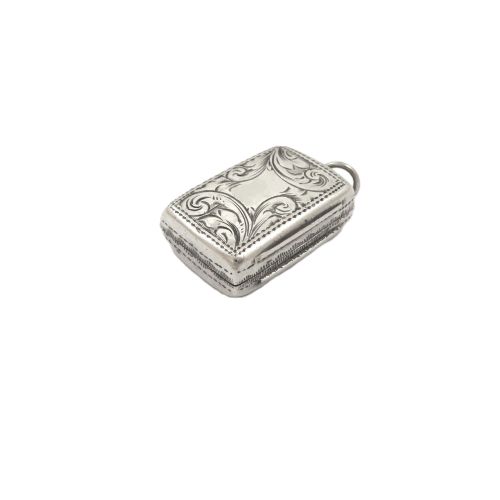
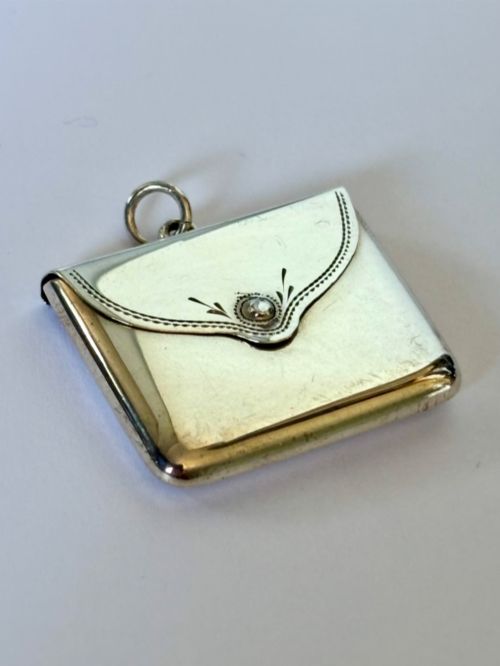
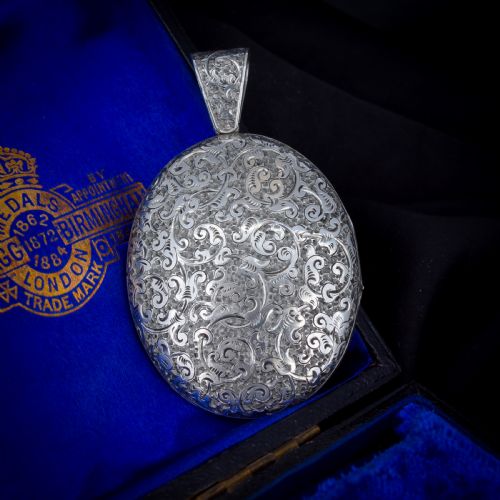
The selection here encompasses traditional oval and heart photograph lockets alongside specialised silver pieces such as stamp cases, vinaigrettes, and powder compacts. Victorian engraved floral and swallow designs dominate the available items.
Originating largely from British workshops and assay offices, these objects combine personal sentiment with functional design. The pieces range from simple polished shields to elaborate enamelled Art Nouveau creations.
How They Were Made
Maker techniques rely heavily on solid sterling silver, shaped through pressing, stamping, and hand engraving. Artisans applied intricate surface decoration including floral motifs, ivy leaves, and swallows using hand gravers.
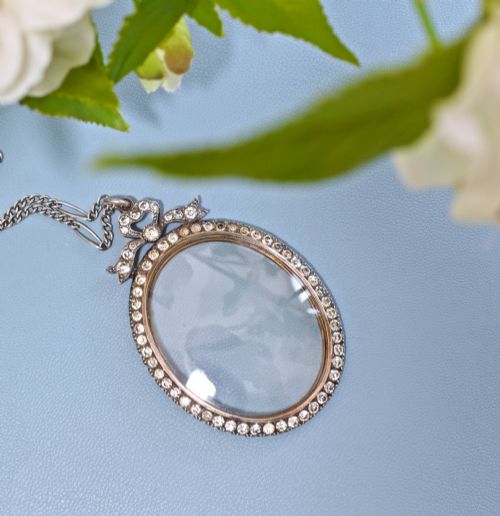
Enamelling techniques such as guilloche appear alongside applied gold details and paste stones to add colour and contrast. Hinges and snap closures were soldered carefully into place to secure the internal compartments.
Sterling Silver Locket Retail Price Guide 2026
Typical asking prices for sterling silver locket among the pieces listed under this phrase on Sellingantiques today, from the lower quarter to the upper quarter. They describe what is for sale here now, not the wider market.
Listings feature sterling silver, gold accents, enamel, and paste across Victorian and Edwardian forms.
What Varies in Quality
Quality rests in the crispness of the hand engraving and the structural integrity of the hinge and bezel. Superior examples retain deep, sharp relief in floral or bird motifs rather than worn, flattened surfaces.
The integration of secondary materials like 9ct gold highlights, vitreous enamel, or gemstones elevates a piece. Better items maintain tight closure of the locket halves and clear hallmarks from assay offices.
CRISFORD & NORRIS·ALBERT ERNEST JENKINS·MINSHULL & LATIMER·HENRY PERKINS & SONS·CHARLES HORNER
The Sterling Silver Locket Glossary
- Vinaigrette
- A small decorative container holding a sponge soaked in aromatic vinegar. These silver pieces date primarily to the Victorian era.
- Guilloche enamel
- Decorative engine-turned metalwork covered with translucent enamel. This technique appears frequently on Edwardian and Art Deco compacts and pendants.
- Assay mark
- A stamp indicating the purity of the silver, the assay office, and the year of testing. British pieces display these punch marks for identification.
- Paste
- Hand-cut lead glass used to imitate gemstones in period jewellery. It provides sparkle in Edwardian bow and portrait lockets.
- Stamp case
- A small silver envelope or holder designed to carry postage stamps. These items reflect early twentieth-century postal habits.
Sterling Silver Locket: Frequently Asked Questions
What fits inside these photo lockets?
Original interiors frequently contain thin metal rims and glass covers designed to hold miniature paper photographs. Buyers often trim modern printed photographs to fit the internal cavity.
Some collectors store locks of hair or small fabric mementos in line with historical usage. The depth varies according to whether the locket is single or double sided.
How do I date an unmarked silver locket?
Stylistic clues such as Aesthetic Movement asymmetry or Art Nouveau curves provide initial dating points. Engraved motifs like swallows and ivy strongly suggest the Victorian period.
Official hallmarks on the jump ring or inside the rim offer precise years and assay towns. Unmarked pieces rely entirely on construction methods and design context.
Can I wear a locket on a modern chain?
Most pieces feature a top loop or bail that accommodates standard silver chains. Ensure the suspension ring is secure before wearing the pendant daily.
Matching the silver tone of the chain to the locket maintains a cohesive appearance. Heavier Victorian lockets require sturdier chains to support their weight safely.