

Sterling Silver Dressing Table
A sterling silver dressing table piece brings the gleaming craftsmanship of the Victorian, Edwardian, and Art Deco eras to a bedroom collection.
Sterling Silver Dressing Table
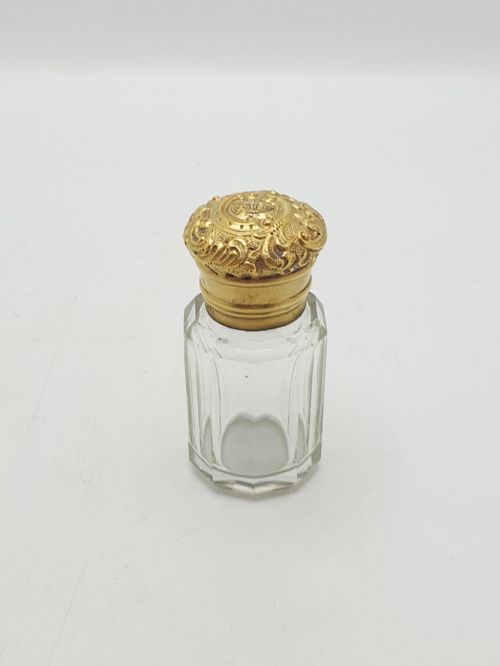
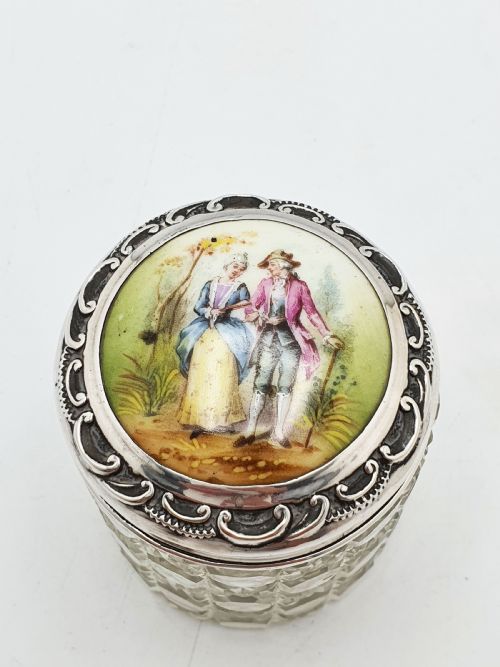
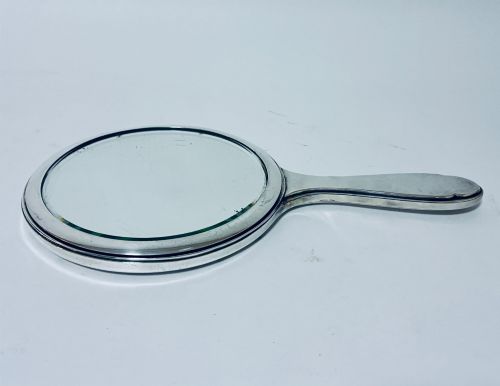
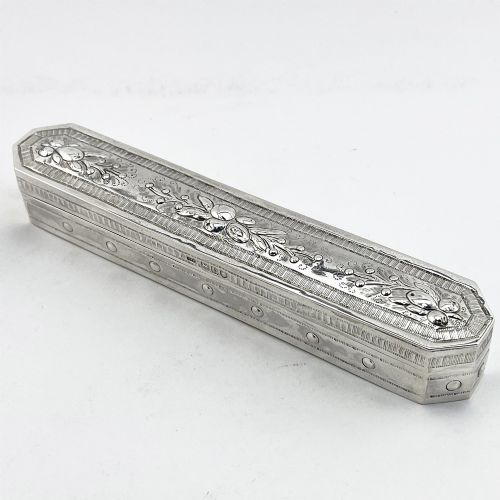
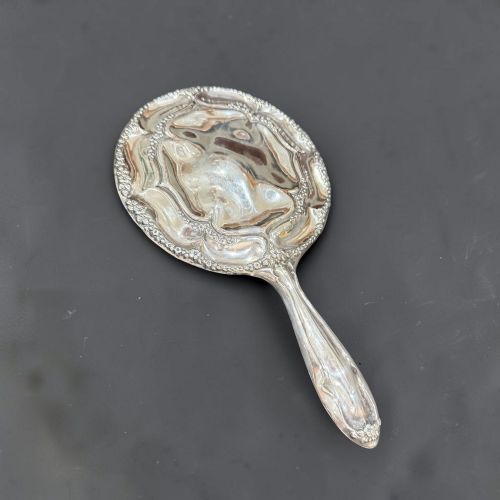
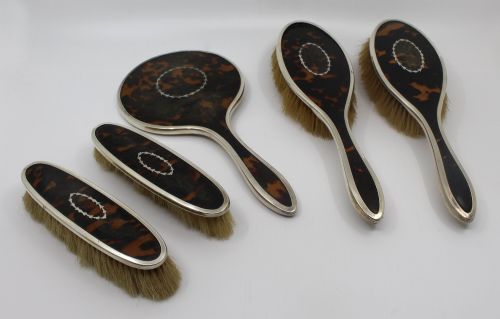
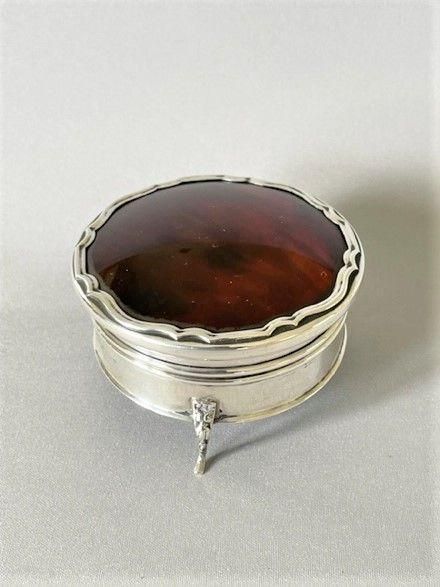
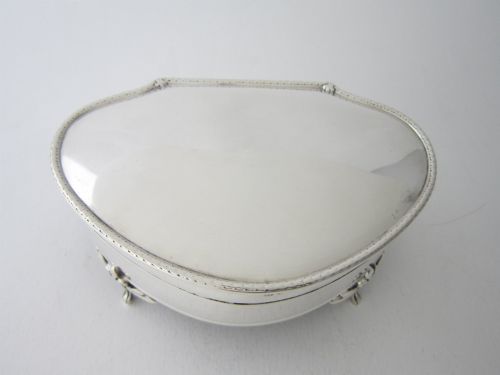
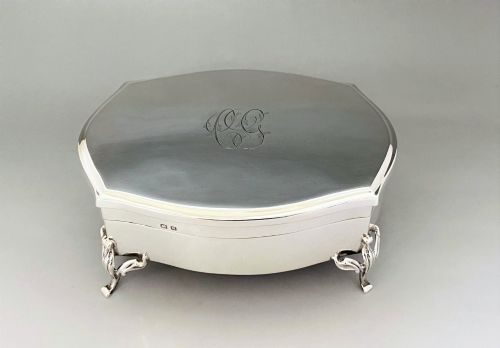
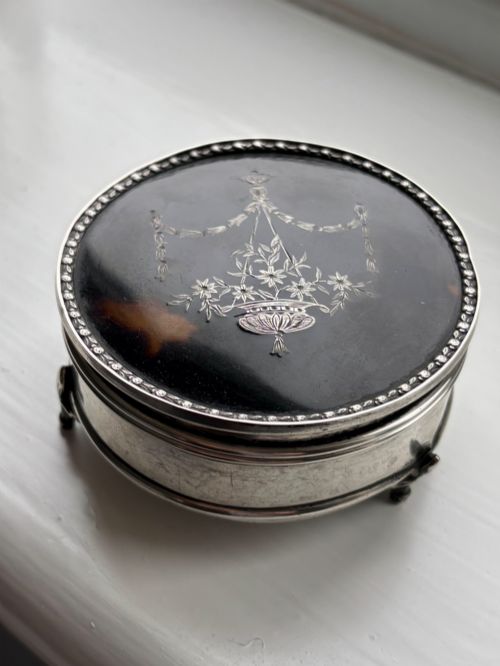
A sterling silver dressing table grouping encompasses functional vanity items designed for personal grooming and ornamentation. Buyers searching this phrase will find an array of containers and implements, from lidded trinket boxes and glass vanity jars to hand mirrors, picture frames, and scent bottles.
The selection on this page leans heavily into the Edwardian and Victorian periods, alongside striking George V and Art Deco examples. Pieces range from small heart-shaped ring boxes and heavy castle-top table boxes to large strut mirrors and embossed repoussé trays.
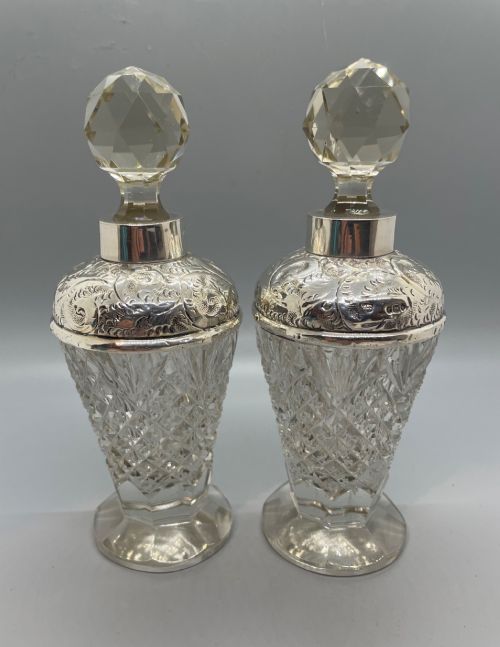
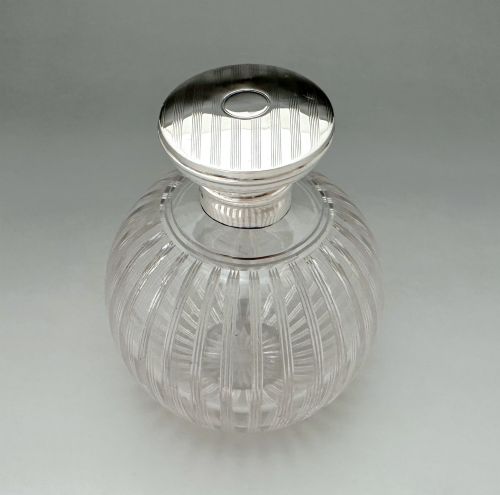
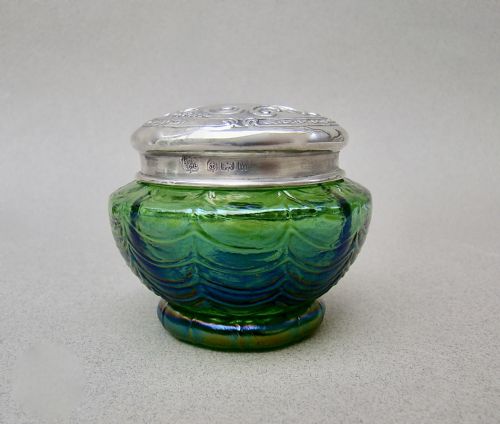
Vessels often combine solid sterling silver mounts and lids with cut glass, satin glass, or coloured enamel bodies. Collectors frequently encounter matching vanity sets and standalone jars produced by silversmiths working across British and European assay offices.
How they were made
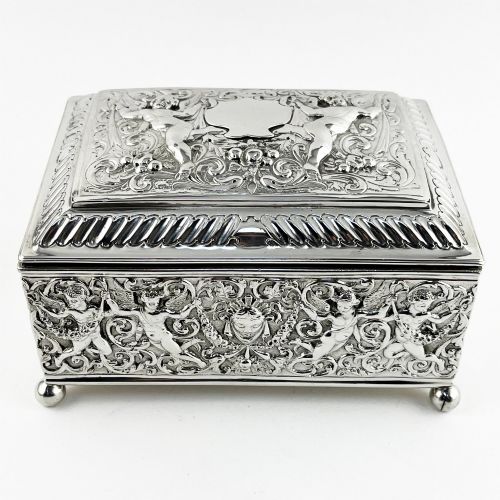
Items were constructed using traditional silversmithing techniques such as casting, hammering, piercing, and repoussé embossing to shape the sterling silver components. Many containers feature intricate floral motifs, cherubs, or rococo scrolls worked directly into the metal surfaces by hand.
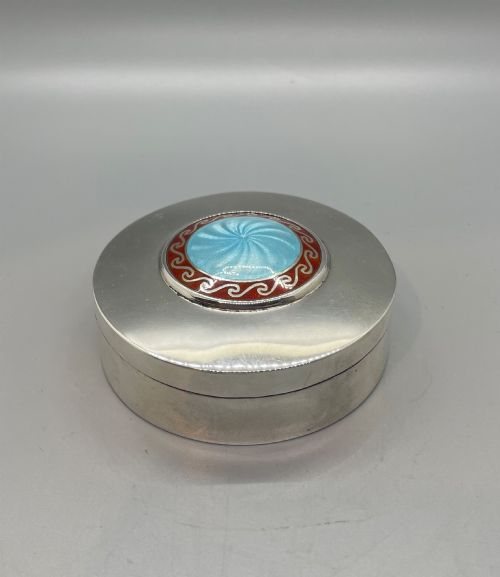
Glass elements utilised in scent bottles and vanity jars were frequently heavy cut glass, ruby glass, or moulded satin glass designed to fit securely beneath hallmarked silver collars and lids. Artisans also applied translucent guilloche enamel over engine-turned metal bases to create vibrant coloured finishes on compacts and boxes.
What varies in quality
Quality in a sterling silver dressing table piece is defined by the weight of the silver, the crispness of the chased or embossed detail, and the integrity of any associated glass or enamel. Substantial gauge metal and fully legible hallmarks stamped by recognised makers indicate superior manufacturing standards.
Pieces featuring undamaged guilloche enamel without chipping, alongside flawless cut glass vessels and secure hinges, sit at the upper end of the tier. The presence of master silversmith signatures and complete matching vanity sets further elevates the distinction of individual items.
A. J. Pepper & Co·Ollivant & Botsford·Henry Clifford Davis·A. Bromet & Co·Gorham·Paul Storr·Henry Williamson·Henry Perkins·William Comyns·Charles Boyton·S Blanckensee & Son
The Sterling Silver Dressing Table Glossary
- Guilloche enamel
- A decorative technique where translucent enamel is layered over mechanically engraved metalwork. It produces a repeating geometric pattern visible beneath coloured glass-like coatings.
- Repoussé
- A metalworking method in which the silversmith shapes the silver by hammering from the reverse side. This creates raised ornamental designs such as florals and angels on box lids and mirror backs.
- Hallmark
- An official stamp applied to precious metals indicating the standard of purity, the assay office, and the date of manufacture. These marks allow collectors to verify the exact origin of a silver piece.
- Strunt mirror
- A portable tabletop mirror supported by a hinged prop or stand at the back. They were commonly produced in sterling silver during the Edwardian period for bedroom use.
- Castle top
- A collector term for a box featuring a detailed high-relief architectural engraving of a famous building or landmark on the lid. These are prized for their pictorial execution.
- Ring tree
- A small decorative stand featuring a central upward stem surrounded by shallow dishes. It was used on dressing tables specifically for holding rings.
Sterling Silver Dressing Table: Frequently Asked Questions
What were vanity jars used for?
Vanity jars held cold creams, powders, pins, and small cosmetics on a Victorian or Edwardian dressing table. Their heavy glass or crystal bodies kept contents protected beneath tight-fitting silver lids.
Over time, these jars evolved in shape to match the changing styles of dressing table sets, shifting from ornate floral embossing to clean geometric Art Deco lines.
How do I date a silver piece?
Dating relies entirely on the set of stamped hallmarks found on the sterling silver mounts, rims, or lids. These tiny symbols indicate the assay office, the standard mark, and a specific date letter corresponding to the year of testing.
Additional clues come from the manufacturing style, such as heavy rococo embossing in the Victorian era versus streamlined enamel in the Art Deco period.
Are glass and silver sets original?
Most matching sets of jars and bottles share the same period characteristics, glass tint, and maker hallmarks applied at initial creation. Because dressing table glass items experienced heavy daily use, replacement bottles do occasionally occur in mixed collections.
Examining the fit of the silver collar to the glass neck helps confirm that the components belong together as originally manufactured.
How should I clean antique silver?
Antique silver requires gentle maintenance using a specialised non-abrasive silver cloth to preserve the dark highlights in recessed chased patterns. Harsh liquid dips should be avoided, particularly on pieces featuring delicate guilloche enamel or glued glass mounts.
Regular light dusting and careful handling keep the polished surfaces bright without stripping away historical patina.