
Sterling Silver Dining Accessories
Sterling silver dining accessories bring tactile elegance to the table through items shaped for service and place setting.
Sterling Silver Dining Accessories
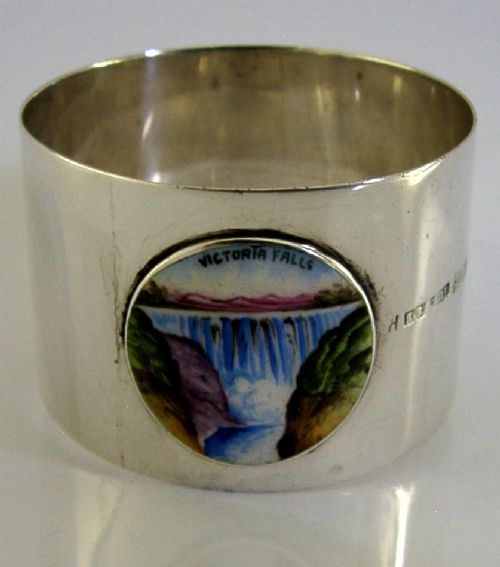
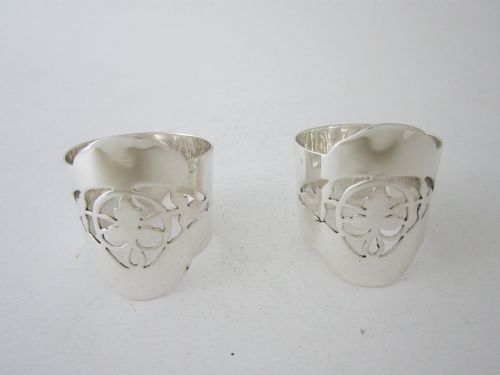
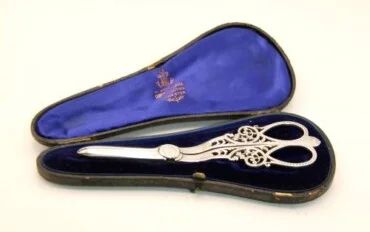
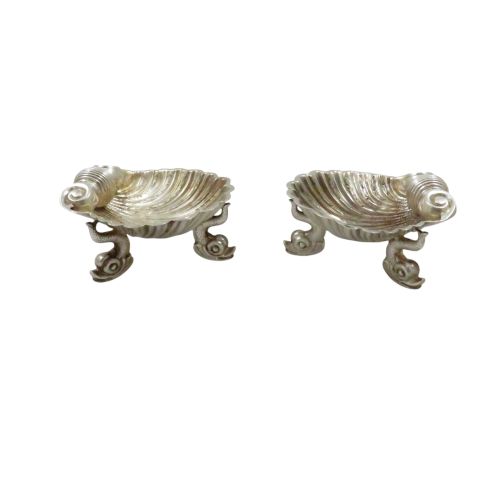
Sterling silver dining accessories encompass functional and decorative table items spanning the Georgian, Victorian, Edwardian, and mid-century periods. Napkin rings, menu holders, place card holders, and grape shears appear frequently across these listings.
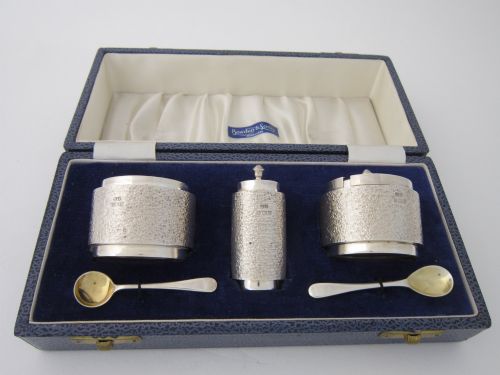
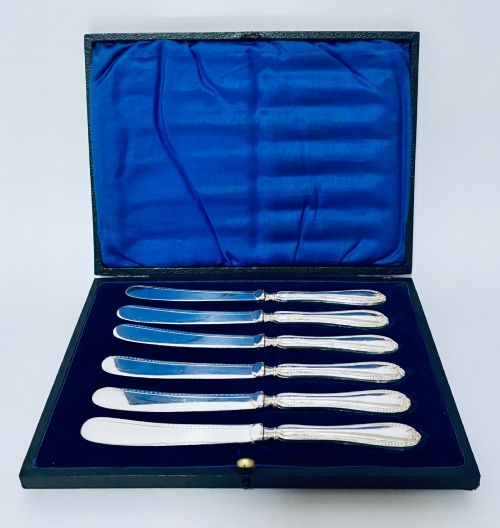
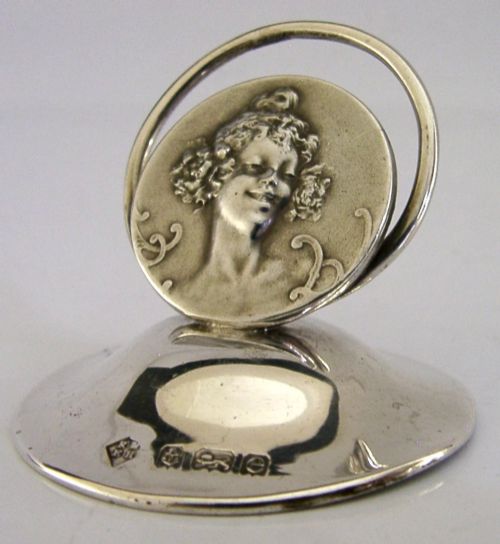
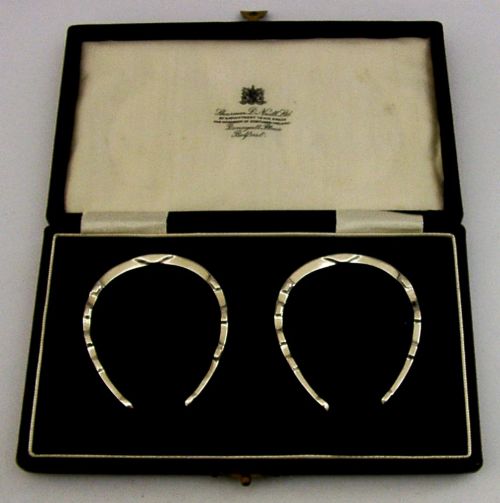
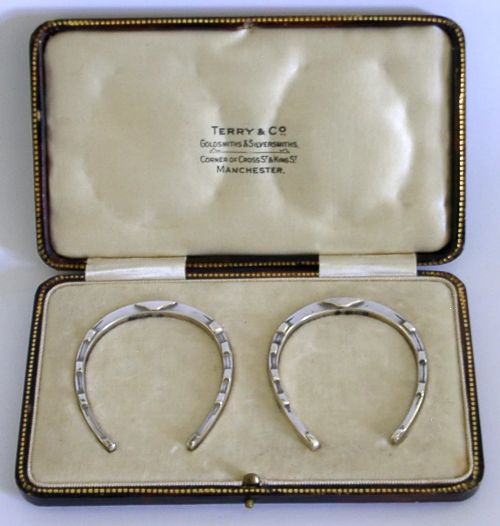
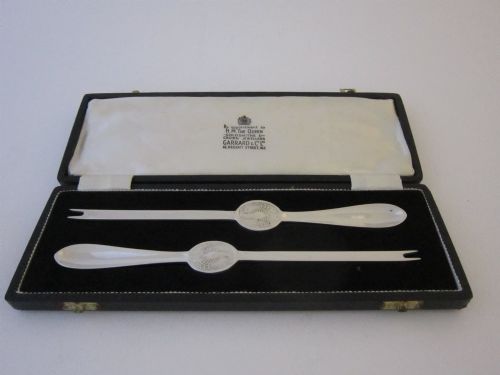
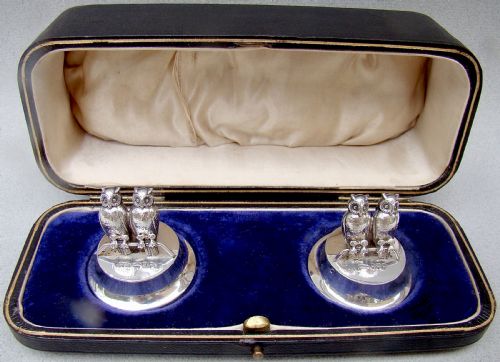
Makers produced these pieces in forms ranging from plain geometric napkin rings to figurative menu holders shaped like animals, figures, and horseshoes. Sets often survive in fitted cases lined with silk, velvet, or satin.
The materials recorded in the evidence span sterling silver alongside glass, leather, leatherette, and silk linings used in presentation boxes. Pieces originate primarily from British workshops, reflecting traditional dining rituals of the nineteenth and twentieth centuries.
Materials and Technique
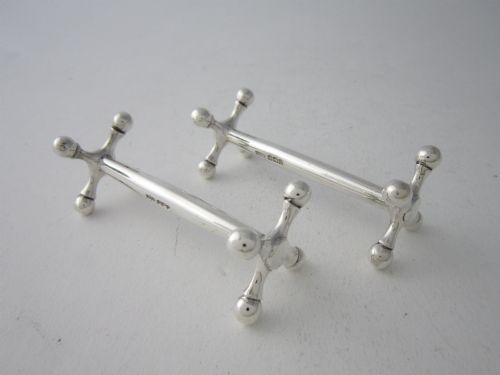
The primary material is solid sterling silver, worked through casting, hammering, and piercing to achieve structural rigidity and decorative detail. Heavier items such as knife rests and grape shears require robust gauge silver to withstand functional pressure.
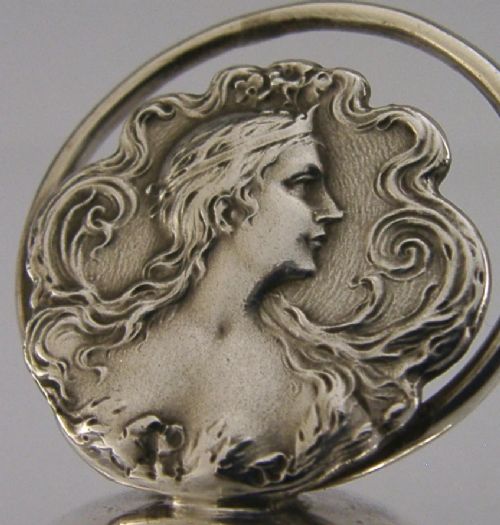
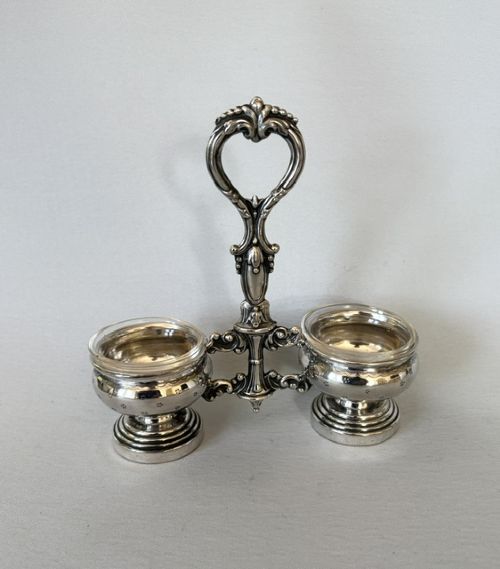
Decorative elements involve applied cast motifs, such as grape and vine reliefs on wine coasters or detailed animal figures on menu holders. Internal components incorporate secondary materials like glass for pepper grinders and fabric linings for fitted presentation cases.
Listings feature items spanning the Georgian, Victorian, Edwardian, George V, George VI, and mid-century periods in solid sterling silver.
Criteria of Distinction
Quality rests upon the crispness of the chasing and the weight of the silver used in the piece. Substantial gauge metal in napkin rings and knife rests indicates superior craftsmanship compared to lighter stampings.
The presence of original fitted presentation cases lined in silk or velvet enhances the integrity of cased sets. Artistic ambition also separates standard production items from sculptural cast menu holders depicting complex figural subjects.
Levi & Salaman·C.T. Burrows & Sons·R. E. Stone·Garrard·Georg Jensen
The Sterling Silver Dining Accessories Glossary
- Sterling silver
- An alloy containing a high proportion of pure silver combined with other metals for durability. This standard metal appears across the vast majority of tabletop accessories.
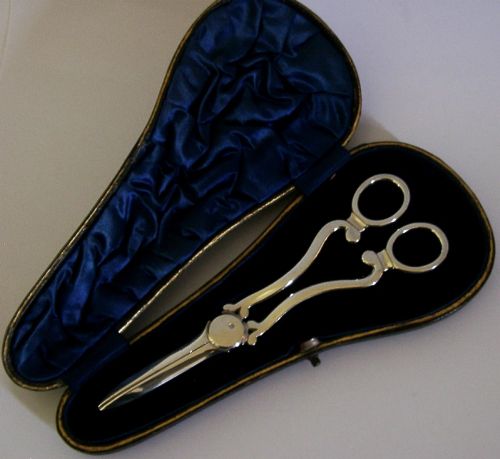
- Grape shears
- Specialised scissors designed for cutting clusters of fruit at the table. These often feature robust cast handles and long blades.
- Menu holder
- A small upright stand used to display dining choices or place cards on a table. Examples from the Edwardian period frequently employ figural designs.
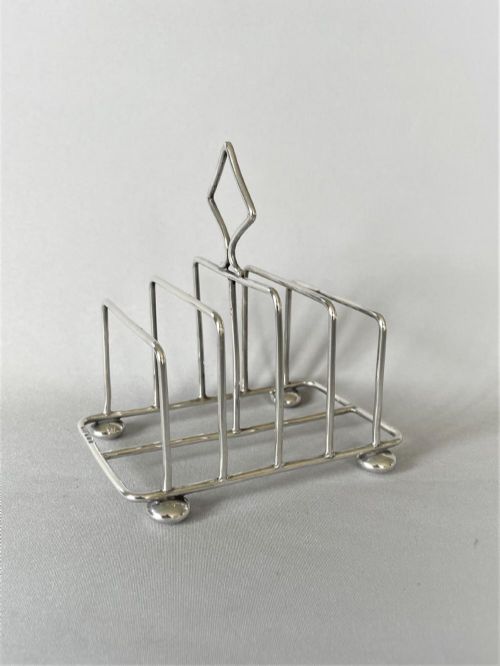
- Toast rack
- A metal frame with vertical dividers designed to hold slices of toast upright. These pieces demonstrate varied wirework and base construction.
- Marrow scoop
- A long, narrow utensil with shallow bowls at each end for extracting marrow from bones. These items reflect specialised historical dining practices.
Sterling Silver Dining Accessories: Frequently Asked Questions
What are sterling silver dining accessories?
These pieces are functional and decorative items designed for formal dining tables, including napkin rings, menu holders, and grape shears.
They reflect the domestic metalwork traditions of British silversmiths across the Georgian, Victorian, Edwardian, and mid-century eras.
How were napkin rings used?
Napkin rings identified individual table linens between laundry cycles in large households.
Matched sets often came in fitted presentation cases lined with silk or velvet for formal storage.
How do I date these silver items?
Dating relies primarily on hallmarks stamped into the metal, which indicate the assay office, year letter, and maker's mark.
Stylistic markers such as Art Nouveau curves or Art Deco geometries also provide clear period attribution.
Are cased sets common?
Cased sets of napkin rings and condiment pieces frequently survive intact within original fabric-lined boxes.
These presentation boxes often feature fitted interiors tailored to the specific dimensions of the silver components.