


Elizabeth II Sterling Silver
Elizabeth ii sterling silver gathers mid-century table ornaments, cutlery and tea services shaped during the early decades of the second Elizabethan reign.
Elizabeth II Sterling Silver
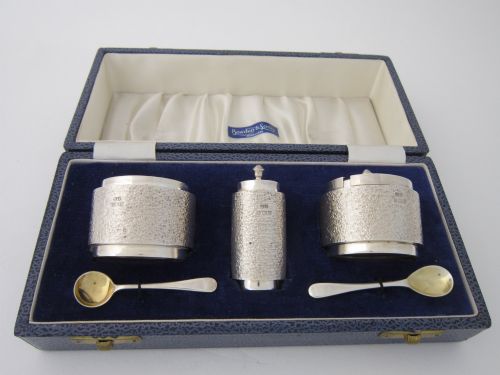
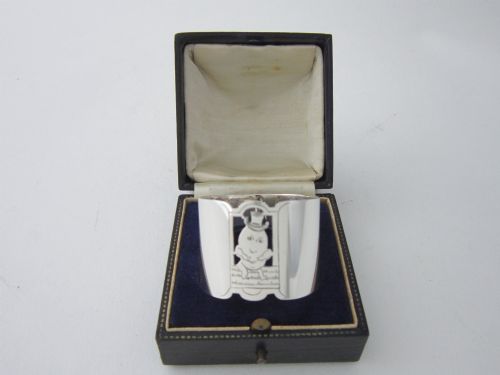
Elizabeth ii sterling silver spans domestic tableware and decorative ornaments produced primarily across the nineteen-fifties and nineteen-sixties in British workshops. Buyers search for these items to acquire mid-century British and mid-century modern silver tableware, ranging from novelty napkin rings and table ornaments to complete tea and coffee sets.
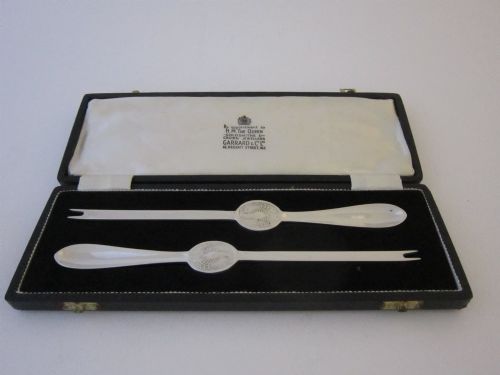
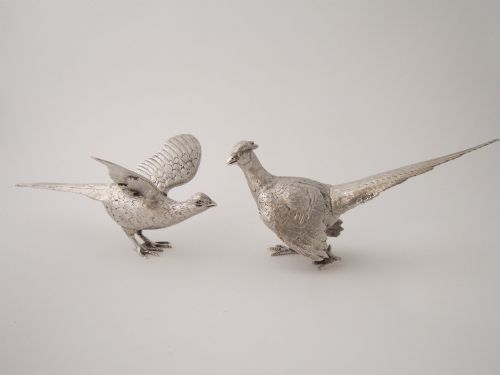
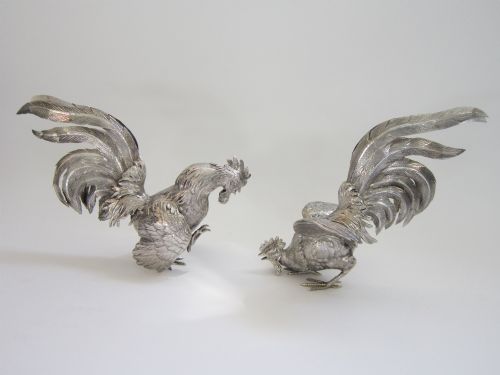
The objects commonly include novelty animal models such as pheasants, fighting cockerels and owls, alongside practical dining accessories like wine funnels, condiment sets and pastry forks. The selection reflects the distinct design output of the mid-twentieth century under Neoclassical and modern British influences.
Most examples originate from the nineteen-fifties and nineteen-sixties, capturing the transition from post-war austerity towards bolder modernist forms. Collectors encounter items created for daily dining use as well as commemorative pieces marking the reign.
How they were made
Makers utilised sterling silver as the primary metal, frequently combining it with subsidiary materials such as enamel, cut glass, velvet, leatherette, wood and gold plate to construct functional objects like inkstands, candlesticks and fitted cutlery sets. Casting and hand-smithing techniques shaped solid silver into complex figurative models and substantial trays.
Detailed animal figures and novelty items relied on skilled casting methods to render realistic textures in metal, while flatware and hollowware required precise forming and polishing. Associated components incorporated glass liners for condiment sets and wooden bases for inkstands.
Listings feature sterling silver combined with enamel, cut glass, velvet and wood across pieces dated to the nineteen-fifties and nineteen-sixties.
What varies in quality
The standard of execution depends on the crispness of the casting in figurative pieces like birds and animal models, where finer detail distinguishes superior workshop output. Maker attribution also influences standing, with pieces bearing marks from established firms commanding particular attention.
Weight and gauge determine the substance of hollowware and flatware, separating heavy items designed for enduring use from lighter production. The integration of secondary materials such as enamel or cut glass demands precise fitting to achieve lasting harmony.
Garrard·Lowe & Sone·Tiffany·R.E. Stone
The Elizabeth II Sterling Silver Glossary
- Sterling silver
- A silver alloy containing 92.5 percent pure silver by mass, with the remainder composed of other metals to increase durability. This standard alloy forms the basis of all genuine British silver items from the period.
- Hollowware
- Tableware items such as teapots, coffee pots, sugar bowls, cream jugs and salvers that possess volume rather than being flat. These vessels require skilled raising or spinning techniques during manufacture.
- Wine funnel
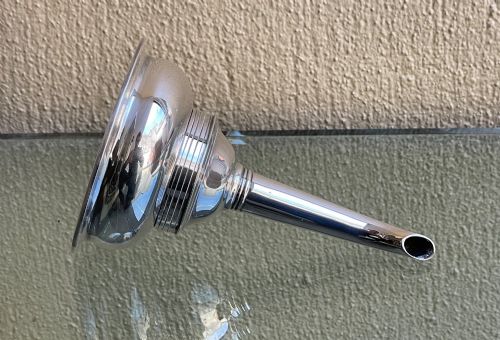
- A specialised utensil designed to decant wine into a decanter while filtering out sediment. Mid-century examples in this metal often incorporate a removable strainer basket.
- Inkstand
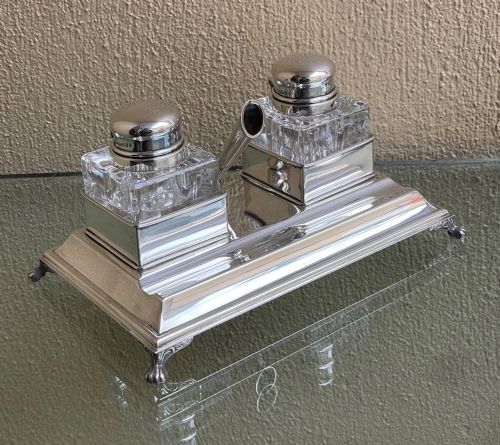
- A desk accessory holding inkwells, pen trays and sometimes sanders or taper sticks. These stationary pieces frequently combine solid silver with wooden components or glass ink inserts.
- Condiment set
- A matched collection of small vessels for salt, pepper and mustard used at the dining table. They frequently appear as novelties shaped as animals or birds in mid-century British silver.
Elizabeth II Sterling Silver: Frequently Asked Questions
How do I date these silver items?
British silver bears hallmarks stamped directly into the metal that indicate the assay office, the maker's mark and a specific date letter corresponding to the year of testing.
Additional clues appear in the distinct mid-century styling, which aligns production with the nineteen-fifties and nineteen-sixties.
Were these silver pieces used daily?
Many items, including condiment sets, napkin rings and tea services, were manufactured for active domestic dining use during the mid-twentieth century.
Other objects, such as novelty animal models and decorative table ornaments, served primarily as ornamental display pieces in contemporary homes.
How should I clean silver?
Maintenance requires specialised silver polish applied gently with a soft cloth to remove tarnishing without wearing away the underlying metal or damaging enamel details.
Harsh chemical dips and abrasive scrubbing brushes should be avoided to preserve the original surface texture and hallmarks.
What styles define this era?
Mid-century British design balances traditional Neoclassical motifs with clean modernist lines popular during the nineteen-fifties and nineteen-sixties.
This aesthetic produced both minimalist flatware and highly detailed figurative novelty items such as silver owls and pheasants.