



Sterling Silver Book
A sterling silver book brings together the utility of reading and the weight of precious metal through bookmarks, desk accessories, and devotional containers.
Sterling Silver Book
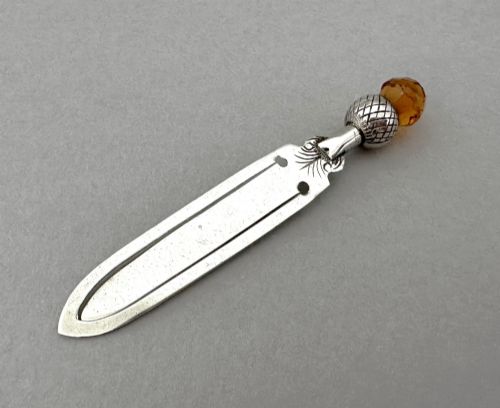
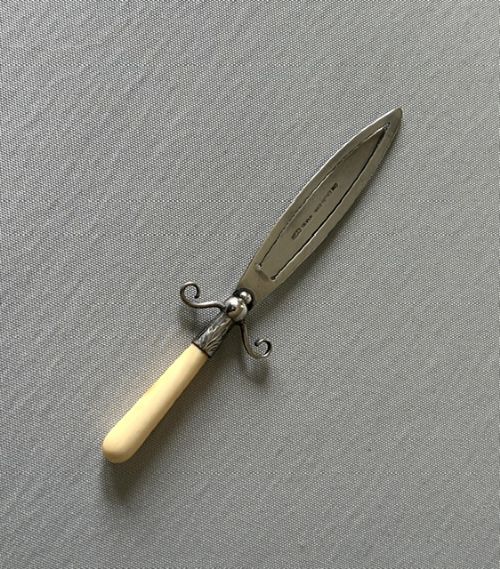
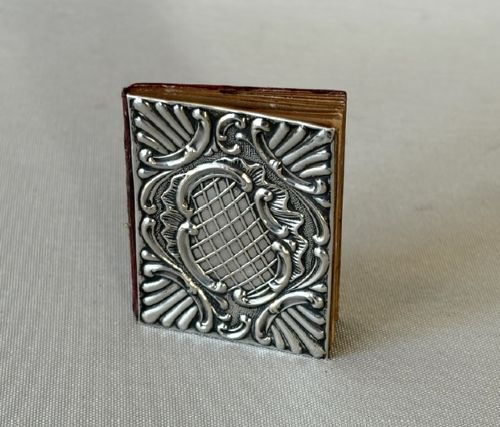
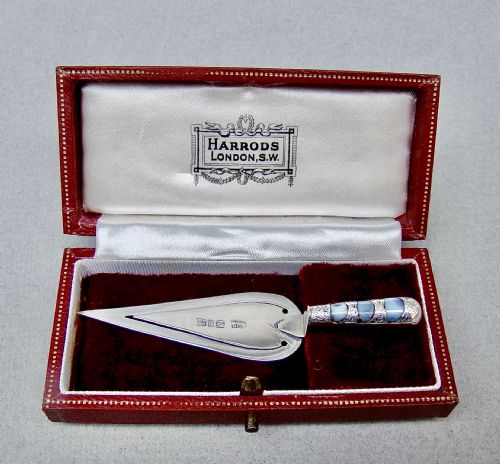
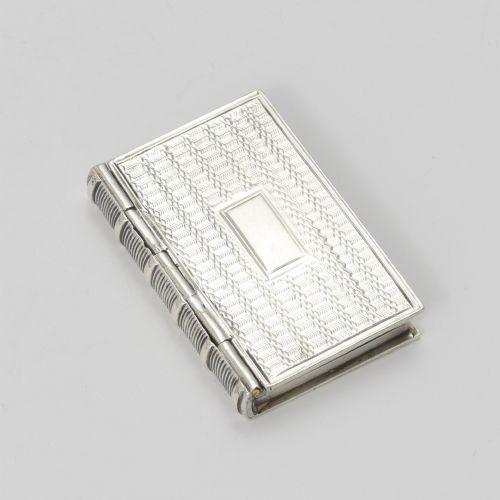
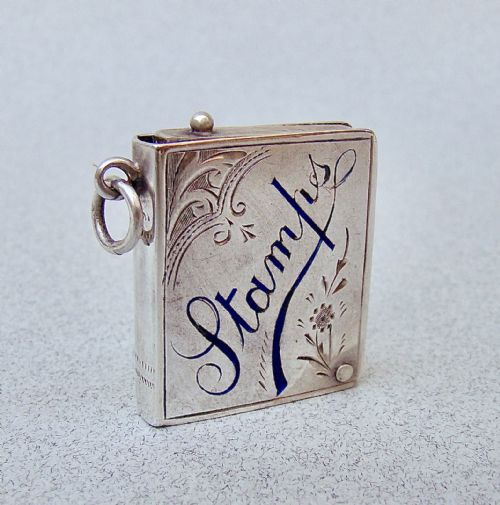
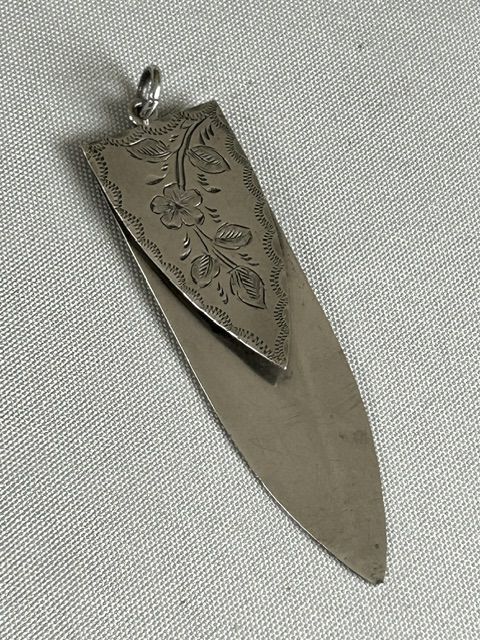
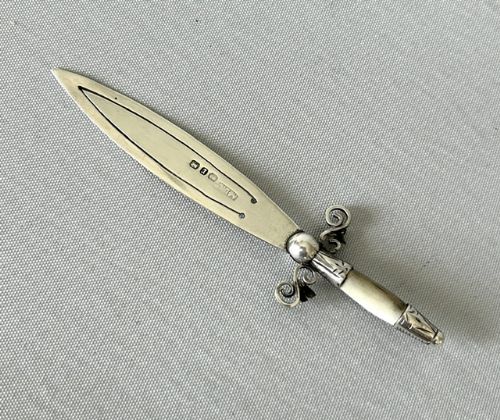
A sterling silver book search reveals items closely tied to reading and writing, spanning Victorian, Edwardian, and George V periods. The selection commonly includes bookmarks in trowel shapes, page turners, stamp cases, and devotional objects.
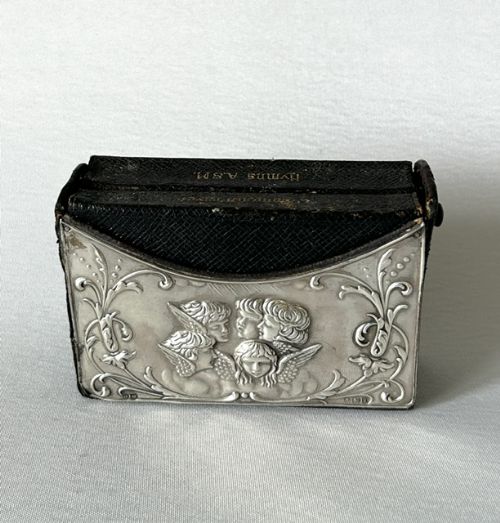
Makers produced these pieces across the nineteenth and twentieth centuries, encompassing desk accessories, leather-bound prayer books, and novelty animal designs. Buyers encounter everything from simple engraved markers to elaborate mechanical creations.
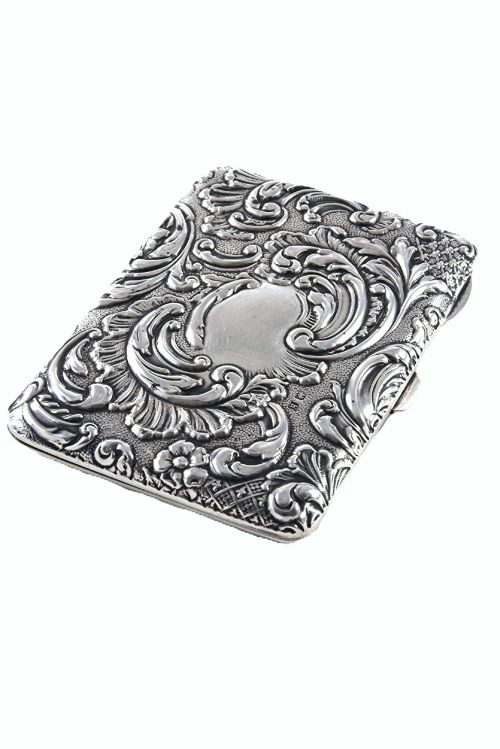
Objects range from miniature telegram folders and aide memoires to larger desk items and chatelaine accessories. The era encompasses styles from 20th Century Novelty to Art Deco and Victorian aesthetics.
Materials and Technique
Silversmiths combined sterling silver with organic materials such as mother-of-pearl, leather, banded agate, and glass to construct these items. Metalwork techniques involved piercing, chasing, and detailed engraving.
Makers integrated coloured stones, enamel, and early celluloid into silver mounts for bookmarks and desk items. Construction required careful joining of silver sheet, wire, and specialised functional mechanisms.
Sterling Silver Book Retail Price Guide 2026
Typical asking prices for sterling silver book among the pieces listed under this phrase on Sellingantiques today, from the lower quarter to the upper quarter. They describe what is for sale here now, not the wider market.
Victorian silversmiths transformed reading gear into menagerie items, offering tiny silver beetles, pigs, and elephants to hold your place.
Assessing the Range
Quality depends upon the crispness of the silversmith's engraving and the complexity of the design. Standard stamped items differ significantly from specialised mechanical pieces or figural novelty animals.
The choice of secondary materials influences the standing of a piece, particularly when utilising banded agate, nephrite, or fine enamel. Hallmarking clarity and the preservation of delicate mechanisms also separate ordinary examples from exceptional ones.
Taylor & Perry·Sampson Mordan·Crisford & Norris·Ludwig Krumm·Asprey·Charles Horner·Joseph Cook & Son Ltd
The Sterling Silver Book Glossary
- Aide Memoire
- A small memorandum book or diary, often mounted in silver with leaves for notes. These pieces frequently include a small pencil tucked into the spine or cover.
- Page Turner
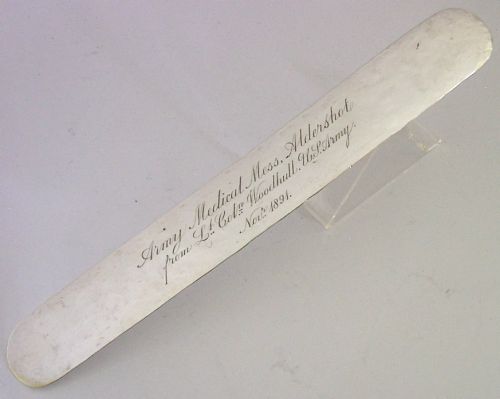
- A long handled implement of silver, ivory, or mother-of-pearl designed for turning heavy book pages without tearing them. Victorian examples often feature inscribed presentation dates.
- Vinaigrette
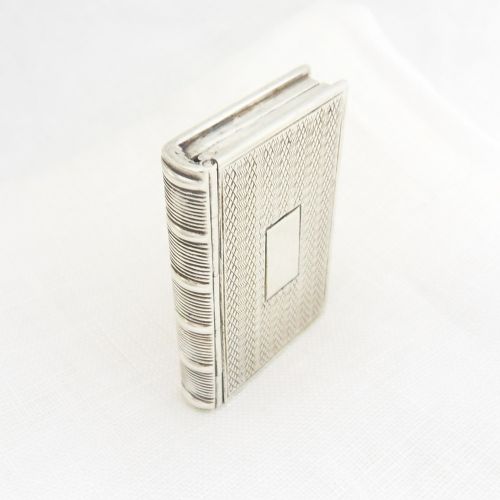
- A small metal box with a perforated inner grill holding a sponge soaked in aromatic vinegar. Silver book shaped vinaigrettes combined pocket utility with decorative miniature forms.
- Chatelaine Accessory
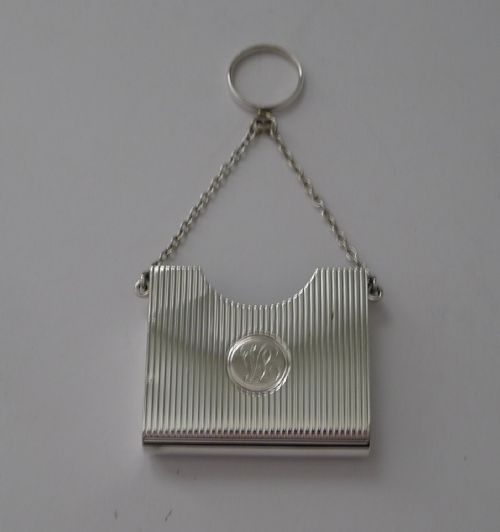
- An item suspended from a waist hook by chains, allowing the wearer to carry small daily tools. Bookmark and memoire cases were frequently adapted for chatelaine use.
- Hallmark
- The official stamp applied by an assay office indicating metal purity, origin city, and date letter. English marks provide precise tracking for Victorian and Edwardian pieces.
Sterling Silver Book: Frequently Asked Questions
What is a silver trowel bookmark?
A silver trowel bookmark is a small flat page marker shaped like a garden trowel with a long handle and engraved blade.
Makers produced these widely during the Victorian and Edwardian eras, often incorporating decorative stones into the handle.
How were aide memoire books used?
An aide memoire served as a pocket notebook for recording social engagements, addresses, and daily reminders.
They featured replaceable paper leaves housed within hinged sterling silver covers, often secured with a tiny pencil.
How do I date a silver book accessory?
Dating relies upon the hallmarks stamped into the sterling silver by assay offices in cities like Birmingham, Chester, and London.
Date letters, maker marks, and style traits such as Art Deco geometry or Victorian engraving help place each piece in its era.