





Victorian Silver Stationery
Victorian silver stationery pieces bring elegance and order to a desk through sterling silver, glass, tortoiseshell, and leather crafted for writing and organisation.
Victorian Silver Stationery
When you search for victorian silver stationery, you find a range of desk accessories designed to handle correspondence, notes, and reading materials. The items span from the late nineteenth century into the Edwardian era, reflecting the heavy reliance on written communication during that period.
The most common forms you meet on this page include letter openers, bookmarks, inkstands, desk clips, and stationery folders or boxes. These objects often combine silver mounts with materials like oak, glass, and tortoiseshell to create functional desk furniture.
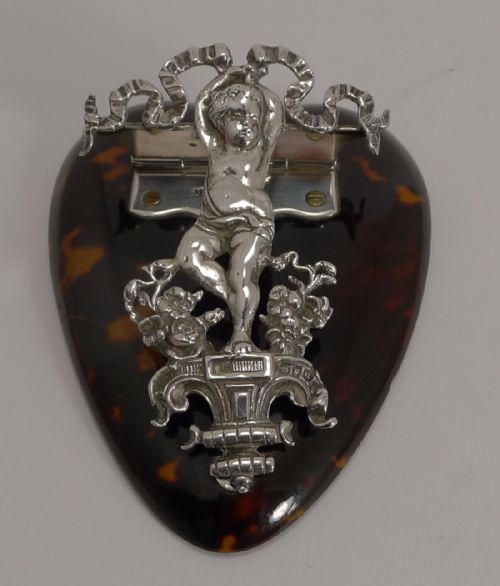
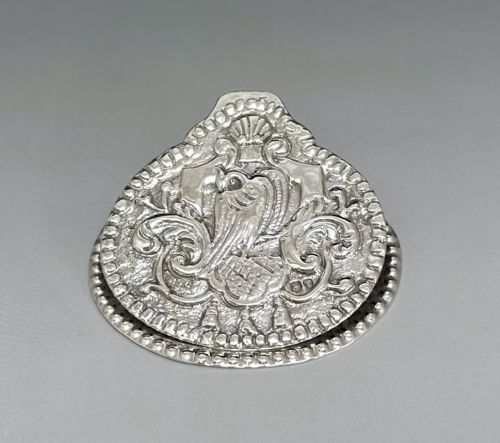
Many surviving examples display novelty designs, such as greyhounds, butterflies, trowels, hearts, and cherubs. These decorative touches show how utility and ornamentation merged on nineteenth-century writing desks.
How they were made
Tortoiseshell, mother of pearl, and leather serve as decorative and tactile insets on letter clips and folder fronts. Hinged mechanisms and silver mounts require precise metalworking to secure delicate organic materials safely within a sturdy frame.
Victorian Silver Stationery Retail Price Guide 2026
Typical asking prices for victorian silver stationery among the pieces listed under this phrase on Sellingantiques today, from the lower quarter to the upper quarter. They describe what is for sale here now, not the wider market.
Listings feature items from the Victorian and Edwardian periods, utilising sterling silver, silver plate, oak, glass, and tortoiseshell.
What varies in quality
Quality rests upon the weight and crispness of the silver work, particularly in novelty forms like butterflies, greyhounds, and figural clips where fine detail dictates the piece's success. Plain mounts demand smooth finishes and solid construction without distortion.
The integration of secondary materials such as tortoiseshell and leather marks the distinction between standard desk items and finer bespoke commissions. Well-fitted hinges, sturdy wooden carcases like oak, and intact glass elements elevate the overall integrity of the piece.
The Victorian Silver Stationery Glossary
- Stationery box
- A desk accessory designed to hold writing paper and envelopes upright, frequently fitted with a sloped lid and internal dividers. These often feature sterling silver mounts or fronts.
- Desk clip
- A spring-loaded or hinged clamp used to secure letters, notes, or telegrams on a desktop. Novelty shapes like hearts and hands are common amongst these functional items.
- Stamp moistener
- A small desktop vessel with a roller or pad used to wet adhesive postage stamps before application. Glass bodies paired with sterling silver mounts are typical for this tool.
- Telegram folder
- A designated case or folio for holding incoming telegraph messages, usually bound in leather or fabric with a decorative sterling silver front.
- Sterling silver
- An alloy consisting of silver and other metals, predominantly copper, standard for British silver items of this period. It provides durability while maintaining a bright metallic lustre.
Victorian Silver Stationery: Frequently Asked Questions
What items are considered victorian silver stationery?
The category includes desk accessories like letter openers, bookmarks, inkstands, stamp moisteners, and stationery folders. These pieces combine silver mounts with materials such as glass, tortoiseshell, and leather.
Most items date from the late nineteenth century and the Edwardian period, reflecting the Victorian writing culture.
How were stationery folders used?
Stationery folders held blank writing paper and envelopes neatly on a desk, keeping correspondence flat and ready for use. Their silver-mounted fronts added decorative appeal to the writing surface.
Larger versions often incorporated internal compartments to separate different sizes of paper.
Are novelty desk accessories common?
Makers frequently produced novelty desk clips and bookmarks shaped as animals, insects, or symbolic motifs. Examples include greyhounds, butterflies, trowels, and hearts.
These whimsical designs brought personality to practical office tools on nineteenth-century desks.
What materials accompany the silver?
Desk items frequently pair sterling silver with organic materials like tortoiseshell, leather, and mother of pearl. Oak forms the sturdy structure for boxes and inkstands, while glass appears in stamp moisteners.
This mix of textures gave desk furniture both visual contrast and daily utility.