





Sterling Silver Beer Tankard
A sterling silver beer tankard is a drinking vessel of weight and history, offering a tactile connection to centuries of social drinking.
Sterling Silver Beer Tankard
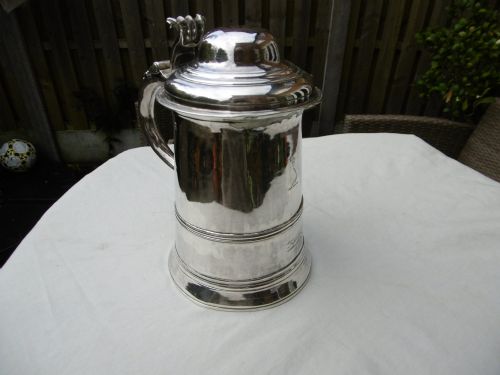
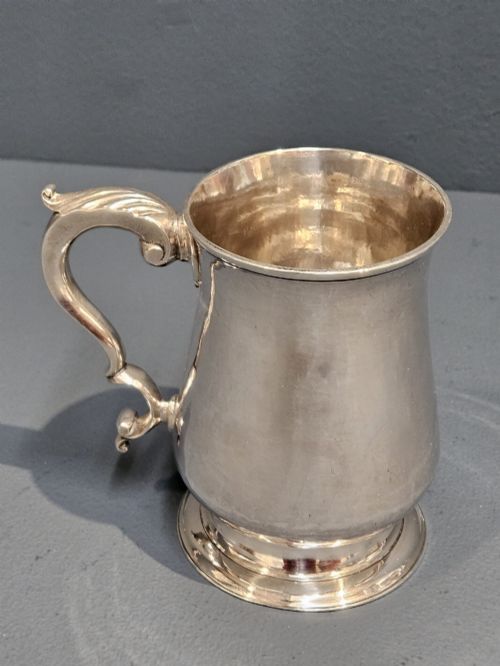
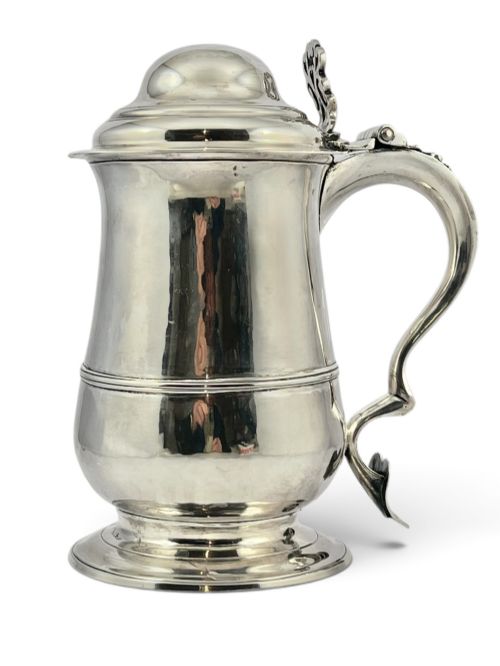
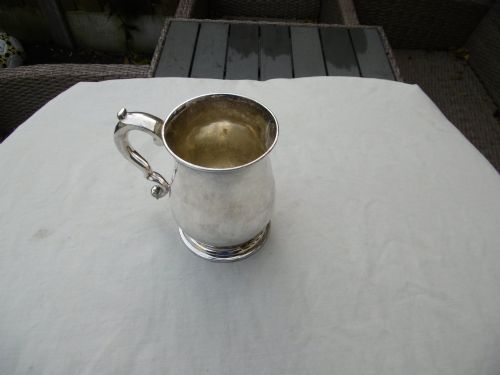
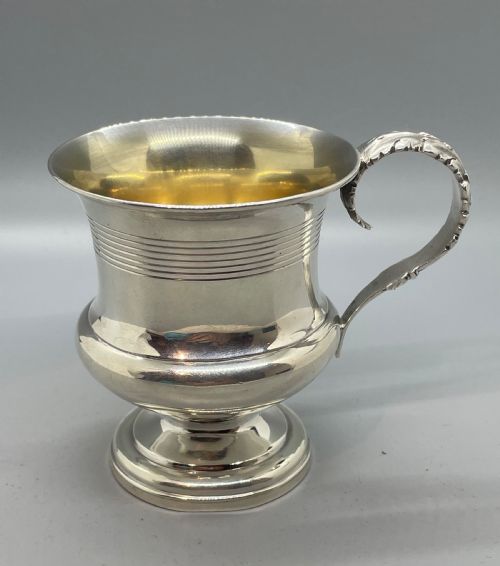
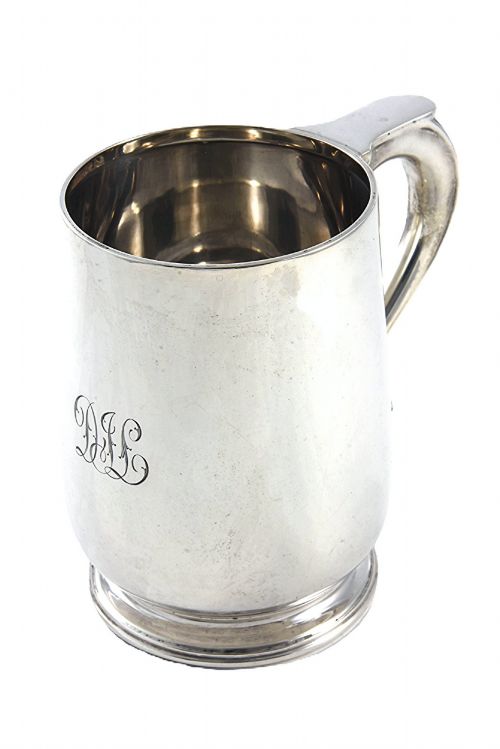
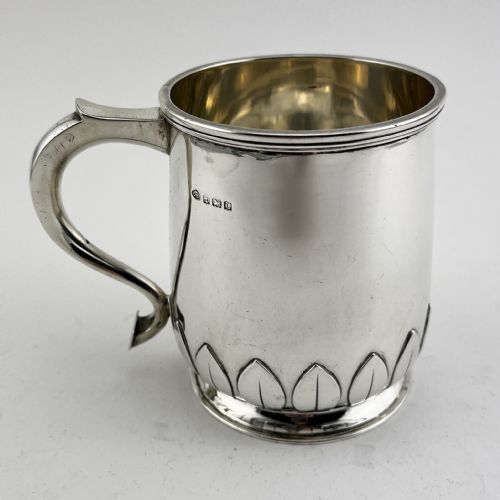
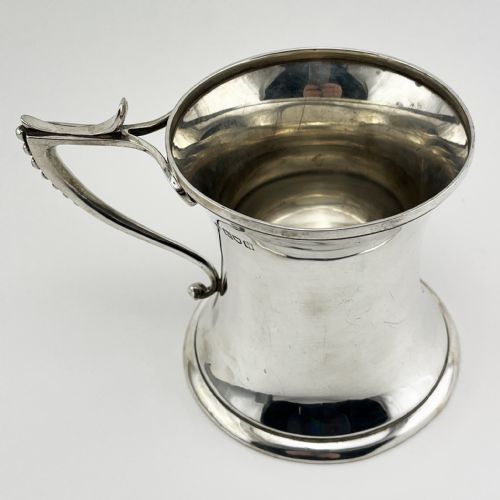
When you search for a sterling silver beer tankard, you encounter solid drinking vessels created for daily use or display across several centuries. These pieces encompass both lidded tankards and open mugs, spanning the 17th century through to the mid-20th century.
The versions most commonly met on this page range from Georgian examples bearing crisp hallmarks to Edwardian and later 20th-century interpretations. Makers fashioned these drinking vessels in distinct regional centres, including London and Newcastle, reflecting shifting domestic tastes in barware and drinkware over generations.
Materials and Construction
Silversmiths formed these vessels predominantly from sterling silver, occasionally applying gold gilt to the interior surfaces of the mugs. The metal was beaten, raised, or cast into substantial bodies designed to contain ale and beer.
Handles were securely soldered to the main body, often featuring scroll designs or sturdy plain profiles to aid lifting. Lidded tankards required precise hinge work and thumbpieces, uniting the cover to the body with technical precision.
Sterling Silver Beer Tankard Retail Price Guide 2026
Typical asking prices for sterling silver beer tankard among the pieces listed under this phrase on Sellingantiques today, from the lower quarter to the upper quarter. They describe what is for sale here now, not the wider market.
Some mugs feature gold gilt interiors, a subtle luxury designed to keep the beer from tasting like metal.
Assessing Quality and Execution
The distinction between standard items and exceptional pieces rests in the gauge of the silver and the crispness of the maker's mark. Thicker metal walls provide a satisfying heft in the hand, while legible hallmarks confirm the date, city, and silversmith with clarity.
Form and proportion separate simpler mugs from masterworks, particularly in the sweep of the scroll handle and the balance of the body. Surface preservation also plays a role, with untouched patinas and minimal past restoration retaining the integrity of the original craftsmanship.
John Payne·William Grundy·Barker Brothers
The Sterling Silver Beer Tankard Glossary
- Hallmark
- Official stamps struck into precious metals to guarantee purity and origin. These marks typically include the maker's mark, town mark, and standard mark.
- Thumbpiece
- A small projection attached to the lid of a tankard. It allowed the drinker to lift the lid with a thumb while holding the handle.
- Gilt
- A thin layer of gold applied to the interior silver surface of a mug. This technique protected the silver from the acidic contents of the drink.
- Scroll handle
- A handle shaped in a curving, flowing line resembling a scroll. This form provided a secure and comfortable grip on heavy drinking vessels.
Sterling Silver Beer Tankard: Frequently Asked Questions
How do I clean a silver tankard?
Cleaning requires a gentle silver cloth and mild soapy water to remove tarnish without scratching the metal surface. Avoid abrasive polishes that can wear away crisp hallmarks and delicate maker's stamps.
Regular, careful maintenance preserves the natural lustre and historical patina built up on the silver over generations of handling.
Can I drink beer from these?
Many collectors use their silver tankards for formal toasts or special occasions, as silver conducts temperature and keeps drinks cool. Solid sterling silver is completely safe for consumption, provided the piece is clean.
Care should be taken with pieces featuring interior gold gilt to avoid harsh scrubbing that might wear the secondary metal layer.
How do I date a silver tankard?
Dating relies heavily on the stamped hallmarks, which record the assay office and a specific date letter corresponding to the year of manufacture. Comparing the maker's mark against historical records pinpoints the exact origin.
Stylistic cues such as the profile of the body and the shape of the handle also offer broad clues to whether a piece belongs to the Georgian, Victorian, or Edwardian era.