
Stem Wind Timepiece
A stem wind timepiece is a portable mechanical watch set and wound via the crown, offering reliable timekeeping from the late Victorian era to the mid-century.
Stem Wind Timepiece
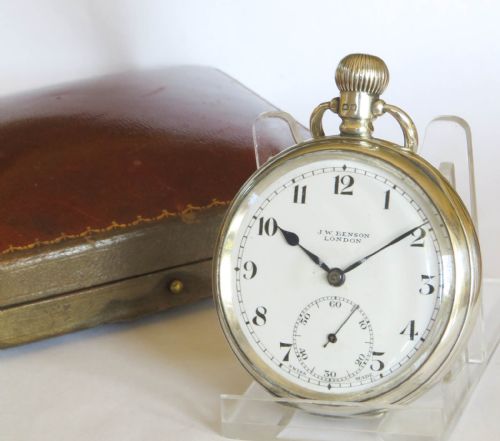
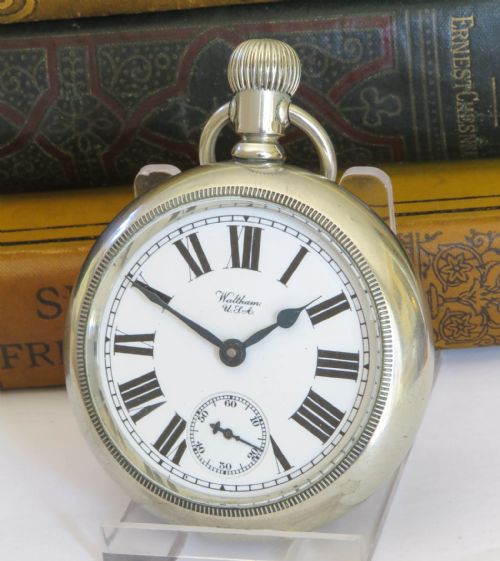
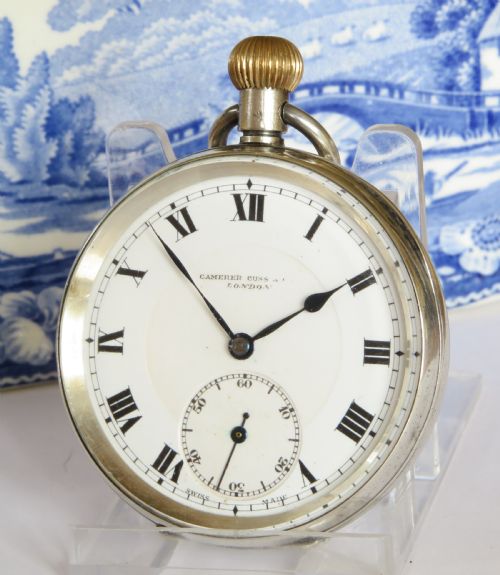
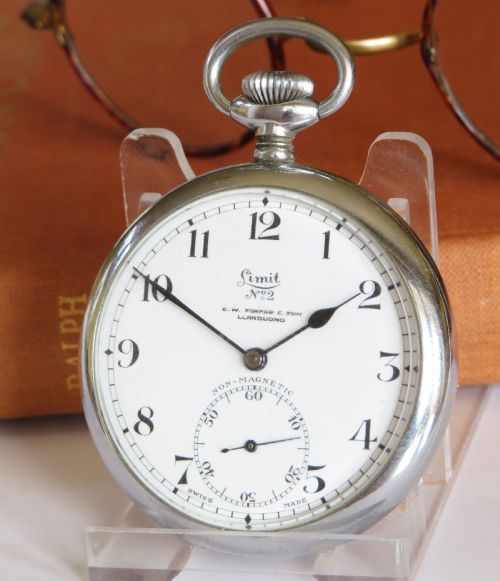
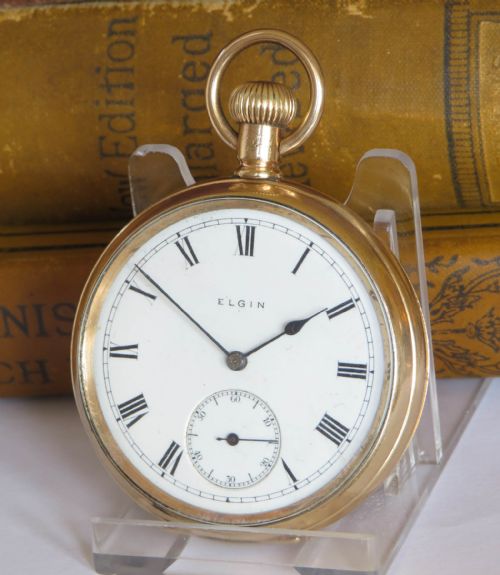
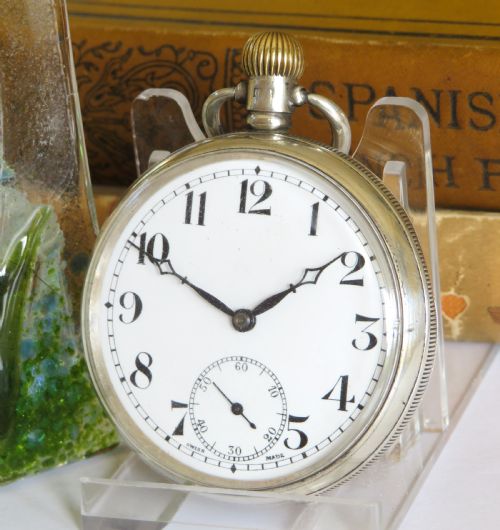
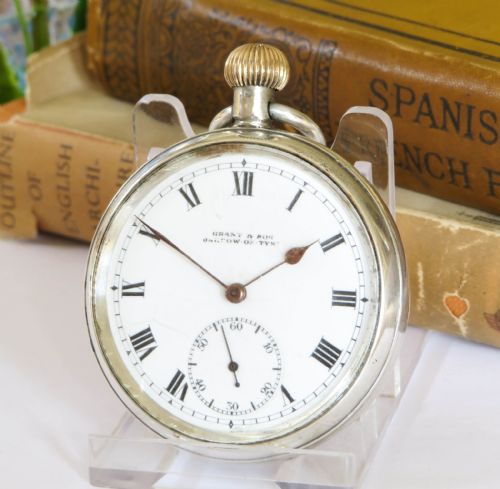
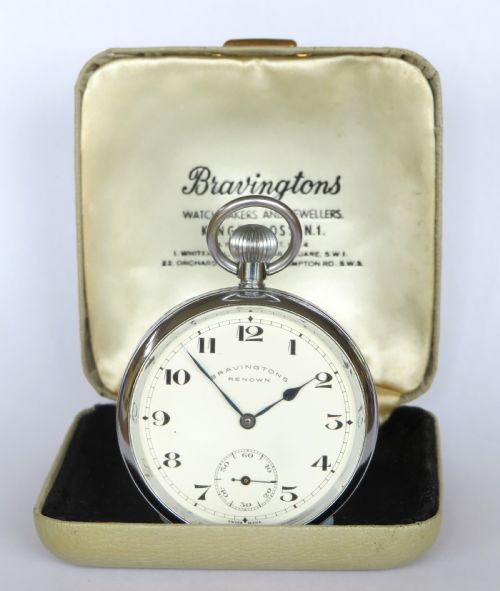
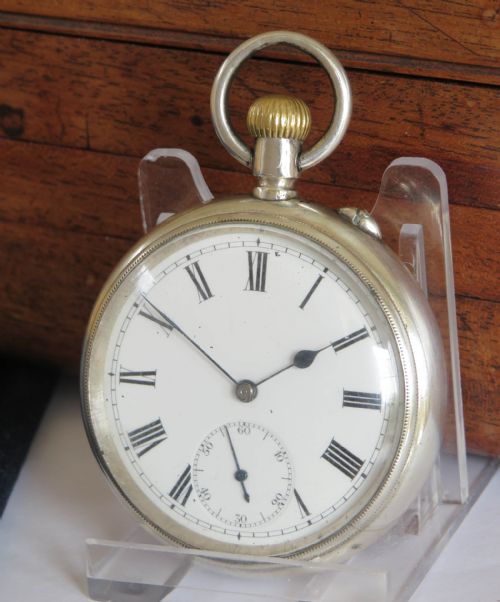
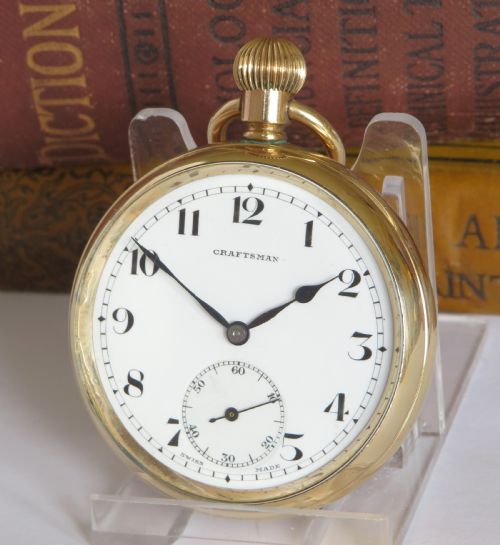
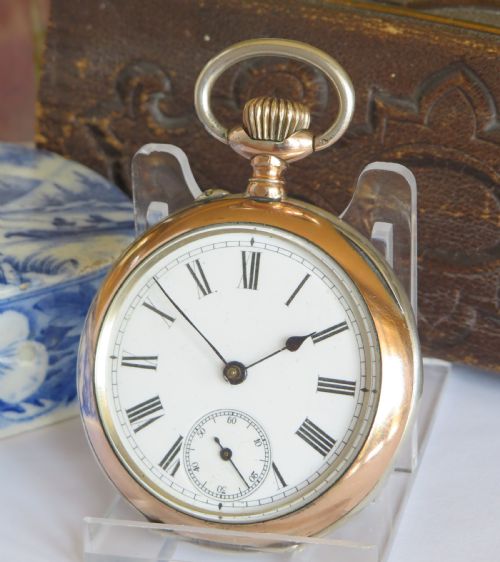
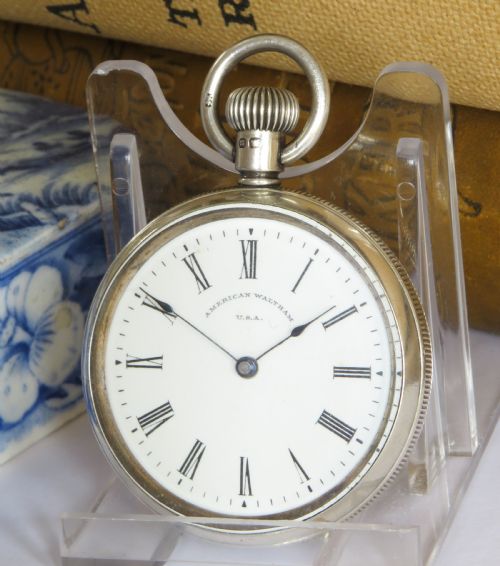
A stem wind timepiece is primarily represented by pocket watches spanning from the late Victorian period through the Edwardian era, the 1920s, and into the 1930s and 1950s. These portable mechanical objects were utilised for daily timekeeping, railway service, and personal utility across Britain and internationally.
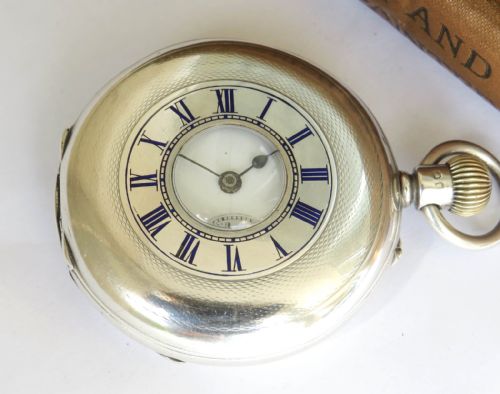
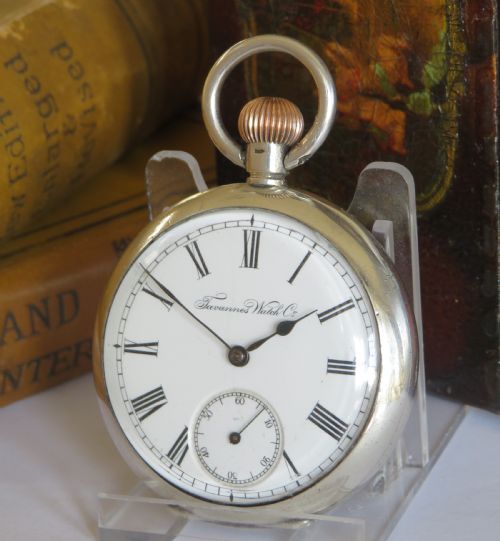
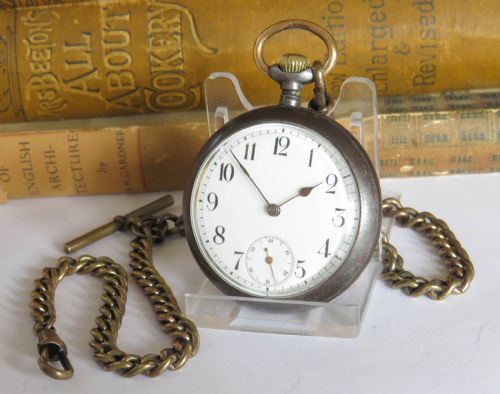
The standard version met on this page is the silver pocket watch, often accompanied by a matching chain or presented as an open faced or half hunter design. Pieces span various decades, showcasing shifts from late nineteenth-century manufacture to Art Deco styling and mid-century production.
Materials and construction
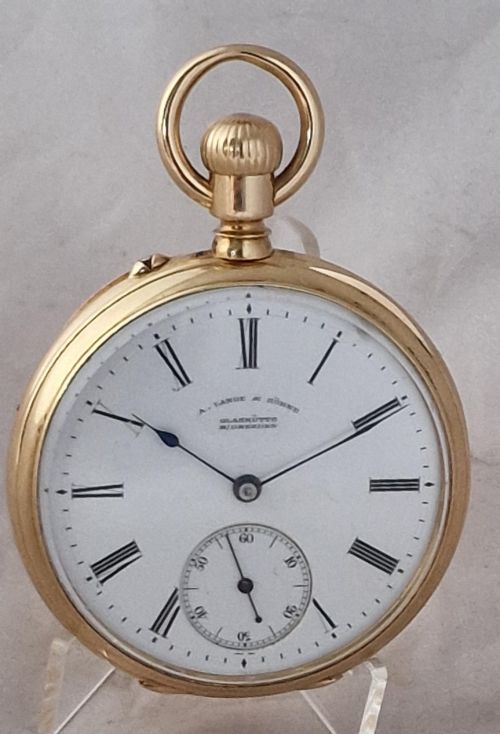
Cases of a stem wind timepiece are fashioned from silver, sterling silver, gold plate, 18k gold, 12ct gold, brass, steel, nickel, and glass. Enamel frequently forms the dial face, providing a durable and legible background for the hands.
Movements rely upon mechanical gearing housed within these metallic cases, paired with glass crystals protecting the dial. Construction involves precision metalwork suited to pocket transport, utilising diverse casing metals alongside traditional enamelling techniques.
Listings feature stem wind timepiece examples spanning the Victorian, Edwardian, Art Deco, and mid-century periods, constructed in silver, gold plate, and nickel.
Judging quality and manufacture
Quality in a stem wind timepiece is evident in the refinement of the movement and the preciousness of the casing materials, such as solid sterling silver or high-carat gold rather than plated alternatives. Finer examples display precise maker engineering and robust construction designed for demanding environments like railway service.
The artistry of the dial, the clarity of the enamel, and the inclusion of original matching chains further distinguish standard production pieces from higher grade horological work.
J W Benson·Camerer Cuss·Limit No 2·Tavannes·Omega·Lange and Sohne·Elgin·Bravingtons Renown·Waltham·Record·Cyma·Zenith·Consul·Doxa·Hamilton·Stayte
The Stem Wind Timepiece Glossary
- Stem wind
- A watch mechanism wound by turning the crown at the top of the case rather than using a separate key. This innovation simplified daily operation for the wearer.
- Half hunter
- A pocket watch featuring a case cover with a glass or open centre circle, allowing the time to be read without opening the lid. This design protected the dial while maintaining quick legibility.
- Open faced
- A pocket watch lacking a protective metal front cover, exposing the glass crystal directly. This format allowed immediate visibility of the time.
- Enamel
- A glassy substance fused to a metal dial substrate through firing, creating a smooth and permanent white or coloured surface. It provided a clear background for painted numerals.
- Railway watch
- A high precision timepiece utilised by transport workers for accurate scheduling. These models required strict legibility and dependable mechanical performance.
Stem Wind Timepiece: Frequently Asked Questions
What is a stem wind timepiece?
A stem wind timepiece is a mechanical pocket watch that is wound using the crown at the top of the case. This system replaced older key wind mechanisms.
These pieces encompass open faced and half hunter designs manufactured from materials including silver, gold, and nickel across multiple decades.
How do I wind these watches?
Winding is performed by turning the crown located at the top of the case, usually at the twelve o'clock position. Care should be taken not to overwind the mainspring.
Most stem wind mechanisms also permit time setting by pulling or pressing the crown according to the specific movement design.
What are half hunter watches?
Half hunter watches feature a metal outer case lid with a glass window in the centre. This allows the wearer to check the hands without opening the front.
Opening the full case reveals the complete enamel dial and provides access for time adjustment when necessary.
How do I date my pocket watch?
Dating relies upon hallmarks on silver or gold cases, serial numbers stamped on the movement, and stylistic indicators such as Art Deco numerals or Victorian casing shapes.
Maker records and railway inscriptions also offer specific clues to the era of manufacture.