
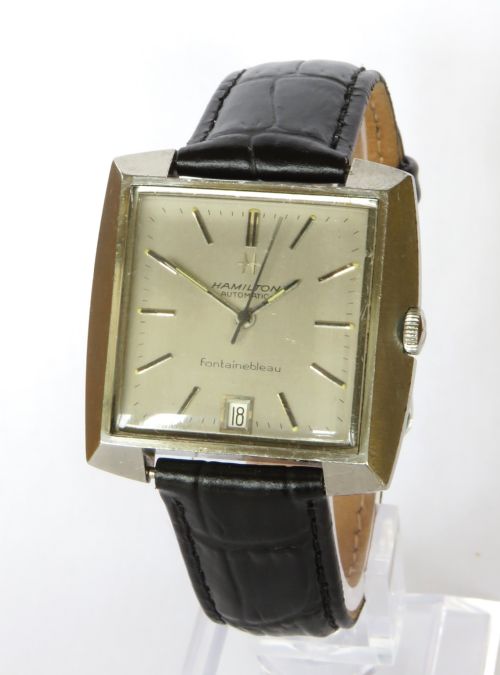
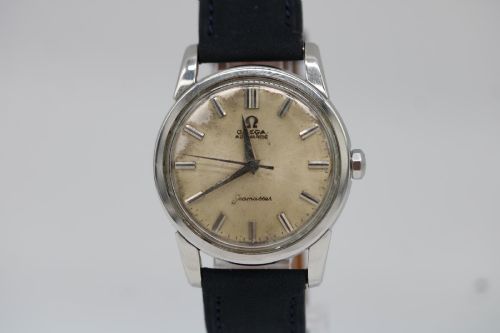
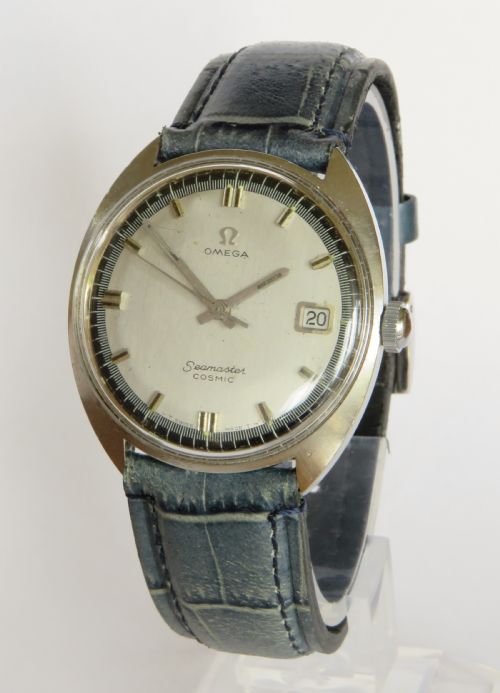
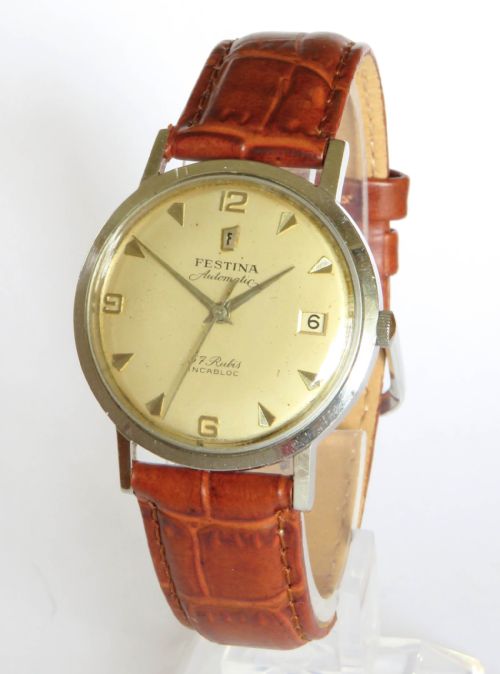
Steel Wristwatch
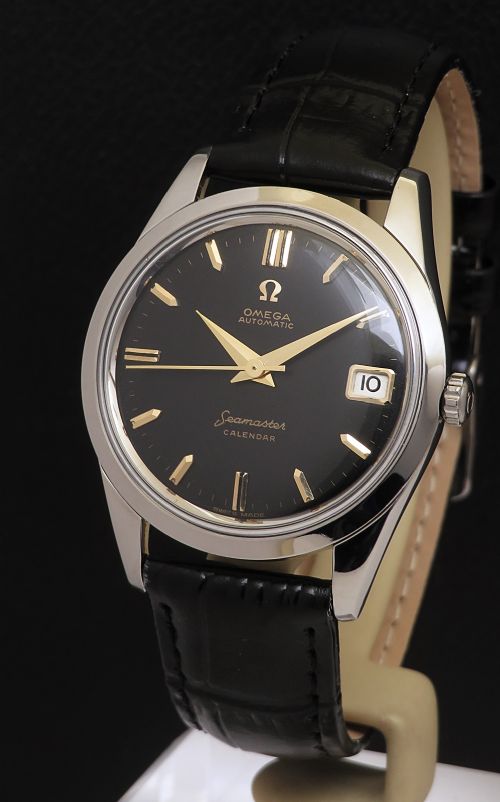
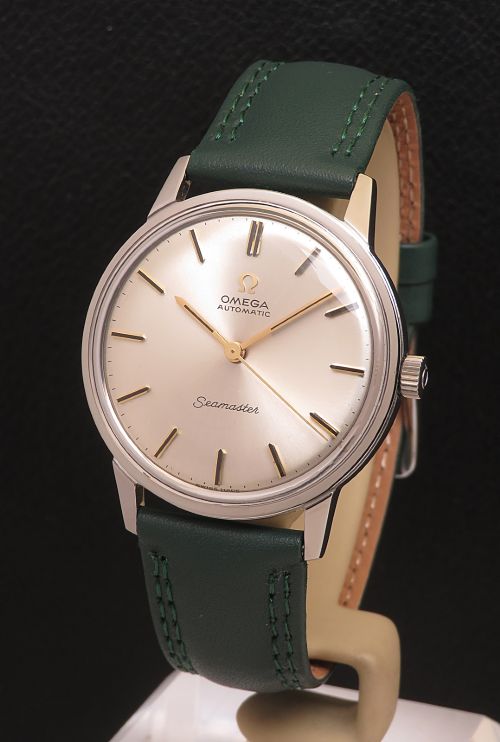
A steel wristwatch brings decades of horological heritage to the wrist, offering durable metal cases paired with dependable mechanical movements from the mid-twentieth century.
Steel Wristwatch
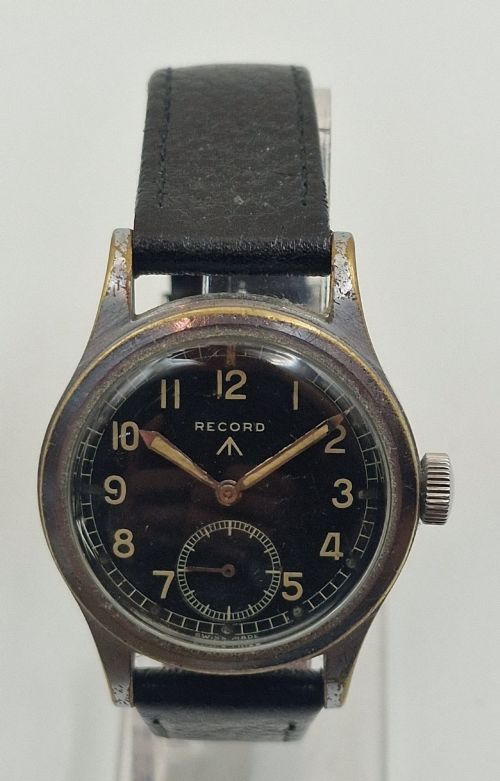
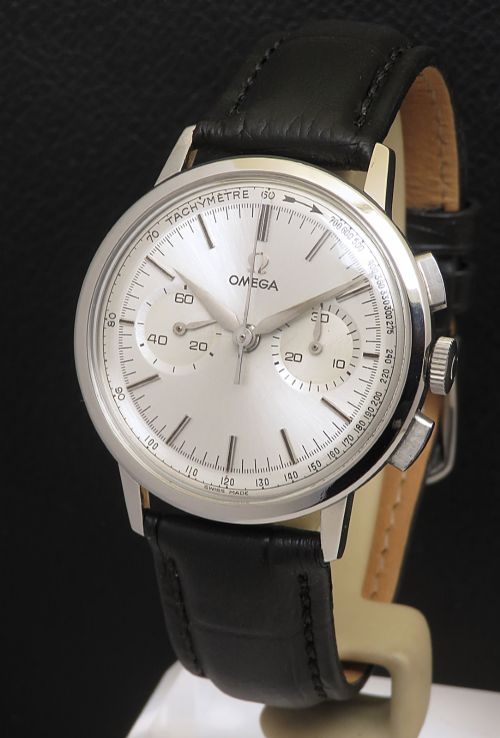
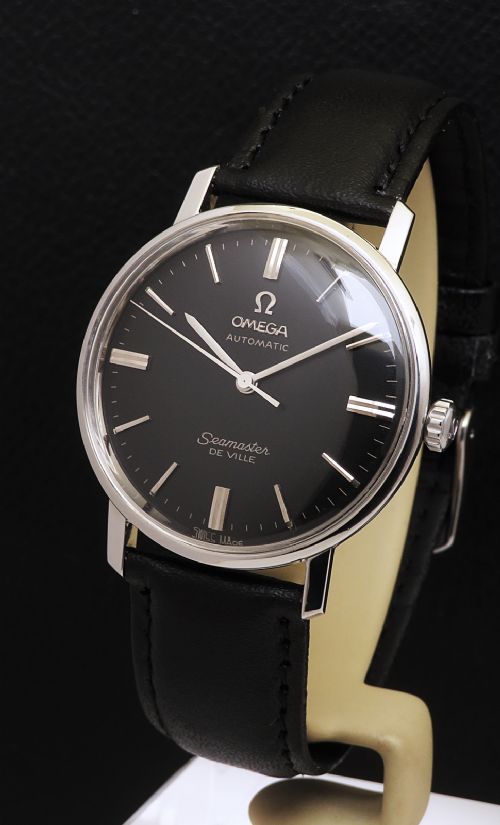
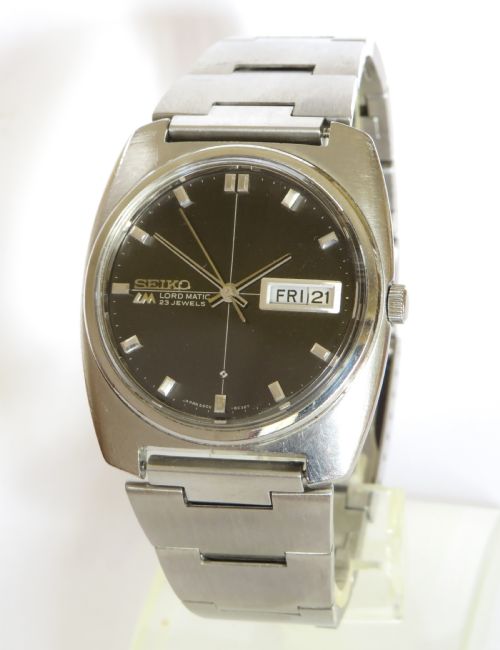
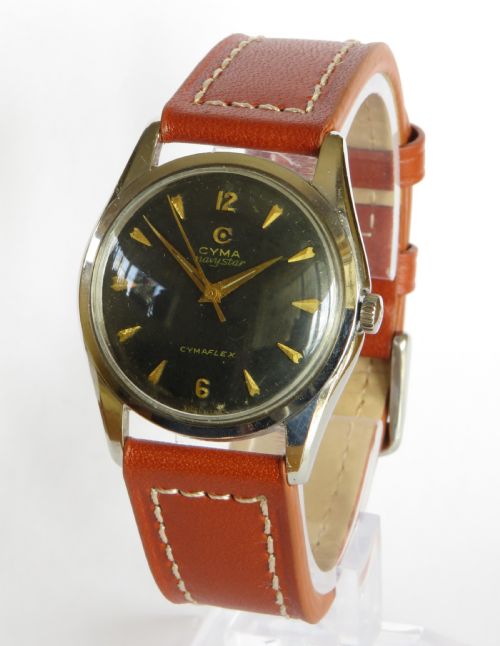
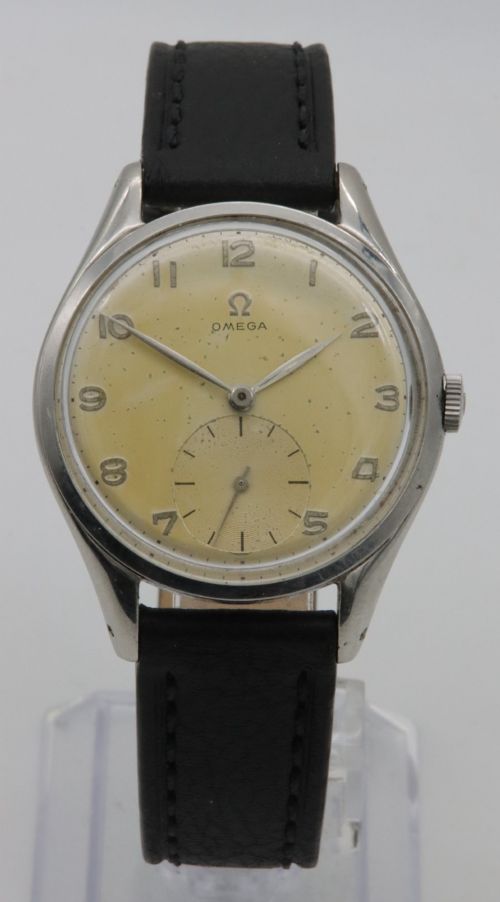
A steel wristwatch represents a practical timepiece designed for daily wear, emerging predominantly from the 1930s through the 1970s. These items encompass rugged military utility pieces alongside sophisticated dress chronographs.
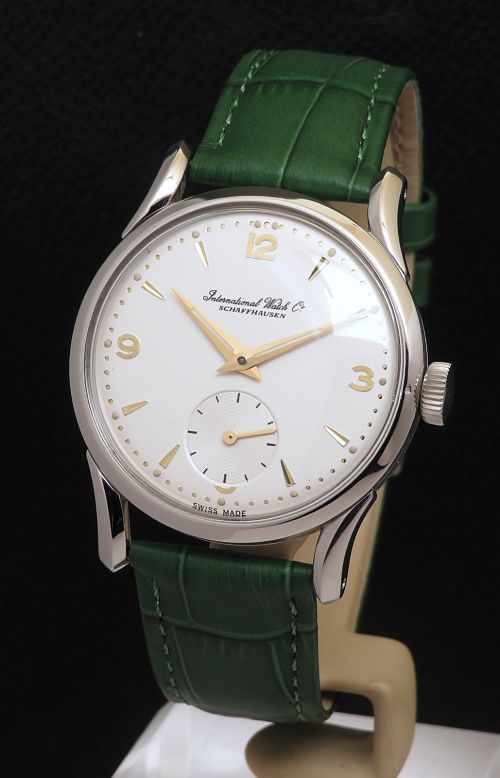
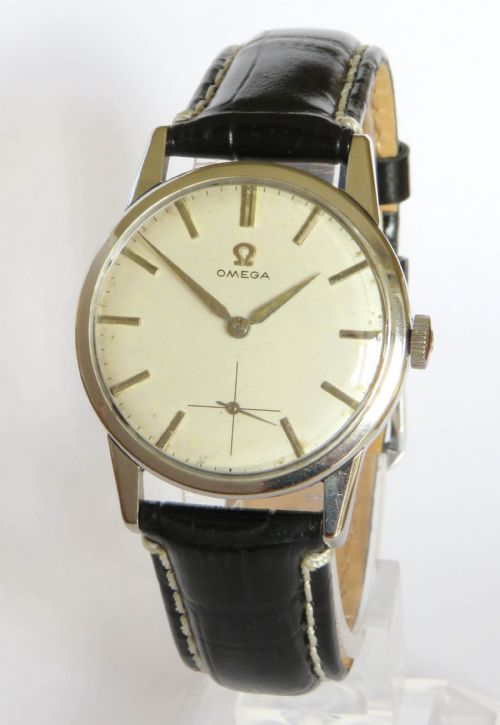
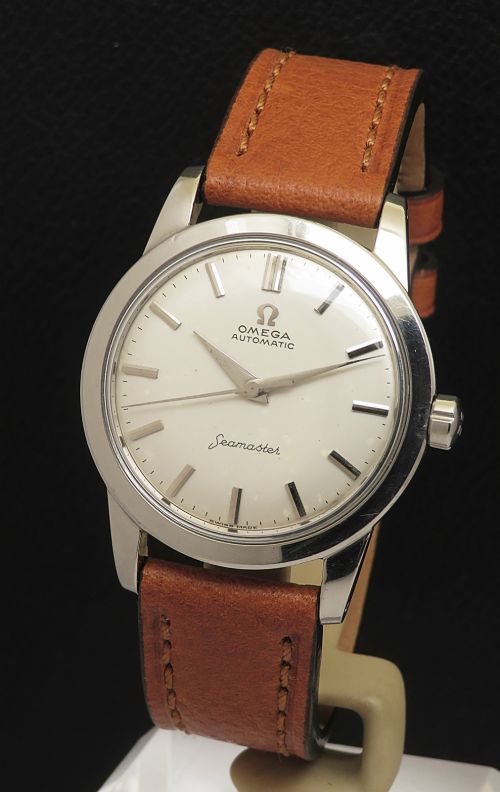
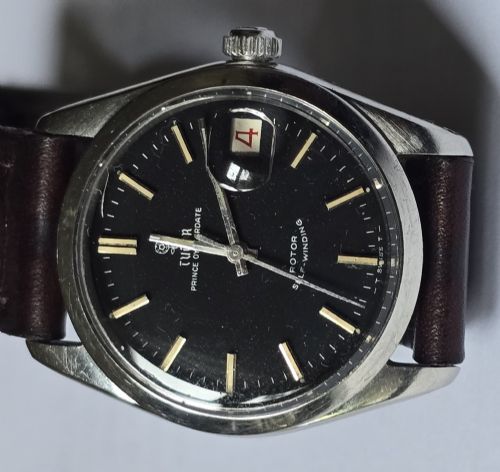
The versions most frequently encountered on this page belong to the 1950s and 1960s, spanning automatic and manual wind configurations. Makers from this era favoured robust stainless steel construction for longevity and everyday utility.
Materials and construction
The construction relies heavily on stainless steel and chrome for case fabrication, paired with glass or acrylic crystals protecting the dial. Straps typically incorporate leather or webbing materials.
Movements within these watches are enclosed by fitted metal case backs, often housing intricate mechanical calibres that require manual winding or automatic rotor mechanisms.
Some vintage military models earned the formidable moniker 'Dirty Dozen' after a specific set of wartime British Ministry specifications.
Assessing quality and preservation
Quality diverges between examples retaining their original factory finishes and dials, and those that have undergone extensive redrawing or replacement of components. Originality in hands, crowns, and movement parts dictates the standing of a piece.
The sophistication of the internal movement, from basic manual wind calibres to complex chronometers and chronographs, separates standard utility watches from high-grade horological examples.
Record·International Watch Company IWC·Omega·Tudor·Montilier·Cyma·Hamilton·Seiko·Festina·Antoremi·Hahn Landeron·Longines·Bulova·Kered·Breitling
The Steel Wristwatch Glossary
- Calibre
- The specific internal mechanism or movement model created by a watchmaker. It denotes the design and layout of the gears and escapement.
- Chronograph
- A watch equipped with a stopwatch function alongside traditional timekeeping hands. It utilises independent sub-dials to measure elapsed seconds and minutes.
- Automatic
- A self-winding mechanical movement that uses a weighted rotor driven by the wearer's wrist motion to tension the mainspring.
- Manual wind
- A mechanical movement requiring the wearer to turn the crown by hand to tension the mainspring. This traditional system lacks a winding rotor.
- Acrylic
- A lightweight transparent plastic material used for watch crystals before the widespread adoption of synthetic sapphire. It offers a characteristic warm distortion at sharp angles.
Steel Wristwatch: Frequently Asked Questions
How do I wind a manual watch?
Rotate the crown clockwise between your thumb and forefinger until you feel gentle resistance. Stop immediately to avoid over-tensioning the internal spring.
Perform this action at a consistent time each day to maintain steady operation.
Are vintage watches waterproof?
Vintage timepieces generally lack modern waterproof seals, even if marked as water-resistant or dive-oriented originally. Gaskets degrade over decades and fail to block moisture.
Keep these watches away from swimming, showers, and heavy rain to protect the movement.
How do I clean a leather strap?
Wipe the surface gently with a slightly damp cloth using mild soap if necessary, avoiding complete immersion in water. Allow the material to dry naturally away from direct heat.
Treat occasionally with suitable leather conditioner to maintain flexibility.