




Steel Hearth Stand
A steel hearth stand serves the fireplace with utilitarian strength, offering durable support for hearth accessories across Georgian and Victorian interiors.
Steel Hearth Stand
A steel hearth stand brings practical utility to the fireplace, grouping fireside accessories, footmen, trivets, and fire dogs together by the hearth. These pieces serve daily domestic tasks around coal or wood fires.
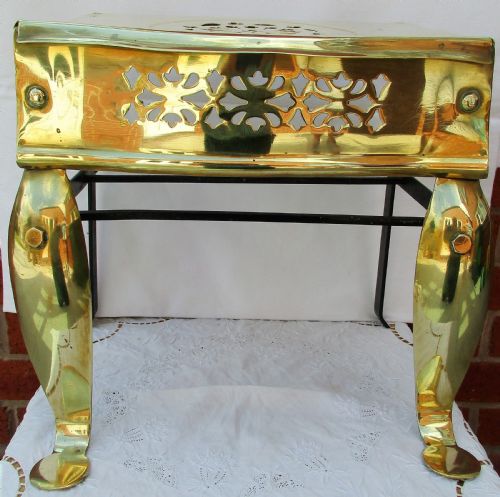
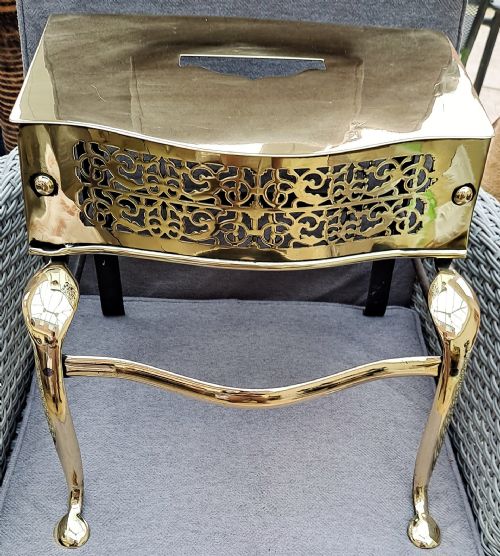
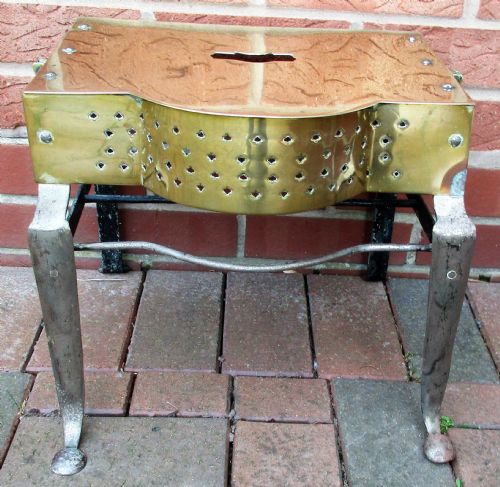
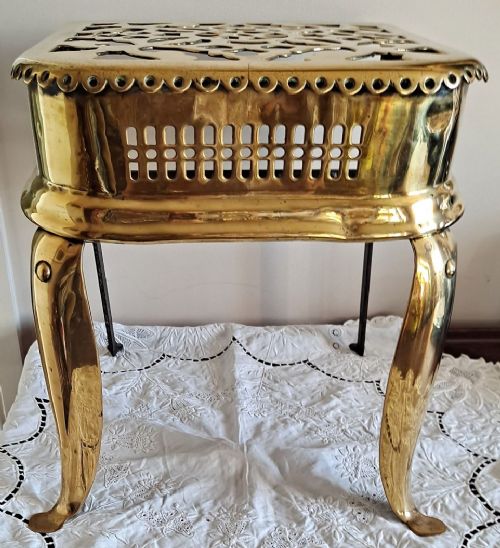
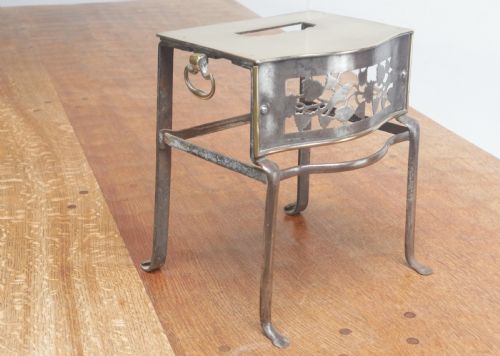
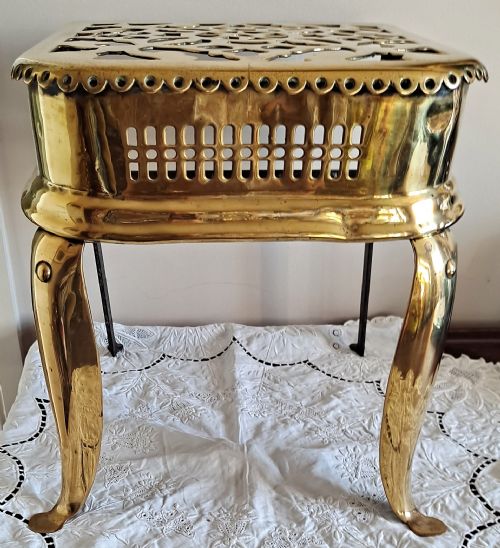
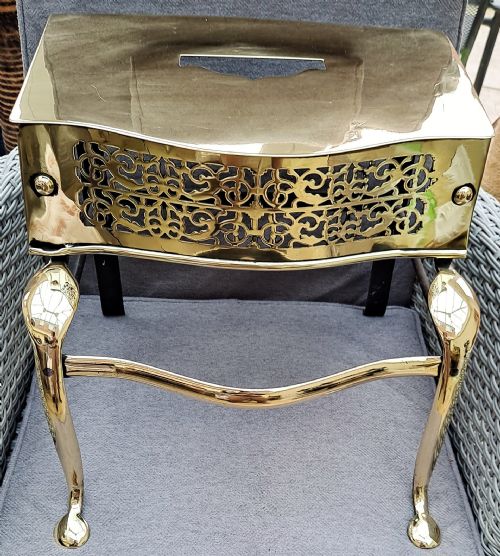
The version most commonly met on this page is the footman or trivet, often paired with brass elements and spanning the Georgian and Victorian eras. These items reflect the functional needs of nineteenth-century households.
Pieces from this category draw upon forms seen in 18th-century, 19th-century, 1850, 1890, and 1900 periods, showing straightforward craftsmanship designed for heavy use near the fire.
How they were made
Makers utilised steel alongside wrought iron and brass, combining durable metals to withstand intense heat and daily wear by the fire. This mixed-metal approach provided both structural strength and decorative contrast.
Forging and assembly methods relied on traditional blacksmithing techniques, shaping steel and iron bars into sturdy frames and stands. Riveting and joining secured the brass plates and feet to the main steel bodies.
Materials recorded across these pieces include steel, brass, iron, and wrought iron.
What varies in quality
Substantial weight and gauge of the metal separate heavier utilitarian pieces from lighter items, reflecting the original intended durability in busy domestic settings. Heavier companions and footmen demonstrate more robust construction.
The refinement of brass and steel combinations distinguishes standard items from those with more careful assembly and balanced proportions. Surface finish and structural integrity dictate the overall presence of each piece.
The Steel Hearth Stand Glossary
- Footman
- A metal stand placed by the hearth to keep kettles or food warm before the fire. These stands typically feature a flat top and four legs.
- Trivet
- A small three-legged or four-legged stand used to support cooking vessels near the embers. They are essential accessories in traditional hearth layouts.
- Fire dogs
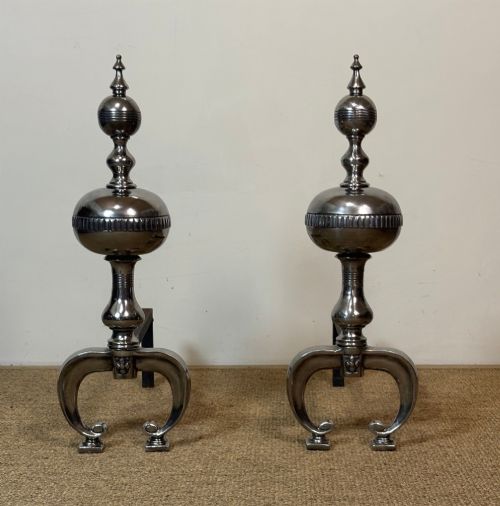
- Heavy vertical metal supports placed inside a fireplace to hold logs above the hearth floor. They often appear in matched pairs alongside other fireside metalwork.
- Companion set
- A matched group of fireplace tools, such as pokers and tongs, kept together on a stand. These sets emerged strongly during the Victorian period.
Steel Hearth Stand: Frequently Asked Questions
What is a steel hearth stand?
A steel hearth stand is a functional piece of fireside equipment designed to support cooking vessels, kettles, or companion tools near the fire. These items originate from the Georgian and Victorian periods.
They combine steel, iron, and brass to handle the heavy demands of daily use in historic homes. Their forms range from small trivets to sturdy companion sets and fire dogs.
How were hearth stands used?
These stands held items close to the hearth for warmth or cooking, keeping kettles and small pots elevated above the ash. Footmen and trivets were positioned directly in front of the grate.
Companion stands organised necessary fire-tending tools in a convenient location. This kept the hearth area tidy and efficient for domestic staff.
How do I date a hearth stand?
Dating relies on stylistic clues and construction methods associated with Georgian and Victorian design eras. Georgian pieces often show simpler, more restrained lines, while Victorian items can be heavier and more ornate.
Materials like wrought iron and polished steel appear across the nineteenth century. Comparing form and metalwork details helps narrow down the production period.
Are brass and steel mixed?
Many pieces combine steel bodies with bright brass plates and handles. This dual-metal construction provided structural strength from the iron and steel alongside decorative warmth from the brass.
Such combinations are particularly common on footmen and companion sets from the nineteenth century. The contrast between the dark iron and polished brass was a favoured aesthetic.