
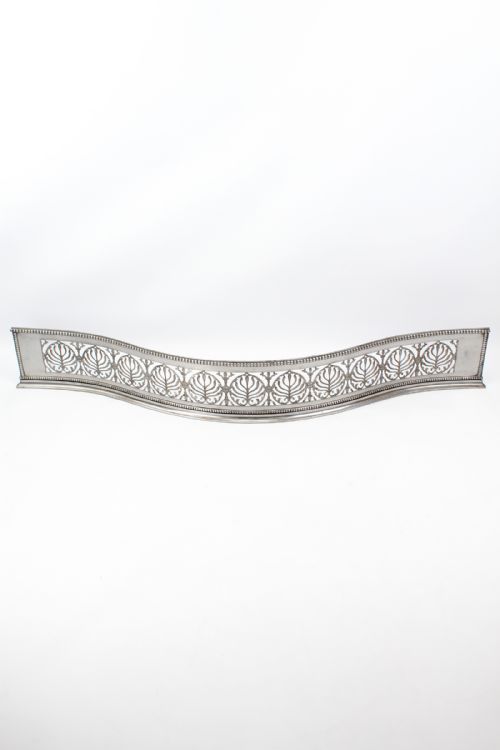


Steel Fireplace Curb
A steel fireplace curb protects the hearth while framing the fire with the clean lines and metallic gleam of Georgian, Victorian, and Edwardian design.
Steel Fireplace Curb
A steel fireplace curb provides a low barrier around the hearth, keeping embers contained while anchoring the fireplace within the room. Buyers browsing these listings will encounter various forms, including fireplace fenders and hearth fenders designed to sit directly on the floor before the grate.
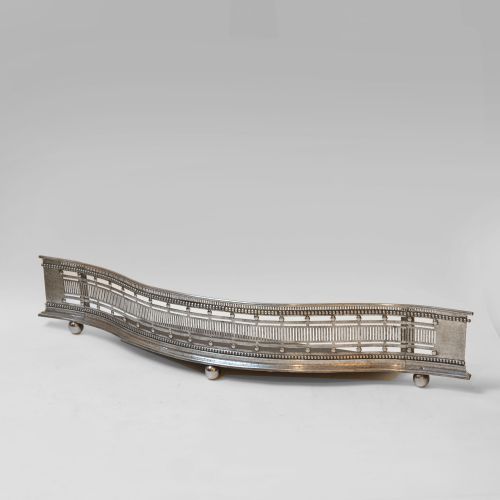
The pieces available span multiple eras, with Georgian examples showing graceful serpentine fronts and bowfront profiles alongside nineteenth-century and Edwardian variations. Many designs incorporate contrasting metals like brass, copper, and bronze alongside the primary steel structure.
Makers utilised specific shapes such as bowfront and serpentine outlines to soften the heavy metal form. These curbs function as both practical hearth accessories and decorative architectural elements for period interiors.
Materials and construction methods
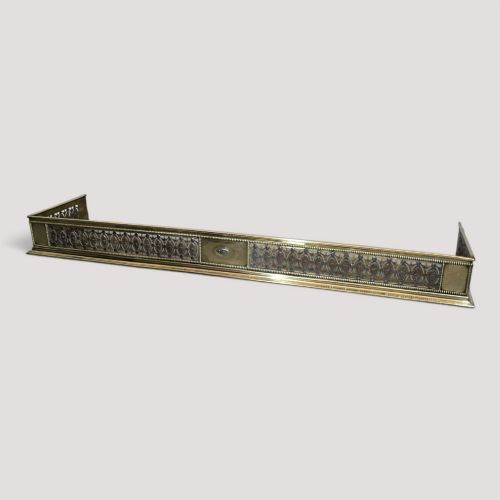
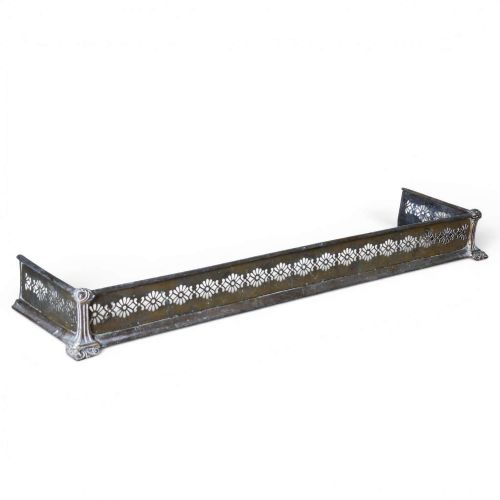
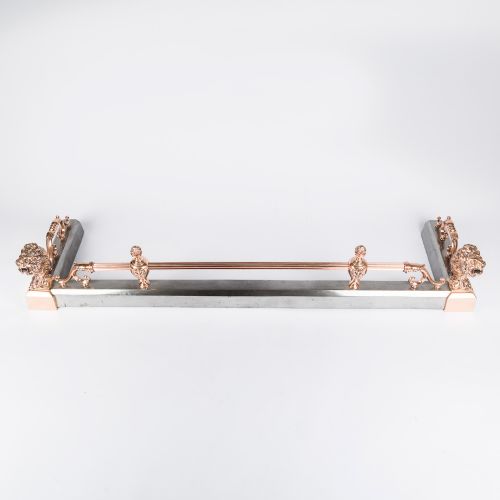
Makers constructed these curbs primarily from steel, iron, and polished steel, often combining them with brass, copper, and gilt bronze for decorative contrast. Pierced metalwork, engraving, and applied details such as lions or flower and dragon motifs appear across the pieces.
Construction techniques range from simple folded iron and steel sheets to elaborate cut steel assemblies and pierced decorative fronts. Artisans finished surfaces through polishing or left them with patinated textures suited to period hearths.
Keep watch for curious cast lions guarding the hearth corners alongside more traditional floral motifs.
Distinctions in quality and execution
The refinement of the metalwork largely separates standard curbs from exceptional examples. Finely pierced steel patterns, crisp serpentine or bowfront shapes, and detailed brass or bronze mounts indicate superior craftsmanship.
The integration of mixed metals, such as brass galleries combined with polished steel bases, requires precise joining techniques. Pieces featuring intricate engravings or specific decorative motifs demonstrate a higher level of artisan skill than plain utilitarian guards.
The Steel Fireplace Curb Glossary
- Serpentine front
- A furniture and fender shape characterised by a curving outline with a convex centre flanked by concave ends. This contour requires skilled metal shaping to achieve a balanced aesthetic.
- Cut steel
- Small steel studs faceted and riveted to a backing plate to catch the firelight. This technique gained popularity for its brilliant reflective qualities.
- Pierced metal
- Sheet metal perforated with decorative patterns to allow light through and reduce weight. Artisans utilised this method to create intricate geometric or floral designs.
- Bowfront
- A convex curved profile facing outward into the room. This shape softens the corners of the hearth setting.
- Fender
- A low frame placed around a fireplace to contain ash and embers. These objects serve a dual purpose of safety and decoration.
Steel Fireplace Curb: Frequently Asked Questions
How do I measure for a steel fireplace curb?
Measure the width and depth of your hearth space directly on the floor where the curb will rest. Account for any protruding hearth stones or surround mouldings to ensure the piece fits securely.
Compare these measurements against the listed dimensions of the curb, noting whether the stated size includes corner overhangs or decorative feet.
How do I clean a polished steel curb?
Dust the surface regularly with a soft, dry cloth to prevent soot accumulation. Avoid harsh chemical cleaners that can strip historic patination from the metal.
For polished steel sections, use a specialised non-abrasive metal polish applied sparingly with a soft cloth. Buff gently to maintain the reflective finish without scratching the material.
What is the difference between iron and steel?
Iron is a pure elemental metal that tends to be heavier and more prone to surface oxidation if left unprotected. Steel is an alloy of iron and carbon, offering greater tensile strength and a brighter finish when polished.
Many period hearth accessories combine both materials, utilising iron for structural rigidity and steel or brass for decorative visible surfaces.
Can these curbs be used with modern fires?
These curbs function effectively around gas, electric, or traditional solid fuel hearths provided the dimensions align with your setup. Ensure the internal clearance accommodates your fire basket or hearth rug comfortably.
Verify that the placement maintains adequate distance from direct heat sources to protect any applied brass, copper, or bronze details.