
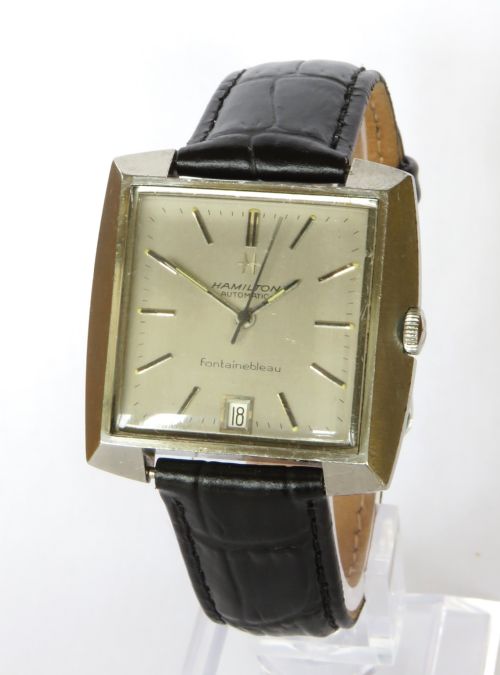
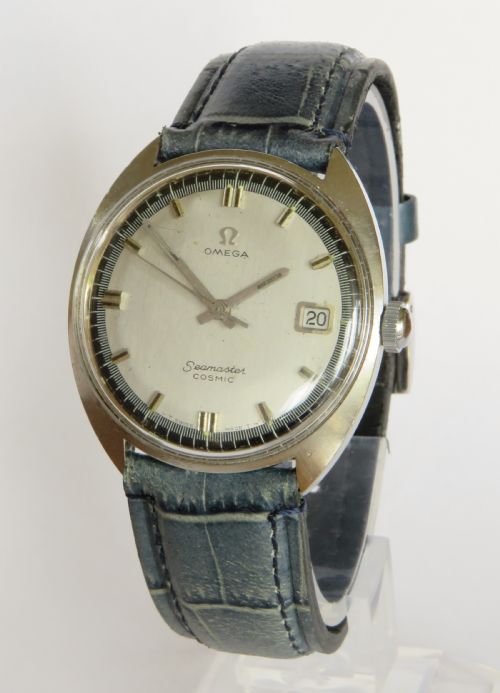
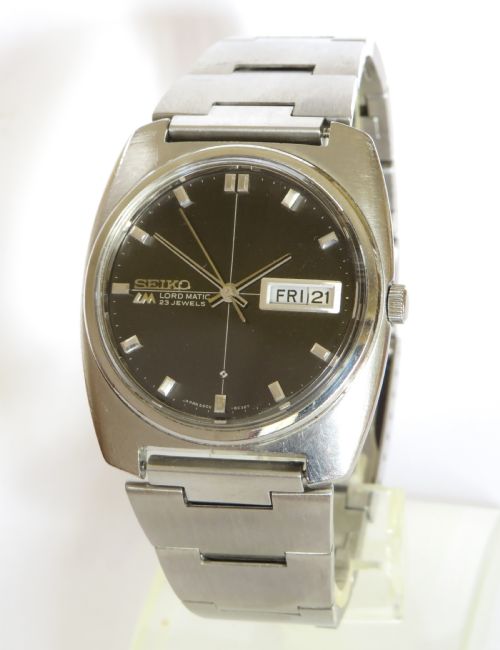
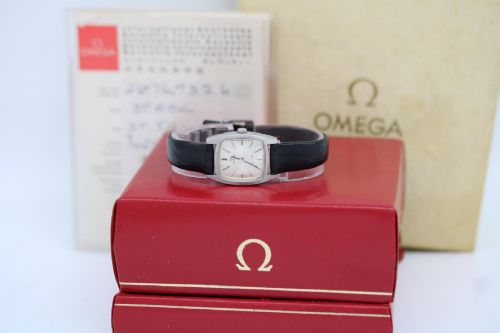


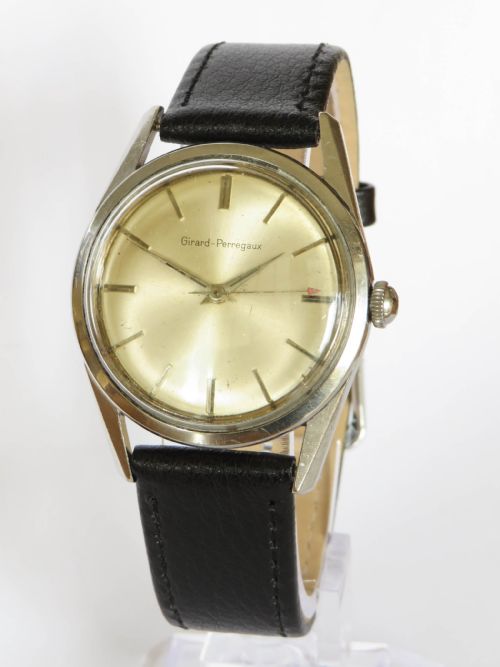


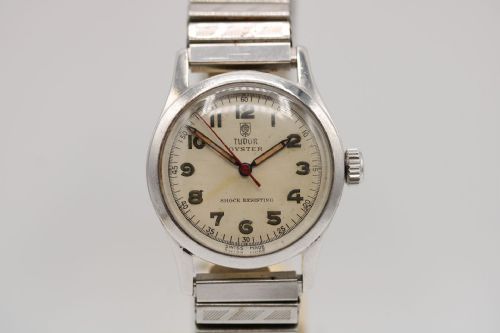

Steel Case Wristwatch
These steel case wristwatch examples span from the Art Deco era through the mid-century decades, offering robust everyday wear and enduring horological design.
Steel Case Wristwatch
A steel case wristwatch provides durable housing for mechanical or automatic movements, maintaining structural integrity across decades of daily use. When seeking a steel case wristwatch on this page, buyers frequently encounter mid-century models from the 1950s and 1960s alongside earlier Art Deco pieces.
The selection ranges from robust daily dress watches to specialised aviation instruments and calendar complications. Most entries originate from the mid-century period, reflecting the post-war shift toward resilient stainless steel housings over precious metals.
Materials and construction
Makers utilised durable stainless steel for the primary case construction, paired with leather straps and protective glass or acrylic crystal covers over the dial. Certain models incorporate gold plate elements or chrome detailing to accent the primary steel chassis.
Internal movements rely on precision mechanical engineering, featuring jewelled levers and shock-resistant systems such as Diashock or Super Shock Resist. Dials are finished with applied markers, numerals, and occasionally specialist complications like 24-hour displays or calendar apertures.
Some dials feature twenty-four hour markings, reminding us that early aviation watches viewed time in a continuous daily loop.
Factors of distinction
Quality differences stem from the complexity of the internal movement, the reputation of the maker, and the original grade of the case finishing. Pieces featuring signed movements, original dials, and specialist case designs command greater attention from collectors.
The precision of the case geometry and the preservation of original factory brushing or polishing define the upper tier of survivals. Simpler mass-produced variants contrast with highly engineered chronographs and chronometer-grade calibres.
Hamilton Fontainebleau·Omega Seamaster·Seiko Lord Matic·Girard Perregaux·Breitling Navitimer
The Steel Case Wristwatch Glossary
- Stainless steel
- An alloy resistant to corrosion and tarnishing, utilised for watch cases to ensure long-term durability and structural strength. This material became standard for robust wristwatches from the mid-twentieth century onward.
- Acrylic glass
- A lightweight, shatter-resistant polymer utilised for watch crystals before the widespread adoption of synthetic sapphire. It can be polished to remove surface scuffs accumulated over years of wear.
- Manual wind
- A mechanical movement requiring the user to manually turn the crown to tension the mainspring. This system eliminates the need for a oscillating rotor, allowing for a slimmer case profile.
- Calendar complication
- A watch mechanism that displays the date, day, or month alongside the standard timekeeping hands. These functions require additional gear trains integrated into the primary movement.
Steel Case Wristwatch: Frequently Asked Questions
How do I wind a manual steel case wristwatch?
Turn the crown gently between your thumb and forefinger in a clockwise direction until you feel firm resistance. Stop immediately to avoid over-tensioning the mainspring.
Wind the piece at approximately the same time each day to maintain consistent tension and accurate timekeeping performance.
Are these vintage watches waterproof?
Historic waterproof ratings cannot be relied upon today due to the degradation of original seals and gaskets over decades. Exposure to moisture or immersion should be strictly avoided.
Even models designated as waterproof or dive-oriented require modern gasket replacements by a specialist before encountering water.
What is an automatic movement?
An automatic movement contains an internal weighted rotor that pivots with the natural motion of the wearer's wrist. This kinetic action winds the mainspring automatically throughout the day.
Such calibres provide the convenience of self-winding while retaining the traditional mechanical complexity of hand-wound pieces.
How should I store my vintage watch?
Store the timepiece in a dry environment away from direct sunlight, magnetic fields, and extreme temperature fluctuations. A dedicated watch box or padded case prevents accidental impacts.
If the piece is not worn regularly, allow the movement to run down completely or periodically wind it to circulate the internal oils.