




Steamed Beech Chairs
Steamed beech chairs are versatile, resilient seating formed through heat and pressure, prized for their elegant curves and enduring structural strength.
Steamed Beech Chairs
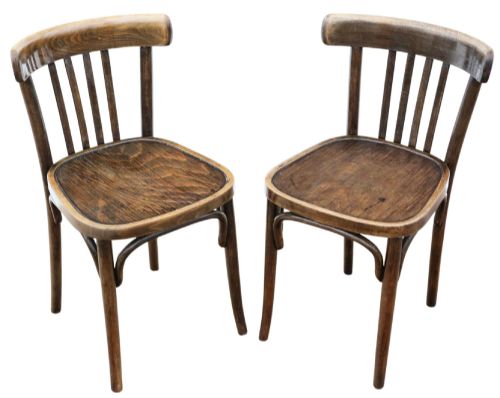
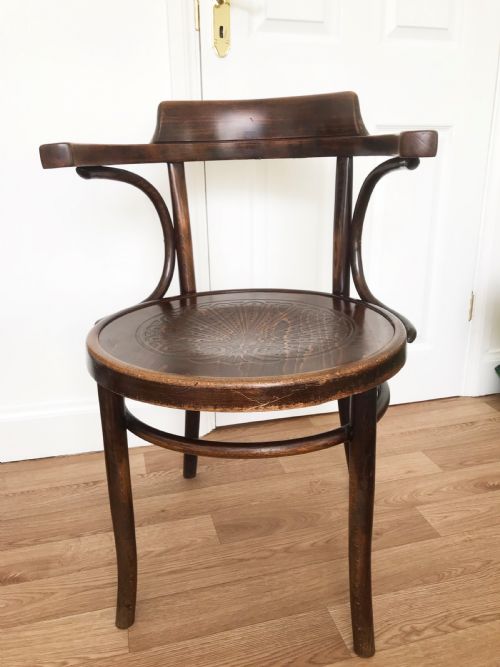
Steamed beech chairs encompass a variety of seating forms produced from the 19th Century through to the mid-20th Century, including dining chairs, armchairs, rocking chairs, and carvers. These pieces demonstrate the remarkable potential of steam-bending timber to create organic lines without traditional joinery.
The selection most frequently met on this page includes classic bentwood bistro dining chairs and armchairs originating from major European makers around 1900 and the 1920s. Buyers will also encounter specialised seating such as grotto style carvers, desk chairs, and large sets originating from notable commercial venues like the Cafe Royal in London.
Originating largely from periods such as the late Victorian era, Vienna Secession, Art Nouveau, and Mid-Century Bentwood, these forms offer significant historical utility. Their enduring popularity stems from a combination of lightweight construction, robustness, and a distinctive aesthetic that bridges domestic and commercial interior design.
How they were made
The primary material utilised across these pieces is solid beech or beechwood, subjected to steam treatment to render the grain pliable for shaping into smooth, continuous curves. Manufacturers supplemented the turned and bent wooden frames with supporting elements of cane, plywood, leather, and stained wood to form seats and backs.
Makers harnessed specialised metal moulds and pressure techniques to hold the steamed timber in position while it dried and set into permanent forms. This method allowed craftsmen to construct rigid, load-bearing frames using far fewer individual components than traditional carpentry required.
Steamed Beech Chairs Retail Price Guide 2026
Typical asking prices for steamed beech chairs among the pieces listed under this phrase on Sellingantiques today, from the lower quarter to the upper quarter. They describe what is for sale here now, not the wider market.
Listings feature beech and bentwood materials shaped into dining chairs, armchairs, and rocking chairs across periods from the 19th Century to the 1960s.
What varies in quality
Distinctions in quality often rest on the precision of the steam-bending process and the uniformity of the beech timber selected for the frame. Superior examples display smooth, unbroken curves without stress fractures, paired with tightly fitted joints that maintain structural integrity over decades of use.
The provenance and attribution of a piece substantially elevate its standing, particularly items bearing factory stamps or clear associations with premier workshops and historical interiors like the Cafe Royal. Finer execution is also evident in the retention of original woven cane seating, embossed plywood seat panels, and high-grade leather upholstery.
Jacob and Josef Kohn·Thonet·Watkins and Doncaster
The Steamed Beech Chairs Glossary
- Steam-bending
- A woodworking technique where timber is exposed to steam in a closed box until it becomes flexible enough to be bent around a form. This process allows makers to create flowing, curved structural members without weakening the wood.
- Bentwood
- Furniture manufactured by heating wood via steaming or boiling and bending it into curved shapes. The method revolutionised mass production in the 19th Century.
- Carver
- An armchair, typically designed with arms to sit at the head of a dining table. These pieces often match a larger set of simpler side chairs.
- Cane
- Woven material made from the peeled bark of rattan palm, frequently used for lightweight and breathable chair seats and backs. It provides flexible support within a rigid wooden frame.
- Secession
- An artistic movement, notably the Vienna Secession, characterised by a departure from historicism towards cleaner geometric and organic forms. Pieces from this style integrate functional utility with modern decorative design.
Steamed Beech Chairs: Frequently Asked Questions
Can I use these chairs daily?
These chairs were originally engineered for heavy commercial and domestic use, making them remarkably robust for everyday seating. Their resilient bentwood frames handle regular daily weight without compromising structural stability.
Inspect the joints and any cane panels periodically to ensure they remain secure. Placing felt pads on the feet helps protect both the chair legs and modern flooring.
How do I date a bentwood chair?
Examine the underside of the seat for maker stamps, paper labels, or burnt-in brand signatures from the manufacturer. Fastener types, such as early screws or nuts, also offer clues to the manufacturing decade.
Stylistic indicators like Vienna Secession motifs or late Victorian turnings help narrow the production era. Comparing the construction details to documented factory catalogues confirms the approximate period.
Are these chairs comfortable for dining?
The ergonomic curves of the steam-bent backs provide natural lumbar support during extended sitting. Many models feature shaped wooden seats or upholstered cushions designed for dining room comfort.
Pairing armchairs at the table ends with simpler side chairs along the sides creates a balanced seating arrangement. Add loose cushions if additional padding is desired for long meals.