
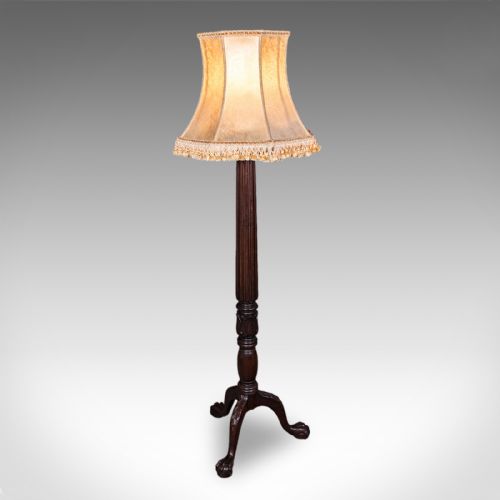
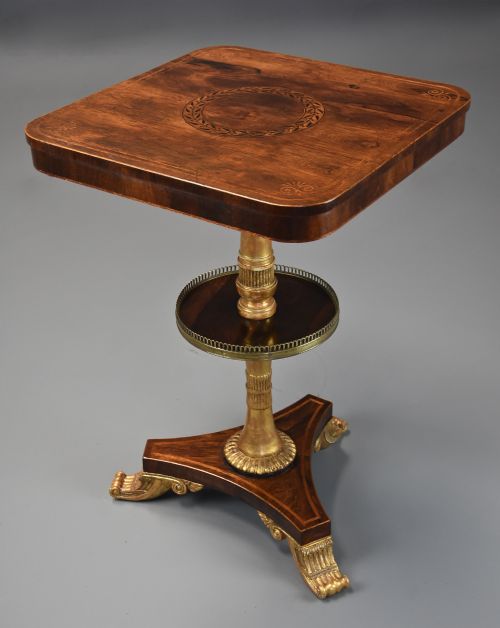
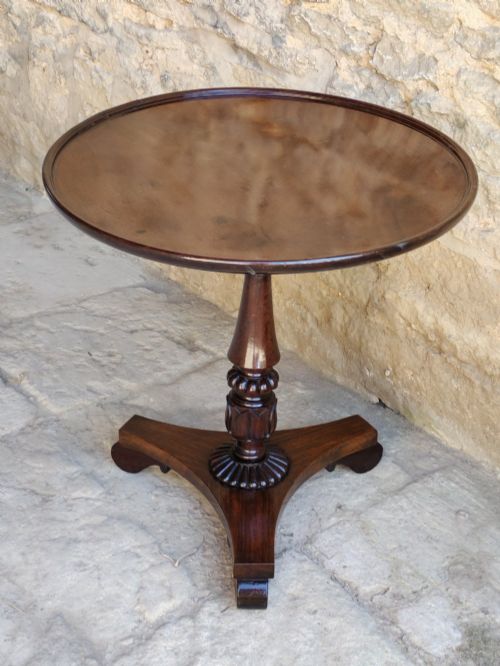


Standing Wood Lamp Base
A standing wood lamp base brings vertical height and warm illumination to a corner, combining practical lighting with sculptural presence.
Standing Wood Lamp Base
When you search for a standing wood lamp base, you find tall floor lights, standard lamps, and carved lamp standards designed to hold electrical fittings or oil conversions. These pieces originate from the nineteenth century, the Edwardian era, and the art deco period, offering substantial timber presence in domestic interiors.
You meet various interpretations on this page, ranging from dainty cottage styles to grand regency revivals and skyscraper oak designs. Many incorporate turned columns, tripod legs, or tiered sections that elevate the light source above standard table height.
How they were made
Cabinet makers utilised dense hardwoods such as mahogany, rosewood, oak, and burr elm, shaping them through turning, carving, and joinery. Selected pieces feature giltwood, gesso, or painted finishes applied over the timber core to add decorative contrast.
Structural stability required weighted internal construction or wide tripod bases to support the vertical shaft. Craftsmen combined turned wooden shafts with brass fittings and occasional marble tops to create balanced, functional standards.
A towering wooden dragon watches over the room from a carved torchiere, guarding the corner while holding the light.
What varies in quality
The distinction between standard examples and superior pieces rests on the choice of timber and the precision of the carving. Finely figured rosewood or mahogany with crisp, deep relief work on the shaft commands greater appreciation than plain, utility turnery.
Proportion and stability dictate overall merit, where slender shafts balance harmoniously upon sturdy, well-balanced feet. The execution of period details, whether regency revival reeding or art deco stepped geometry, marks the level of workshop skill.
The Standing Wood Lamp Base Glossary
- Standard lamp
- A tall floor-standing lamp base designed to illuminate a room from a vertical position. These objects typically feature a weighted base and a tall central column.
- Torchiere
- A tall ornamental stand or floor lamp originally intended to hold a torch or candle. In later periods, these forms were adapted to carry electrical light fittings.
- Giltwood
- Wood that has been coated with gold leaf or gold paint. This technique was frequently applied to enrich the decorative surface of nineteenth-century standards.
- Tripod table
- A small table or lamp stand supported by three legs. This construction ensured stability on uneven floors.
- Gesso
- A plaster-like mixture applied to wood surfaces as a base for gilding or painting. It allows craftsmen to carve intricate relief decoration before applying surface finishes.
Standing Wood Lamp Base: Frequently Asked Questions
How do I wire an old lamp base?
Rewiring requires running modern flexible cable up through the central bore of the timber shaft to a certified lampholder. You should consult a qualified electrician to ensure the internal components meet current safety standards without damaging the antique wood.
Older bases often feature narrow channels that necessitate careful threading of modern heat-resistant wire. Maintaining the original switch placement or adding an inline floor switch preserves the exterior appearance.
What is the difference between a standard lamp and a torchiere?
A standard lamp is built primarily to hold a shade and direct light downward or outward into a room. A torchiere is more sculptural and traditionally projects light upward toward the ceiling.
Torchieres often feature elevated circular platforms or elaborate carved figures at the top. Standard lamps generally prioritise a sturdy columnar shaft suited to domestic reading corners.
How do I clean wooden lamp bases?
Dust the timber regularly with a soft, dry cloth to prevent particulate accumulation in carved recesses. Apply a quality microcrystalline wax occasionally to nourish the grain and protect the polish.
Avoid using liquid polishes containing silicone, which can penetrate open grain and degrade the finish over time. Keep the base away from direct heat sources to prevent the timber from splitting.
Are these lamp bases converted from oil lamps?
Some nineteenth-century standards began life as oil lamps or pricket sticks before receiving electrical conversions later in their history. These pieces often retain threaded metal collars or weighted cistern housing at the top.
Conversion methods vary, with professional adaptations preserving the original timber structure while housing modern wiring safely inside.