

Standing Tripod Lamp
A standing tripod lamp combines practical illumination with the sturdy elegance of three-legged support.
Standing Tripod Lamp
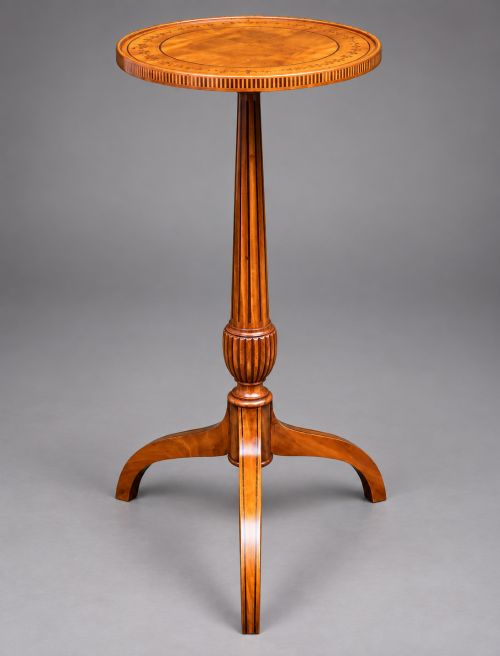
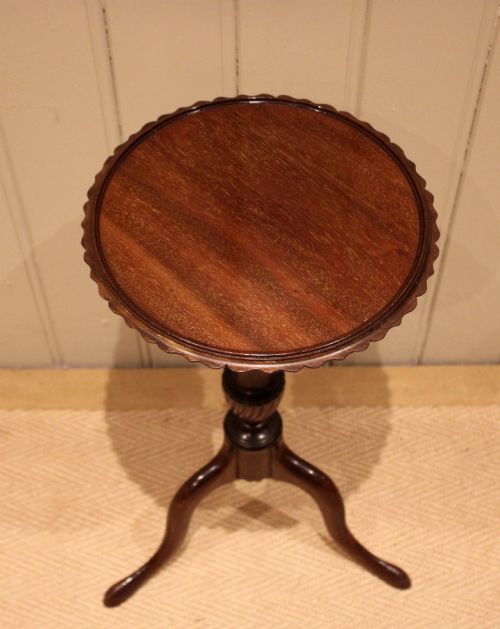
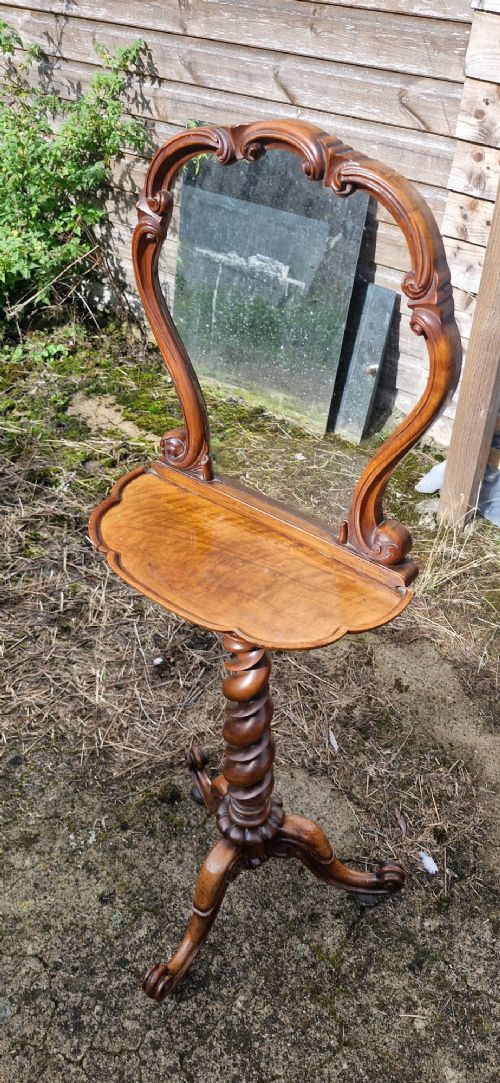
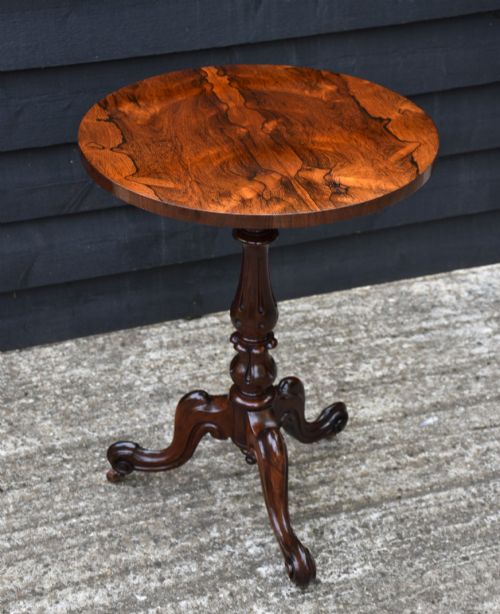
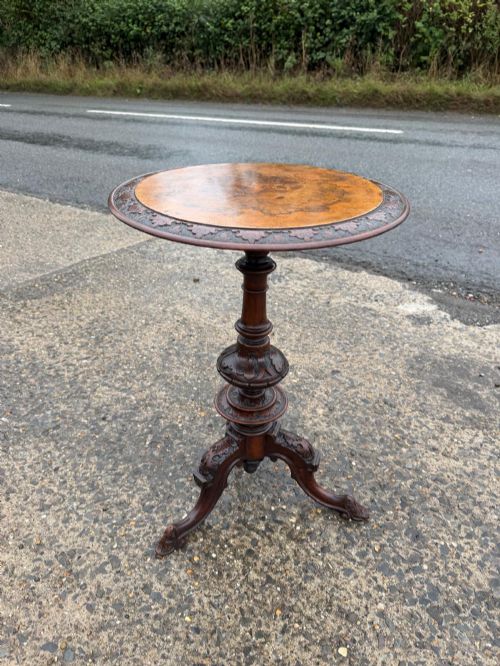
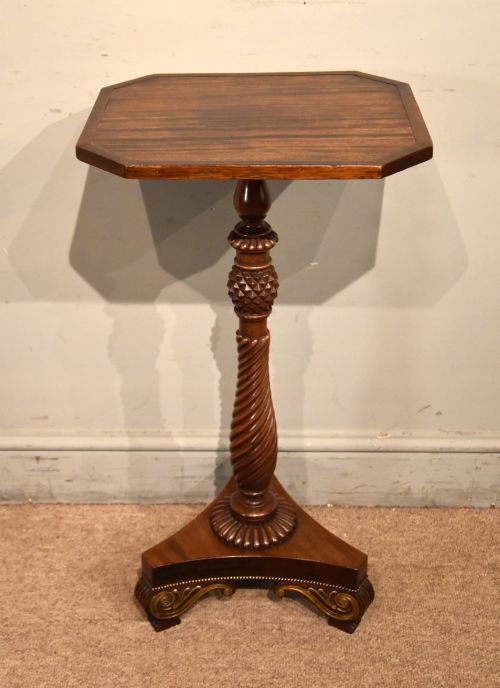
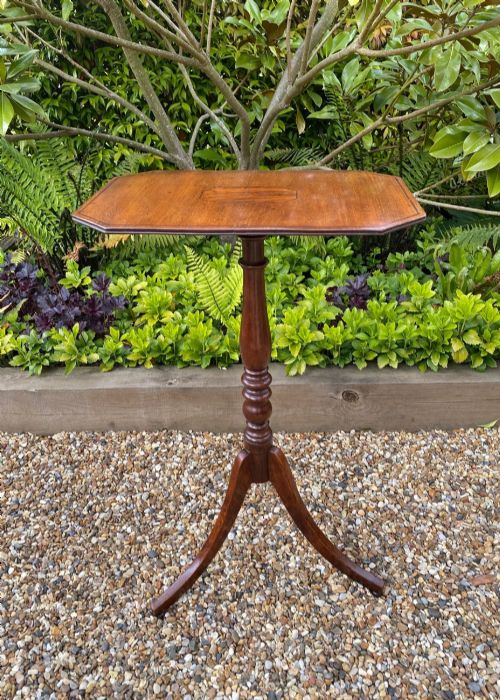
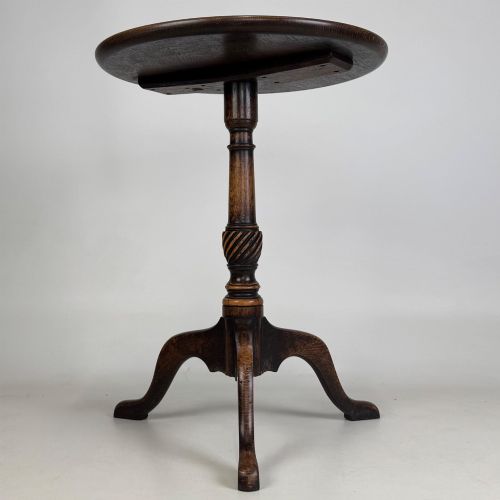
When you search for a standing tripod lamp, you encounter a crossover of forms, because many period pieces listed here started life as wine tables, occasional tables, or standard oil lamps before conversion. The inventory on this page draws heavily from Victorian and Edwardian examples, alongside Georgian and Regency designs, merging small circular tables with vertical lighting elements.
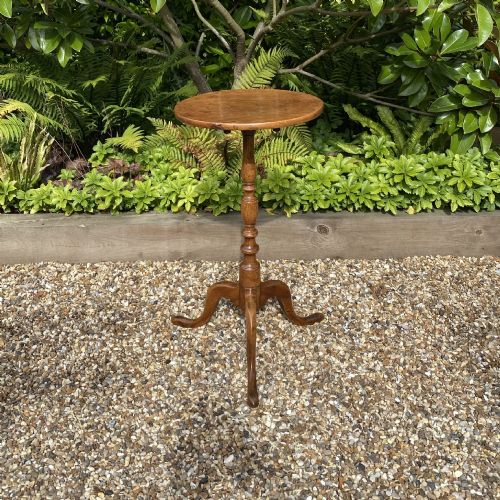
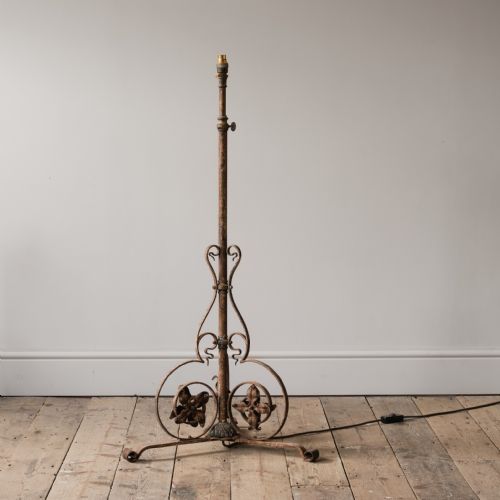
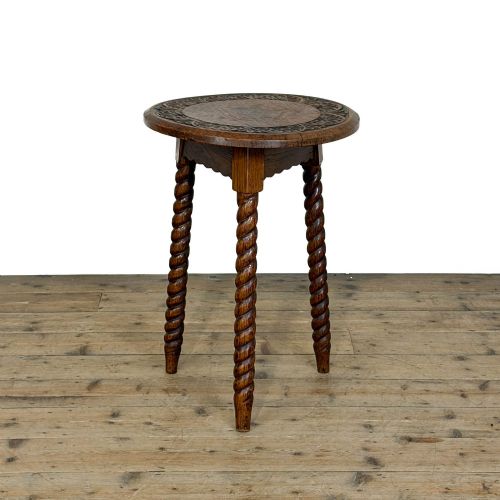
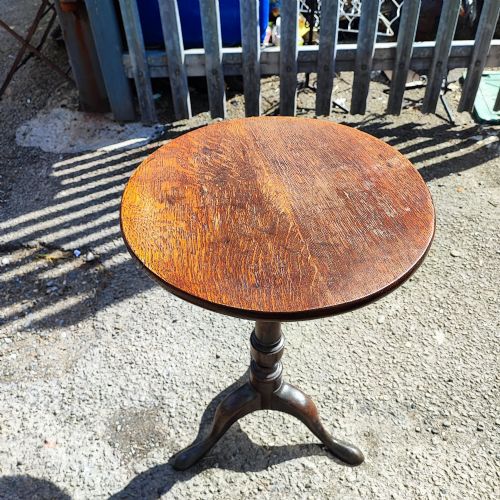
Makers adapted traditional tripod table frames to hold adjustable brass mechanisms, standard oil burners, or fabric shades. You find everything from simple oak and mahogany wine tables utilised for lamp bases to dedicated floor-standing brass and black-smith made iron lights.
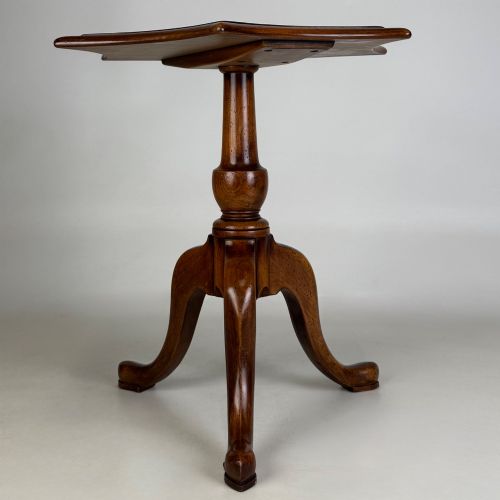
The core architectural feature remains the three-legged base, which provides stable balance on uneven period floorboards. Whether formed from tilt-top mahogany, carved oak, or gilded bronze, these objects serve simultaneously as functional lighting and decorative furniture.
Materials and construction
Cabinetmakers relied on dense hardwoods like mahogany, rosewood, walnut, and oak to turn slender pedestals and cut stable tripod legs. Many tables feature tilt-top mechanisms or snap-top catches, allowing the surface to fold away vertically when not in use.
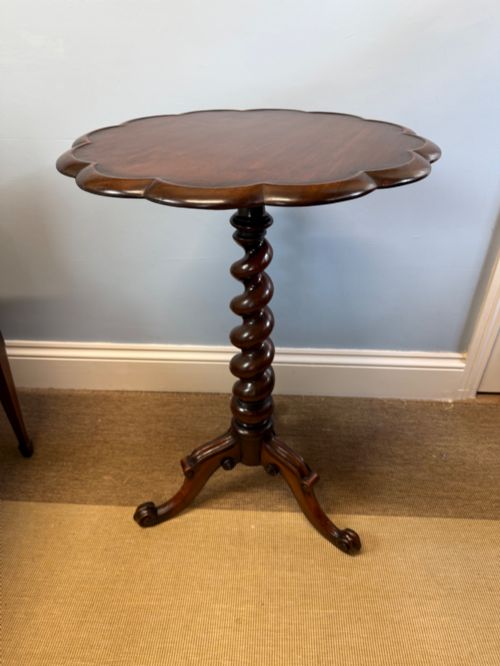
Metal standards utilise brass, silver plate, and blacksmith-made iron, frequently incorporating screw-keys or ratchets for height adjustment. Details such as burr wood veneers, inlaid satinwood, hand-painted finishes, and shaped pie crust rims reveal the high level of specialist joinery and metalworking involved.
Adjustable brass mechanisms appear frequently on floor-standing oil and candle lamps from the Victorian era.
Judging quality and execution
Quality rests in the proportional harmony of the three legs relative to the central column and top, ensuring the piece stands firmly without wobble. Superior examples display crisp hand-carving, finely turned pedestals, and intact original mechanisms for height adjustment or tilting.
The choice of timber grain, such as figured mahogany, burr oak, or richly polished rosewood, elevates certain pieces far above utilitarian items. Subtle details like dovetailed joints, finely cast brass fittings, and clean marquetry separate standard workshop production from master craftsmanship.
Gillows·EW Godwin
The Standing Tripod Lamp Glossary
- Tripod table
- A small occasional table supported by three legs radiating from a central pillar. These frequently double as lamp bases in modern interiors.
- Tilt top
- A tabletop mounted on a hinged block that pivots vertically for storage. This feature appears on numerous Georgian and Victorian examples.
- Standard lamp
- A tall floor-standing lamp designed to illuminate a room from a fixed vertical position. Period versions often accommodate standard oil or candle fittings.
- Pie crust rim
- A raised, decoratively carved tabletop edge shaped in undulating curves. It is typically found on finer Edwardian and Georgian occasional tables.
- Ebonised
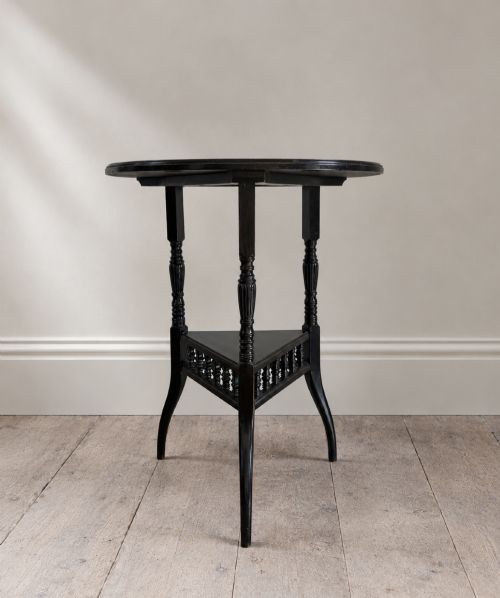
- Timber stained or painted black to imitate ebony. This technique is common on late nineteenth-century aesthetic movement furniture.
Standing Tripod Lamp: Frequently Asked Questions
Are these lamps wired for modern electricity?
Most period standing tripod lamp bases were originally oil lamps, candle stands, or small tables adapted over time. They are generally fitted with modern wiring for contemporary domestic use.
Buyers should inspect the specific electrical setup of each piece upon arrival to ensure it meets current safety standards.
How do I distinguish a Georgian table from a Victorian copy?
Georgian pieces display the tighter growth rings, hand-cut joinery, and patination characteristic of eighteenth-century timber preparation. Victorian and later revivals often utilise heavier internal iron brackets and machine-finished secondary woods.
Examining the underside of the tabletop and the pivot mechanism usually reveals the true period of manufacture.
Can I adjust the height of these lamps?
Many metal standard lamps and floor lights feature functional brass keys, screws, or ratchets designed for raising and lowering the light source. Wooden table versions, however, are fixed in height.
Check the listing details to confirm whether the specific lighting stem or table column offers movement.
How stable is a three-legged base on carpets?
A tripod base naturally contacts the floor at three distinct points, making it inherently stable on uneven stone or wooden floorboards. Thick modern carpets can occasionally cause slight rocking.
Placing the feet carefully or utilising small period-appropriate coasters helps secure the balance of lighter occasional tables.