
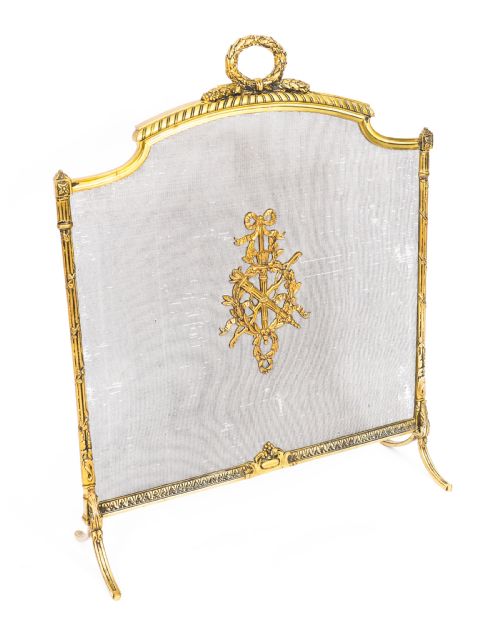
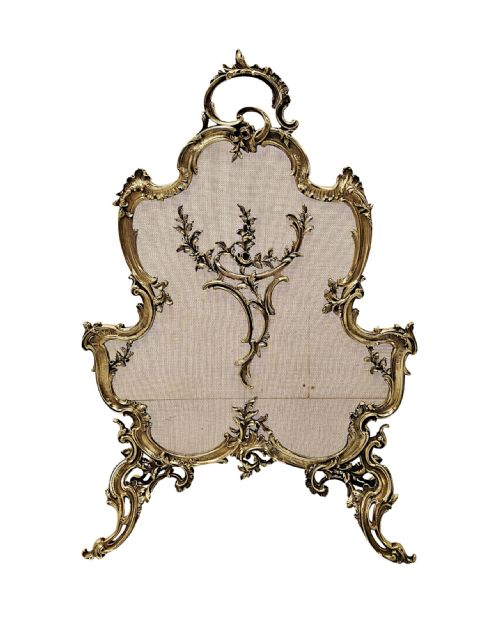


Standing Spark Guard
These standing spark guard pieces protect rooms from stray embers while adding period character to a hearth.
Standing Spark Guard
A standing spark guard forms a protective barrier before an active fireplace, stopping embers and ash from reaching the floor. Buyers searching for a standing spark guard encounter various forms on this page, originating from the Victorian era, the nineteenth century, and the Regency period.
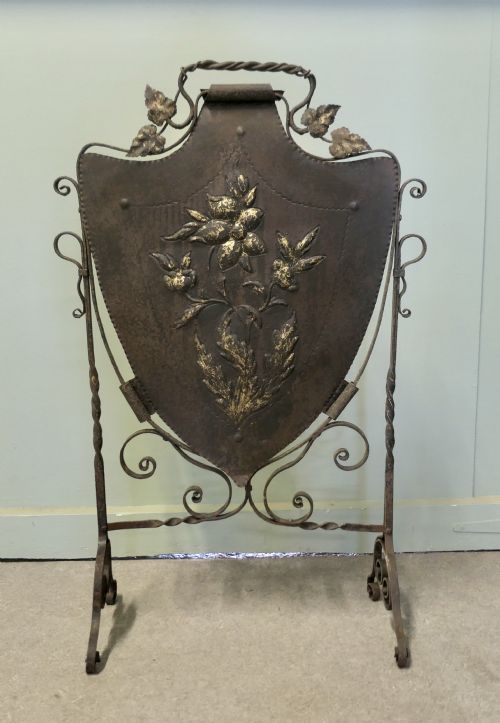
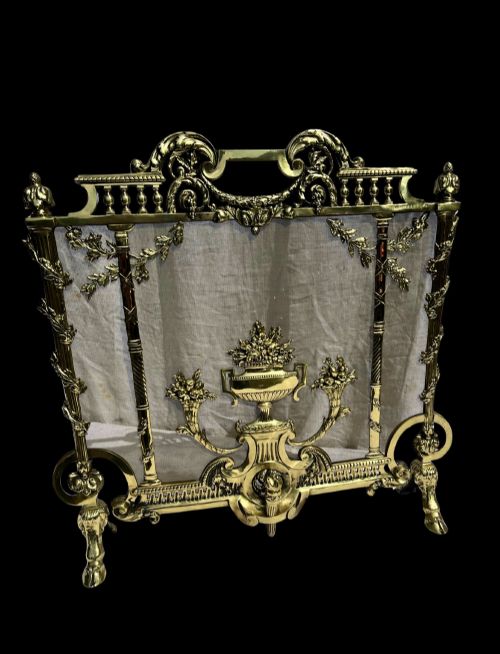
The objects listed here appear in styles such as Arts and Crafts, Gothic Revival, and Rococo Revival, alongside French Empire Revival and Victorian Rococo Revival. These screens adapt to domestic hearths through sturdy iron stands, heavy brass frames, and wooden structures.
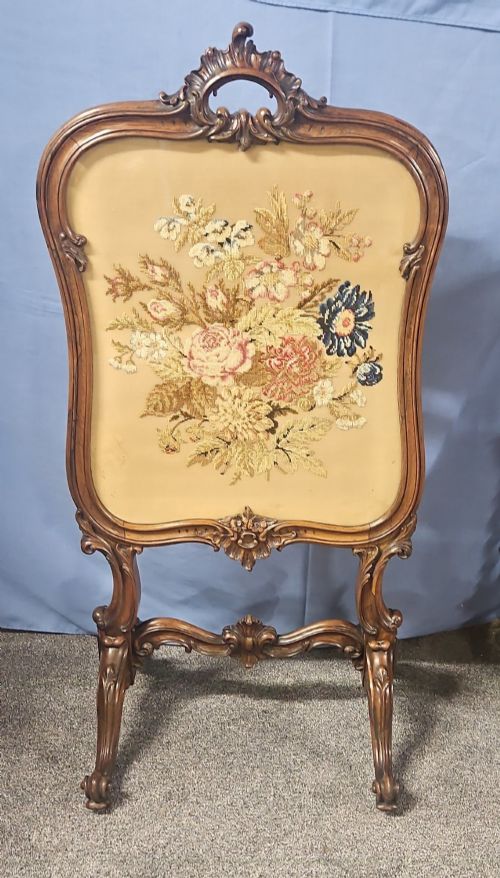
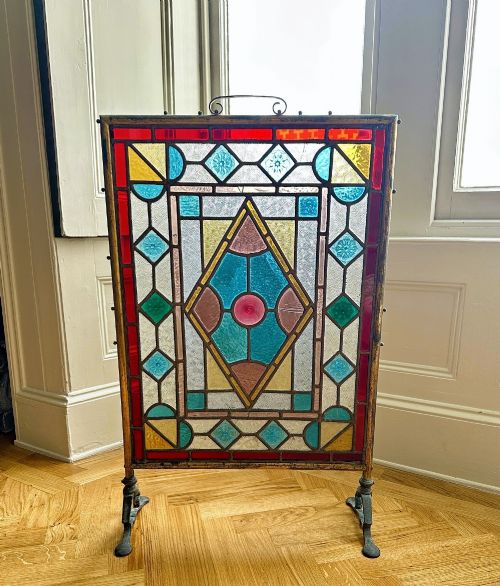
Makers and creators fashioned these pieces using materials including brass, wrought iron, glass, wire mesh, rosewood, gilt, walnut, and tapestry. The selection includes items ranging from simple demi-lune spark guards to elaborate carved oak Black Forest fire screens and stained glass designs.
How they were made
Makers constructed the structural frames of these pieces using durable metals like brass and wrought iron, ensuring stability near open flames. Workshops combined these metal frameworks with decorative elements such as carved walnut, rosewood, and oak.
Panels incorporate wire mesh to block flying sparks while maintaining visibility of the fire. Craftsmen added visual depth through stained glass inserts, detailed gilt bronze mounts, and intricate needlework tapestry panels.
Techniques varied from the precise metalwork of the Arts and Crafts movement to the ornate casting seen in French Rococo Revival examples. Adjustable mechanisms and carved wooden panels demonstrate the diverse joinery and metalworking skills of nineteenth century artisans.
A stray ember once proved that even a decorative tapestry panel prefers a sturdy wire mesh backup.
What varies in quality
The grade of a standing spark guard depends on the solidity of its construction and the integrity of its materials. Heavy cast brass, substantial wrought iron, and dense hardwoods indicate superior workmanship compared to lighter, more fragile assemblies.
Artistic execution sets finer examples apart, visible in the crispness of bronze mounts, the complexity of carved details, and the quality of inserted stained glass. Pieces featuring integrated companion sets or adjustable poker work panels show greater utility and ambition in design.
The Standing Spark Guard Glossary
- Demi-lune
- Half-moon shape. This curved profile allows the spark guard to fit snugly against a hearth.
- Gilt bronze
- Metal finished with a thin layer of gold. This treatment provides a bright, reflective surface that catches firelight.
- Wire mesh
- Woven metal grid. This material stops sparks while allowing heat to radiate into the room.
- Black Forest
- Regional style of wood carving. Pieces from this tradition feature naturalistic animal and foliage motifs.
- Poker work
- Pyrography technique using heated metal tools. This method burns designs into wooden panels.
Standing Spark Guard: Frequently Asked Questions
How do I use a standing spark guard?
Place the guard directly in front of the open fireplace opening before lighting a fire. The barrier intercepts stray embers and sparks as they pop from burning wood.
Ensure the base sits firmly on the hearth surface so the guard remains stable during use. Keep combustible items at a safe distance behind the mesh panel.
How do I clean brass spark guards?
Dust the metal regularly with a soft, dry cloth to prevent soot buildup. Avoid harsh chemical cleaners that strip the historic finish.
If polishing is necessary for unlacquered brass, use a gentle metal polish applied sparingly with a cloth. Take care not to get polish on adjacent wood or fabric panels.
How do I date a Victorian fire screen?
Examine the stylistic clues, such as Gothic Revival or Rococo Revival ornamentation, which align with nineteenth-century design trends. Materials like heavy cast brass and walnut also point to this era.
Construction marks, screw types, and the condition of wire mesh or tapestry panels offer further clues to the age of the piece.
Can I use these screens with a gas fire?
These screens serve well with gas hearths that produce sparks or need a decorative barrier when not in use. They add period aesthetic value to modern installations.
Measure the width of your hearth opening to ensure the guard covers the entire fire area securely before placing it.