



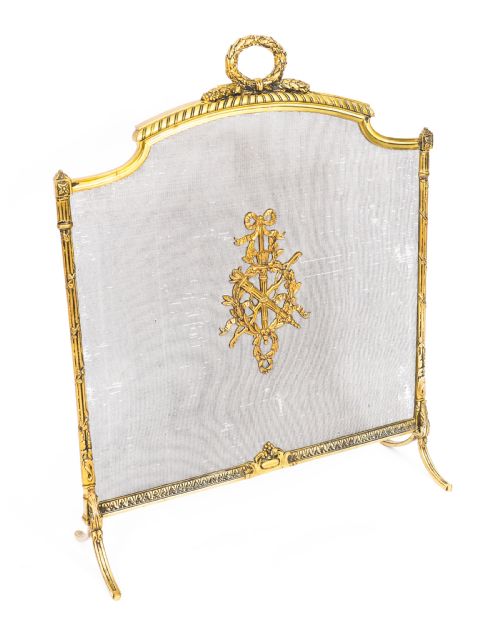
Brass Mesh Hearth Guard
A brass mesh hearth guard protects rooms from stray embers while adding polished metalwork to the fireplace during cooler months.
Brass Mesh Hearth Guard
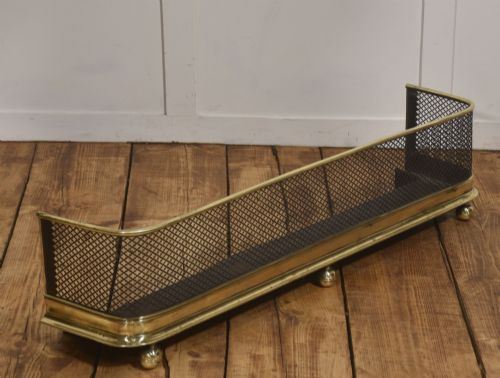
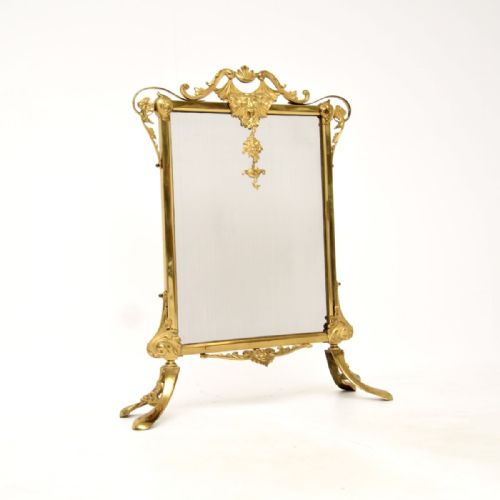
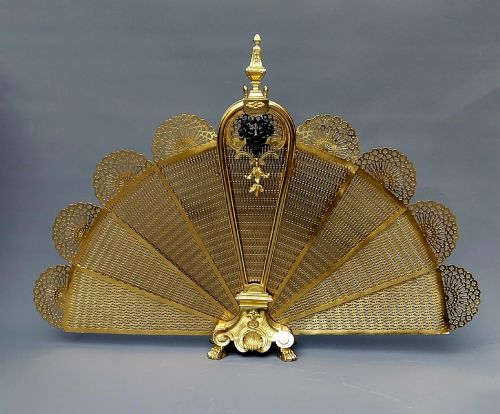
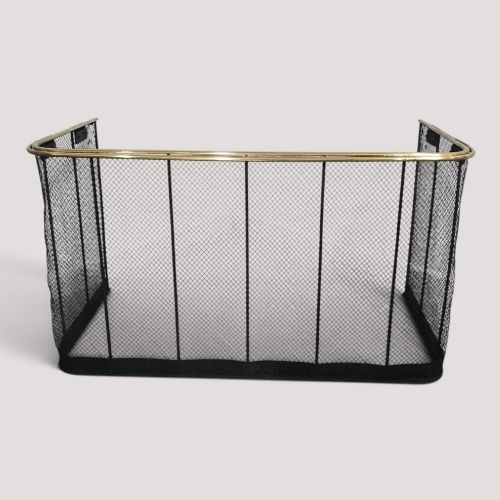
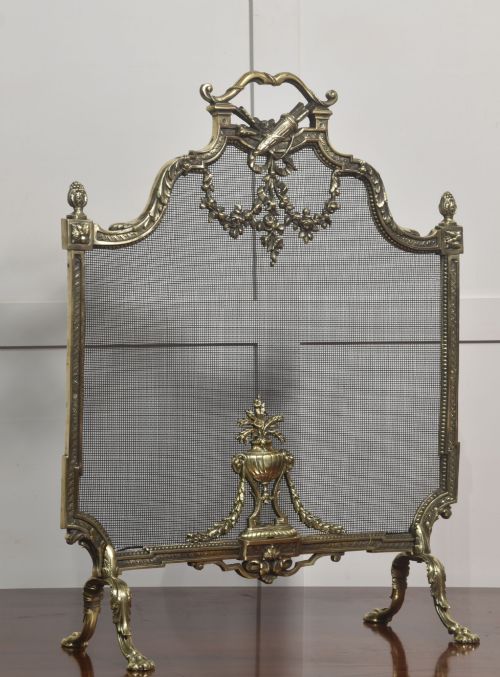
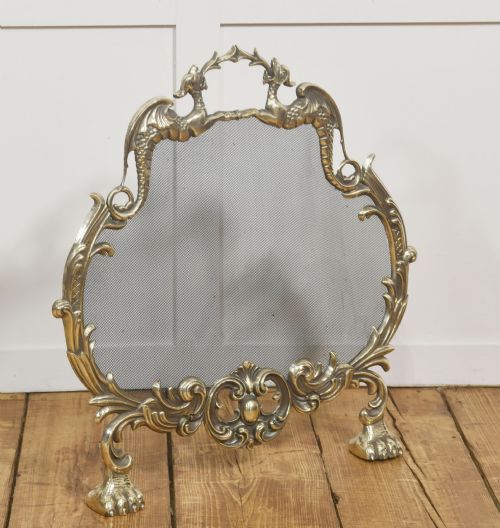
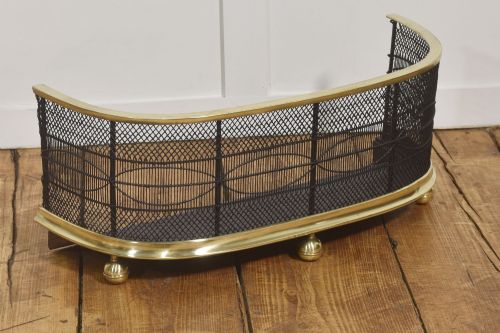
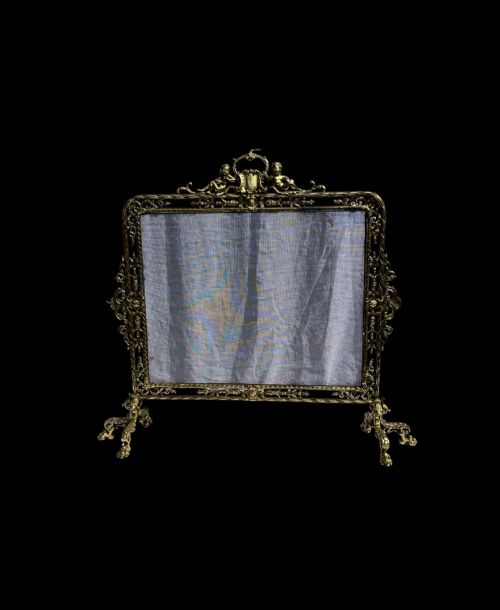
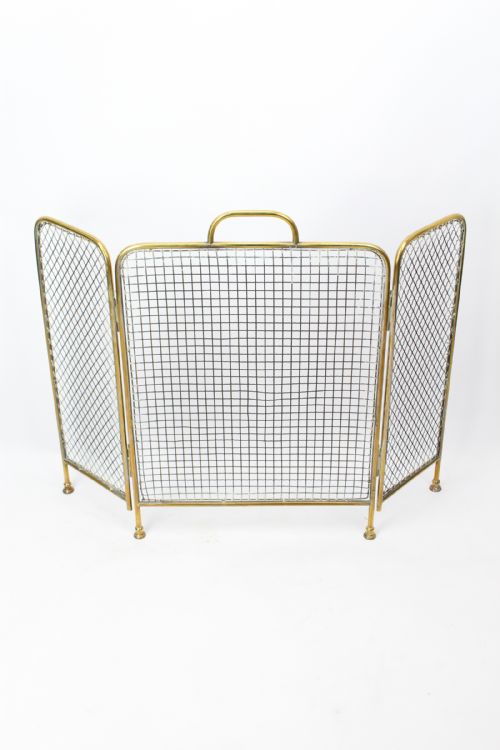
These pieces are functional household accessories designed to contain sparks and ash within the fireplace opening. The brass mesh hearth guard takes various shapes, including folding guards, bowed nursery fenders, and static screens.
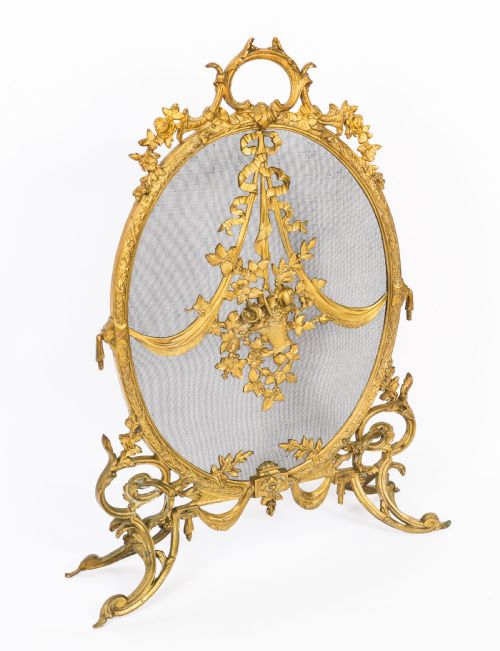
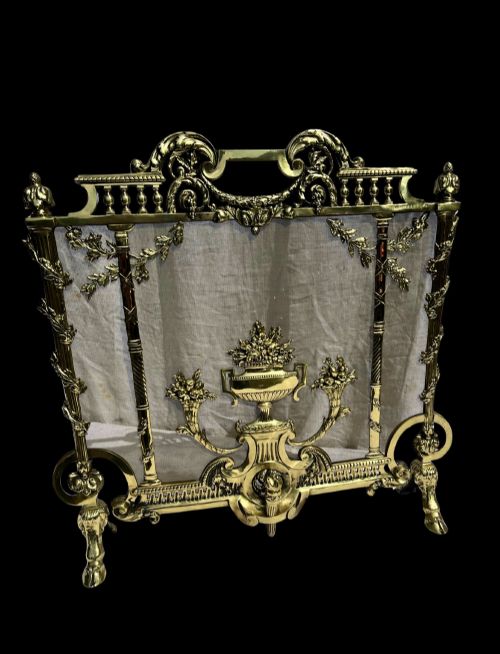
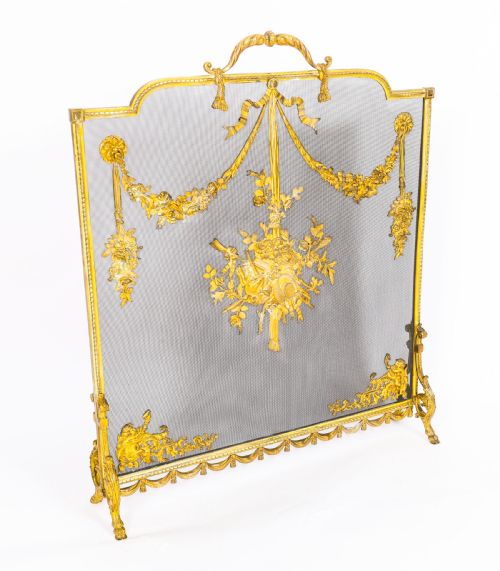
Most examples originate from the nineteenth century into the early twentieth century, spanning Victorian and Edwardian periods. French workshops also contributed elaborate revival styles featuring rococo and empire motifs.
Buyers will encounter single standing screens alongside fitted nursery fenders equipped with rails. The construction primarily utilises supportive metal frames paired with fine wire mesh.
Materials and construction techniques
Makers constructed frames using cast or sheet brass, often combining steel and iron for structural rigidity. Gilt bronze and gilt brass finishes appear frequently among continental French items.
Fine wire mesh and iron mesh form the central protective barrier, secured tightly within the metal borders. Artisans incorporated decorative elements such as embossed brass panels, wirework, and cast bronze mounts.
Brass Mesh Hearth Guard Retail Price Guide 2026
Typical asking prices for brass mesh hearth guard among the pieces listed under this phrase on Sellingantiques today, from the lower quarter to the upper quarter. They describe what is for sale here now, not the wider market.
Assessing quality in metal hearth guards
Construction weight and the gauge of the wire mesh distinguish sturdy items from lighter domestic versions. Heavier frames maintain stability when freestanding or folded.
The refinement of decorative cast mounts and chased brass detailing separates standard production pieces from elaborate French revival examples. Intact mesh without distortion indicates careful preservation.
Bouhon Frères
The Brass Mesh Hearth Guard Glossary
- Spark screen
- A fine mesh barrier placed before an open fire to catch flying embers. These screens prevent stray sparks from damaging flooring.
- Nursery guard
- A tall protective enclosure designed to keep children and pets at a safe distance from open flames. They often feature bowed frames and top rails.
- Fender
- A low metal guard placed on the hearth around the perimeter of the fireplace. They occasionally incorporate mesh panels or clothes rails.
- Rococo revival
- A nineteenth-century design style emulating eighteenth-century French asymmetry, C-scrolls, and floral motifs. This style appears frequently on decorative brass frames.
- Gilt bronze
- Bronze metal treated with a gold wash or mercury gilding to produce a rich metallic sheen. It provides an ornamental finish on French screens.
Brass Mesh Hearth Guard: Frequently Asked Questions
What is a brass mesh hearth guard used for?
These guards serve primarily to catch flying sparks and embers emitted by open wood or coal fires. They sit directly on the hearth to protect flooring and furnishings.
Beyond safety, they conceal a cold fireplace during summer months. The polished brass and detailed mesh add decorative warmth to the room.
How do I clean a brass mesh hearth guard?
Dust the mesh gently with a soft brush or dry cloth to remove soot and debris. Avoid harsh chemical cleaners that strip antique patination.
Polishing should be done sparingly on the solid brass frame only. Keep abrasive pads away from the delicate wire mesh to prevent tearing.
Are these guards suitable for modern fireplaces?
Many historical screens fit standard hearth openings and function effectively with modern wood-burning or gas fires. Freestanding folding models adjust easily to different widths.
Measure the hearth space carefully before purchase to ensure adequate coverage. Taller nursery versions offer extra clearance for larger hearths.
How do I identify a French nineteenth-century screen?
French pieces often feature gilt bronze or gilt brass materials with rococo revival ornamentation. Common motifs include musical trophies, floral swags, and cast dolphin feet.
English equivalents tend to focus on utilitarian brass frames with wire mesh and simpler top rails. Continental examples frequently display heavier casting and more elaborate openwork.