


Brass Fire Surround Curb
A brass fire surround curb defines the hearth, bringing gleaming metalwork and structural presence to a period fireplace.
Brass Fire Surround Curb
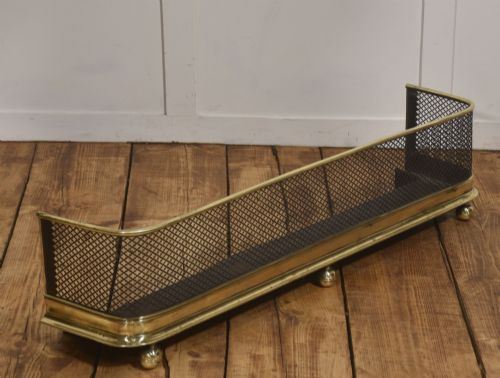
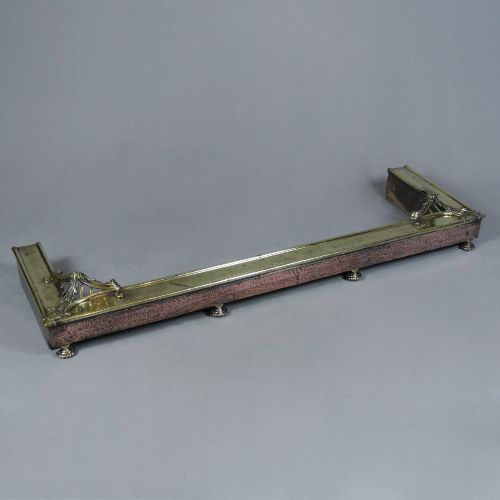
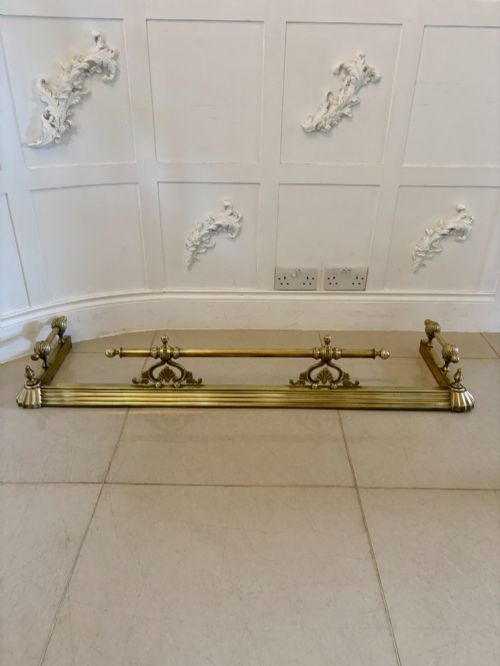
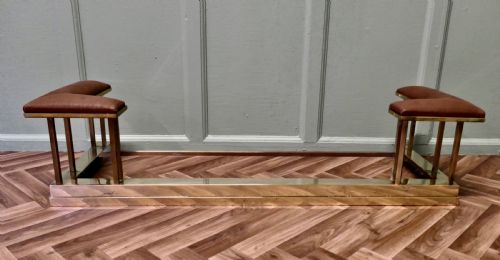
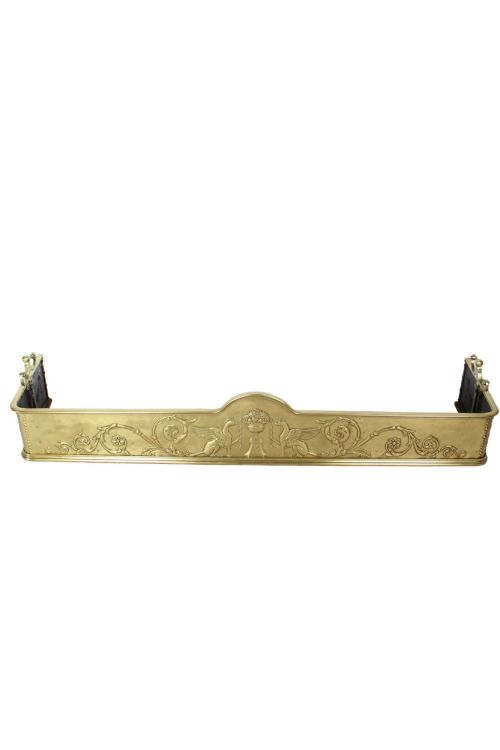
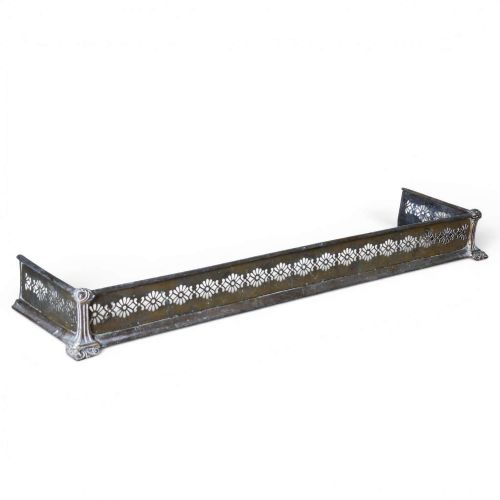
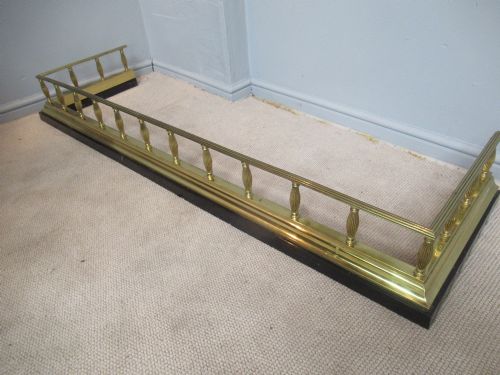
A brass fire surround curb sits directly on the hearth to contain stray embers and frame the fireplace opening. These pieces take the form of hearth fenders, club fenders, and fireplace accessories, spanning the nineteenth century through the Edwardian period and the Art Deco era.
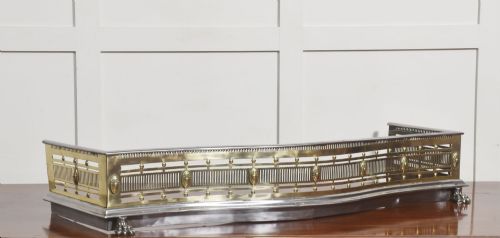
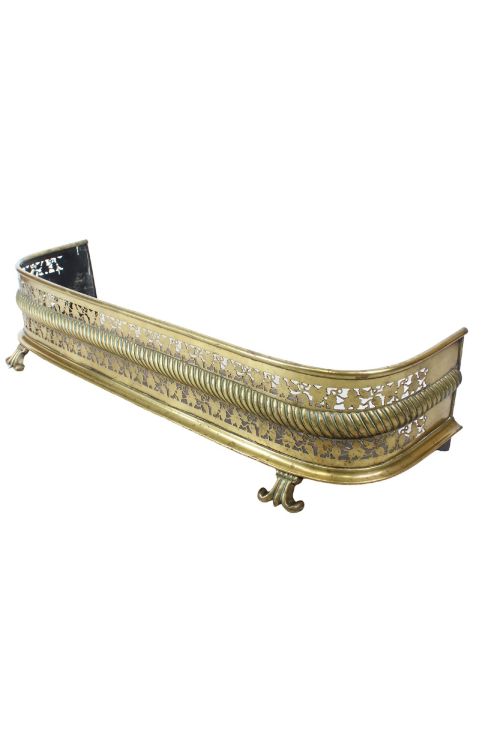
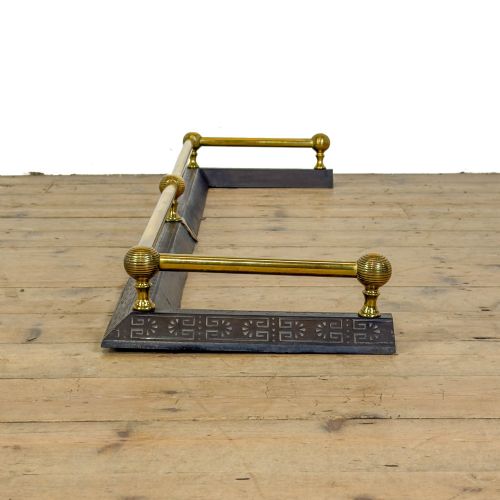
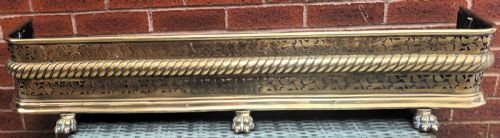
The most common examples encountered on this page date from the Victorian era, often featuring pierced brass galleries or heavy cast bases. Makers combined brass with steel, iron, copper, and bronze to create substantial barriers that anchored the fireplace in the room.
Materials and construction
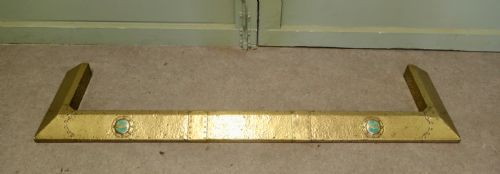
Metalworkers combined sheet brass, cast brass, and tubular elements with structural iron or steel frames to provide rigidity and weight. Pierced decoration was achieved through meticulous cutting and stamping, while ornamentation often included applied brass motifs, green enamel cabochons, or leather seating on club variants.
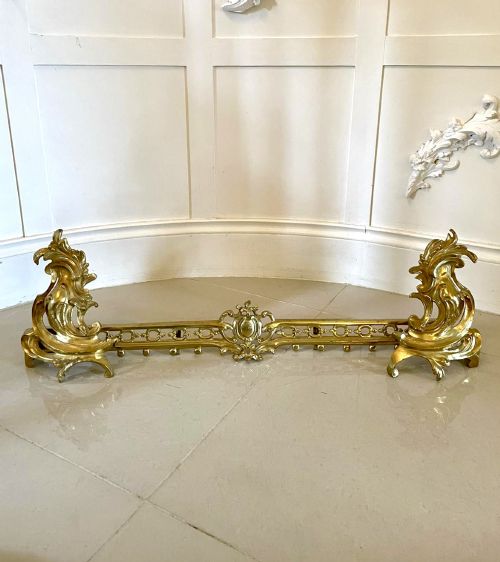
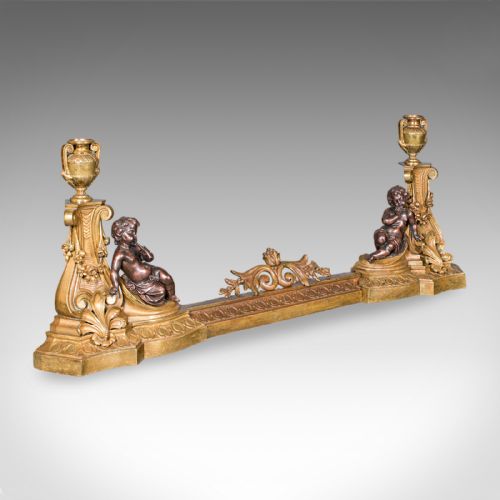
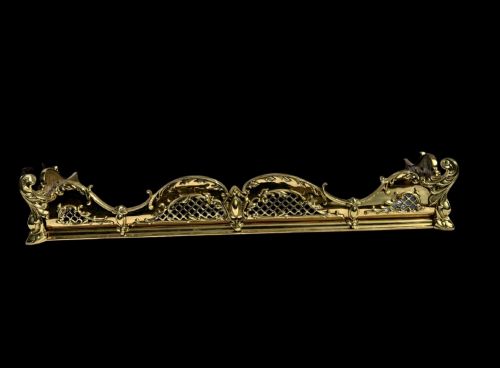
Gilding, ormolu, and dore bronze finishes appeared on finer French and English models, alongside parcel gilt accents and patinated copper. Iron and cast iron components formed sturdy internal foundations, ensuring the kerb could withstand the heat and daily use of an active hearth.
Brass Fire Surround Curb Retail Price Guide 2026
Typical asking prices for brass fire surround curb among the pieces listed under this phrase on Sellingantiques today, from the lower quarter to the upper quarter. They describe what is for sale here now, not the wider market.
Some nineteenth-century hearths required thick leather seats on the fender just so the household could warm their toes in absolute comfort.
Distinctions in grade and execution
Quality rests upon the weight of the metal and the crispness of the casting. Heavy gauge brass and deeply struck pierced work indicate superior workshop production, whereas lighter pieces rely on thin sheets that lack structural substance.
The sophistication of the decorative vocabulary marks the tier of the piece, moving from simple utilitarian rails to elaborate French Rococo castings or finely detailed Art Nouveau whiplash copper elements. Integrated details such as leather upholstery on club fenders or the inclusion of matching chenets elevate the ambition of the design.
E F Caldwell New York
The Brass Fire Surround Curb Glossary
- Fender
- A low metal guard placed around a hearth to keep coals and ash from spilling onto the floor. They range from simple brass rails to heavily pierced and upholstered designs.
- Club fender
- A specialised hearth fender featuring low padded seats flanking the fireplace opening. These upholstered top rails allowed people to sit close to the fire for warmth.
- Pierced brass
- Metal sheet perforated with decorative patterns using saws, punches, or dies. This technique lightened the visual weight of the brass while creating intricate geometric or floral designs.
- Chenet
- A decorative firedog or andiron placed within the hearth to support logs. They often appear alongside French brass and iron fenders in matching stylistic metalwork.
- Ormolu
- Finely ground high-carat gold mercury-gilded onto a bronze or brass base. This decorative surface treatment gives the metal a rich, enduring golden lustre.
Brass Fire Surround Curb: Frequently Asked Questions
What is a brass fire surround curb?
A brass fire surround curb is a protective barrier placed on the hearth around the base of a fireplace. It serves to contain embers and glowing coals while framing the hearth area.
These metal borders vary from slender nineteenth-century rails to substantial cast and pierced Victorian and Edwardian examples.
How do I choose the correct size?
Measure the width and depth of your hearth stone to ensure the kerb sits securely within the perimeter. Extending models offer flexibility if you require adjustment for a specific opening width.
Take into account the projection of the fender so it does not obstruct foot traffic or hearth accessories like andirons.
Were these used with club seats?
Certain specialised fenders incorporate low leather-upholstered top rails designed for sitting beside the fire. These club fenders combined the protective function of the kerb with comfortable hearthside seating.
They gained popularity in Edwardian and late Victorian drawing rooms for social warmth.
How do I date a brass fender?
Dating relies upon stylistic markers, construction methods, and materials recorded in the design. Victorian pieces often show heavy pierced brass or neoclassical motifs, while Art Nouveau examples display organic copper and brass whiplash lines.
Edwardian and later twentieth-century pieces introduce cleaner geometric lines or integrated club seating.