


Standing Book Rack
A standing book rack organises volumes within arm's reach, offering practical display for everyday reading in any room.
Standing Book Rack
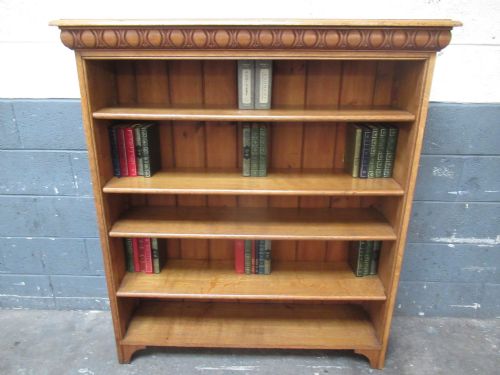
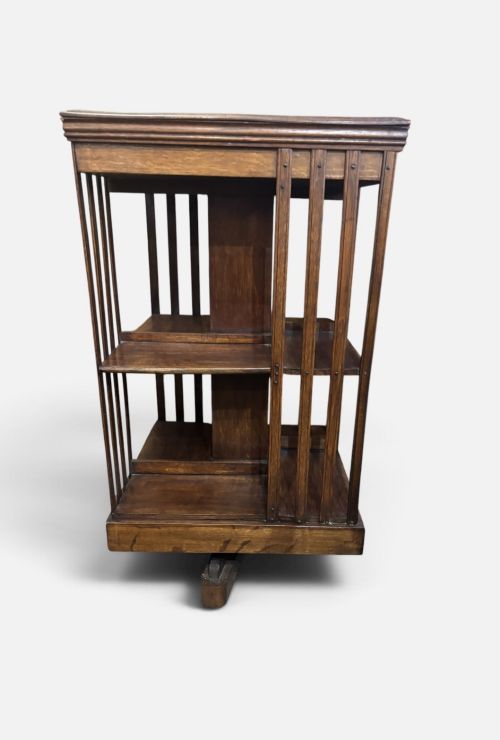
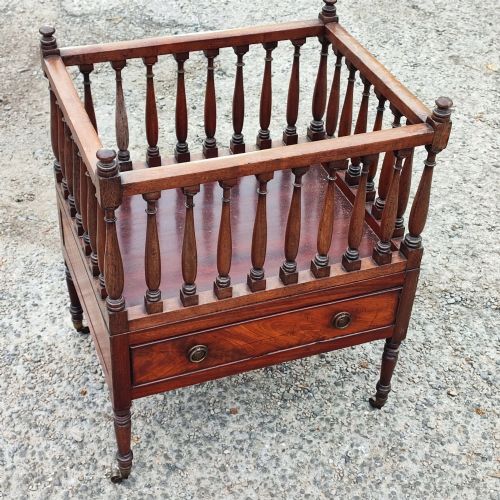
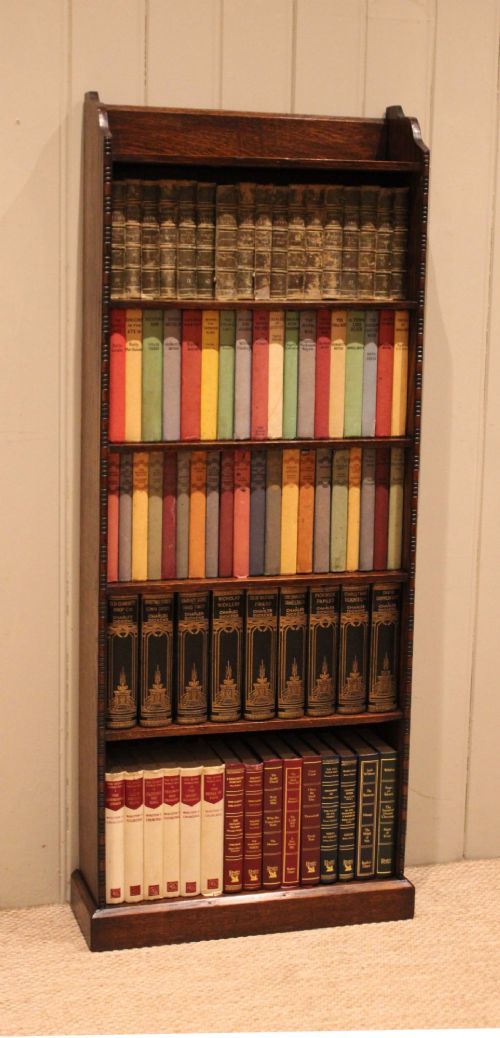
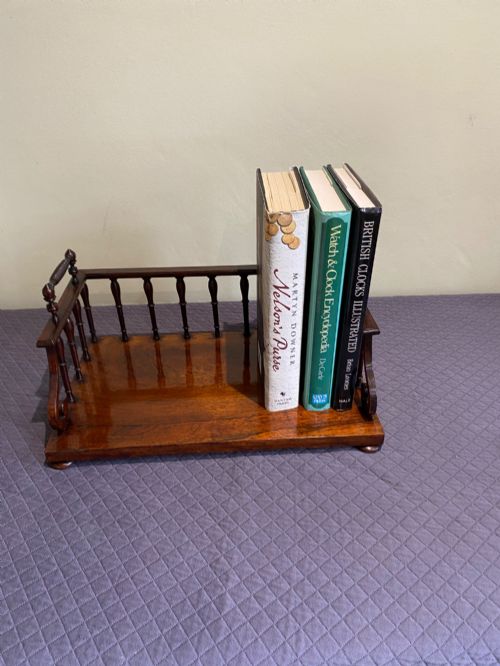
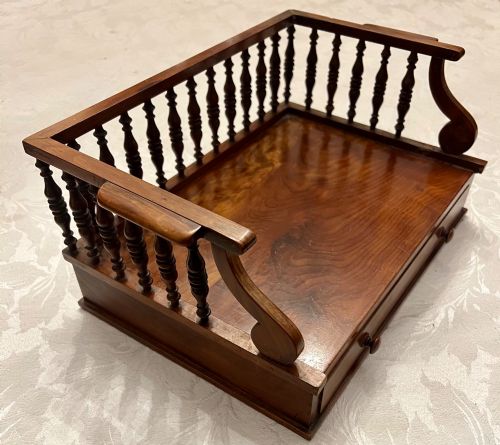
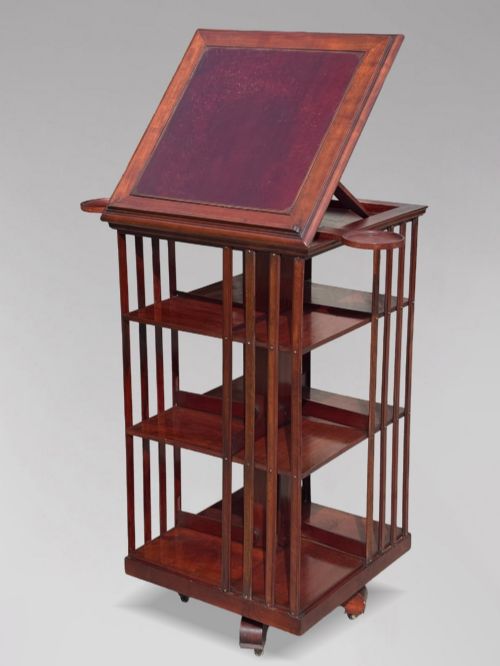
A standing book rack is a piece of furniture designed to hold volumes upright or on open shelves, encompassing forms such as book stands, book troughs, and small bookcases. When searching for a standing book rack, buyers encounter items ranging from compact desk accessories to larger open shelving units.
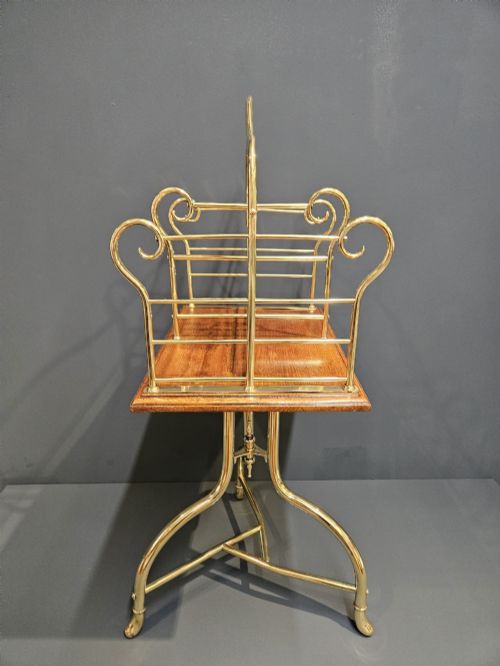
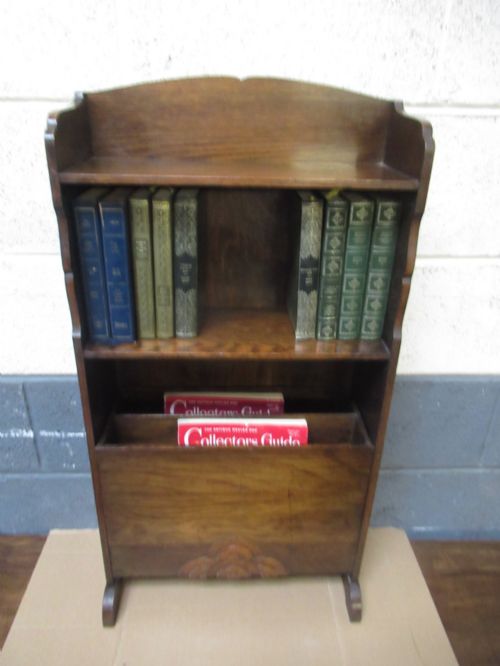
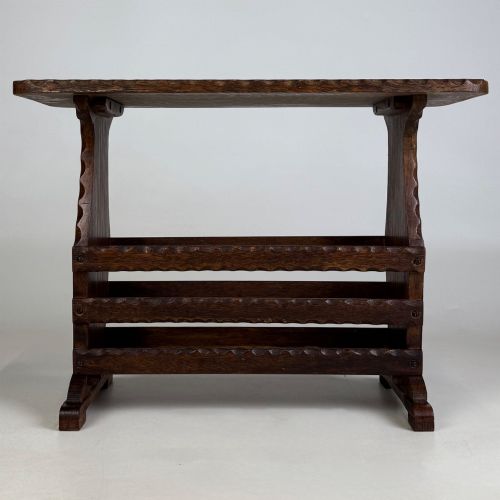
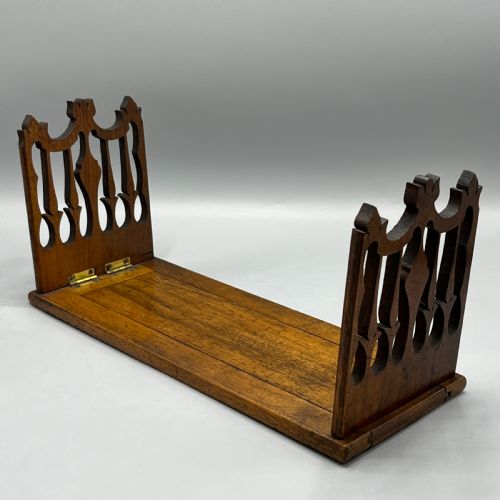
The pieces available originate across several periods, most frequently appearing from the Edwardian era, the 1920s, and the 19th century. Common configurations include open front slope-shelf fireside book troughs, side tables with integrated magazine racks, and adjustable extending book slides.
Makers and designers worked within distinct styles such as Arts and Crafts, Gothic Revival, and Regency. Oak and mahogany dominate the material selection, alongside rosewood, walnut, and pine.
How they were made
Cabinetmakers constructed these pieces primarily using solid timbers like oak, mahogany, and rosewood, often pairing them with metal mounts in brass or decorative inlays in mother-of-pearl. Construction techniques included traditional joinery for open shelving units and structural bracing for portable bookshelves.
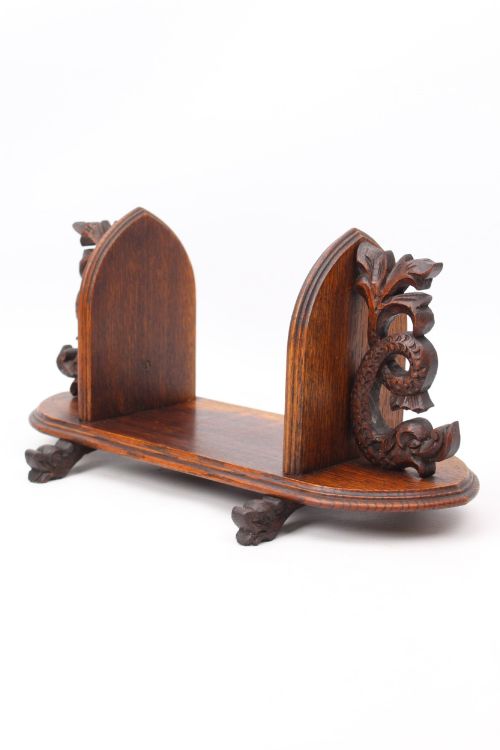
Surface treatments varied by period and style, ranging from ebonised finishes and painted library stands to natural polished golden oak. Specific designs incorporated decorative cut-outs, beaded edges, and bamboo frameworks to achieve the aesthetic of the period.
Standing Book Rack Retail Price Guide 2026
Typical asking prices for standing book rack among the pieces listed under this phrase on Sellingantiques today, from the lower quarter to the upper quarter. They describe what is for sale here now, not the wider market.
The archive includes early 19th-century rosewood book stands created in the manner of Gillows.
What varies in quality
Quality in a standing book rack rests on the selection of timber and the precision of the construction, particularly in adjustable or extending mechanisms. Pieces featuring solid hardwoods like rosewood or walnut with integrated brass mounting display superior craftsmanship compared to simpler pine alternatives.
The integrity of decorative details, such as carved woodwork, mother-of-pearl inlay, and labeled workshop attribution, separates standard utility items from finer examples of period design.
Arthur Simpson·Gillows
The Standing Book Rack Glossary
- Book trough
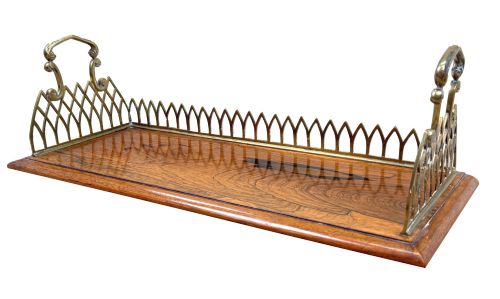
- An open-topped trough designed to hold books upright in a sloping or vertical position. These pieces often sat beside firesides or on tables for easy access to current reading.
- Book slide
- An extending rack with sliding ends that keeps a small row of volumes upright on a desk or table. They frequently incorporate brass mounts and hinged supports.
- Waterfall bookcase
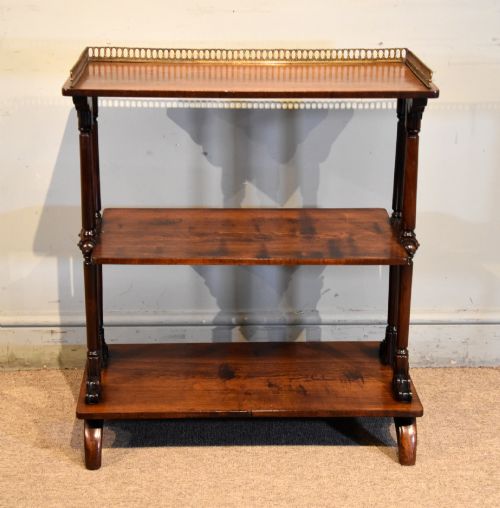
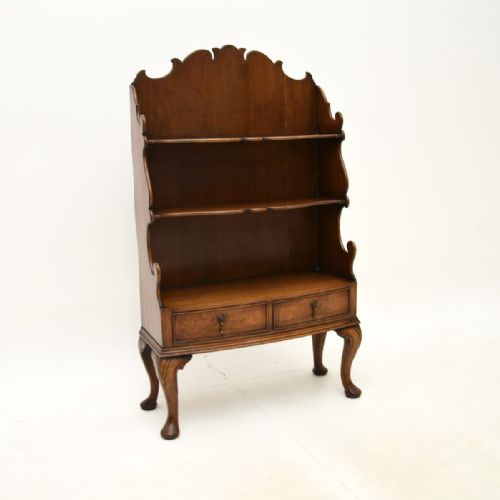
- A set of open shelves diminishing in depth from bottom to top, creating a stepped profile. This form appeared frequently in mahogany during the Regency and 19th-century periods.
- Gothic Revival
- An architectural and decorative style drawing on medieval forms, characterised by pointed arches and robust framing. Pieces from this movement often utilise heavy oak.
Standing Book Rack: Frequently Asked Questions
How were book troughs used?
Book troughs were placed near seating areas or on tables to hold a selection of volumes currently in use. Their sloping or vertical sides kept books upright without the need for traditional bookends.
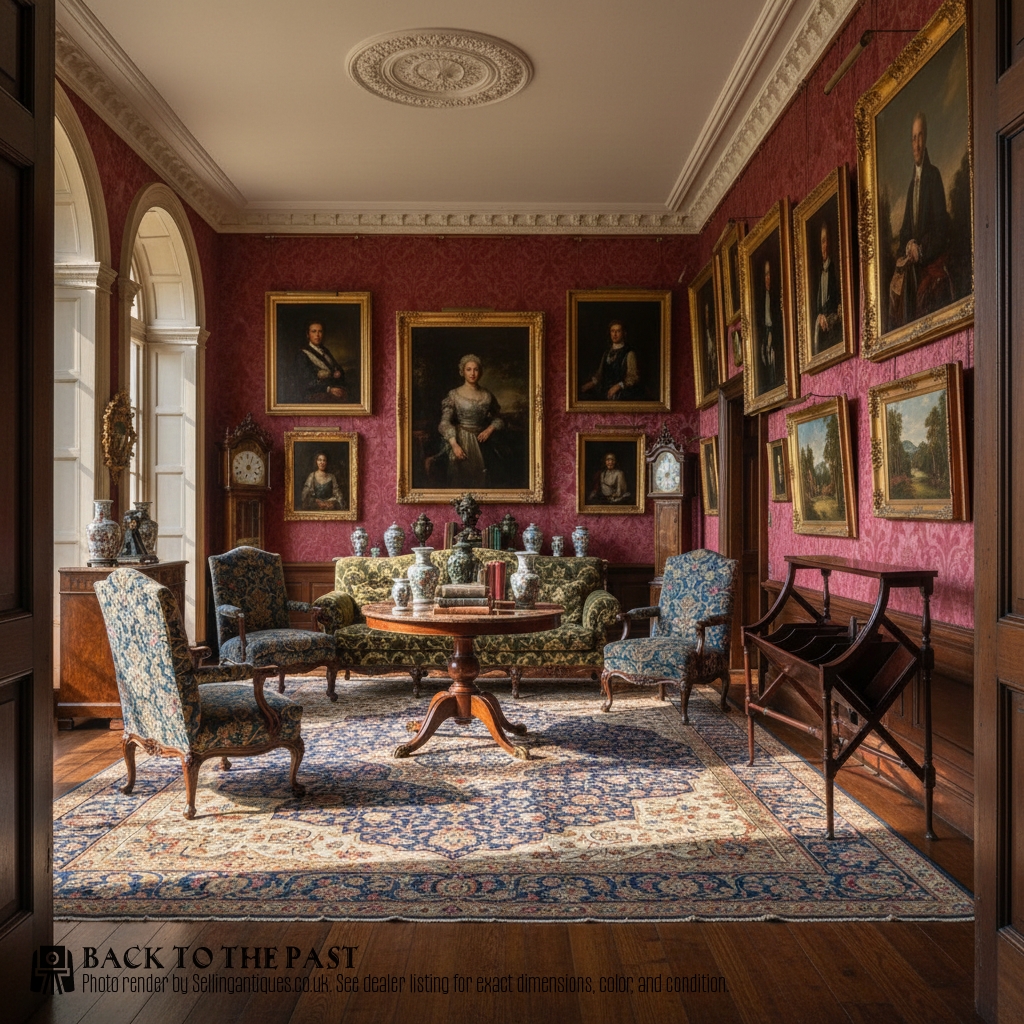
Victorian and Edwardian households utilised them in libraries and drawing rooms for periodicals and novels.
What woods were used for stands?
Cabinetmakers primarily used hardwoods such as oak, mahogany, and rosewood for durability and appearance. Pine and walnut also appear frequently, particularly in rustic or inlaid pieces.
Olive wood and bamboo were occasionally utilised for specialised items like extending slides and aesthetic period stands.
How do I identify Edwardian pieces?
Edwardian standing book racks often feature lighter golden oak timbers and simpler structural lines than their Victorian predecessors. They frequently incorporate Arts and Crafts influences, such as decorative cut-outs.
These pieces date from the early 20th century and reflect a shift towards functional domestic furnishings.