




Stained Glass Pendant
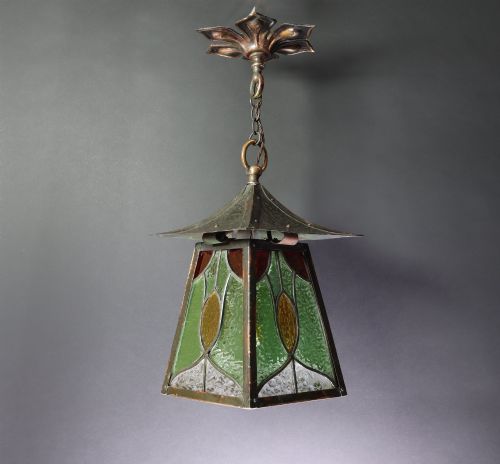
A stained glass pendant brings rich colour and historic character into a room through fragments of leaded and enamelled glass.
Stained Glass Pendant
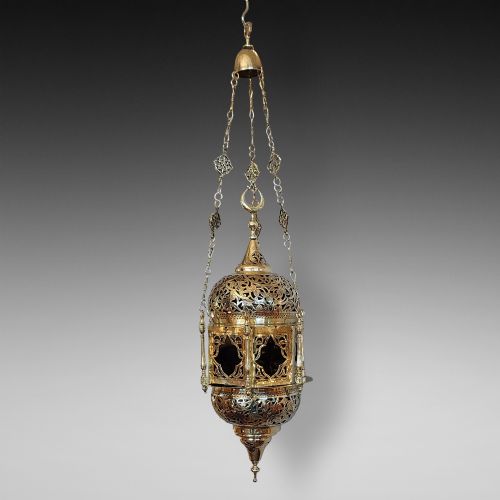
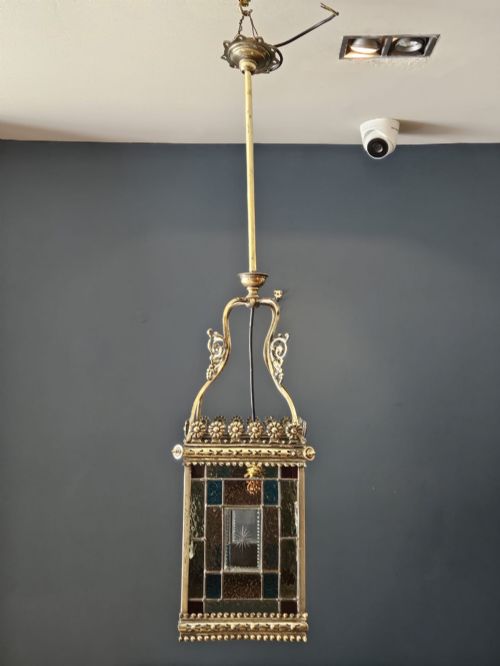
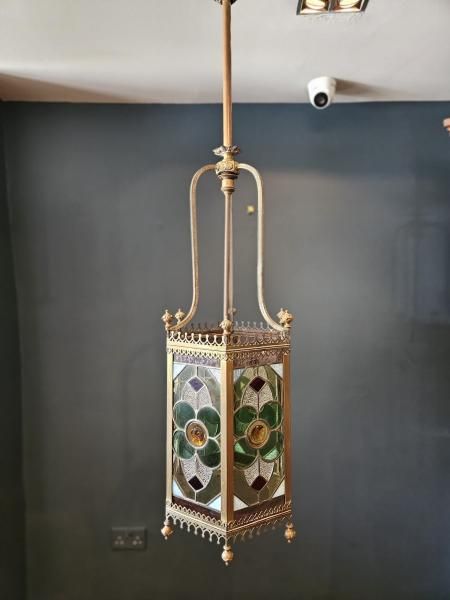
The architectural pieces on this page lean heavily towards Victorian and early twentieth-century designs framed in brass, wrought iron, or lead. Buyers encounter hanging lamps and hall lanterns utilising red, yellow, and cobalt blue glass alongside jewellery medals depicting religious figures or architectural windows. French workshops and British makers both contribute significantly to this mixed category of lighting and personal adornment.
How they were made
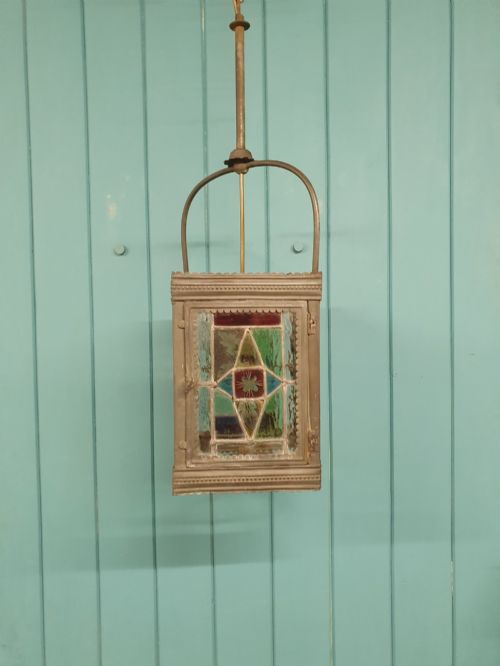
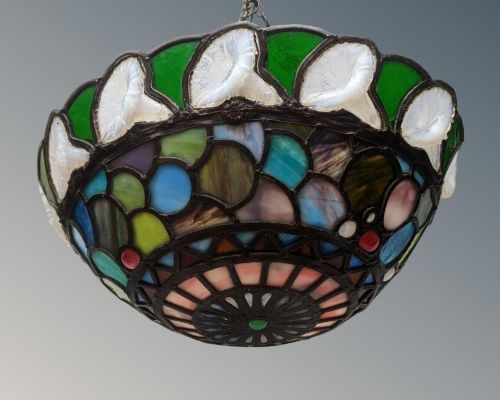
The hanging lanterns and ceiling lights rely on traditional leaded glass techniques, where individual pieces of coloured glass are joined with lead cames and supported by brass or wrought iron frames. Artisans solder the joints carefully to ensure structural integrity for pieces meant to hang in porches and halls. Larger pendant lamps utilise cobalt blue and multicoloured panes designed to catch and refract ambient light.
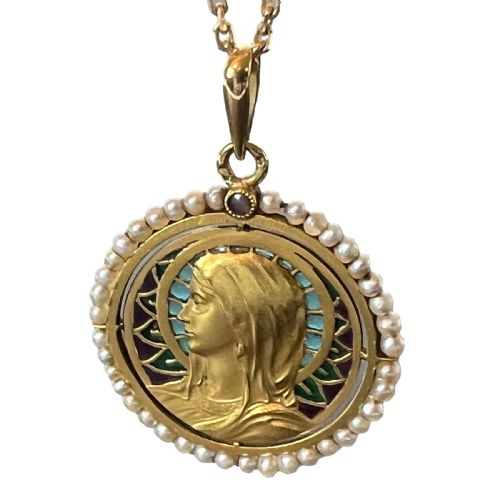
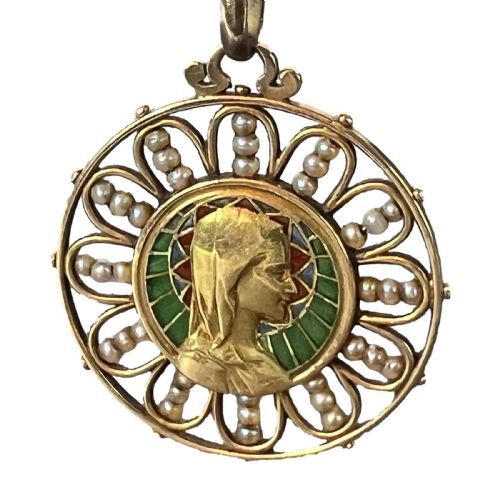
The wearable jewellery pendants employ eighteen-karat yellow gold alongside plique-a-jour enamel, a technique resembling miniature stained glass where enamel is fired without a backing to create translucent cells. Makers incorporate seed pearls and detailed moulding to frame religious subjects like the Virgin Mary or miniature stained glass windows. These small-scale works demand immense precision from the goldsmith and enamel worker.
Stained Glass Pendant Retail Price Guide 2026
Typical asking prices for stained glass pendant among the pieces listed under this phrase on Sellingantiques today, from the lower quarter to the upper quarter. They describe what is for sale here now, not the wider market.
Several Virgin Mary pendant medals wear tiny gold halos that outlast the prayers whispered to them over a century ago.
What varies in quality
Quality in these pieces rests upon the crispness of the metalwork and the depth of colour within the glass or enamel. Architectural lanterns show distinction in the weight of the brass or wrought iron framing and the tightness of the lead cames holding the glass panels. Finer jewellery pendants display translucent plique-a-jour enamel work that remains uniform across the gold cells without cloudiness.
The artistic ambition of the design separates standard production items from exceptional examples of the period. Pieces associated with notable glass houses or French goldsmiths demonstrate superior hand-finishing and harmonious colour palettes in the red, yellow, and blue glass shades. The integration of seed pearls and the precision of the metal casting further elevate the standing of individual items.
Rene Lalique·Dropsy
The Stained Glass Pendant Glossary
- Plique-a-jour
- An enamelling technique where the enamel is applied within open cells of metal, allowing light to shine through transparently much like miniature stained glass. This method requires great skill to prevent the enamel from cracking during the firing process.
- Leaded glass
- Pieces of glass joined together by strips of lead known as cames, soldered at the joints to form a decorative panel or shade. It provides the primary structural method for hanging lanterns and ceiling lights.
- Came
- A slender channel of lead used to hold pieces of glass together in windows and lamps. These flexible strips bend to follow the contours of the design before being soldered at every intersection.
- Seed pearl
- A very small, naturally occurring pearl, often pierced and threaded or set collectively into jewellery. Victorian and Edwardian makers frequently used them to accent gold pendant medals and devotional pieces.
- Hall lantern
- An enclosed hanging light fixture designed specifically for entrance halls, corridors, and porches. They often feature protective glass panels set into brass, iron, or copper frames.
Stained Glass Pendant: Frequently Asked Questions
Where should a stained glass pendant light hang?
These hanging lights suit entrance halls, landings, and covered porches where their coloured glass panes can catch and diffuse the surrounding light effectively. Their enclosed lantern formats protect the interior bulb while casting patterned hues across the walls.
Lower ceilings benefit from compact porch lanterns, while larger spaces accommodate deeper hanging lamps and multi-panel ceiling lights. Selecting the right scale ensures the brass or iron frame remains proportional to the room.
How do I care for a leaded glass lantern?
Maintenance involves gentle dusting with a soft, dry cloth to protect the fragile lead cames and glass panels from unnecessary pressure. Moisture should be kept away from the soldered joints to prevent corrosion over time.
Harsh chemical cleaners will damage both the metallic finishes and the coloured glass surfaces. Regular, careful upkeep preserves the structural stability of the framing and the clarity of the coloured panes.
How do I date a Victorian glass pendant?
Dating relies on examining the framing materials, such as heavy cast brass or wrought iron, alongside the specific hues and textures of the glass. Victorian examples often display robust construction with traditional soldered leadwork and rich, saturated colours like cobalt blue and deep red.
Comparing the decorative motifs against known stylistic periods like the Gothic Revival or Arts and Crafts movements helps narrow the decade of production. Documentation or archival records associated with the specific piece provide further confirmation.